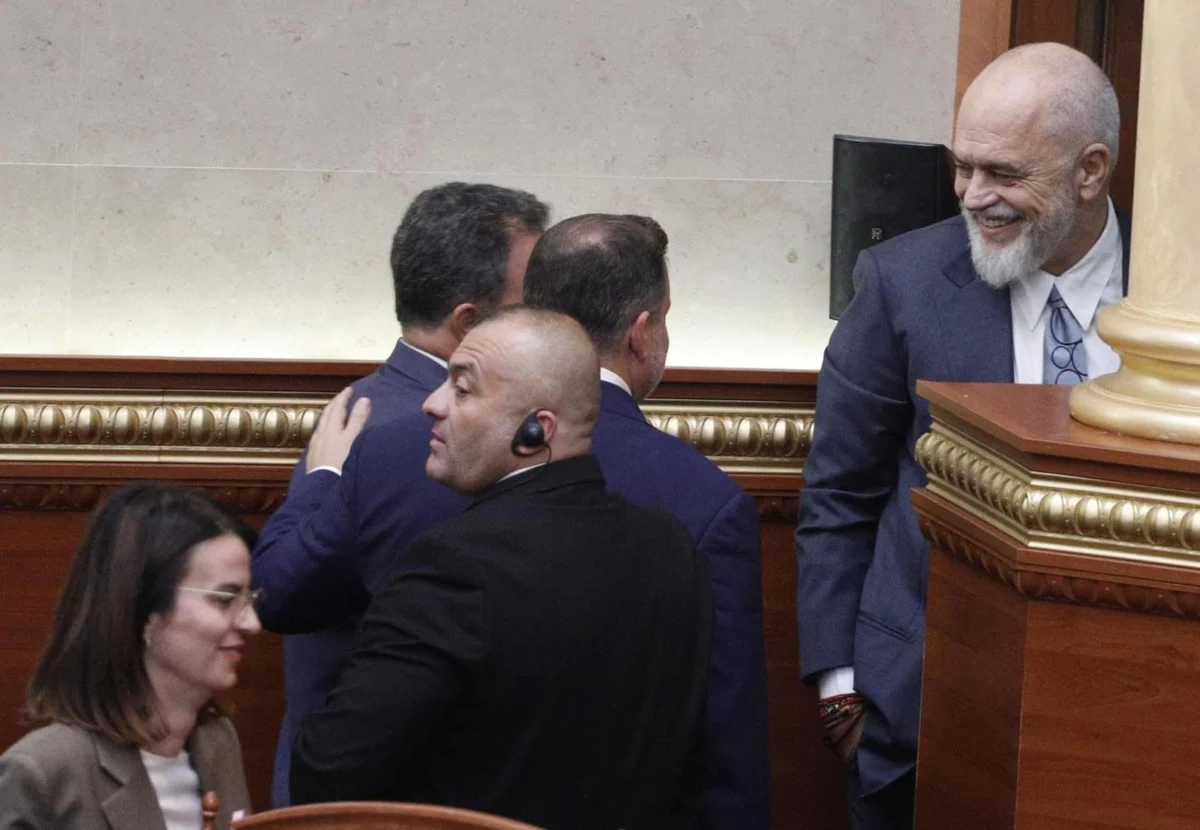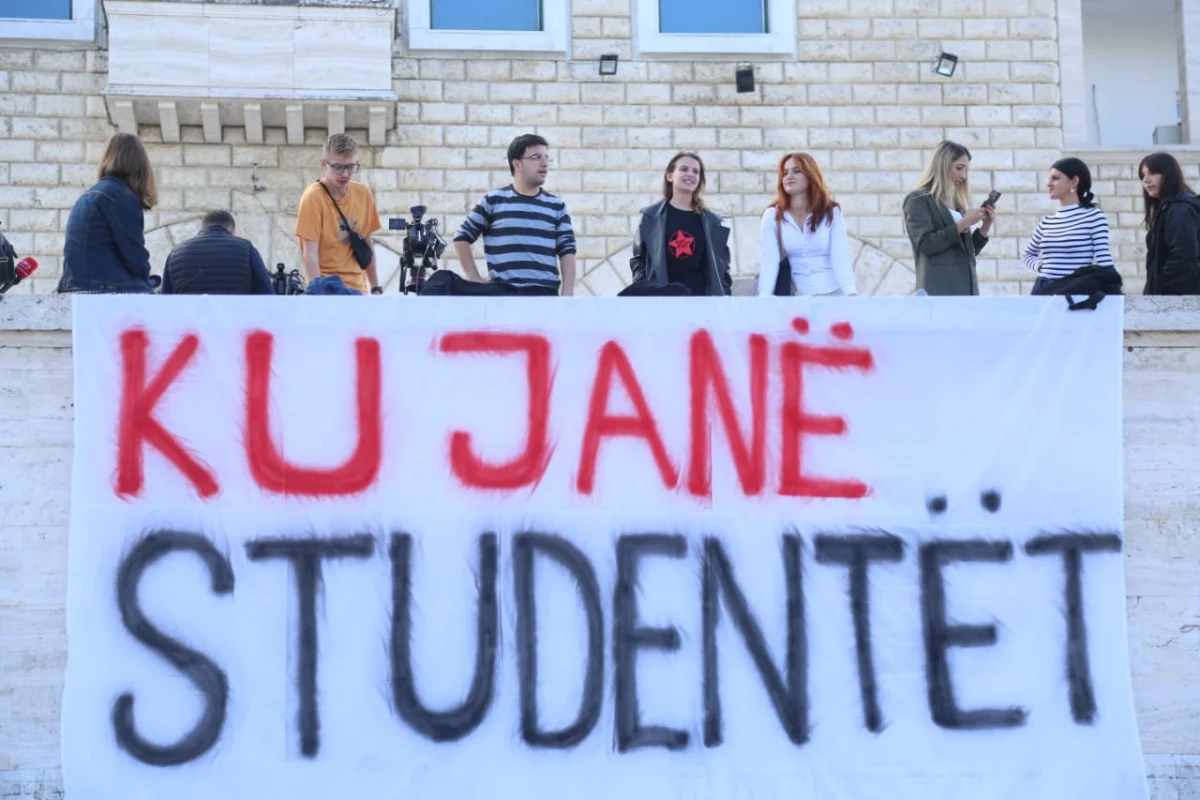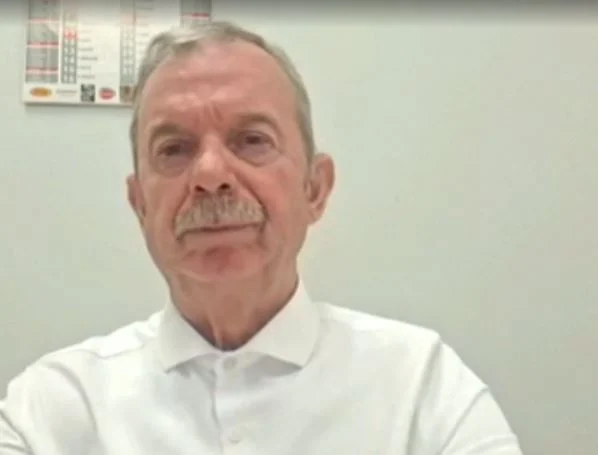
Tirana, Albania – October 27, 2026 – Albania’s political landscape continues to be gripped by escalating tensions, following a series of violent protests in the capital. Prominent political analyst Artur Nura has leveled serious accusations against the leader of the Democratic Party (PD), Sali Berisha, asserting that Berisha plays a direct role in orchestrating the violence witnessed during these demonstrations. Nura’s remarks, made during an interview for "Ora e Njëmbëdhjetë" on ABC News, paint a grim picture of the nation’s political stability and its international standing, warning of severe economic and reputational damage.
According to Nura, the recent unrest has not only inflicted significant material harm on local businesses but has also severely tarnished Albania’s image on the global stage. He described the situation as a form of "hybrid warfare," characterized by organized and trained groups engaging in confrontational tactics, coordinated through social media platforms. The analyst’s claims underscore a growing concern among observers regarding the nature of political dissent in Albania and the potential for it to devolve into systematic destabilization.
Main Facts: A Blistering Accusation
Artur Nura’s core allegation is that Sali Berisha, the influential head of the Democratic Party, is directly implicated in the instigation and organization of violent acts during protests held in Tirana. This is a profound accusation, striking at the heart of political leadership and accountability within Albania’s opposition. Nura articulated his concerns during a late-night broadcast, emphasizing that the PD’s involvement in these "violent situations" is not incidental but rather a deliberate strategy.
He drew a stark contrast between the nature of protests in Albania and those in other countries, where, he noted, demonstrations are often spearheaded by left-wing forces. In Albania, Nura suggested, the current wave of unrest, particularly its violent manifestations, appears to be strategically coordinated. He pointed to the extensive use of social media networks for planning and executing these "violent actions," indicating a sophisticated level of organization behind the scenes.
The analyst did not mince words when describing the consequences. "When we talk about the violent situation, Mr. Berisha, his party has a role," Nura stated emphatically. He elaborated on the tangible impact, highlighting that "businesses have suffered damages as a result of the violence." Beyond the immediate financial losses, Nura warned of a more insidious long-term effect: "There is also damage to Albania’s image." This concern speaks to the broader implications for the country’s aspirations for European integration, foreign investment, and tourism.
Nura’s rhetoric intensified as he questioned the anonymous nature of the perpetrators: "Who is behind the masks, who is behind those who commit violence?" He observed that the groups involved were not spontaneous gatherings but rather "organized, trained groups for confrontation." This observation led him to conclude that Albania is grappling with "hybrid warfare," a term typically associated with complex, multi-faceted conflicts involving both conventional and unconventional tactics, often aimed at destabilizing a state from within. The implication is that the violence is not merely an uncontrolled outburst but a calculated component of a larger political strategy.
The analyst’s critical assessment extended to the state of the Democratic Party itself, which he characterized as desperate. "The case of the PD is significant; it’s like a drowning man grasping at straws," Nura remarked, suggesting that the party’s current tactics reflect a profound struggle for relevance and power, potentially at any cost. This sentiment encapsulates a period of profound internal strife and external pressure for Albania’s largest opposition party.
Chronology of Unrest and Berisha’s Resurgence
To understand the context of Nura’s accusations, it is crucial to trace the recent history of political protests and Sali Berisha’s trajectory in Albanian politics leading up to October 2026. Berisha, a former President and Prime Minister, has been a dominant, often controversial, figure in Albanian public life for decades. His recent re-emergence at the helm of a faction of the Democratic Party has been marked by persistent challenges to the ruling Socialist Party and a series of high-profile demonstrations.
The period preceding Nura’s statement has been characterized by heightened political polarization. Since his declaration as non grata by the United States in May 2021 due to alleged corruption, Berisha has intensified his opposition activities, consolidating control over a significant portion of the Democratic Party base. This period has seen numerous rallies and protests, often drawing large crowds, particularly in Tirana.
Key Protest Waves (Hypothetical Timeline leading to Oct 2026):
- Late 2021 – Early 2022: Initial "Foltorja" (Pulpit) movement rallies, culminating in a contested leadership struggle within the PD. Protests against alleged government corruption and perceived authoritarian tendencies. These demonstrations, while largely peaceful, occasionally saw minor skirmishes with police or counter-protesters.
- Mid-2023: A series of protests focusing on cost-of-living increases, inflation, and specific government infrastructure projects deemed controversial. Some of these protests saw an escalation in tactics, with protestors attempting to breach government buildings or clashing with law enforcement. Reports of property damage and arrests began to surface more frequently.
- Early 2024: Significant demonstrations against proposed judicial reforms or specific appointments, which Berisha’s faction argued undermined the rule of law and served the interests of the ruling party. It was during this phase that organized groups, often masked, became more noticeable, employing tactics such as throwing Molotov cocktails or projectiles at police lines.
- Late 2025 – Early 2026: Protests intensified in the run-up to anticipated local or general elections, marked by a more aggressive tone. Accusations from both sides regarding political intimidation and electoral manipulation were rampant. The use of social media for rapid mobilization and coordination of protest activities became increasingly sophisticated, often leading to flashpoints of violence.
- Summer – Autumn 2026: The immediate period preceding Nura’s interview. A sustained campaign of protests against the government, triggered by a combination of factors such as a controversial legislative vote, a high-profile corruption scandal, or a perceived attack on democratic institutions. These protests are the specific context for Nura’s remarks, characterized by sustained violence, damage to public and private property, and direct confrontations between protestors and police. The image of Albania as a stable country was particularly challenged during this period, prompting Nura’s analysis.
Throughout this chronology, Sali Berisha has remained a central figure, consistently portraying himself as the champion of true democracy against an allegedly corrupt and autocratic government. His narrative often frames the protests as a legitimate expression of popular will, even when they turn violent, implicitly or explicitly justifying aggressive tactics as a necessary response to state repression. This historical context provides the backdrop for Nura’s direct accusation that Berisha and his party are not merely participating in but actively directing the violent aspects of these demonstrations.
Supporting Data: The Anatomy of Destabilization
Artur Nura’s claims about "organized, trained groups" and "hybrid warfare" are not to be dismissed lightly, as they point to a deeper structural issue within Albania’s political protest culture. The term "hybrid warfare" implies a blend of conventional and unconventional tactics, including disinformation, cyber-attacks, economic pressure, and the use of proxies or non-state actors to achieve political objectives. In the context of domestic protests, this could manifest as:
- Sophisticated Social Media Coordination: Nura explicitly mentioned the coordination of "violent actions" through social media. This goes beyond simple event planning. It can involve encrypted messaging groups, targeted dissemination of incendiary content, instructions for specific tactics (e.g., how to confront police, where to gather, what materials to use for barricades or projectiles), and the rapid spread of real-time updates to evade law enforcement. Such coordination requires a central "brain" or a network of organizers.
- Presence of "Organized, Trained Groups": The analyst’s observation of groups "trained for confrontation" suggests more than spontaneous anger. These could be individuals with prior experience in street activism, potentially even drawing from football fan groups or other highly organized social units, who are adept at crowd control, leading charges, or engaging in direct clashes. Their presence often serves to escalate tensions, provoke responses from authorities, and create an impression of widespread chaos. Masked individuals, as Nura noted, contribute to anonymity and can facilitate more aggressive behavior without immediate accountability.
- Economic Impact and Business Damages: The repeated disruptions and violence take a heavy toll on the local economy. Businesses in areas affected by protests, particularly in the capital, face losses from forced closures, property damage (e.g., broken windows, graffiti), decreased foot traffic, and a general atmosphere of insecurity that deters customers. Small and medium-sized enterprises (SMEs), which are crucial for Albania’s economy, are particularly vulnerable. The cumulative effect of such disruptions over time can lead to bankruptcies, job losses, and a reluctance of new businesses to invest in areas perceived as unstable.
- Damage to Albania’s International Image: Nura’s concern about Albania’s tarnished image is well-founded. For a country aspiring to full European Union membership, political stability, respect for the rule of law, and the peaceful conduct of political discourse are paramount. Persistent images of violent protests, clashes with police, and political leaders being accused of instigating unrest send negative signals to international partners, potential investors, and tourists. This can hinder diplomatic efforts, deter foreign direct investment, and negatively impact the vital tourism sector, which relies heavily on perceptions of safety and tranquility. The "hybrid warfare" claim, if taken seriously by international observers, could further complicate Albania’s geopolitical standing.
- Analyst’s Perspective: Artur Nura, as a political analyst, typically offers commentary rooted in observation of political trends and public discourse. His willingness to make such direct accusations against a powerful political figure like Berisha suggests a strong conviction based on patterns of behavior observed during the protests. While analysts often provide subjective interpretations, their insights can reflect a broader sentiment among informed observers about the underlying dynamics of political events. His comparison of PD to "a drowning man grasping at straws" reflects a common analytical perspective on opposition parties facing existential challenges, sometimes resorting to extreme measures to regain political momentum.
Official Responses: A Spectrum of Denials and Condemnations
The accusations made by Artur Nura are highly contentious and would undoubtedly elicit strong reactions from various political actors.
-
Democratic Party (Berisha’s Faction): It is highly predictable that Sali Berisha and his loyalists would vehemently deny any involvement in orchestrating violence. Their standard response would likely be:
- Denial of Responsibility: Asserting that the protests are spontaneous expressions of popular discontent against an "autocratic and corrupt regime."
- Blame Shifting: Accusing the government and police of provoking violence through excessive force, undercover agents, or deliberate inaction to discredit the opposition.
- Justification of Anger: Arguing that any violence is a natural outcome of deep-seated public anger over poverty, corruption, and the erosion of democratic freedoms, thus framing the protestors as victims rather than aggressors.
- Dismissal of Nura: Discrediting Artur Nura as a government-aligned analyst or someone lacking credibility, perhaps accusing him of political bias or being a mouthpiece for the ruling party.
- Legal Challenges: Potentially threatening legal action against Nura or the media outlet for defamation, although such threats often serve more as a deterrent than a genuinely pursued legal strategy.
-
The Government (Ruling Socialist Party): The Socialist Party, led by Prime Minister Edi Rama, would likely seize upon Nura’s statements as validation of their long-standing narrative:
- Condemnation of Violence: Strongly condemning the protest violence and reiterating their commitment to maintaining public order and safety.
- Support for Nura’s Analysis: Expressing agreement with Nura’s assessment, portraying Berisha as a destabilizing force and a threat to national security and democratic processes.
- Call for Investigation: Demanding thorough investigations into the organizers of the violence, implicitly or explicitly targeting Berisha and his associates.
- Highlighting Damage: Emphasizing the economic and reputational damage caused by the protests, reinforcing the need for responsible political conduct.
- Defense of Police Actions: Defending the police’s handling of the protests as necessary to protect citizens and property, while also stressing restraint.
-
Law Enforcement and Judiciary: Police and prosecutorial bodies would face pressure to respond.
- Active Investigations: Announcing ongoing investigations into instances of violence, property damage, and identifying individuals involved.
- Arrests and Prosecutions: Reporting on arrests made during or after protests and initiating legal proceedings against those accused of violent acts.
- Intelligence Gathering: Potentially hinting at intelligence operations to uncover the "brain" behind the coordination, as suggested by Nura.
-
Other Opposition Factions/Civil Society: Other political parties or civil society organizations might offer nuanced responses:
- Some might condemn the violence but also criticize the government’s handling of protests, advocating for dialogue.
- Others might echo concerns about Berisha’s tactics while also expressing reservations about the state of democracy in Albania.
- Civil society groups focused on human rights might call for accountability for both protestor violence and any instances of excessive police force.
-
International Community (EU, US Embassies, etc.): International partners closely monitor political developments in Albania, particularly concerning stability and rule of law:
- Calls for Restraint: Issuing statements urging all political actors to exercise restraint, engage in constructive dialogue, and condemn violence.
- Emphasis on Rule of Law: Stressing the importance of upholding the rule of law, protecting democratic institutions, and ensuring accountability for violent acts.
- Concerns for EU Integration: Expressing concern that political instability and violence could negatively impact Albania’s progress towards EU membership.
- While unlikely to explicitly endorse Nura’s specific accusations, their general messaging often aligns with the need for peaceful political processes and a condemnation of actions that undermine stability.
Implications: A Precarious Path Forward
The accusations made by Artur Nura and the broader context of protest violence carry significant implications for Albania’s future, touching upon its political stability, economic prospects, democratic health, and international standing.
- Political Destabilization: If Nura’s claims hold true, the systematic orchestration of violence by a major political party suggests a deliberate strategy of destabilization. This creates an environment of perpetual crisis, hindering governance, diverting resources, and eroding public trust in political institutions. Such tactics can lead to a cycle of confrontation that is difficult to break, pushing Albania further away from mature democratic practices.
- Erosion of Democratic Norms: The right to protest is a fundamental democratic freedom. However, when protests are marred by violence and allegations of organized instigation, it blurs the lines between legitimate dissent and unlawful acts. This can lead to a chilling effect on peaceful protest, but also to an escalation of state response, potentially infringing on civil liberties. The accusations of "hybrid warfare" imply that democratic processes are being subverted through unconventional means, making it harder for citizens to distinguish genuine grievances from politically manipulated unrest.
- Impact on Rule of Law and Justice: The identification and prosecution of those responsible for protest violence are crucial for upholding the rule of law. However, if powerful political figures are implicated, it can test the independence and effectiveness of the justice system. The ability of law enforcement to uncover the "brain" behind the violence and bring perpetrators to justice will be a critical indicator of Albania’s commitment to accountability. Failure to do so could embolden further acts of violence and undermine public confidence in the state’s capacity to maintain order.
- Economic Consequences: Beyond the immediate damages to businesses, prolonged political instability and violence deter foreign investment, which is vital for economic growth and job creation in Albania. Investors seek predictability and security, and a climate of unrest signals high risk. This can lead to capital flight, decreased tourism revenues, and a general slowdown in economic activity, ultimately impacting the livelihoods of ordinary citizens.
- Albania’s EU Aspirations: Albania’s path to European Union membership is contingent on demonstrating progress in areas such as rule of law, democratic governance, and political stability. Persistent images of violent protests and accusations of political leaders orchestrating such acts severely undermine these efforts. International partners will view such developments with concern, potentially slowing down accession negotiations and raising questions about Albania’s readiness to join the bloc. The damage to Albania’s image, as highlighted by Nura, could translate into tangible setbacks on its European journey.
- Future of the Democratic Party: Nura’s characterization of the PD as "a drowning man grasping at straws" suggests a party in deep crisis. If the allegations of orchestrating violence gain traction, it could further isolate Berisha and his faction, both domestically and internationally. It raises questions about the long-term viability and public acceptance of a political force perceived to resort to such extreme measures. The internal divisions within the PD could deepen, potentially leading to further fragmentation or a re-evaluation of its leadership and strategy.
In conclusion, Artur Nura’s sharp critique of Sali Berisha and the Democratic Party underscores a moment of heightened tension and uncertainty in Albanian politics. His claims of orchestrated violence, hybrid warfare, and severe damage to the nation’s image call for a thorough examination of the forces at play. The coming months will be critical in determining whether Albania can navigate these turbulent waters, uphold democratic principles, and ensure accountability for actions that threaten its stability and future aspirations. The eyes of both its citizens and the international community will remain fixed on Tirana, awaiting a resolution to this escalating political drama.