TIRANA, Albania – In a late-night session that concluded just after midnight on Thursday, Albania’s Parliament narrowly approved a significant territorial reform, merging 15 smaller municipalities into larger administrative units. The controversial bill passed with 85 votes in favor, a majority secured by the 82 votes from the ruling Socialist Party (PS) and the crucial support of mandates held by Tom Doshi’s Social Democratic Party.
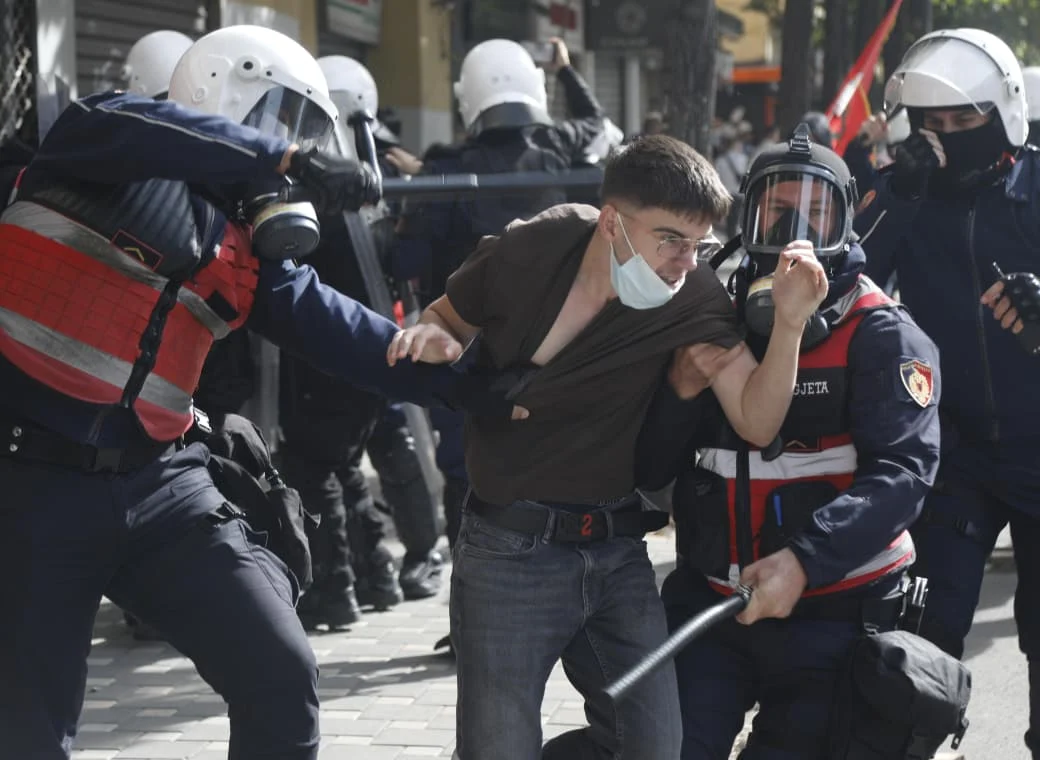
The reform, a unilateral initiative spearheaded by the Socialist Party, has ignited a firestorm of opposition, not only from across the political spectrum but also from local councilors in the municipalities slated for dissolution and from affected communities. Protests had been ongoing outside Parliament on Thursday, underscoring the deep-seated public discontent with the proposed changes.
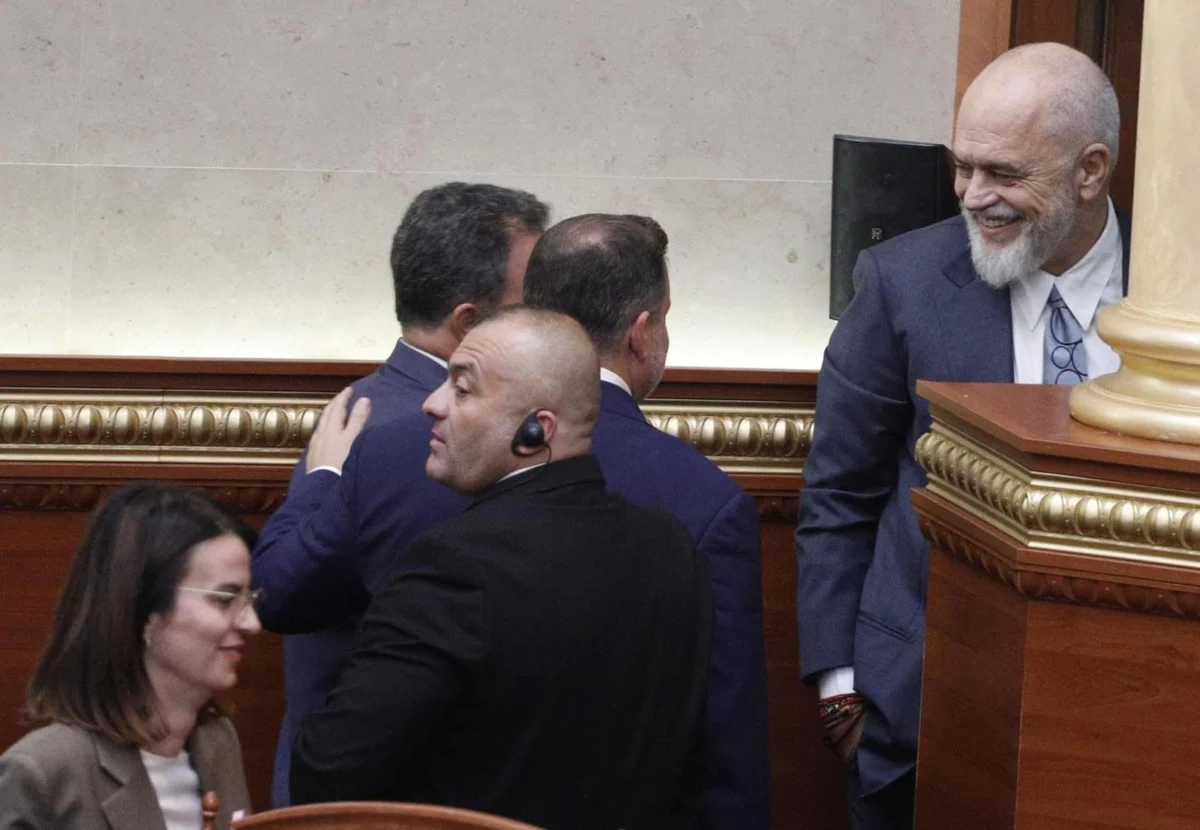
Adding another layer of complexity to the parliamentary proceedings were visible signs of dissent within the ranks of the Socialist Party itself. While several deputies voiced strong reservations and critical perspectives during the plenary session, these internal disagreements ultimately did not translate into the final vote. This apparent capitulation followed stern warnings from Prime Minister Edi Rama regarding potential exclusion from the parliamentary group for any dissenters.
The Political Chessboard: A Divided Parliament and Party Lines
The legislative battle over the territorial reform was marked by sharp divisions and high political stakes. The Socialist Party, under the firm leadership of Prime Minister Edi Rama, pushed the agenda forward with unwavering resolve. The bill’s passage, however, was not a seamless display of party unity. Reports indicate that several veteran Socialist MPs, who had publicly expressed concerns about the reform’s impact on local communities, ultimately voted in line with the Prime Minister’s directive, a decision that seemingly contradicted their stated principles and public positions.
One such prominent figure was Erion Braçe, a seasoned MP within the Socialist Party. Braçe, in a candid communication with the media just hours before the vote, revealed the pressure exerted by the Prime Minister. "He (Rama) said: if you vote against, you are out of this parliamentary group," Braçe stated, detailing the ultimatum that seemingly swayed his final decision. Despite his earlier public reservations, Braçe ultimately cast his vote in favor of the reform, aligning himself with the Prime Minister’s will, a move that drew criticism for its divergence from his publicly expressed stance.
During the parliamentary debate on Thursday, Braçe articulated his strong reservations about the initiative. He argued that the proposed changes should not be framed as a "reform" but rather as a "continuation of an old map" that failed to adequately consider the profound impact on the lives of citizens in the merging municipalities. He characterized the existing territorial map as "proven many times to be temporary and unchanging, and as a reform, fundamentally insufficient." His critique highlighted concerns that the reform was more about administrative consolidation than genuine improvement of local governance and citizen well-being.
Another Socialist MP, Elisa Spiropali, who has been endeavoring to cultivate a critical profile within the party for several months, also ultimately voted in favor of the bill, despite having signaled her intention to oppose it during her address. Spiropali’s remarks in the session conveyed a sense of frustration and a demand for greater respect for parliamentary members. "We are neither cardboard cutouts nor irresponsible people. The way you address us is revolting," she declared, her words reflecting a palpable tension and a perceived lack of consideration for individual parliamentary voices.
The pressure to conform was not limited to Braçe and Spiropali. Several other Socialist deputies, who had previously voiced criticisms and advocated for the consideration of the will of their constituents in the areas they represent, reportedly withdrew their objections at the last minute. This capitulation to the party’s political decision, despite the constitutional guarantee that a deputy expresses their individual will, underscores the centralized power structure within the Socialist Party.
The Shadow of Investigation: Belinda Balluku’s Vote
Adding a controversial dimension to the day’s proceedings was the vote cast by Belinda Balluku. Balluku, a former Deputy Prime Minister, appeared in Parliament on Thursday evening after an absence of several weeks, during which she has been reportedly under investigation for alleged corruption and violations of equal treatment in tenders. Her presence and subsequent vote in favor of the territorial reform have drawn further scrutiny, raising questions about the motivations behind her support and the broader implications for transparency and accountability.
The Opposition’s Outcry: A United Front Against Centralization
The territorial reform faced vehement opposition from across the Albanian political landscape. The primary opposition parties, who have consistently advocated for decentralization and greater local autonomy, condemned the Socialist Party’s unilateral approach. They argued that the reform lacked proper consultation with affected communities and failed to address the root causes of administrative inefficiency.
Local councilors in the municipalities slated for dissolution were particularly vocal in their opposition. Many expressed their dismay and frustration at the prospect of losing their elected positions and the ability to directly represent their constituents. Their protests outside Parliament served as a tangible manifestation of the local discontent and the perceived disregard for grassroots democratic processes.
The opposition parties had presented alternative proposals, emphasizing the need for a more inclusive and participatory approach to territorial reform. They argued that any such changes should be driven by the needs and aspirations of the citizens, rather than being imposed from the top down by the central government. Their calls for a more thorough impact assessment and broader public engagement were largely dismissed by the ruling majority.
Prime Minister Rama’s Response: A Dismissal of Dissent and a Show of Strength
Prime Minister Edi Rama, while acknowledging the internal debates, chose to frame the reform’s passage as a significant step towards modernizing Albania. In a post on the social media platform X (formerly Twitter), he commented with a touch of irony on the apparent silencing of internal dissent.
"Beyond all the internal debates, external speculations, and the troubles of a confused time from various dirty hands, some visible and some invisible but not undiscovered now, yesterday’s vote in Parliament gave Albania another modernizing impetus," Rama wrote. He further emphasized the message the vote sent to those who might challenge the Socialist Party’s authority: "On the other hand, it showed once again to all those who needed it, that one should never make calculations without the landlord with the Socialist Party."
This statement, widely interpreted as a veiled threat and a clear demonstration of party discipline, highlighted Rama’s assertive leadership style. He has been at the helm of the Socialist Party since 2005, taking over from Fatos Nano after the party’s defeat in the parliamentary elections of that year. During his tenure, Rama has been credited with consolidating his authority, transforming the Socialist Party into a highly centralized organization where internal party institutions and debate have been largely marginalized. This approach has allowed him to implement his agenda with minimal internal resistance, but it has also drawn criticism for stifling democratic discourse within the party and potentially undermining the principle of independent parliamentary representation.
Implications of the Reform: Centralization and the Future of Local Governance
The territorial reform, by merging 15 smaller municipalities, represents a significant shift in Albania’s administrative landscape. Proponents argue that the larger units will be more efficient, cost-effective, and capable of delivering better public services. They suggest that the consolidation will streamline bureaucracy, reduce administrative overhead, and allow for more strategic planning and resource allocation.
However, critics express deep concerns about the potential consequences of this increased centralization. They fear that the reform could lead to a further disconnect between citizens and their local governments, making it harder for individuals to access services and have their voices heard. The dissolution of smaller municipalities could also disproportionately affect rural areas, where residents may face longer travel times and increased logistical challenges in accessing administrative support.
The consolidation of power at the national level, coupled with the visible suppression of internal dissent within the ruling party, raises questions about the future trajectory of Albanian democracy. While the reform may offer potential administrative efficiencies, its implementation amidst such strong opposition and internal party pressure could have long-term implications for public trust, political accountability, and the robustness of democratic institutions in Albania. The coming months will likely reveal the true impact of this sweeping territorial overhaul on the lives of ordinary Albanian citizens and the functioning of their governance structures.