Date: October 10, 2026
Location: Washington, D.C.
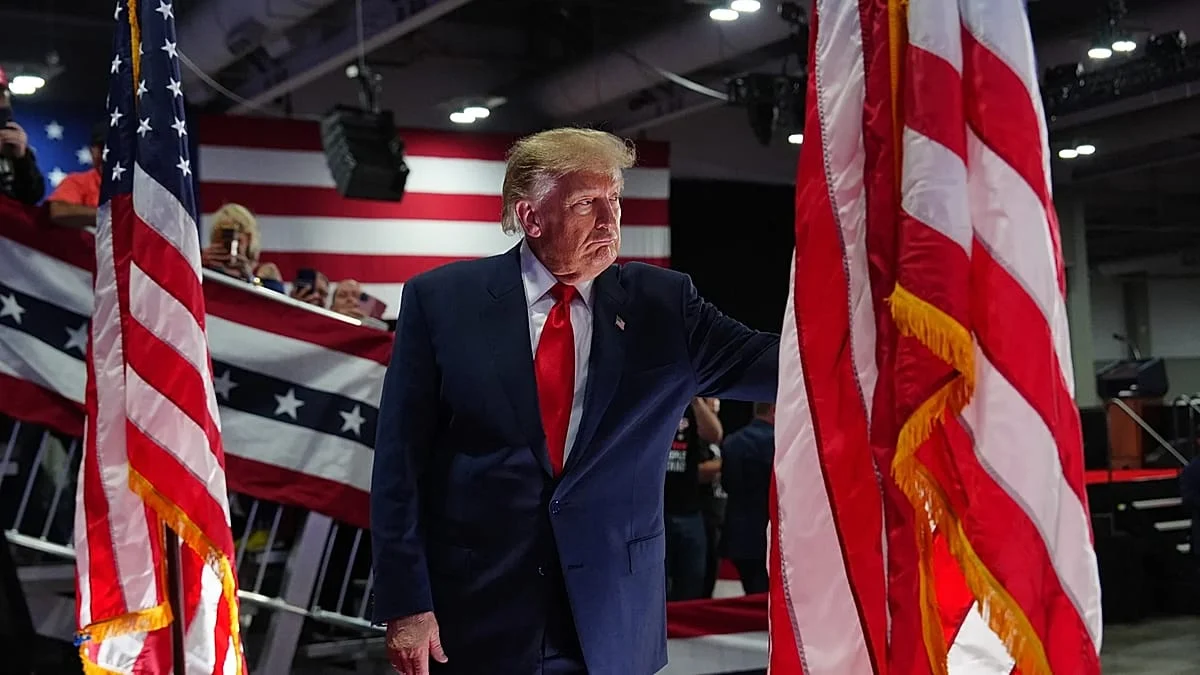
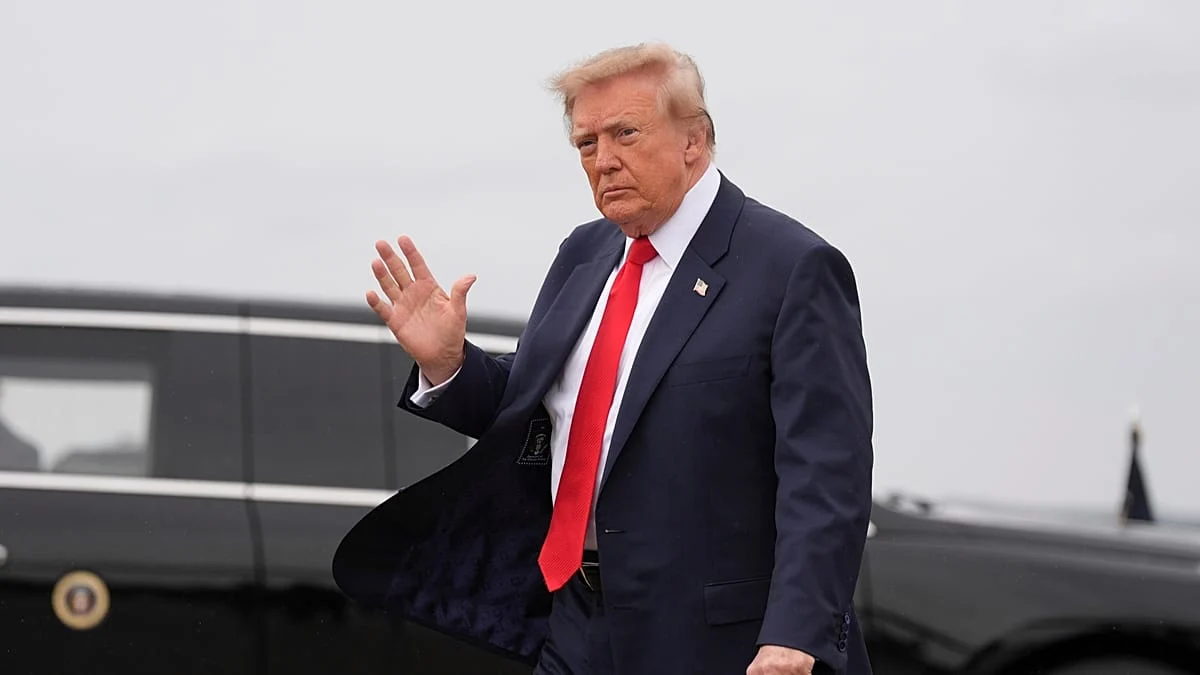
In a striking departure from established U.S. foreign policy, President Donald Trump has publicly called for a change in leadership in Ukraine, casting doubt on President Volodymyr Zelenskyy’s commitment to ending the ongoing conflict with Russia. Speaking to reporters at the White House on Saturday before departing for a campaign stop in Tennessee, President Trump suggested that the Ukrainian leader has failed to pursue necessary diplomatic avenues, thereby prolonging the war and exacerbating the global energy crisis.
The remarks, which have sent shockwaves through international diplomatic circles, come at a critical juncture for the White House. Faced with plummeting approval ratings and an economic landscape strained by the dual pressures of the conflict in Ukraine and the recent military engagement in Iran, the administration appears to be pivoting toward a policy of pragmatic deal-making with Moscow to stabilize domestic fuel prices.
The Call for New Leadership: A Break in Policy
President Trump’s assertion that "it is time for Ukraine to get a new president" marks the most explicit intervention in Ukrainian internal politics by a sitting U.S. president since the start of the full-scale invasion.
"I suggest they get a new leader who can make a deal," Trump told the press corps. "Because he [Zelenskyy] could have made many deals, and for some reason, he never does."
The President’s comments follow a series of private and public frustrations regarding the tactical decisions made by the Ukrainian military. Specifically, Trump has repeatedly criticized Kyiv for its targeted strikes on Russian oil refineries and infrastructure. According to the President, these attacks have created a global shortage of refined products, directly impacting the American agricultural sector.
"He wants to make problems for our farmers, our ranchers, with diesel fuel," Trump said. "We told him, ‘do whatever you want, but don’t hit the diesel fuel.’ And what does he do? He goes and hits the diesel fuel."
Chronology: From Cooperation to Confrontation
The deterioration of the relationship between Washington and Kyiv has been rapid, fueled by a series of geopolitical events throughout 2026:
- February 28, 2026: The United States and Israel launch a coordinated joint military operation against Iran. The resulting regional instability causes a massive spike in global crude oil and refined petroleum product prices.
- Mid-2026: As domestic diesel prices in the U.S. reach record highs, the White House comes under intense political pressure ahead of the upcoming midterm elections.
- September 2026: Reports emerge that the U.S. has entered into a supply agreement with Moscow to secure over 800,000 tons of Russian diesel to stabilize the U.S. and global markets.
- October 2026: President Zelenskyy publicly denounces the U.S.-Russia diesel deal, labeling it a "gift to Putin" and a betrayal of the civilized world.
- October 10, 2026: President Trump publicly calls for a change in Ukrainian leadership, citing Zelenskyy’s "warmongering" and failure to secure a peace deal.
Supporting Data: The Economic and Political Backdrop
The tension is deeply rooted in the American domestic economic climate. With midterm elections looming, the administration is hyper-focused on the cost of living. Recent data from the Associated Press-NORC Center for Public Affairs Research illustrates the gravity of the situation: 71% of American adults now disapprove of the President’s handling of the conflict in Iran, a sentiment that is increasingly bleeding over into perceptions of his broader foreign policy.
The global energy crisis has served as a catalyst for this political friction. By sourcing 300,000 tons of diesel from Russia immediately, with another 500,000 tons expected in November, the U.S. is attempting to insulate its economy from the ripple effects of two concurrent regional wars. However, this move has invited severe criticism from European allies, who argue that purchasing Russian fuel directly finances the very war effort they are trying to curtail.
Official Responses and International Reaction
The Kremlin was quick to capitalize on the rift. Kirill Dmitriev, a top economic negotiator for President Vladimir Putin, took to social media platform X to praise the U.S. President’s remarks.
"President Trump joins the many who believe that Ukraine needs leadership actually focused on peace, not Zelensky’s warmongering," Dmitriev wrote. He described the President’s comments as "iconic and historic," signaling a potential willingness from Moscow to engage in the "deals" that Trump has been advocating for.
In contrast, the response from Kyiv was one of sharp defiance. President Zelenskyy remains steadfast in his refusal to curb operations against Russian infrastructure, which he views as essential to degrading Russia’s logistical capacity to wage war.
"Allowing Russia to sell petroleum products is an investment in a war that must be ended, not prolonged," Zelenskyy stated following the announcement of the U.S.-Russia diesel deal. "What is needed is real de-escalation with Russia on a reciprocal basis, not the legitimization of their war economy."
European officials have expressed similar dismay. Diplomats in Brussels have warned that the U.S.-brokered deal undermines the unified Western sanctions regime against Russia, potentially creating a "leakage" that will render existing economic pressures ineffective.
Implications: A New Geopolitical Order?
The implications of this shift are profound and far-reaching. By publicly signaling a preference for a new Ukrainian administration, the White House is effectively signaling that it is prepared to abandon the "as long as it takes" approach to the conflict in favor of a "peace through negotiation" framework, even if that negotiation requires significant concessions to Moscow.
1. The Future of Western Unity
The open divergence between the U.S. and its European partners regarding the purchase of Russian energy threatens to fracture the Atlantic alliance. If the U.S. continues to prioritize domestic fuel prices over the enforcement of sanctions, Europe may find itself isolated in its support for Ukraine, or forced to follow suit to avoid a competitive disadvantage in the global market.
2. The Shift in Ukrainian Sovereignty
Trump’s call for a "new leader" in Ukraine raises significant ethical and legal questions regarding the sovereignty of democratic nations. Critics argue that such rhetoric provides a pretext for Russian interference in Ukrainian elections or destabilization efforts. It also places immense pressure on the Ukrainian political system, which must now contend with the possibility of losing its primary military and financial backer.
3. The Energy-Security Paradox
The current crisis has exposed a fundamental paradox in modern statecraft: the reliance on globalized energy markets during times of total war. The U.S. finds itself in the uncomfortable position of funding its own economic stability through the purchase of energy from a nation it is simultaneously attempting to isolate. This suggests that the global economy may be moving away from the era of ideological trade blocks toward a more fragmented, transactional model of international relations.
4. The Domestic Political Stakes
As the U.S. approaches the midterms, the "Diesel Issue" has become a proxy for the broader evaluation of the Trump presidency. If the influx of Russian diesel succeeds in lowering prices at the pump, the administration may claim a victory for the American consumer. However, if the political fallout—including the alienation of traditional allies and the perception of a retreat from global commitments—continues to mount, the move may prove to be a high-stakes gamble with both short-term economic and long-term strategic consequences.
As the situation develops, the eyes of the world remain fixed on the upcoming diplomatic summits. Whether this shift represents a calculated move toward a sustainable peace or a dangerous abandonment of democratic principles remains the central question of the 2026 political landscape. For now, the administration continues to press for a "deal," leaving the future of the Ukraine-Russia conflict in a state of unprecedented uncertainty.