
By Kyle Harris
Across North America, the silence in our meadows and gardens is growing louder. The decline of pollinator populations—the silent engines of our global food supply—has shifted from an ecological concern to a full-blown crisis. As habitat loss, climate volatility, and chemical exposure continue to fracture the natural world, the conventional approach to conservation has remained largely reactive. We set aside land, we fence off reserves, and we hope for the best.
But what if we are asking the wrong question? Instead of simply asking how much land we can save, we should be asking how our inevitable growth can be reimagined to actively regenerate the environment. At Baseline, a 1,100-acre master-planned community in Broomfield, Colorado, we have moved beyond the "preserve-and-ignore" mindset. By partnering with the Butterfly Pavilion, we have pioneered the world’s first "Pollinator District"—a model that treats biodiversity not as a decorative amenity, but as a core piece of essential infrastructure.
The Ecological Stakes: A Crisis in Numbers
The urgency behind this model is backed by sobering data. A 2025 assessment led by NatureServe, analyzing nearly 1,600 native North American species—including bees, butterflies, moths, beetles, and bats—revealed that more than 22% of these pollinators are at an elevated risk of extinction. This is not merely a tragedy for wildlife enthusiasts; it is a direct threat to human stability.
The Food and Agriculture Organization of the United Nations notes that nearly 90% of the world’s wild flowering plant species rely on animal pollination. Furthermore, over 75% of our global food crop types benefit from these services. Economically, the stakes are staggering: pollination services contribute more than $235 billion annually to the global economy.
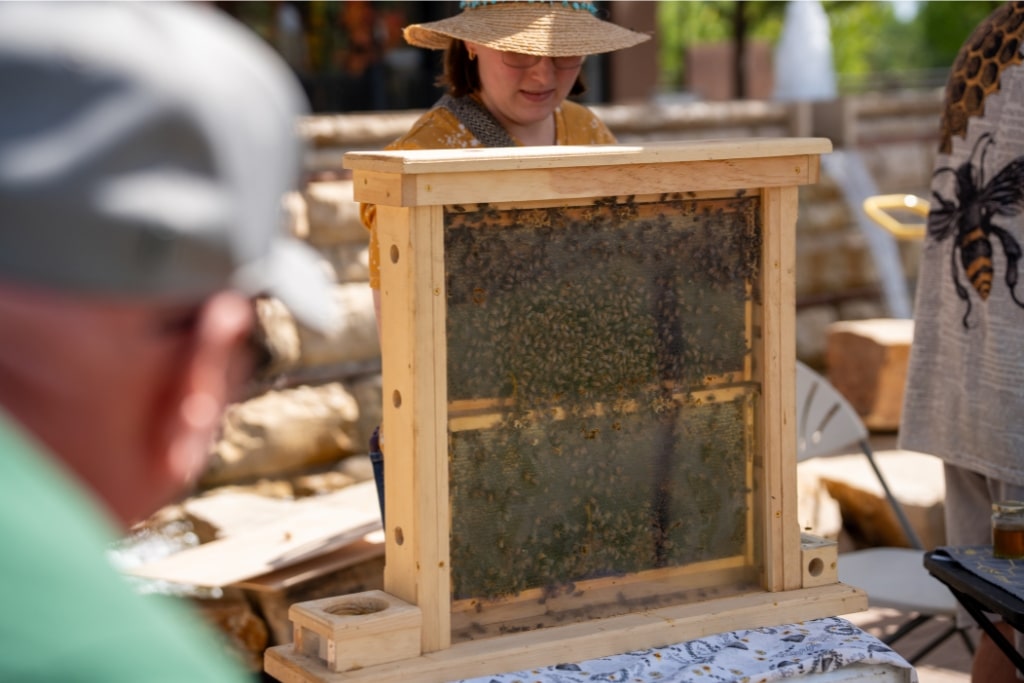
When we look at the United States specifically, the situation is dire. Beekeepers reported losing an estimated 55.6% of managed honey bee colonies between April 2024 and April 2025—the highest annual loss rate since national tracking began in 2010. This decline is fueled by a perfect storm of habitat fragmentation, pesticide use, and the rapid encroachment of concrete. In the face of such data, traditional conservation is no longer enough to keep pace with the speed of human expansion.
Chronology: From Agricultural Monoculture to Living Laboratory
The journey to the Pollinator District did not happen overnight. It is the culmination of nearly two decades of experimentation in community stewardship.
The Foundation (2001–2010)
Long before the term "Pollinator District" existed, our team at Realberry began exploring the coexistence of development and ecology at Centerra in Loveland, Colorado. In 2001, we helped establish the High Plains Environmental Center (HPEC). This was a pivotal moment: we realized that by embedding environmental management into the fabric of the community, we could restore wetlands and wildlife corridors while building homes. It proved that developers could act as stewards of the land rather than merely extractors of value.
The Planning Phase (2015–2019)
When we turned our attention to the 1,100-acre site in Broomfield, we faced a unique challenge. The land was largely semi-arid shortgrass prairie, a landscape that has lost nearly 50% of its original ecological footprint to agriculture and urban sprawl. Before construction commenced in 2019, we invited the Butterfly Pavilion to conduct a biological inventory. The results were telling: the site was a dry farming monoculture, hosting only eight pollinator families, mostly generalist species associated with degraded lands. We had a blank, albeit damaged, slate.
Implementation and Monitoring (2022–Present)
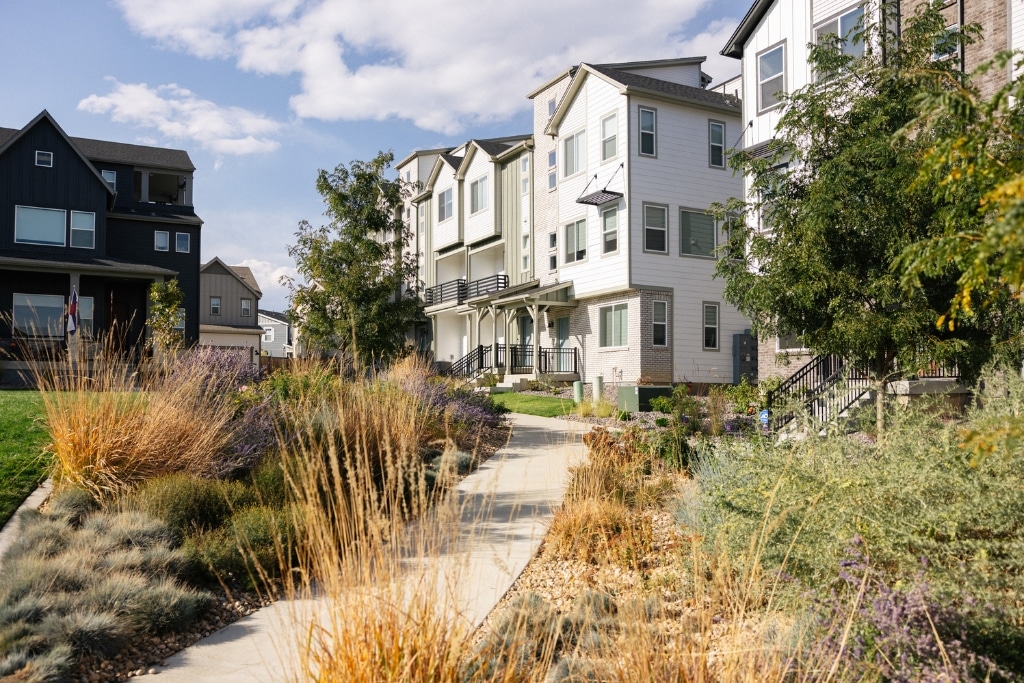
We shifted the development philosophy from "landscaping for aesthetics" to "landscaping for function." This meant planting native species that could withstand Colorado’s heat and drought, providing nesting sites, and ensuring connectivity across the entire community. Since 2022, we have conducted rigorous annual biological surveys to see if our design choices were actually working.
Supporting Data: Measuring Success
The results of our longitudinal study have been nothing short of transformative. By 2025, surveys documented 3,805 macropollinators representing 27 pollinator families—a staggering 500% increase compared to the 2023 figures.
This data is significant for three reasons:
- Diversity Growth: We aren’t just seeing more bees; we are seeing a wider variety of species. The arrival of longhorn beetles, plasterer bees, and digger wasps indicates that we are successfully creating complex ecological niches.
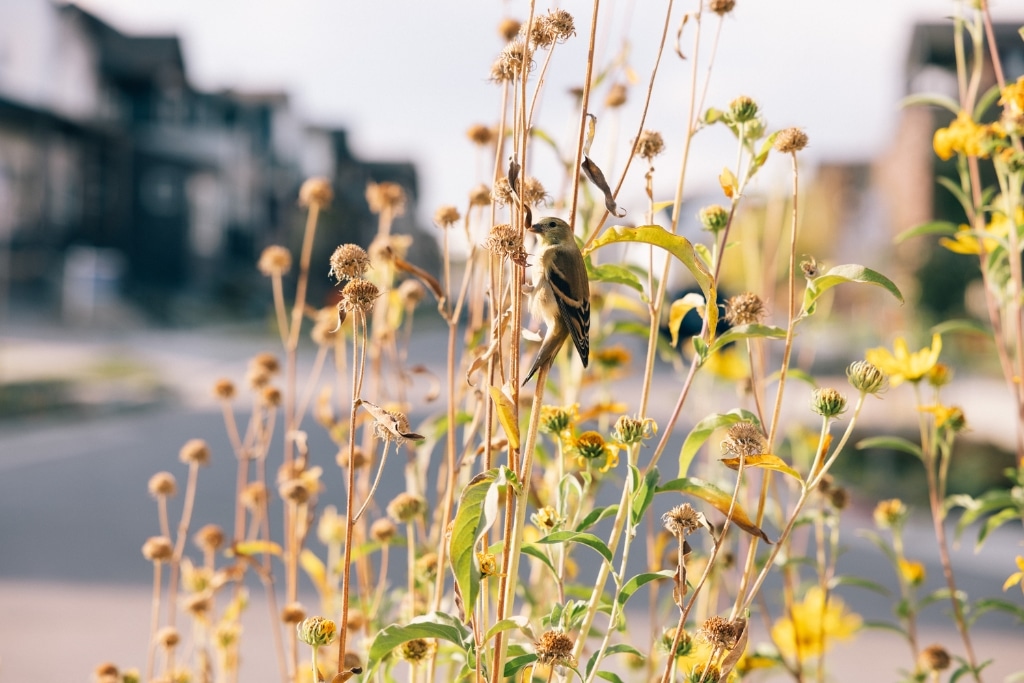
- Vertebrate Return: The observation of broad-tailed hummingbirds—a key vertebrate pollinator in the Front Range—proves that the habitat is robust enough to support more than just insects.
- Resilience: Despite the semi-arid climate, the native-focused landscape has proven resilient to the drought cycles that often wipe out standard, ornamental urban plantings.
Official Perspectives: The Science of Stewardship
Amy Yarger, Senior Director of Horticulture at the Butterfly Pavilion, emphasizes that this model succeeds because it mimics nature’s complexity. "The landscape at Baseline continues to establish and create critical new ecological niches," Yarger explains. "Pollinators respond directly to habitat quality. When diverse flowering resources and nesting areas are available, they return, even in built environments."
The Pollinator District framework is fundamentally about moving away from the "isolated garden" model. In typical master-planned communities, a developer might place a "pollinator garden" in a park and consider the job done. The Pollinator District, however, treats the entire streetscape, the residential frontage, and the commercial buffers as a continuous biological corridor. It is an infrastructure project as much as a landscaping project.
Implications: A New Blueprint for Development
As our climate changes, the way we build will define the future of our local ecosystems. The lessons learned from the Baseline project provide a clear roadmap for the future of urban planning:
1. Science-Led Design
You cannot manage what you do not measure. By establishing a biological benchmark before a single shovel hits the ground, developers can evaluate their impact over decades, not just during the sales phase.
2. Connectivity as Infrastructure
Ecological health requires movement. If we treat habitat as a series of disconnected islands, we fail. By integrating native plants into every facet of a neighborhood, we create "pollinator highways" that allow species to thrive despite the surrounding urban density.
3. The Lifecycle Approach
Pollinators don’t just need flowers; they need nesting sites and water. Designing for year-round habitat—where plants provide seeds, shelter, and forage across all four seasons—is essential to creating a self-sustaining ecosystem.
4. Cultural Stewardship
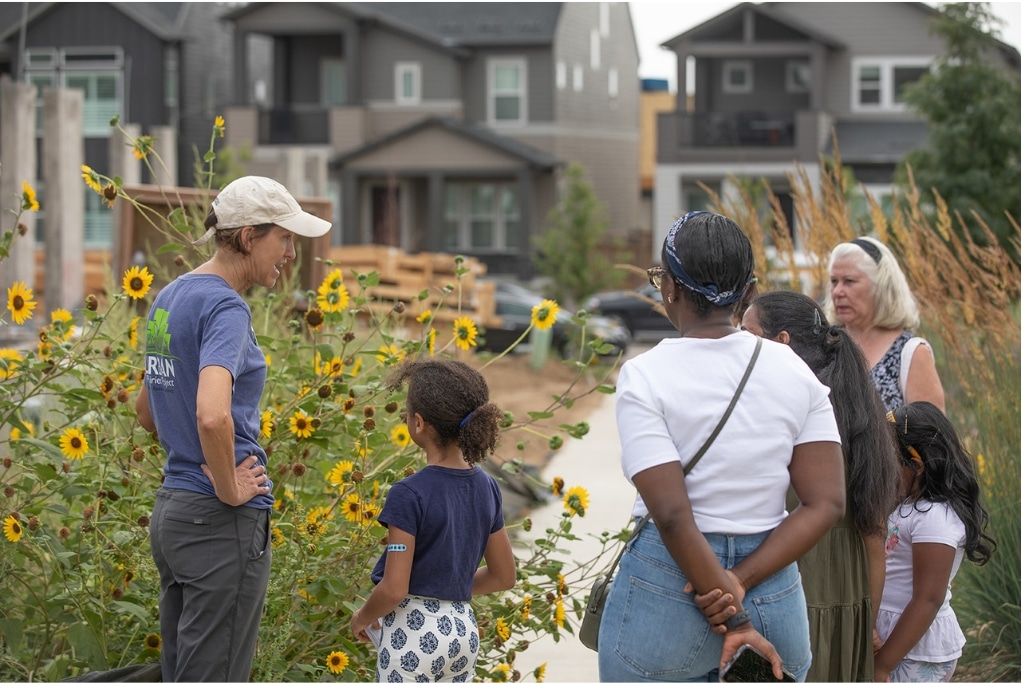
A community is only as sustainable as its residents. Through education, citizen science, and workshops, we have turned residents into active participants in the conservation process. When homeowners understand the "why" behind their native landscaping, they become the primary guardians of that habitat.
5. Long-Term Commitment
Perhaps the most critical lesson is that certification is not the finish line. The Pollinator District model requires a commitment to ongoing monitoring and adaptive management. As the climate shifts, so too must our planting palettes and maintenance regimes.
Conclusion: The New Standard
The future of conservation is not limited to national parks or remote wilderness. It is happening in the places where we wake up, work, and raise our families. The Pollinator District model offers a tangible, replicable solution to the fragmentation of our natural world.
It is time for municipalities, urban planners, and developers to stop viewing the environment as an obstacle to progress. Instead, we must embrace the reality that our communities can, and should, serve as vital components of a healthy planet. We have proven that with intentional planning, we can build for the future without sacrificing the very biodiversity that makes that future possible. The question is no longer whether we can design for nature, but whether we have the collective will to prioritize it as a standard of modern development.