Introduction: A Presidency Defined by Defiance
As the United States approaches the November 3 midterm elections, the political atmosphere is charged with a volatility unseen in modern American history. For observers of the Trump administration, the primary question is not whether the electorate will deliver a verdict on the current state of affairs, but rather how the President will interpret that verdict. History suggests a clear, albeit troubling, path forward: regardless of the magnitude of the loss, Donald Trump is unlikely to undergo the traditional process of presidential introspection.
If recent polling data holds, the Republican Party faces a potential electoral "shellacking" of historic proportions. Voters, weary from the relentless friction of the current administration, are signaling a desire for a fundamental course correction. Yet, the architecture of the Trump presidency—built on the pillars of populist grievance and an adversarial relationship with institutional norms—suggests that a defeat will be met not with humility, but with an escalation of the rhetoric that has defined his tenure.
The State of Play: Main Facts and Public Sentiment
The upcoming midterms serve as a referendum on a series of crises that have reshaped the American landscape. At the center of the voter’s concern is the economy. With the cost of living having reached unprecedented highs, the middle class has seen its purchasing power eroded, leading to a pervasive sense of economic insecurity.
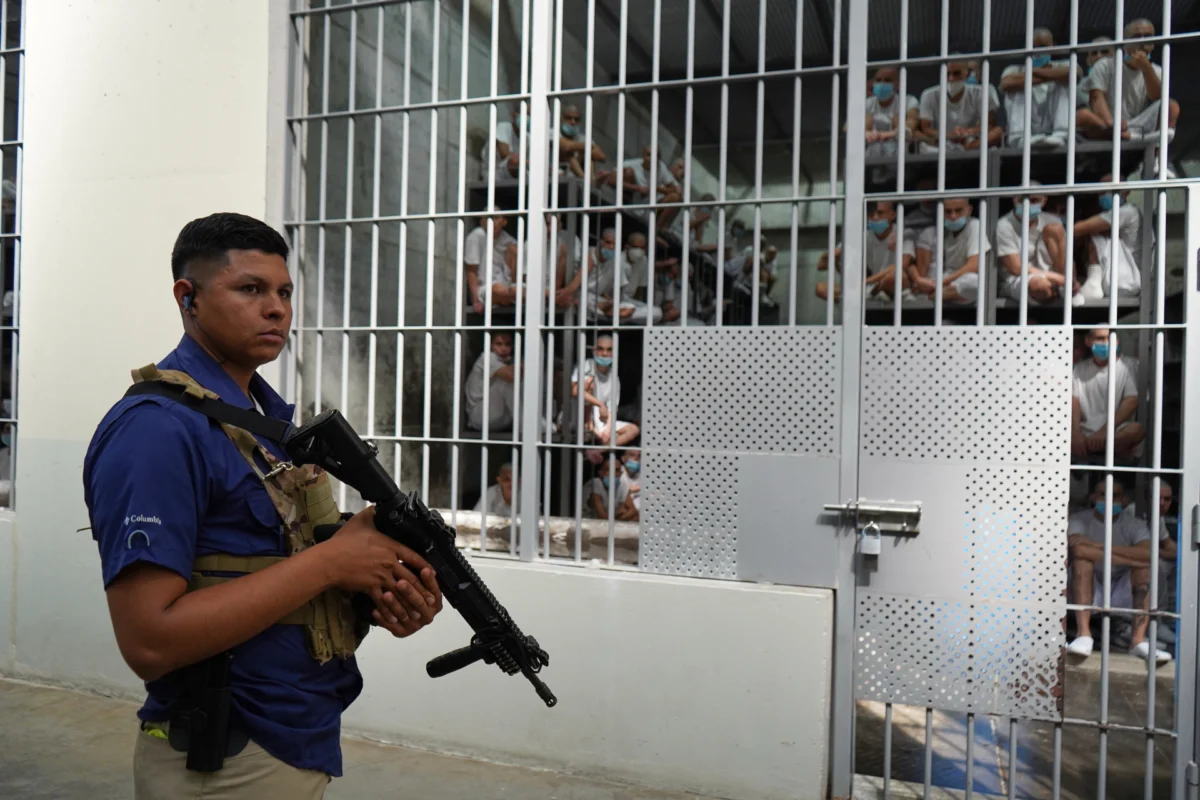
Parallel to these fiscal anxieties is a deep-seated outrage regarding the administration’s governance. Reports of endemic corruption and systemic self-dealing within the executive branch have permeated the public discourse. However, perhaps most volatile is the public’s reaction to the administration’s immigration policy. The implementation of an aggressive, militarized crackdown—characterized by the use of masked agents, the deployment of unmarked vehicles to detain civilians, and reports of lethal force being used against citizens—has sparked widespread condemnation from civil rights groups, international observers, and a segment of the electorate that views these tactics as a departure from democratic governance.
Chronology of a Fractured Electorate
To understand the current political climate, one must look back at the trajectory of the last two years:
- Early 2025: The introduction of the "Security and Sovereignty Initiative," which authorized increased surveillance and the use of specialized, unbadged units for domestic law enforcement.
- Summer 2025: Economic reports indicate that inflation has outpaced wage growth for 18 consecutive months, leading to the first major labor strikes since the 1970s.
- Late 2025: The first major allegations of departmental self-dealing emerge, involving the redirection of federal contracts to firms linked to administration loyalists.
- Spring 2026: Public protests intensify following the broadcast of footage showing the detention of civilians in major metropolitan areas by unidentified agents.
- October 2026: Polling indicates a double-digit lead for the opposition party in both the House and Senate, suggesting a historic electoral shift.
Supporting Data: The Polls and Economic Reality
The data, as compiled by non-partisan outlets like the New York Times and various university polling centers, paint a grim picture for the incumbent party. Current projections suggest that the Republicans could lose upwards of 40 seats in the House and a clear majority in the Senate.
Economic indicators further substantiate the voter’s anger. The Consumer Price Index (CPI) has shown consistent growth in the cost of essential goods, while the "misery index"—the sum of the unemployment rate and the inflation rate—has reached a 40-year high. Furthermore, public approval ratings for the President’s handling of civil liberties have plummeted, with over 60% of independent voters expressing "deep concern" regarding the tactics employed by federal immigration agents.
Official Responses and Administrative Positioning
The White House has remained characteristically combative. When confronted with questions regarding the potential for a midterm loss, press secretaries have pivoted to themes of "deep state interference" and "media bias."
"The President remains focused on the mission," a senior advisor stated in a recent briefing. "He does not look at polls; he looks at the will of the forgotten men and women who put him in office. If the establishment tries to obstruct his agenda, he will bypass them. He is not a man who admits to defeat; he is a man who recognizes a fight."
This stance is a departure from the traditional post-midterm conduct seen in previous administrations. In 2006, after losing control of Congress, George W. Bush famously acknowledged a "thumping." In 2010, Barack Obama characterized his party’s losses as a "shellacking." Both men, despite their ideological differences, used the moment to signal a pivot toward legislative cooperation. In contrast, the current administration’s rhetoric suggests a strategy of total war against the legislative and judicial branches should the election results prove unfavorable.
Implications: A System Under Pressure
The implications of a President who refuses to accept the political reality of an electoral rebuke are profound. If the Republican party suffers a historic defeat and the President responds by attacking the legitimacy of the electoral system itself, the United States faces a constitutional crisis of unprecedented proportions.
1. The Erosion of Institutional Trust
By framing the midterm elections as a "rigged" or "illegitimate" process, the administration risks permanently damaging the public’s faith in the electoral process. If voters believe that their participation is meaningless, the social contract that underpins American democracy begins to fray.
2. Governance by Executive Order
Should the President lose his legislative majority, the likely response will be an increased reliance on executive orders to bypass Congress. This creates a feedback loop: the more the President acts unilaterally, the more the opposition party will seek to constrain him through judicial oversight, further escalating tensions and gridlock.
3. Civil Unrest and Political Polarization
The presence of armed, unbadged agents in American cities, combined with a rhetoric of "us versus them," creates a powder-keg environment. If the President signals that he will not change his policies despite a clear mandate from the voters, supporters and detractors alike may take to the streets in numbers that test the capacity of local law enforcement to maintain order.
4. International Standing
The global community, observing the internal discord, may begin to view the United States as an unreliable partner. The stability of the U.S. political system is a cornerstone of international markets; instability in the capital often leads to volatility in the global economy, impacting everything from interest rates to trade agreements.
Conclusion: The Path Forward
As November 3 approaches, the nation stands at a crossroads. The upcoming election is not merely a contest between two parties; it is a test of whether the American system of checks and balances can survive a leader who views the very concept of a "rebuke" as an attack on his own legitimacy.
History will judge the administration not by its victories, but by its capacity for growth and self-correction. If the President chooses the path of denial and confrontation, the midterm elections may be remembered as the beginning of a dark chapter in American governance—a period defined by the abandonment of the spirit of democratic compromise in favor of a permanent, destructive state of political warfare.
The voters have already begun their work. The question remains whether the halls of power in Washington are capable of listening. As the polls close, the world will be watching to see if the rhetoric of the campaign trail gives way to the solemn responsibilities of the Oval Office, or if the country is destined to descend further into a cycle of recrimination and instability. Regardless of the outcome, one thing is certain: the era of the "unchastened presidency" has arrived, and it is a defining feature of our time.