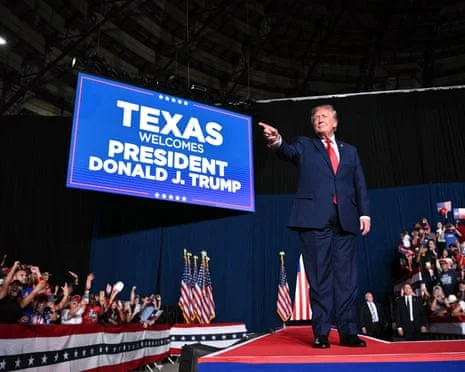
The geopolitical landscape surrounding the Russia-Ukraine war has entered a volatile new phase. As the United States approaches critical midterm elections, President Donald Trump has initiated a controversial "diesel diplomacy" strategy, attempting to leverage a transactional deal with the Kremlin to ease domestic fuel costs. However, this maneuver has triggered a firestorm of diplomatic friction, pitting the White House against Kyiv and threatening to undermine the fragile strategic unity of the Western alliance.
Main Facts: A Transactional Pivot
At the heart of the current crisis is a plan announced by President Trump on Friday to purchase Russian diesel—a move necessitating temporary sanctions relief for Moscow. The administration frames this as a necessary intervention to provide immediate price relief to American consumers and industrial sectors, where diesel prices have surged beyond six dollars per gallon.
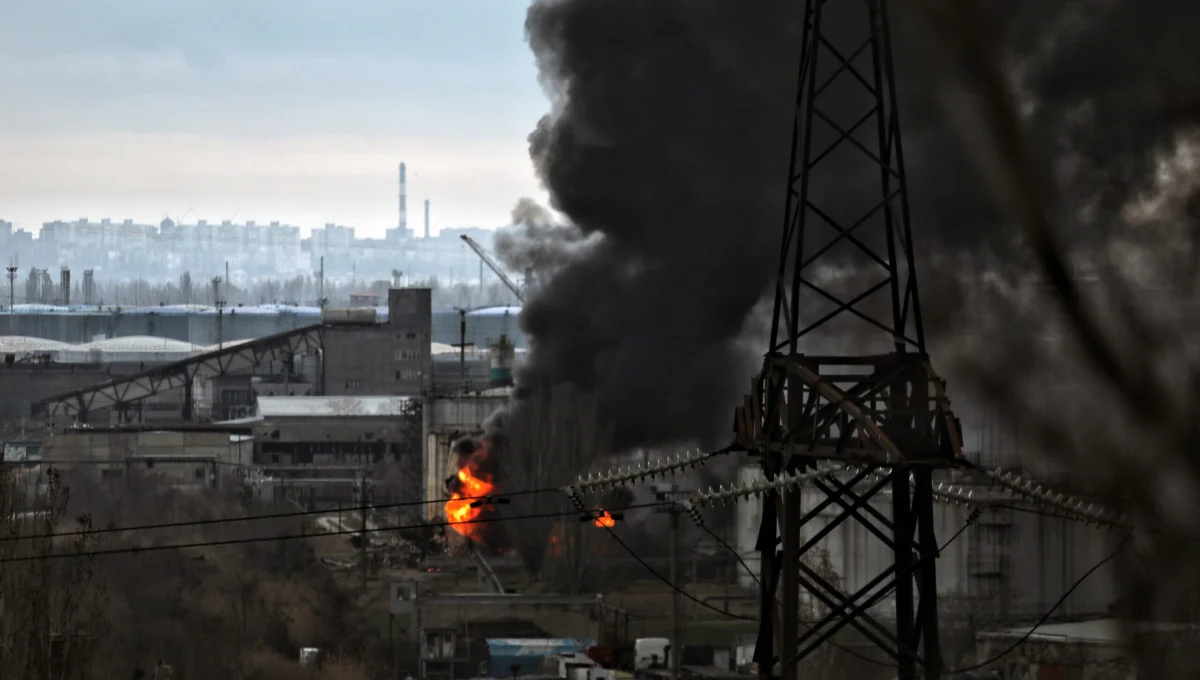
Coupled with this energy trade-off is a proposed "energy ceasefire." On Sunday, President Trump declared that both Moscow and Kyiv had agreed to cease strikes on each other’s energy infrastructure. While President Volodymyr Zelenskyy confirmed that Ukraine would observe a two-day moratorium, the Kremlin has remained conspicuously silent on the ceasefire, and reports indicate that Russian forces have continued their bombardment of Ukrainian power facilities.
This development follows high-stakes peace talks in Miami between US, Ukrainian, and European officials, which were reportedly marred by intense disagreements over Ukraine’s continued targeting of Russian oil refineries. The White House’s insistence that Kyiv curb these strikes has been met with fierce resistance from Ukrainian leadership, who view the refineries as a legitimate and critical lever against the Russian war machine.
Chronology of Escalation
The current state of affairs is the culmination of a tense series of events over the past week:
- October 10: US, Ukrainian, and European negotiators meet in Miami to discuss the trajectory of the war and energy stability. Sharp exchanges are reported between the American and Ukrainian delegations.
- October 12: The White House confirms a deal involving the temporary rollback of sanctions to allow for the importation of Russian diesel.
- October 13: President Trump announces a breakthrough "energy ceasefire" on Truth Social. President Zelenskyy acknowledges the deal, stating Ukraine has halted refinery strikes for 48 hours.
- October 14: Kremlin spokesperson Dmitry Peskov rebuffs a separate, broader Ukrainian proposal for a sixty-day truce, signaling that Moscow has no intention of de-escalating its broader military campaign.
- Ongoing: Despite the administration’s claims of an energy truce, Russian strikes on Ukrainian civilian energy infrastructure continue, casting doubt on the efficacy of the White House’s diplomatic outreach.
Supporting Data: The Economic Calculus
The economic justification for the "diesel deal" has been met with skepticism by energy analysts. According to Reed Blakemore, director of research at the Atlantic Council’s Global Energy Center, the deal is more of a political wager than a sound energy policy.
Global diesel supply remains tight, with a deficit estimated by Kpler at one million barrels per day. The volumes promised by Russia—300,000 metric tons immediately, rising to one million in subsequent months—equate to roughly 150,000 barrels per day when averaged over a quarter. This is a drop in the bucket compared to the United States’ daily consumption of four million barrels.
Furthermore, the operational capacity of Russia’s energy sector is in question. Following months of precision Ukrainian drone strikes, several of Russia’s primary export refineries are either out of service or operating at significantly reduced capacity. Data suggests that Russia’s refined product exports hit a ten-year low in September. Consequently, the fiscal boost for Moscow—estimated by the Atlantic Council’s GeoEconomics Center to be approximately $4.7 billion by year-end—may be decoupled from any actual relief at the American pump, serving instead as an economic lifeline for the Kremlin’s struggling budget.
Official Responses and Diplomatic Friction
The reaction from the diplomatic community has been one of alarm. Daniel Fried, a former US assistant secretary of state, notes that the deal contradicts the 2022 Ending Importation of Russian Oil Act and runs counter to the spirit of the Lindsey O. Graham Sanctioning Russia and Iran Act of 2026.
"The deal encourages Putin to continue his war by suggesting the United States lacks commitment to its own policy of seeking a negotiated end to the conflict," Fried stated. While the Treasury Department has issued a temporary waiver, the legality of the arrangement remains under intense scrutiny from Congress.
In Kyiv, the reaction is one of betrayal. President Zelenskyy has expressed frustration, arguing that limiting strikes on Russian refineries allows Moscow to generate revenue that directly funds the aerial bombardment of Ukrainian cities. The rhetoric between the two leaders has become increasingly intemperate, a development that John Herbst, former US ambassador to Ukraine, describes as a "tactical error" for Kyiv. "Trump has no tolerance for critics," Herbst observed, noting that such public friction only serves to weaken Ukraine’s bargaining position.
Implications for the War and the Alliance
The implications of this "diesel diplomacy" are profound, touching on three critical areas:
1. The Erosion of Sanctions Architecture
By prioritizing short-term domestic political relief, the White House is inadvertently signaling a "sanctions permissiveness." Even if the imported volumes are negligible, the act of reopening trade with Moscow creates a precedent that may embolden third-party nations to ignore existing US and European sanctions regimes. This undermines the long-term goal of isolating the Russian economy.
2. The Vulnerability of the US-Ukraine Partnership
The relationship is currently in a state of crisis, reminiscent of the diplomatic "blowouts" seen in early 2025. Shelby Magid of the Atlantic Council notes that while the bilateral relationship has proven resilient, the current climate is uniquely dangerous. With winter approaching and civilian casualties rising by 55 percent over the last eight months, Ukraine is facing an existential threat. The threat from Washington to cut off intelligence sharing or weapons procurement in response to Ukrainian defiance creates a dangerous power imbalance that benefits Vladimir Putin.
3. Energy as a Weapon of War
Energy infrastructure has become the primary theater of conflict. For Ukraine, defending its grid is a humanitarian necessity; for Russia, the refineries are the engine of its military-industrial complex. By attempting to force a ceasefire on energy infrastructure without securing a broader military cessation, the US risks creating a scenario where Ukraine is forced to stop hitting its enemy’s war chest while continuing to absorb the full weight of Russia’s missile and drone campaign.
Conclusion: A High-Stakes Gamble
As the midterm elections loom, the Trump administration appears to be betting that a perceived cooling of fuel prices will outweigh the long-term strategic cost of softening the stance against the Kremlin. However, the lack of reciprocation from Moscow suggests this gamble may yield the worst of both worlds: persistent domestic fuel pressures and a weakened, fractured Western alliance.
Ultimately, the effectiveness of this policy hinges on whether the administration can pivot from transactional, short-term optics to a comprehensive strategy that forces actual concessions from Moscow. Until then, the "diesel deal" remains a point of contention that threatens to unravel years of carefully constructed diplomatic and military support for Ukraine. The coming weeks will determine whether this is a shrewd political pivot or a costly error in global statecraft.