In the modern professional ecosystem, the concept of a "personal brand" has migrated from the vanity-driven world of celebrity influence to the essential toolkit of every career-minded individual. Whether you are a software engineer, a marketing executive, or an independent consultant, you are already operating a brand. The question is no longer whether you have one, but whether you are the one steering it.
As professional networks shift from physical boardrooms to digital feeds, the public perception of your professional identity—your personal brand—is being shaped by your online footprint, your engagement, and your stated values. To take control of this perception is to move from being a passive participant in your career to an active architect of your own opportunities.
The Core Definition: What is Personal Branding?
At its most fundamental level, a personal brand is the synthesis of your expertise, your professional values, and your unique personality. It is the narrative that follows you into a room before you even speak.
While management consultant Tom Peters famously crystallized this concept in his 1997 Fast Company essay, "The Brand Called You," the advent of social media has democratized the process. Today, a personal brand is not a luxury afforded only to the famous; it is a critical asset for anyone looking to navigate the modern labor market, build authority, or scale a business.
Unlike corporate branding, which is often managed by a marketing department and filtered through strict style guidelines, a personal brand is inherently human. It is written in the first person, driven by individual experience, and aimed at fostering trust rather than mere transaction.
Personal vs. Corporate Branding: A Structural Comparison
| Feature | Personal Branding | Corporate Branding |
|---|---|---|
| Primary Focus | The individual’s expertise | Company products/services |
| Ownership | You (the professional) | Marketing and leadership teams |
| Voice | First-person, authentic, raw | Uniform, brand-aligned, formal |
| Primary Goal | Trust, influence, career mobility | Revenue, brand awareness |
| Home Base | Social profiles, portfolios, talks | Official sites, ads, packaging |
The Chronology of Influence: From Résumés to Reputation
The evolution of professional identity has followed a distinct path. In the late 20th century, a brand was defined by a static document: the résumé. It was a historical record of where you had been.
By the early 2000s, the emergence of professional networking sites like LinkedIn shifted the landscape toward a more permanent, searchable digital identity. This was the "profile era," where static descriptions began to matter.
Today, we are in the "content-as-currency" era. Professionals are now expected to be creators. The most successful individuals are those who demonstrate their competence through consistent, value-driven output—articles, videos, and commentary that prove their expertise rather than just claiming it. This transition has changed the recruitment cycle: top-tier employers and high-value clients now prefer to seek out individuals who have already established a "proof of work" through their personal brand.
Supporting Data: Why Authenticity is the New Gold Standard
The mandate to build a personal brand is supported by shifting consumer and employer sentiment. According to The 2025 Sprout Social Index™, consumers consistently rank authenticity and relatability as the most critical factors in determining brand loyalty. When applied to individuals, this logic holds even more weight.

Furthermore, the 2025 Edelman-LinkedIn B2B Thought Leadership Impact Report indicates that traditional sales methods are seeing diminishing returns. In contrast, professionals who engage in "thought leadership"—sharing expert insights in their own voice—are significantly more likely to be trusted by stakeholders and potential clients.
Data also suggests that the barrier to entry is lower than many fear. Research from the 2026 Sprout Social Influencer Marketing Report highlights that a mere 17% of consumers prioritize a creator’s follower count when determining whether to engage with them. This reveals a profound truth: modern audiences are not chasing scale; they are chasing relevance. They are looking for specific, actionable insights from credible voices, regardless of whether that voice has ten thousand or ten million followers.
The Strategic Framework: 7 Steps to Building Your Brand
Building a brand is not a sprint; it is a long-term professional development project. To do it effectively, follow this structured approach:
1. The Audit: Where Do You Stand?
Before you can build, you must understand your current baseline. Conduct a "personal brand audit." Search your own name on Google and social platforms. Does the content that appears align with the professional identity you want to project? Identify the gap between your current perception and your desired destination.
2. Platform Selection
Do not attempt to be everywhere at once. Choose one primary platform that aligns with your audience.
- LinkedIn: Best for B2B, executives, and career growth.
- TikTok/Instagram: Ideal for visual, lifestyle, or educational creators.
- Substack: The gold standard for deep-dive, long-form thought leadership.
3. Defining Your Value Proposition
You need a "personal brand statement." This should be a one-sentence declaration of who you serve, the problem you solve, and the unique perspective you bring to that solution. For example: "I help early-stage founders turn complex customer data into actionable growth strategies."
4. Consistent Creation
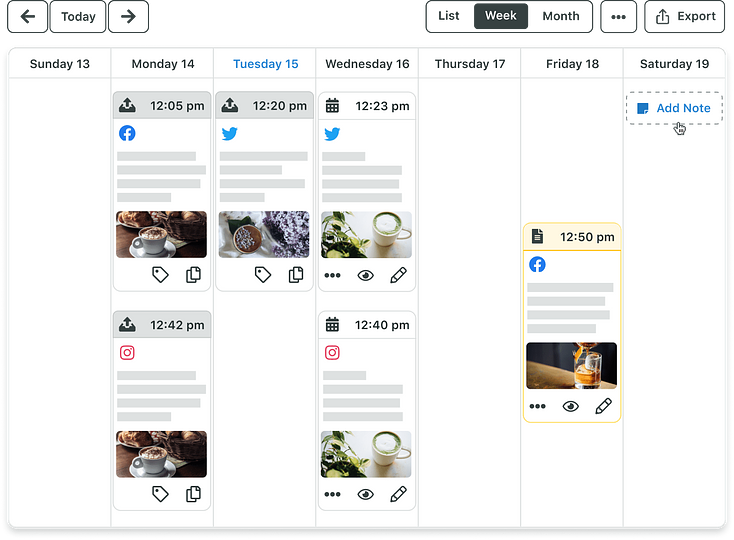
Consistency is the mechanism of trust. If you post sporadically, you signal that your brand is a hobby. If you maintain a consistent cadence, you signal that your brand is a reliable resource. Use scheduling tools to ensure your voice remains present even when you are busy with your day-to-day responsibilities.
5. Prioritize "Human" Content
The modern audience is fatigued by overly polished, corporate-speak content. Lean into your humanity. Share the challenges you’ve faced, the lessons you’ve learned, and the honest opinions you hold about your industry. This is what creates the "relatability" factor that the data shows is so highly prized.
6. Measure and Pivot
Treat your personal brand like a business unit. Use analytics to track which topics drive the most meaningful engagement. If your audience responds to case studies but ignores opinion pieces, pivot your strategy accordingly.
7. Protect Against Burnout
Personal branding is a marathon. To avoid exhaustion, focus on quality over quantity. Remember that your brand is meant to serve your career, not consume it. Build in cycles of rest to maintain the energy required for genuine engagement.
Official Perspectives: The Role of Employee Advocacy
Organizations are increasingly viewing personal branding not as a threat, but as a competitive advantage. This is known as "employee advocacy." When employees are empowered to share their expertise, the parent company benefits from a humanized, credible voice that reaches audiences where corporate accounts cannot.
Industry case studies, such as the implementation of advocacy programs at firms like Infor, demonstrate that scaling a personal brand culture can yield massive results. In a single month, thousands of employee-led posts can generate six-figure earned media value, proving that the most powerful marketing channel a company has is often its own workforce.
Implications for the Future of Work
The rise of the personal brand has profound implications for the future of employment. As the gig economy expands and the traditional career ladder continues to flatten, your personal brand acts as a form of portable professional insurance.
It provides you with a "community-first" approach to career growth. When you cultivate a following, you are essentially building a professional network that exists independently of any single employer. This gives you greater bargaining power, more job security, and the ability to pivot into new industries with a pre-existing base of supporters.
However, the rise of this trend also brings a warning: in an age of AI-generated content, the "human" element of your brand will become your most valuable asset. The ability to express unique, lived experience—the nuances of a failed project, the specific frustration of a client, or the joy of a breakthrough—is something that no algorithm can currently replicate.
Conclusion: Starting Your Journey
Building a personal brand does not require a magnetic personality or a high-production studio. It requires only two things: the courage to share your perspective and the discipline to do it consistently. Start today by identifying your core value, auditing your digital footprint, and committing to a small, sustainable content schedule. In a crowded digital marketplace, the most effective way to be seen is to simply, and consistently, be yourself.