In the modern academic landscape, the ivory tower has gone digital. For colleges and universities, social media is no longer a peripheral marketing experiment; it is the primary gateway through which prospective students, alumni, and faculty interact with an institution’s brand. As we navigate 2026, the expectations of Gen Z and Gen Alpha have shifted dramatically: they are no longer looking for polished, corporate brochures. They are searching for authentic, peer-led storytelling that mirrors the lived reality of campus life.

The State of Play: Why Social Media Defines Modern Education
The shift toward a "social-first" university model is driven by data. According to recent reports from RNL, over 56% of prospective students identify social media as the most significant influence during their initial college search—long before they ever click on an official admissions page or schedule a campus tour.

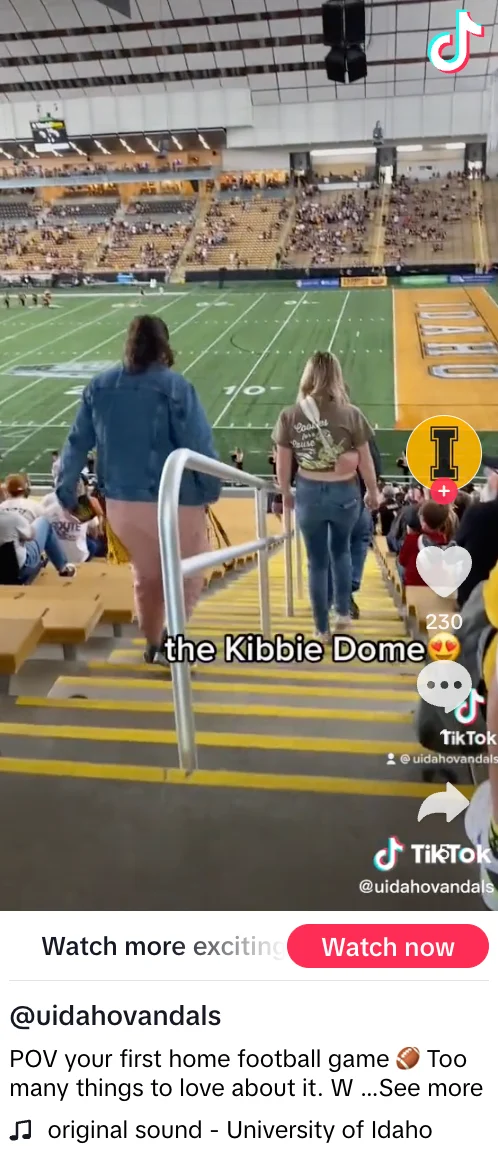
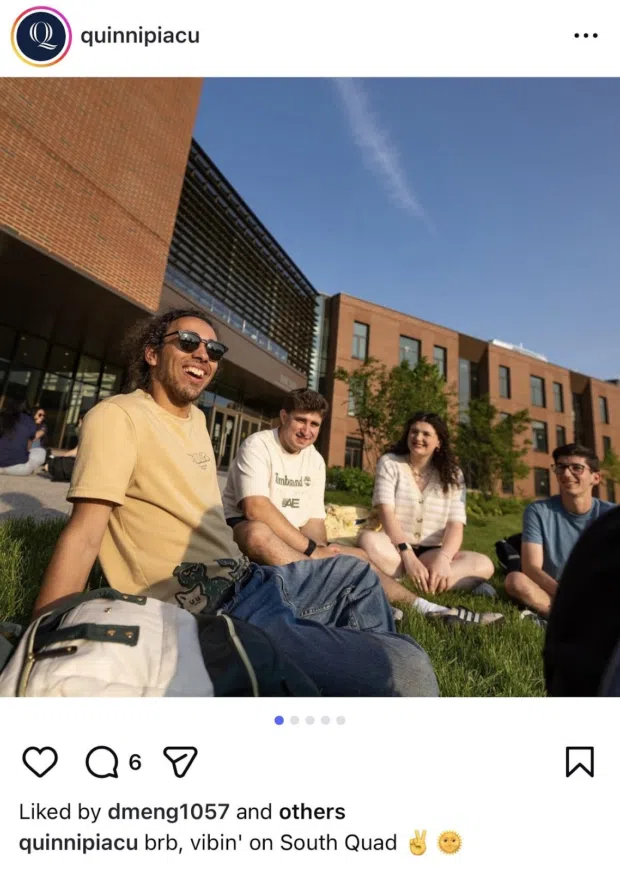
This early-stage discovery is the "make or break" moment for enrollment. A university’s social footprint serves as a proxy for institutional quality. When a prospective student scrolls through an Instagram feed or a TikTok channel, they are looking for "proof of life." They want to see the texture of the experience: the spontaneity of a sunny day on the quad, the passion of a faculty-led debate, and the tangible community that awaits them.
Chronology of the Digital Shift
- The Early 2010s: Universities treated social media as a secondary news feed, focusing on press releases and formal announcements.
- The Mid-2010s: The rise of influencer culture forced a pivot toward high-production-value video and aesthetic-heavy feeds.
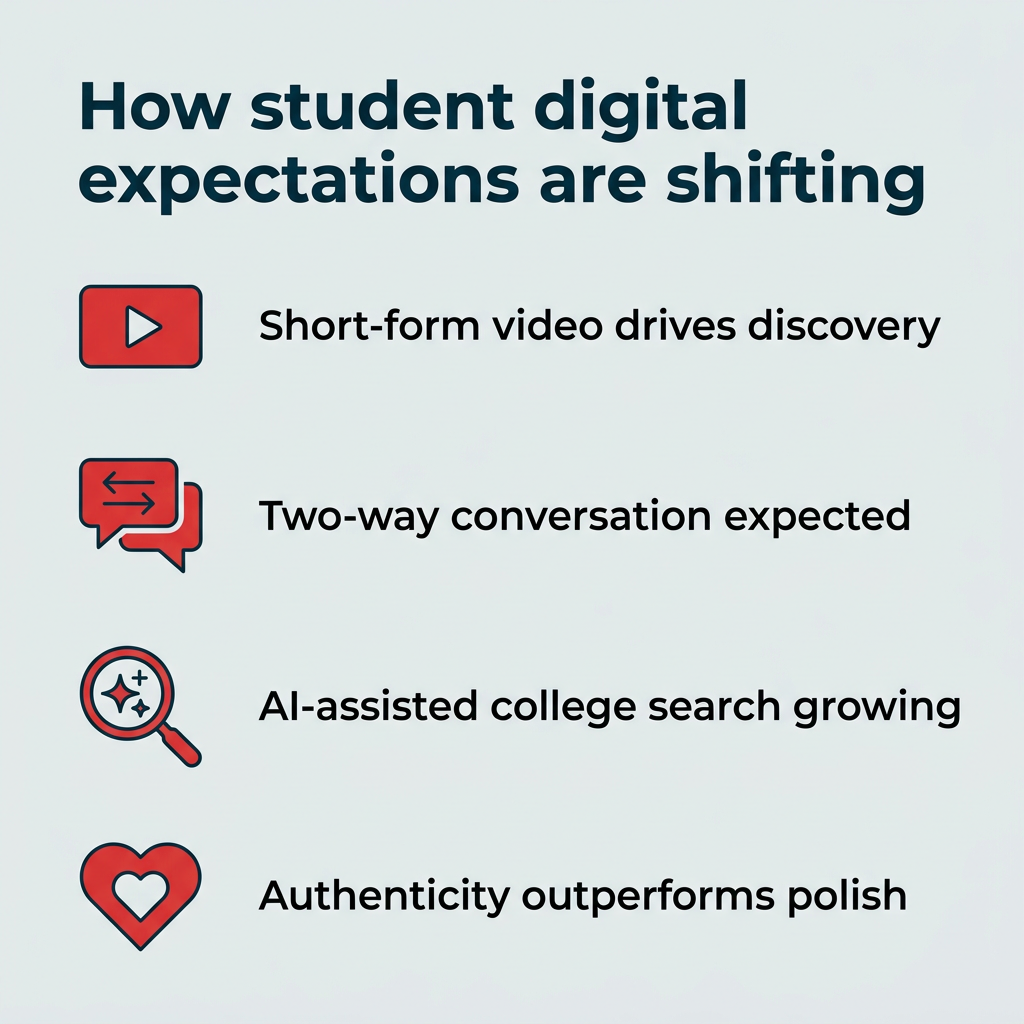
- The 2020s (Post-Pandemic): The focus shifted to "Radical Authenticity." As digital fatigue set in, students began favoring raw, lo-fi, and user-generated content over over-edited advertisements.
- 2026 and Beyond: We are currently in the era of "Community Intelligence." Institutions are using social listening tools not just for marketing, but for real-time crisis management, student support, and academic collaboration.
Supporting Data: The ROI of Engagement
For administrators concerned with the bottom line, the metrics are clear: social media is a powerful engine for institutional health.
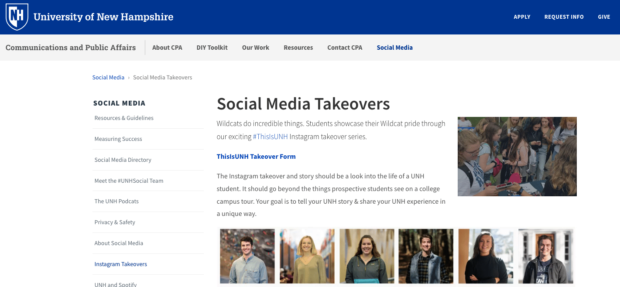
- Enrollment Pipeline: Social media engagement correlates directly with application volume. High-intent students engage with virtual tours, Q&A sessions, and student ambassador takeovers.
- Alumni Lifetime Value: Alumni who remain connected via social media are statistically more likely to contribute to annual funds and participate in homecoming events.
- Advocacy Multipliers: Content shared by students, faculty, and alumni—"advocates"—receives significantly higher engagement than content posted by official university handles. This "organic" reach acts as a trusted referral, which is the gold standard in digital marketing.
Strategic Pillars for the Modern University
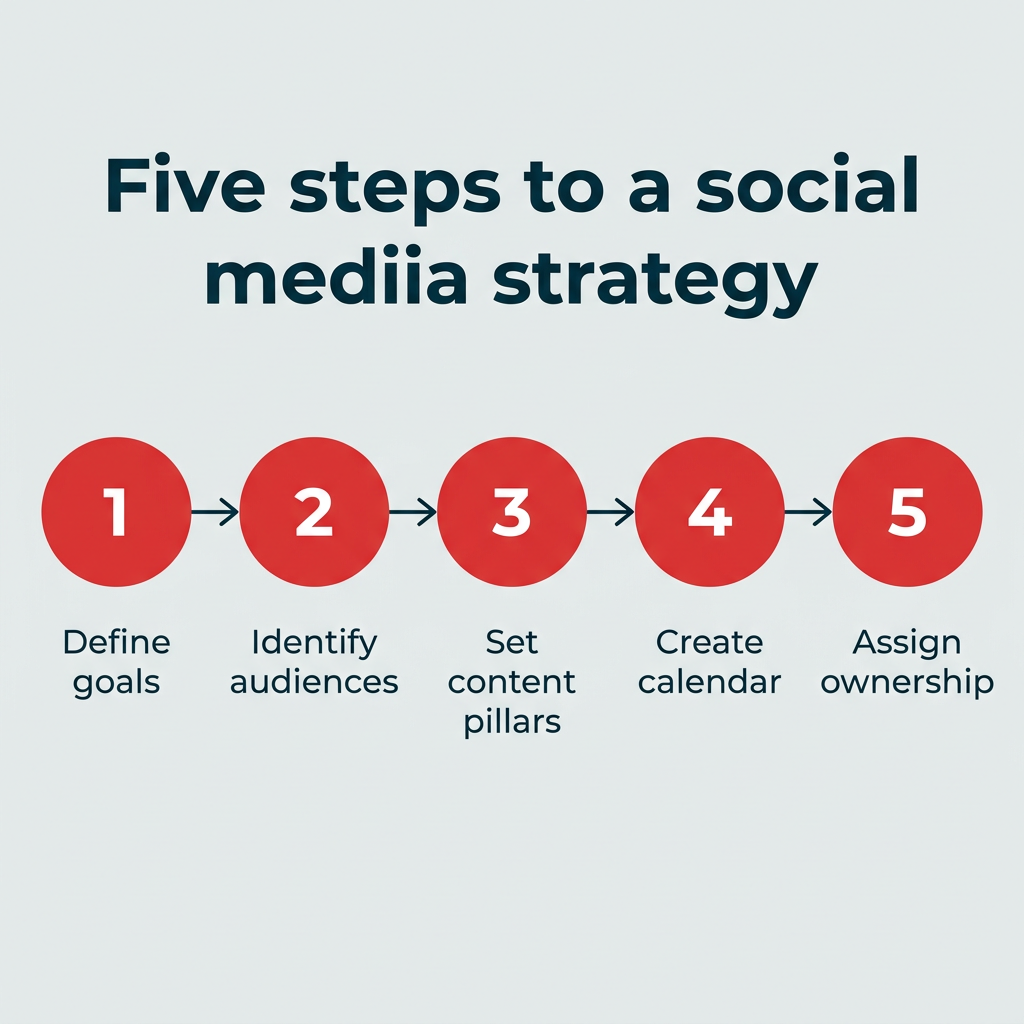
To excel in this environment, institutions must move beyond the "one-person-show" social model. A successful strategy in 2026 requires a multi-layered approach.
1. The Power of User-Generated Content (UGC)
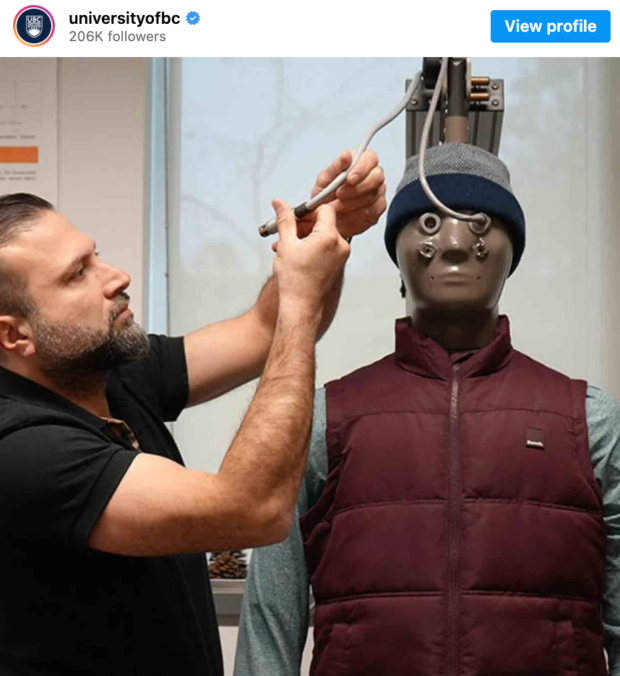
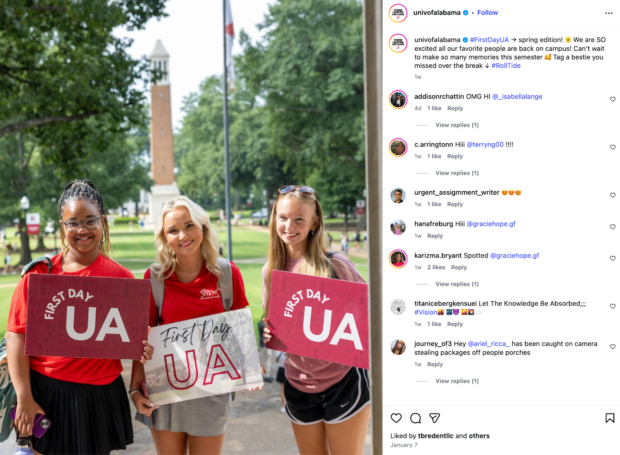
Students are digital natives who create content 24/7. Universities that tap into this—by encouraging hashtags like #FirstDayUA or #LifeAt[UniversityName]—effectively outsource their content production to those who know it best. Reposting authentic student perspectives is not just a cost-saving measure; it is a trust-building exercise.
2. Decentralized Governance, Centralized Strategy
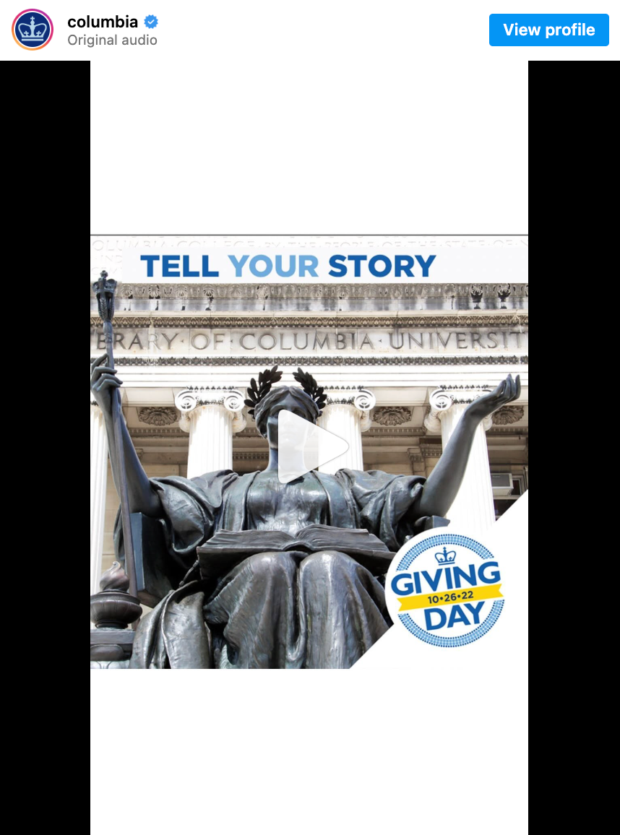
A university is a massive entity with diverse departments—athletics, admissions, research, and alumni relations. The most successful institutions use centralized social media management platforms to ensure brand consistency across all accounts. By providing department heads with clear guidelines and templates, a university can maintain its voice without stifling the creativity of individual departments.
3. Crisis Management and Real-Time Responsiveness
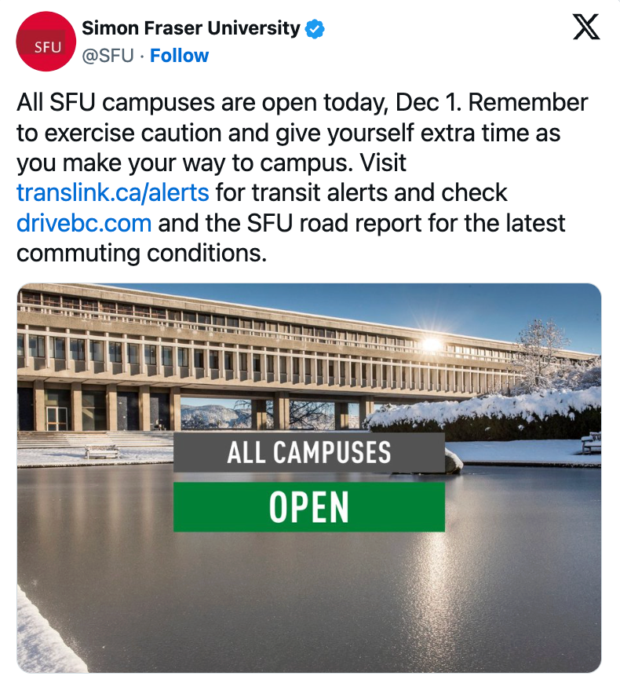
In the age of viral discourse, a university’s response to campus events, weather emergencies, or broader social movements defines its reputation. Social media is now the primary channel for crisis communication. A proactive plan—one that allows for instant updates across all platforms simultaneously—is essential for maintaining community trust.
Implications for Institutional Leadership
The transition to a digital-first environment has significant implications for how universities are run. It necessitates a closer integration between the Office of Communications and other internal departments.
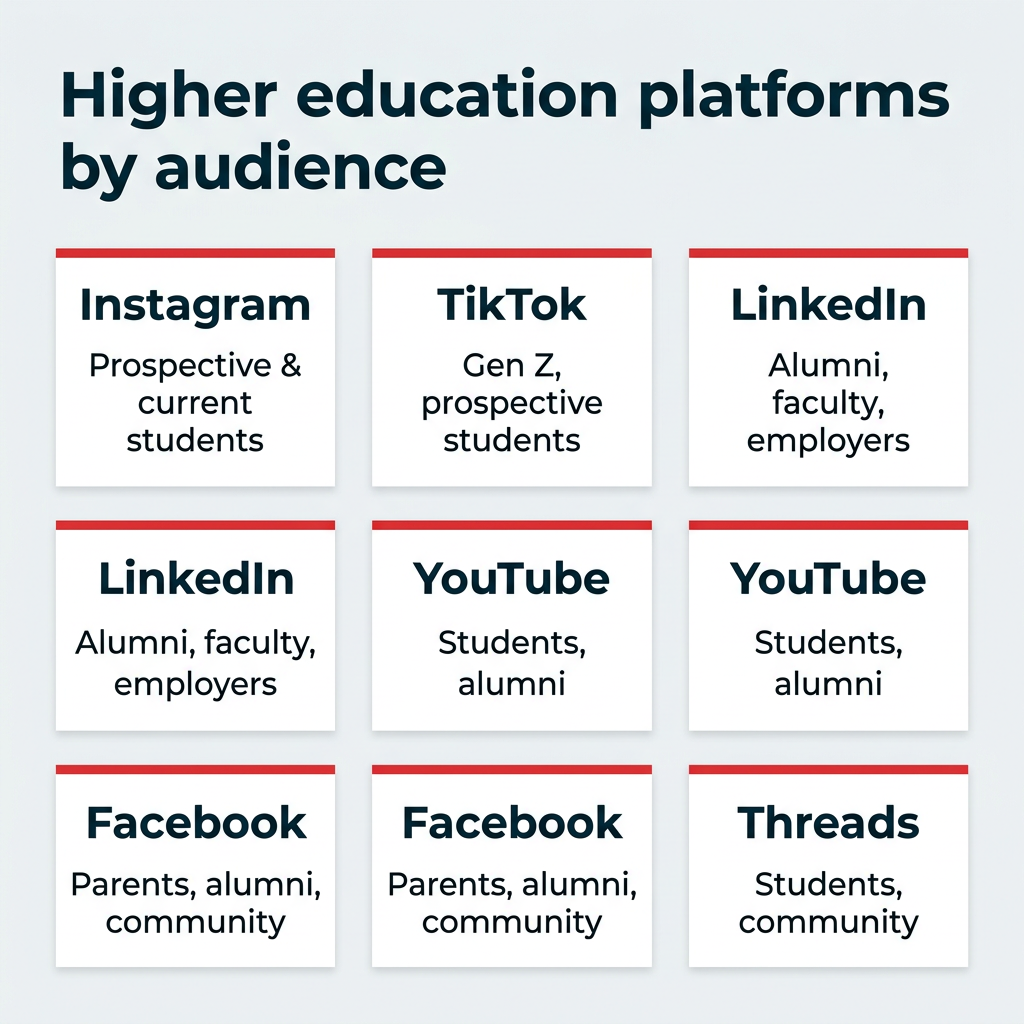
Bridging the Gap: Social CRM
Integrating social media with Customer Relationship Management (CRM) systems is the next frontier. When a prospective student interacts with a post about a scholarship, that engagement should be tracked, logged, and followed up on by the admissions team. This data-driven approach allows for personalized outreach that feels organic rather than intrusive.
The Rise of the "Digital Classroom"
Libraries and professors are increasingly using social platforms as pedagogical tools. From using hashtags to track class discussions to building private groups for project collaboration, social media is evolving into a supplemental digital classroom. This teaches students essential real-world skills: digital literacy, information verification, and responsible online communication.
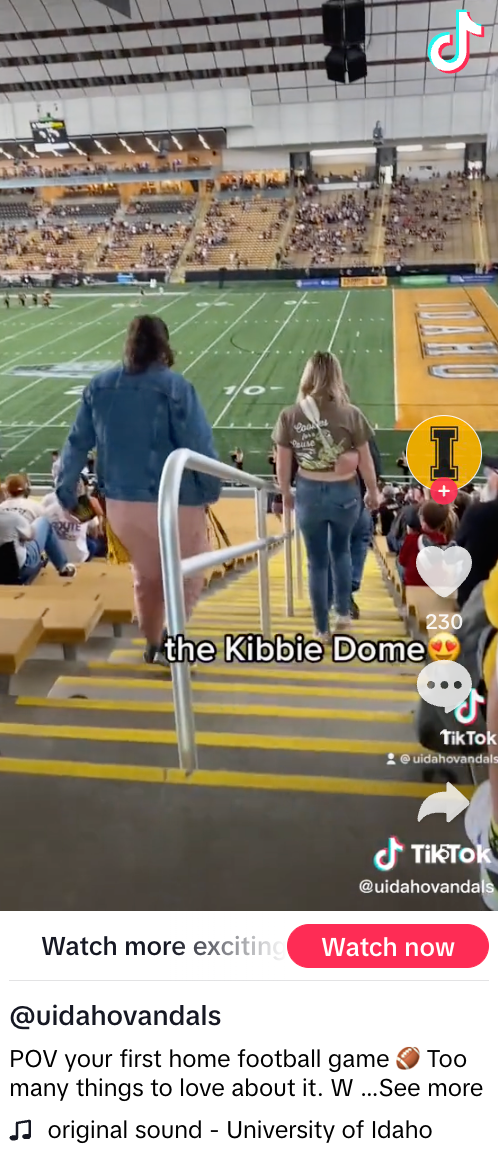
Official Perspectives: The Value of Authenticity
Top-tier universities are no longer aiming for "perfection." Instead, they are aiming for "connection."
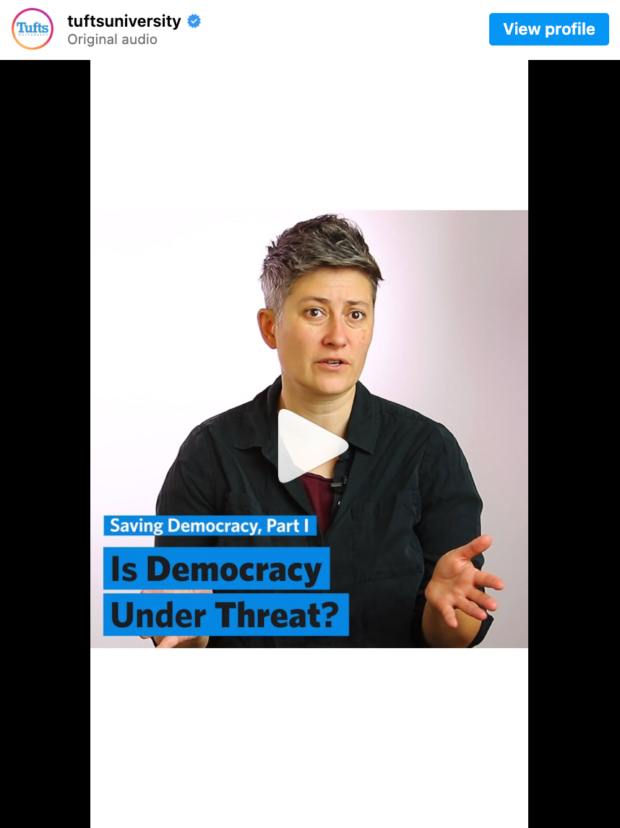
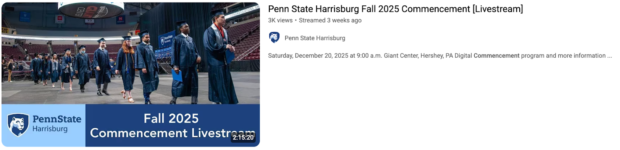
Consider the University of Miami’s approach to TikTok or Tufts University’s faculty-led video series. These institutions understand that the goal is to make the university feel familiar. By featuring real students and real researchers, they break down the barrier between the applicant and the institution.
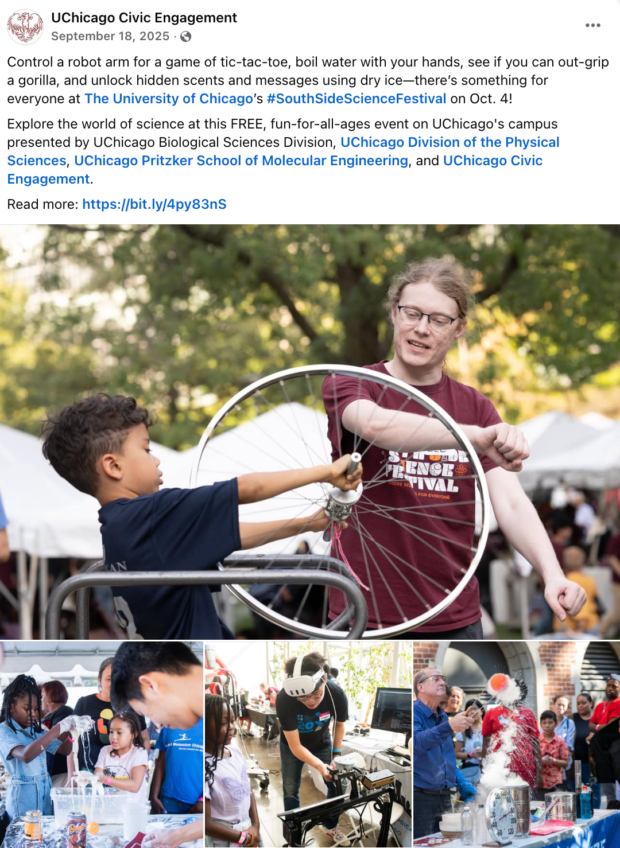
As noted by communications experts, the "Broadcast Era" of university marketing is over. We have entered the "Conversation Era." Institutions that insist on broadcasting top-down, sterile messaging are finding themselves ignored by a generation that values transparency above all else.
Conclusion: The Path Forward
For higher education institutions, the path forward in 2026 is defined by a commitment to three principles: Authenticity, Governance, and Measurability.

- Authenticity: Let the students speak. Your best content will always be the raw, unscripted moments of campus life.
- Governance: Equip your team with the right tools and policies. Clear guidelines empower staff to be creative while protecting the institution’s brand reputation.
- Measurability: You cannot manage what you do not measure. Use analytics to align your social media goals with broader institutional objectives, such as enrollment targets and donation growth.
As the lines between physical and digital campuses continue to blur, the universities that succeed will be those that treat their social media presence not as a billboard, but as a living, breathing community hub. By fostering genuine connections and embracing the evolving digital expectations of the next generation, institutions can ensure they remain relevant, vibrant, and accessible in an increasingly crowded global market.
The digital transformation of higher education is not a future goal; it is the current reality. Those who embrace it fully will be the ones leading the charge in the years to come.