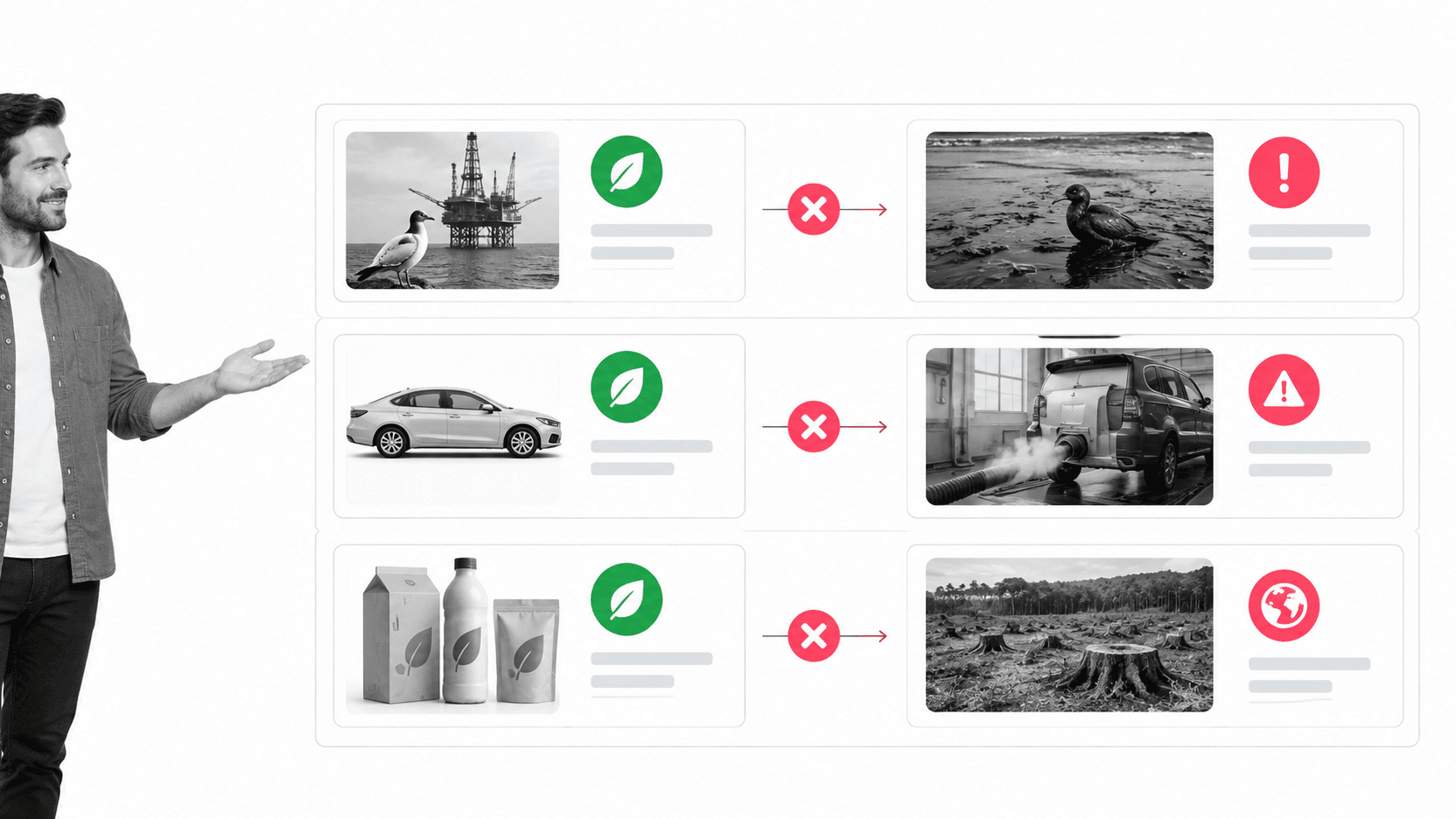
In an era where environmental consciousness drives global consumer behavior, "greenwashing"—the practice of masking corporate environmental impact with vague or unsubstantiated sustainability claims—has evolved from a minor marketing nuisance into a significant ethical and operational crisis. As businesses rush to capitalize on the growing demand for planet-friendly goods, the gap between the glossy promises of "eco-friendly" branding and the gritty reality of operational impact has widened.
For the modern enterprise, greenwashing is no longer just a reputation issue; it is a failure of internal controls. When companies decouple their marketing language from their operational evidence, they invite regulatory scrutiny, consumer backlash, and long-term financial risk. This report explores the mechanics of greenwashing, the historical evolution of the phenomenon, and the imperative for organizations to transition from performative branding to documented, verifiable sustainability.

The Anatomy of Greenwashing: A Definition
Greenwashing represents an fundamental imbalance between a company’s public claims regarding environmental stewardship and the actual time, capital, and resources allocated to minimizing its ecological footprint. It is essentially a "marketing gimmick" designed to deceive the ecologically conscious consumer.
The problem lies not merely in optimistic language, but in the deliberate obfuscation of a product or service’s full life-cycle impact. While a company might highlight a single "green" attribute—such as recyclable packaging—it may simultaneously ignore a massive carbon-intensive supply chain or the destruction of biodiversity in its manufacturing processes. This selective transparency is the hallmark of greenwashing.

Historical Chronology: From Beachcomber to Global Scrutiny
The term "greenwashing" was coined in 1986 by American environmentalist Jay Westerveld, who identified the irony of the "save the towel" movement within the hotel industry. During a stay at the Beachcomber Island Resort, Westerveld noted signs asking guests to reuse towels to "save the environment." While the request appeared virtuous, the resort was concurrently pursuing aggressive expansion plans that threatened fragile surrounding coral reefs. The disconnect was stark: the resort prioritized the minor cost savings of reduced laundry while actively contributing to significant habitat destruction.
This historical anecdote remains relevant today. The pattern has repeated across decades, shifting from local resorts to multinational corporations:

- The Chevron Era: In the 1980s and 90s, Chevron’s "People Do" campaign featured wildlife-friendly imagery of employees protecting sea turtles and bears. Critics noted that the multimillion-dollar ad spend on these campaigns dwarfed the actual cost of the environmental programs themselves, all while the company faced major litigation over pollution and Clean Air Act violations.
- The DuPont Case: In 1991, DuPont utilized high-production-value advertising featuring marine life set to Beethoven’s Ode to Joy to promote their "double-hulled" tankers. Despite the inspiring visuals, environmental groups labeled the company a primary U.S. corporate polluter, highlighting the vast chasm between single-issue technical upgrades and total company performance.
- The Volkswagen Scandal: The 2015 "Clean Diesel" crisis marked a turning point in how regulators view environmental claims. Unlike vague slogans, VW marketed specific, testable performance metrics. The revelation that software was installed specifically to manipulate emissions tests proved that when marketing claims are divorced from reality, the fallout—in this case, billions in fines and a total loss of consumer trust—is catastrophic.
Supporting Data: The Consumer-Corporate Disconnect
The prevalence of greenwashing is fueled by a mismatch in expectations. According to a 2024 PwC global consumer survey, 80% of respondents expressed a willingness to pay a premium for sustainably produced goods, with an average stated premium of nearly 10%.
Marketers often treat this demand as a license for broad, unqualified promises. However, the data suggests that this is a dangerous strategy. A 2020 review by the European Commission found that 53.3% of environmental claims in the marketplace were vague, misleading, or unfounded, and 40% lacked any supporting evidence whatsoever. When consumers—who are increasingly savvy—discover these gaps, the trust deficit created is often permanent.

Implications: The Risks of the "Green" Facade
Why do companies continue to engage in greenwashing despite the clear risks? Often, it is a short-term trade-off: the immediate sales lift provided by a "green" label is prioritized over the long-term investment required to fundamentally re-engineer business processes. However, the risks are multifaceted:
- Legal and Regulatory Risk: Advertising watchdogs and government bodies like the FTC (U.S.) and the European Commission are increasingly tightening the definitions of "green," "eco-friendly," and "sustainable." Unqualified claims now carry the threat of massive litigation and forced public retractions.
- Operational Risk: Greenwashing masks the very inefficiencies that threaten a business’s long-term viability. By focusing on marketing rather than operational improvement, companies ignore supply chain vulnerabilities, resource scarcity, and climate-related operational disruptions.
- Reputational Decay: Modern consumers have access to unprecedented amounts of data. When a company is caught in a greenwashing scandal, the "tarnished reputation" is not merely a branding issue—it is a signal to investors and employees that the organization lacks internal integrity and process discipline.
Moving Toward Credibility: A Framework for Change
True sustainability is not a marketing layer; it is an operating discipline. To avoid the trap of performative environmentalism, organizations must adopt a rigorous, evidence-based approach to their sustainability communications.

1. Document the Evidence
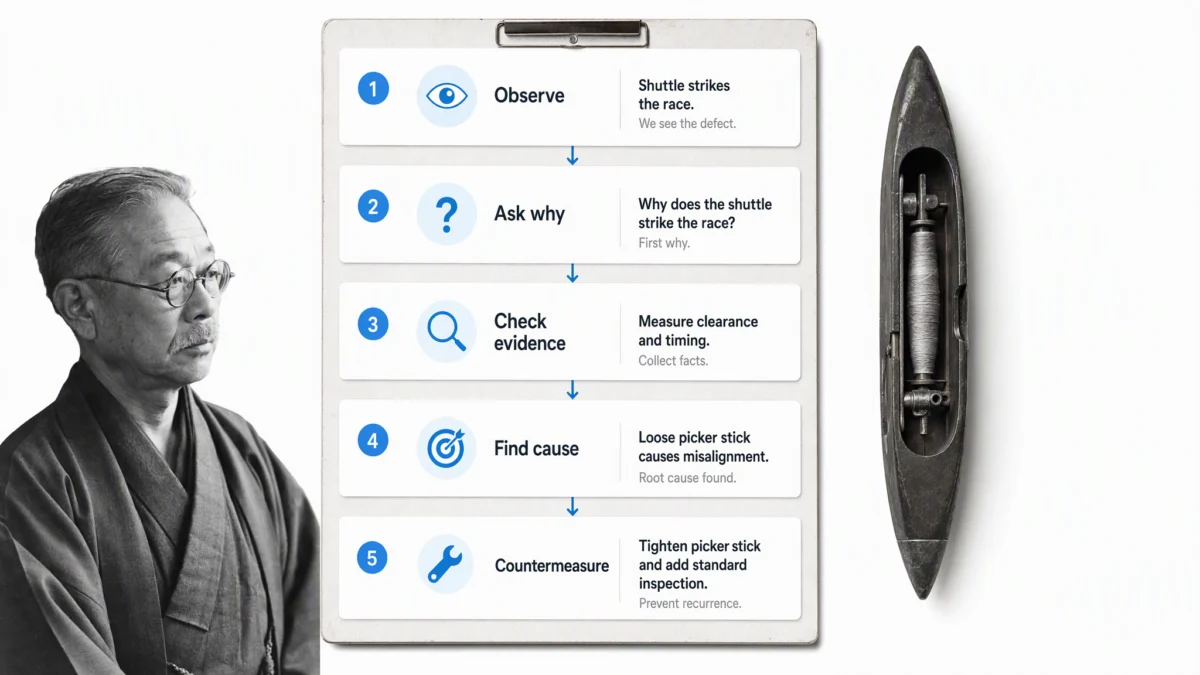
A claim is only as strong as the evidence supporting it. Before a marketing team promotes an environmental benefit, the operational data—such as emissions records, life-cycle assessments, or independent audit reports—must be collected and verified. If a claim cannot be tested, it should not be made.
2. Define Clear Boundaries
Broad claims like "100% green" are inherently misleading because no business operation is entirely without impact. Credible companies define the exact scope of their claims. For example, instead of claiming to be "sustainable," a company should state, "We have reduced carbon emissions in our distribution centers by 15% since 2022 through a transition to solar power."
3. Establish Internal Controls
Sustainability should be treated with the same rigor as financial accounting. Companies should implement "Greenwash Prevention Checklists" that mandate approval from legal, operations, and compliance teams. This ensures that public-facing messaging aligns with internal realities.
4. Continuous Improvement vs. Perfection
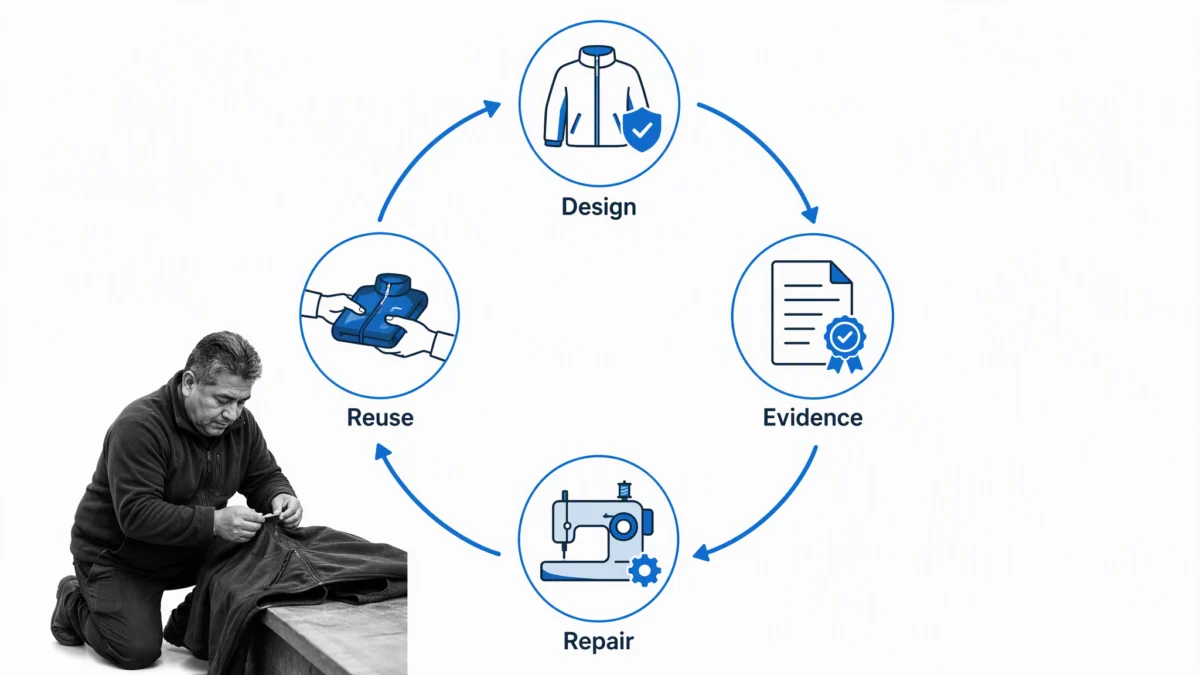
A credible green company does not pretend to be perfect. Programs like Patagonia’s "Worn Wear" succeed not because they claim to be zero-impact, but because they provide a transparent, repeatable, and customer-centric approach to circularity. They acknowledge the challenges of their industry and report on progress, rather than hiding the tradeoffs behind vague imagery.

Conclusion: The Path Forward
The "right-to-know" principle, as articulated by Rachel Carson in Silent Spring, serves as a guiding light for the modern corporate landscape. Consumers have a right to understand the environmental costs of the products they purchase.
The future of sustainable business lies in the move from rhetoric to accountability. By treating sustainability as a series of documented processes rather than a collection of campaign slogans, businesses can build resilience, earn genuine consumer trust, and contribute to the ecological systems upon which all commerce ultimately depends. The era of the "green facade" is closing; the era of transparent, data-backed operational excellence is here. Those who build their sustainability programs on a foundation of verifiable evidence will not only survive the scrutiny of the market—they will lead it.