
By Rosemary Potter
The global scramble for artificial intelligence (AI) dominance has shifted from the realm of software code to the physical reality of concrete, copper, and cooling systems. As hyperscalers and cloud service providers race to build the infrastructure capable of processing unprecedented volumes of data, Vietnam has emerged as a high-potential frontier. Moving beyond its reputation as a manufacturing powerhouse, the nation is now rapidly pivoting to position itself as a pivotal node in the global digital architecture, aiming to bridge the gap with regional tech giants like Singapore, Malaysia, and Thailand.
The New Strategic Asset: Data Centers in Vietnam
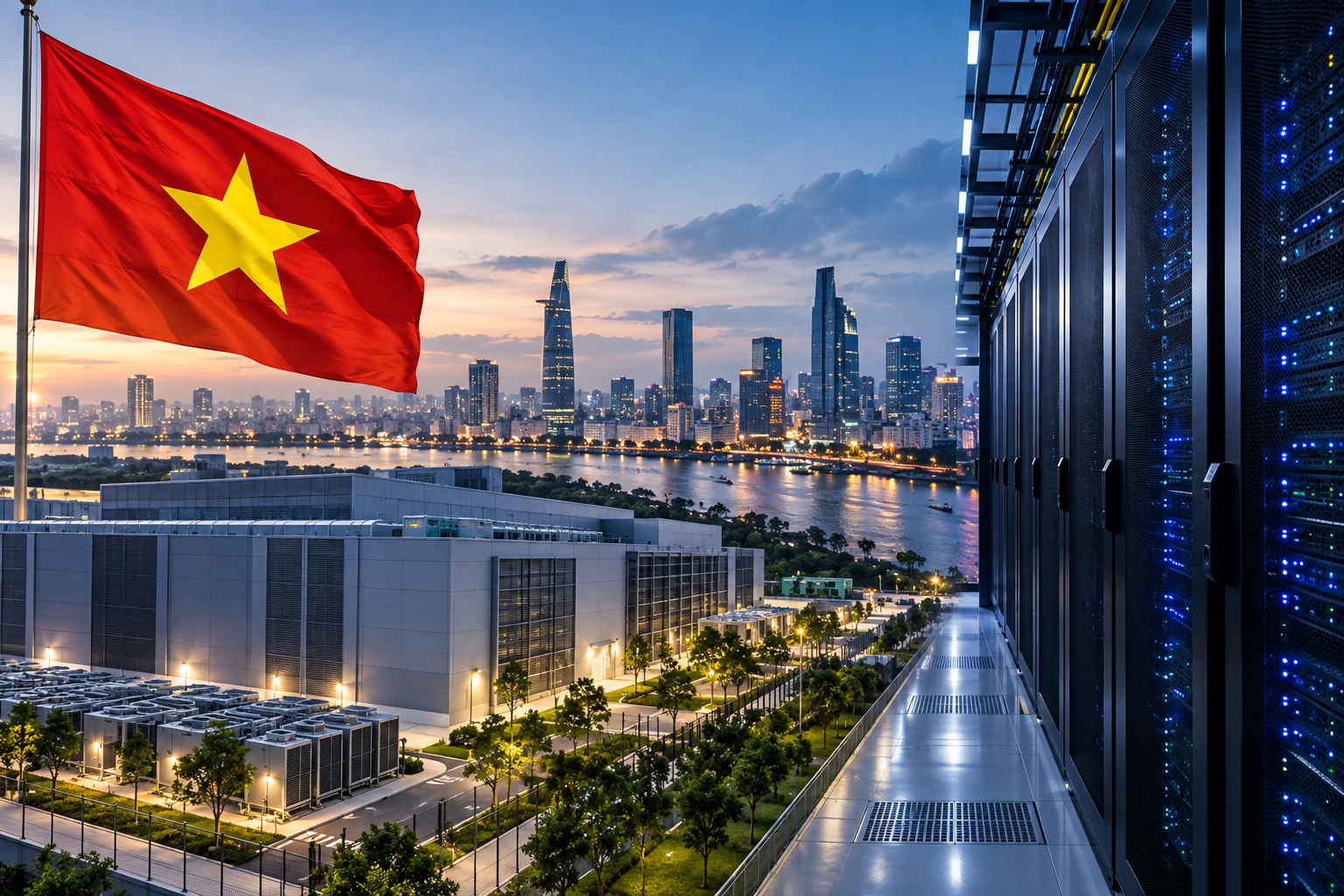
The transformation of Vietnam’s digital landscape is most visible in the industrial corridors surrounding Ho Chi Minh City. While the city already hosts approximately 20 operational facilities, the current wave of development represents a fundamental shift in scope. These are no longer simple IT hosting closets; they are massive, purpose-built hyperscale data centers designed to handle the intense computational load required by generative AI, machine learning, and cloud-native applications.
This evolution is fueled by a confluence of favorable demographics—a young, tech-savvy population—and a government-led push toward national digitalization. As businesses and state agencies accelerate their adoption of cloud services, the demand for local, high-performance computing infrastructure has moved from a convenience to a necessity.
Multi-Billion Dollar Capital Influx: A Chronology of Growth
The scale of capital currently flowing into the Vietnamese market is staggering. The investment climate has been significantly bolstered by a 2025 regulatory update that allows foreign investors to hold 100% ownership in data center service providers. This legislative opening has acted as a catalyst for a series of high-profile projects.
Key Developments and Project Milestones:
- July 2025: The SGI-HCM Campus project in the Tan Phu Trung Industrial Park reaches a critical milestone, securing its investment registration certificate.
- Late 2026 (Projected): The SGI-HCM complex, a collaboration between Kinh Bac City, Accelerated Infrastructure Capital, and VietinBank, is slated to enter its next phase of development. With an investment value of approximately $2.1 billion, it stands as a cornerstone of the nation’s digital ambition.
- Ongoing (2025–2026): A high-stakes consortium—featuring UAE-based G42, Microsoft, FPT, Viet Thai, and VinaCapital—is in advanced discussions regarding a $2 billion facility explicitly designed to support AI processing.
- Continuous Engagement: International heavyweights, including partnerships between BW Industrial Development, Warburg Pincus, Digital Realty, Sembcorp, NTT Global Data Centers, and CMC, are currently advancing multiple projects, each representing hundreds of millions of dollars in capital expenditure.
These figures underscore a broader trend: data centers are being reclassified as "strategic assets." In the same way that highway systems and ports defined the industrial age, these data hubs are becoming the critical infrastructure upon which the future Vietnamese digital economy will be built.
Supporting Data: Scaling the Digital Horizon
The sheer growth trajectory of this sector is capturing the attention of global analysts. According to projections from Savills Vietnam, the country’s total data center capacity is on a steep upward climb. From a baseline of approximately 525 MW in 2025, capacity is expected to swell to nearly 950 MW by 2030.
The financial outlook is equally robust. Industry revenues are forecasted to eclipse $3 billion by 2031. With a compound annual growth rate (CAGR) exceeding 20%, the data center segment is arguably the most dynamic engine within Vietnam’s burgeoning digital economy. This growth is not accidental; it is the product of an economy that is pivoting toward high-tech manufacturing and digital services, supported by a government that recognizes data localization as a tool for national sovereignty and economic security.
Regulatory Evolution and Official Stance
The Vietnamese government’s decision to allow full foreign ownership of data center companies is perhaps the most significant policy change in the sector’s history. By removing equity caps, Hanoi has effectively signaled to the world that it is open for business, intending to remove the "entry friction" that previously diverted foreign capital to Malaysia or Thailand.
Furthermore, evolving rules regarding data localization—which encourage, and in some cases mandate, that specific categories of data be stored and processed within national borders—are creating a guaranteed "floor" for domestic demand. This provides the predictability that institutional investors and global REITs (Real Estate Investment Trusts) require before committing to long-term infrastructure projects.
Implications: The Looming Challenges of Power and Connectivity
While the momentum is palpable, the path to becoming a regional digital hub is fraught with structural hurdles. The most immediate and critical challenge is the availability and reliability of electricity.
The Power Paradox
Data centers are among the most power-hungry facilities on the planet. The high-density computing required by AI creates massive heat signatures, necessitating continuous, uninterrupted power for cooling and processing. Vietnam’s current energy mix is undergoing a transition, but the speed of grid expansion remains a point of concern for international operators.
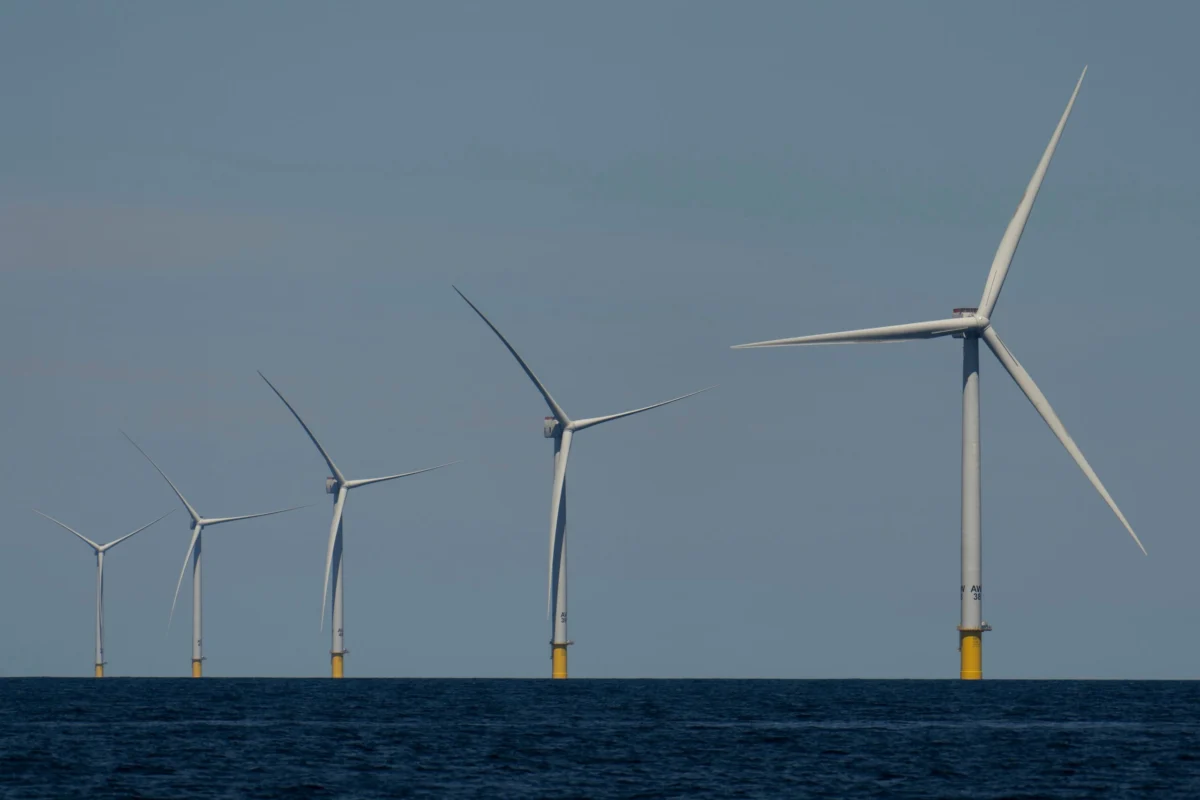
For these firms, the "price" of electricity is secondary to its "stability." A single hour of downtime can cost millions of dollars, making power grid reliability the single most important factor in site selection. Moreover, these companies have aggressive ESG (Environmental, Social, and Governance) targets. They are not just looking for power; they are looking for green, renewable energy. Vietnam’s ability to integrate wind and solar into the national grid to power these facilities will determine whether it remains a competitive destination or faces a bottleneck in its growth.
The Connectivity Bottleneck
Beyond electricity, international connectivity is the lifeblood of a data center. Vietnam’s reliance on submarine fiber-optic cables means that its digital integration with the world is only as strong as its underwater links. Recent disruptions to these cables have highlighted the need for massive investment in undersea infrastructure. To become a regional hub, Vietnam must ensure its domestic data capacity is matched by a robust, redundant, and high-speed gateway to the global internet.
The New Real Estate Paradigm
The rise of the data center is fundamentally changing the nature of commercial real estate in Vietnam. Unlike traditional office towers or logistics warehouses, data centers are highly specialized technical environments. They require decades-long commitments, sophisticated physical and cyber-security measures, and specialized structural designs to house heavy server equipment.
This shift is attracting a new class of long-term investors—pension funds, sovereign wealth funds, and global infrastructure managers—who view data centers as a stable, recession-resistant asset class. As these facilities become more deeply embedded in the urban landscape, they are effectively turning real estate into a digital utility.
Conclusion: A Window of Opportunity
Vietnam stands at a critical juncture. It has the demographic tailwinds, the regulatory framework, and the industrial ambition to become a powerhouse in the Southeast Asian digital landscape. The influx of billions of dollars from global tech giants and private equity firms confirms that the world is watching.
However, the transition from an "emerging market" to a "digital hub" is not guaranteed. The nation’s success will be dictated by its capacity to solve the "triple challenge": ensuring a stable, sustainable, and abundant electricity supply; hardening its international connectivity; and maintaining a regulatory environment that balances innovation with security.
If Vietnam can clear these hurdles, it will do more than just build a few server rooms; it will build the bedrock for the next generation of artificial intelligence and digital commerce in Asia. The race is on, and the next five years will determine whether Vietnam successfully secures its place at the center of the global digital map.