
As the world prepares for the 2026 FIFA World Cup—a tournament of unprecedented scale featuring 104 matches across 16 cities in Canada, Mexico, and the United States—a shadow looms over the beautiful game. A sobering new analysis by 15 researchers from the World Weather Attribution (WWA) group warns that climate change has fundamentally altered the environmental landscape of the tournament. The findings suggest that one in four matches will likely take place under "dangerous" heat conditions, raising urgent questions about athlete safety, fan welfare, and the future of global sporting events in a rapidly warming world.
The Rising Mercury: A Shift from 1994
The contrast between the 1994 World Cup, also held in North America, and the upcoming 2026 iteration is stark. While both tournaments share the same geographical footprint, the climatic reality of 2026 is vastly different due to three decades of accelerated global warming.
The WWA analysis, which examined historical climate data alongside current projections, highlights that extreme heat and humidity are no longer anomalies but are becoming the baseline for summer sporting events. While 1994 saw its share of warm days, the frequency and intensity of extreme heat events in 2026 have been amplified by human-induced climate change. The research underscores that the scheduling of matches—many of which are set for mid-day or early afternoon kickoff times—directly conflicts with the safety protocols established by FIFPRO, the global players’ union.
Defining the Danger: Wet Bulb Globe Temperature (WBGT)
To understand the severity of the situation, scientists utilize the Wet Bulb Globe Temperature (WBGT) index. Unlike a standard thermometer reading, WBGT provides a comprehensive measure of heat stress by accounting for air temperature, humidity, wind speed, sun angle, and cloud cover. It is the gold standard for assessing how much heat the human body can endure before its natural cooling mechanisms fail.
According to FIFPRO guidelines, a WBGT reading exceeding 26°C (78.8°F) mandates multiple 30-minute cooling breaks to prevent heat-related illness. The WWA analysis predicts that approximately 25% of the 2026 tournament matches will cross this threshold. More alarmingly, the data suggests that at least five matches will occur when the WBGT exceeds 28°C—a level deemed "unsafe" by health experts. At this intensity, the physical toll on players is severe, and the risk of dehydration, heat exhaustion, and potential heatstroke rises exponentially.
A Chronology of Climate Concern
The path to the 2026 World Cup has been marked by an increasing recognition of environmental risks:
- Pre-2020: Growing global awareness of climate change begins to influence the site selection processes for major international sporting bodies.
- 2025: A pivotal study is published, warning that 14 of the 16 chosen host venues are already regularly exceeding "safe-play thresholds" for heat, rainfall, and flooding.
- May 2026: The World Weather Attribution group releases its comprehensive analysis, revealing that scheduling patterns are fundamentally at odds with the changing climate.
- June 2026: The tournament kicks off, serving as the first true test of these environmental projections in a live, high-stakes sporting environment.
The Infrastructure Gap: Inadequate Venues
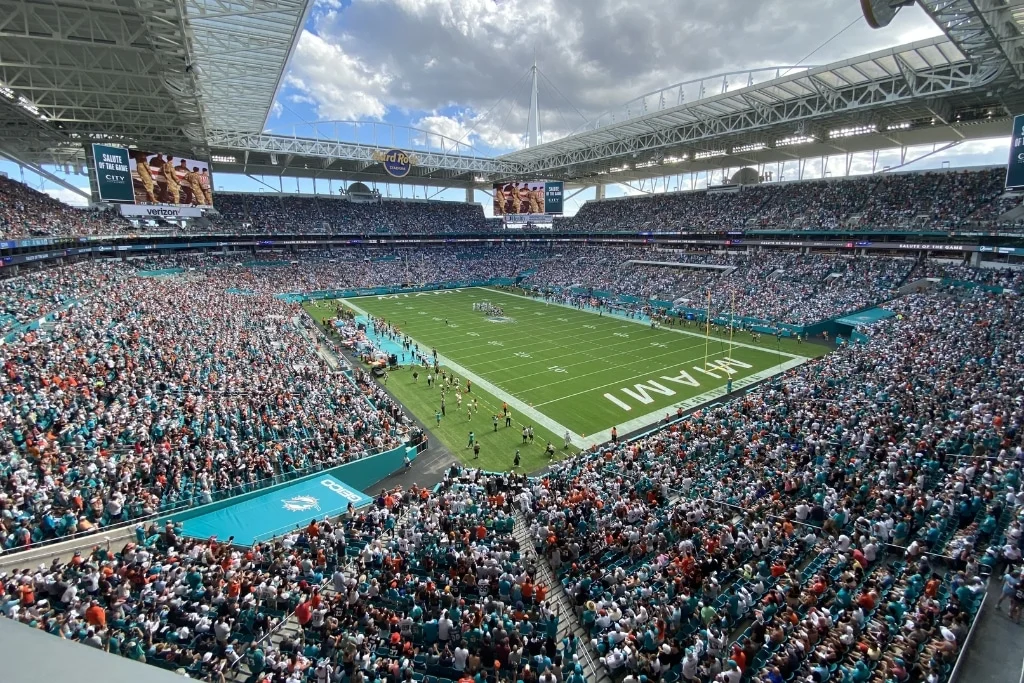
One of the most pressing concerns highlighted by researchers is the lack of climate-resilient infrastructure. Among the 16 host stadiums, only three are equipped with comprehensive air-conditioning systems. The remaining 13, including iconic open-air venues, remain exposed to the elements.
The study points to a dangerous paradox: some of the most high-stakes matches of the tournament, including the third-place playoff, two quarter-finals, and the grand finale itself, are slated for open-air stadiums. These venues are statistically prone to high heat stress levels, meaning the tournament’s climax could potentially be played in conditions that defy international safety recommendations.
In regions like Miami, Houston, and Dallas, the situation is particularly dire. These cities, already known for their oppressive summer humidity, are projected to face 100 to 160 days of "unplayable heat" annually by 2050. When these cities host World Cup matches, the risk is not merely theoretical; it is a logistical and medical challenge that will test the limits of emergency services and player conditioning programs.
Official Responses and Industry Silences
To date, FIFA’s response to these specific climate warnings has been focused on medical preparedness rather than radical scheduling shifts. Official statements have emphasized the presence of hydration protocols, cooling stations, and on-site medical teams. However, critics argue that these measures are reactive rather than proactive.
FIFPRO, while maintaining strict guidelines, finds itself in a difficult position. The union has consistently advocated for athlete health, yet the massive commercial interests tied to the broadcast schedule—which favors prime-time viewing hours—often supersede the physiological needs of the players. The tension between the "show must go on" mentality of global sports media and the physiological reality of the human body has never been more visible.
The Future of Sports: A Reckoning
The implications of the 2026 World Cup extend far beyond the final score. The tournament is being cited by climate scientists as a potential "last of its kind" for North America under current operating models.
If the current trajectory of global temperatures continues, future iterations of the World Cup will require a total paradigm shift. This could include:
- Seasonal Shifts: Moving tournaments to cooler months, which would require massive disruptions to domestic league schedules worldwide.
- Geographical Restrictions: Limiting host cities to northern latitudes or regions less susceptible to extreme heat.
- Climate-Controlled Infrastructure: Mandating that all future venues be fully enclosed and climate-controlled, a standard that is both expensive and carbon-intensive.
The Human Cost: Players and Spectators
While the focus is often on the elite athletes, the risk to the average spectator is arguably higher. Unlike professional players, who are subject to rigorous fitness regimes and medical monitoring, fans sitting in unshaded, sun-drenched stadium seats are highly vulnerable to heatstroke, particularly the elderly and children.
The "safe-play" benchmark of 35°C (95°F) is often cited as the upper limit of human adaptability. When air temperatures reach these levels, the body struggles to dissipate heat. In urban heat islands—where stadiums are often surrounded by concrete and asphalt—the temperatures can feel significantly higher. The potential for a mass-casualty event due to heat exhaustion in the stands is a scenario that municipal planners are now scrambling to mitigate.
Conclusion: Adapting to a New Reality
The 2026 World Cup will serve as a global stage for the realities of the climate crisis. It is a moment where the passion of the world’s most popular sport intersects with the undeniable data of a warming planet.
Without significant, immediate adaptation—including re-evaluating kickoff times, investing in climate-hardy infrastructure, and perhaps rethinking the very structure of summer tournaments—the sporting world risks turning its greatest celebration into a cautionary tale. As researchers from the World Weather Attribution group conclude, the era of "business as usual" for international sports is coming to an end. Whether the governing bodies of football are prepared to evolve with the climate will define the legacy of the 2026 World Cup.
As we look toward the opening ceremony, the question remains: are we prioritizing the health of the players and the safety of the fans, or are we simply hoping for a cooler breeze? In a warming world, hope is no longer a viable strategy for risk management. The 2026 tournament must serve as the catalyst for a fundamental change in how we host the games we love in a world that is becoming increasingly difficult to play in.