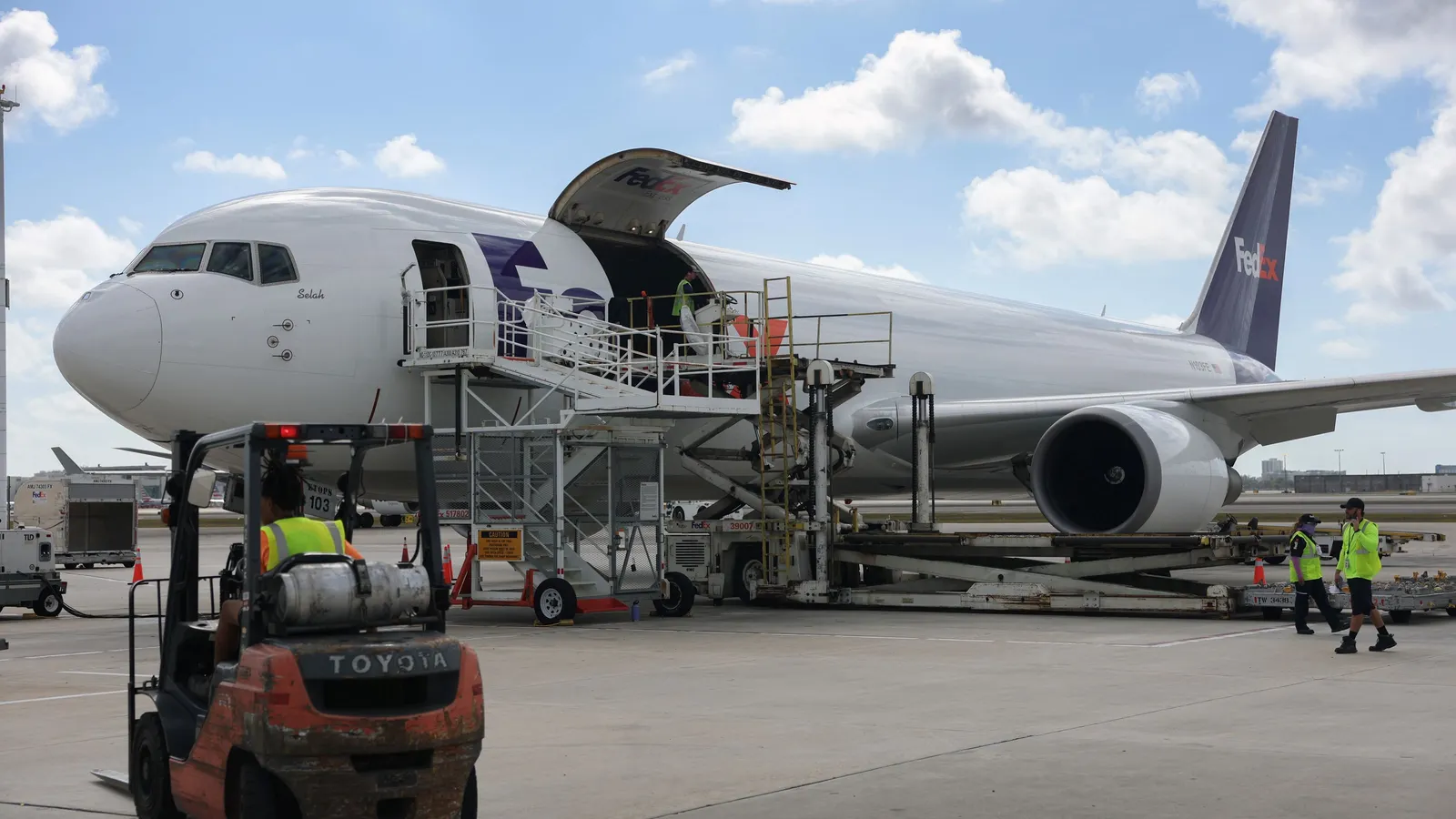

In a move that has sent ripples through the global supply chain, logistics giants FedEx and UPS have implemented a series of aggressive fuel surcharge increases and new, localized shipping fees throughout May. These adjustments, affecting a vast array of international shipments, represent the latest escalation in a multi-year trend of rising logistics costs. As carriers attempt to insulate their profit margins from volatile energy markets and geopolitical uncertainty, shippers—ranging from small e-commerce merchants to multinational corporations—are being forced to recalibrate their logistics budgets and landed-cost models.
Main Facts: The New Cost Landscape
The latest round of fee adjustments is comprehensive, targeting both the baseline fuel calculations and specific international corridors. According to data consolidated by Supply Chain Dive and IndexBox Market Intelligence, the carriers are deploying temporary fees on shipments between the United States and a wide swath of global markets.
The most notable development is a new UPS surcharge of 32 cents per pound for inbound volume entering the U.S. from almost any global origin, provided that origin is not already subject to a specific “surge emergency fee.” Simultaneously, both FedEx and UPS have recalibrated their fuel surcharge tables, effectively raising the percentage of the surcharge applied at specific jet fuel price points. For example, under the new FedEx structure, a jet fuel price of $4 per gallon triggers a 38.5% surcharge on international exports—a notable increase from the previous 36.5% threshold.
These adjustments are not isolated. DHL eCommerce, while following a slightly different timeline, is scheduled to increase its domestic fuel surcharge calculations on May 30, signaling a systemic industry-wide shift toward higher operational cost pass-throughs.
Chronology of Escalation
The current surge in fees is the culmination of a period marked by persistent inflation and supply chain volatility.
- Early 2024: Parcel spend consultants noted that while fuel prices remained relatively stable compared to the 2022 peaks, the “base rates” of surcharges were being quietly adjusted upward.
- Q1 2024: The TD Cowen/AFS Freight Index revealed a disconnect between market fuel prices and carrier surcharges. Ground fuel surcharges rose by 26.7% year-over-year, despite diesel prices only increasing by 10% in the same period. This highlighted the carriers’ strategy of expanding margins through index adjustments.
- April 2024: During an earnings call, UPS CFO Brian Dykes explicitly addressed the mechanics of these surcharges, framing them as a necessary tool to protect shareholder value.
- May 2024: The implementation of the new international weight-based surcharges and the recalibrated fuel tables took effect, marking one of the most significant mid-quarter adjustments in recent history.
Supporting Data: Understanding the Profit Buffer
The divergence between actual fuel costs and the surcharges billed to customers has become a focal point for logistics analysts. When carriers adjust the “math” behind their fuel indices, they do more than just recover costs—they often expand their operating margins.
According to the TD Cowen/AFS Freight Index, the disparity between the 26.7% rise in surcharges and the 10% rise in diesel costs suggests that carriers are utilizing these indices to offset broader inflationary pressures, including labor costs and infrastructure investments. For shippers, this creates a "hidden" cost inflation that is difficult to forecast.
The volatility in the Middle East, particularly the ongoing conflict involving Iran and the resulting maritime disruptions in the Strait of Hormuz, has kept crude oil and refined product prices elevated. Because logistics companies are highly sensitive to energy prices, they have leaned into their surcharge mechanisms to ensure that their bottom lines remain insulated from these macroeconomic shocks. As Brian Dykes noted, unlike the passenger airline industry—which often hedges fuel and absorbs risk—UPS and its peers utilize dynamic surcharges to transfer that risk directly to the end customer.
Official Responses and Corporate Strategy
The carriers maintain that these fee structures are essential to maintaining the integrity of their networks. In a recent customer notification, UPS underscored that the primary objective of these adjustments is to preserve the "quality and timeliness" of service. In an era where customers demand two-day or overnight delivery, the carrier argues that the investment required to maintain this level of service is substantial.
From a corporate finance perspective, the carriers are performing a delicate balancing act. They must raise prices enough to satisfy investors who are wary of margin compression, but not so much that they alienate long-term contract shippers who have the option to shift volume to regional carriers or the U.S. Postal Service.
The strategy is clear: rather than raising base rates—which are highly visible and often subject to long-term contract negotiations—carriers are increasingly relying on surcharges. Surcharges are often considered "ancillary," meaning they can be adjusted more frequently and with less resistance during the middle of a fiscal year, allowing carriers to pivot rapidly in response to market conditions.
Implications for Shippers: Navigating the New Normal
For businesses relying on global trade, the current environment necessitates a fundamental change in logistics procurement. Industry experts at ShipScience and other logistics consulting firms have outlined three primary pillars for mitigating these impacts:
1. Refined Cost Modeling
Shippers can no longer rely on static estimates. Landed-cost calculations must now account for the fluctuating nature of these surcharges. By building dynamic models that adjust for the specific carrier’s fuel index, companies can better predict the true cost of goods sold (COGS) and adjust pricing for their own end-customers accordingly.
2. Negotiated Mitigation
While standard surcharges apply to most, they are not always immutable. Large-volume shippers often have the leverage to negotiate “surcharge caps” or discounted fuel index multipliers. Shippers are encouraged to engage in transparency audits, cross-referencing carrier increases with their own shipping volume to identify where they are most exposed.
3. Diversification of Logistics Partners
The reliance on a single “integrator” (like FedEx or UPS) is increasingly risky. The rise of regional carriers, final-mile specialists, and consolidators provides an alternative. By diversifying the carrier mix, businesses can create competition that may mitigate the impact of the unilateral price hikes initiated by the primary carriers.
The Future of Logistics Pricing
The trend of utilizing surcharges to manage risk is unlikely to abate. As the global economy grapples with the transition to greener energy—which may introduce new price volatility—and the continued geopolitical instability in key oil-producing regions, the "fuel surcharge" will likely remain the most powerful tool in the carrier’s kit.
For the modern shipper, the lesson is clear: logistics is no longer just a cost of doing business; it is a complex, volatile, and strategic component of the value chain. As FedEx and UPS continue to refine their surcharge structures, the burden of proof falls on the shipper to be as informed and agile as the carriers they rely on. The era of predictable, static shipping costs is firmly behind us; in its place is a dynamic landscape where only the most analytical and proactive players will be able to maintain their profit margins.
Summary of Key Recommendations for Shippers:
- Audit Your Invoices: Ensure that the surcharge percentages being applied align with the official indices published by the carriers.
- Review Contracts: Determine if your current contract includes clauses that protect against mid-quarter surcharge adjustments.
- Invest in Visibility: Utilize TMS (Transportation Management Systems) that provide real-time data on surcharge impacts, allowing for rapid decision-making.
- Consider Mode-Shifting: Where time-sensitivity allows, explore shifting from air to ocean or rail, which may offer different surcharge structures and lower overall cost exposure.
As we move through the remainder of 2024, the industry will be watching closely to see if other carriers follow the lead of UPS and FedEx, potentially setting a new floor for shipping costs that will define the competitive landscape for the foreseeable future.