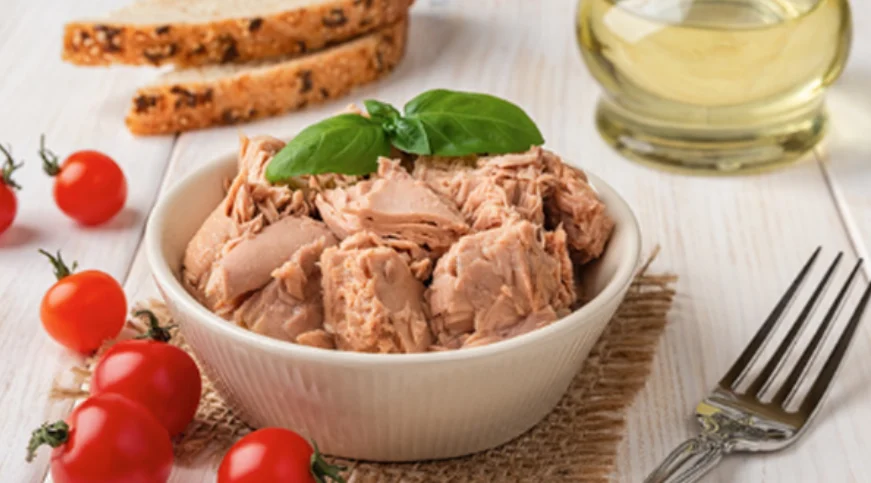
Canned tuna, a ubiquitous item in pantries worldwide, stands as a testament to convenience, affordability, and versatility in modern cuisine. From its humble beginnings as a practical food source to its current status as a global dietary staple, this preserved fish has ingrained itself into countless meal routines, gracing everything from vibrant salads and hearty sandwiches to comforting pasta dishes. Yet, beneath its accessible exterior lies a complex interplay of significant nutritional benefits and potential health considerations that warrant a closer look.
While celebrated for its rich protein content and beneficial omega-3 fatty acids, canned tuna also presents challenges related to sodium levels and, more notably, mercury accumulation. Understanding these facets is crucial for consumers aiming to harness its advantages while mitigating its risks. This comprehensive exploration delves into the history, nutritional profile, health implications, regulatory landscape, and future trajectory of canned tuna, providing a balanced perspective on this enduring culinary icon.
Main Facts: The Enduring Appeal and Underlying Concerns of Canned Tuna
Canned tuna’s popularity is undeniable, driven by a confluence of factors that make it a go-to choice for millions. Its inherent deliciousness, coupled with its relatively low cost and remarkable ease of integration into diverse culinary creations, positions it as a practical solution for quick meals and meal preparation. Beyond convenience, its nutritional profile offers substantial health advantages, but these benefits must be weighed against certain caveats.
The Nutritional Powerhouse:
At its core, canned tuna is an excellent source of high-quality protein. This macronutrient is vital for numerous bodily functions, including muscle repair and growth, enzyme production, and hormone synthesis. The protein in tuna contributes significantly to satiety, helping individuals feel fuller for longer periods, which can be a valuable aid in weight management and appetite control. For athletes and those with active lifestyles, tuna provides the essential amino acids needed for post-workout recovery and sustained energy.
Furthermore, tuna is renowned for its content of omega-3 fatty acids, specifically eicosapentaenoic acid (EPA) and docosahexaenoic acid (DHA). These polyunsaturated fats are critical for optimal health, playing pivotal roles in brain function and ocular health. EPA and DHA are integral components of cell membranes, particularly abundant in the brain and retina. Regular intake has been linked to improved cognitive function, including memory and focus, and may help reduce the risk of neurodegenerative diseases. Moreover, omega-3s are powerful anti-inflammatory agents, potentially alleviating symptoms associated with chronic inflammatory conditions and contributing to overall cardiovascular well-being by helping to regulate blood pressure and reduce triglyceride levels.
Beyond protein and omega-3s, tuna offers a spectrum of other essential nutrients. It is a good source of Vitamin D, crucial for bone health, immune system modulation, and mood regulation. Various B vitamins (Niacin, B6, B12) are present, supporting energy metabolism, red blood cell formation, and nervous system function. Minerals like Selenium, a potent antioxidant, and Iodine, essential for thyroid hormone production, further enrich its nutritional portfolio.
The Undercurrents of Caution:
Despite its robust nutritional offerings, excessive consumption of canned tuna is not universally recommended, primarily due to two significant concerns:
-
Sodium Content: Many canned tuna products, particularly those not explicitly labeled "low sodium," can contain considerable amounts of sodium. While sodium is an essential electrolyte, high intake is a well-established risk factor for hypertension (high blood pressure), which can lead to serious cardiovascular complications. Excessive sodium can also cause temporary discomforts such as bloating and fluid retention in susceptible individuals.
-
Mercury Contamination: Perhaps the most widely publicized concern is the presence of mercury, specifically methylmercury, a neurotoxin. Tuna, being a predatory fish high on the food chain, accumulates mercury from the environment through the fish it consumes—a process known as bioaccumulation. While mercury levels vary significantly between tuna species (e.g., albacore generally has higher levels than skipjack or light tuna), high exposure to methylmercury can be detrimental to the nervous system, particularly for developing fetuses, infants, and young children. Experts universally advise moderation to mitigate this risk.
Finally, the preparation method of canned tuna also influences its nutritional profile. Tuna packed in oil typically contains more calories and fat, while tuna packed in water offers a leaner option, making it preferable for those monitoring their caloric and fat intake.
In summary, canned tuna is undoubtedly a valuable and convenient food source, offering a wealth of essential nutrients. However, an informed approach, characterized by mindful consumption and careful selection, is paramount to maximizing its benefits while minimizing potential drawbacks.
Chronology: From Ancient Seas to Modern Cans – The Evolution of Tuna as a Global Commodity
The story of tuna, and subsequently canned tuna, is one that spans millennia, intertwining with human civilization, technological innovation, and evolving dietary practices.
Ancient Origins and Traditional Fishing (Pre-19th Century):
Tuna, specifically its larger species, has been a prized catch since ancient times. Evidence suggests that Mediterranean civilizations, including the Phoenicians, Greeks, and Romans, engaged in extensive tuna fishing. These early methods were often seasonal, relying on the migratory patterns of tuna and utilizing rudimentary traps and nets to capture the powerful fish as they moved through coastal waters. The highly perishable nature of fresh fish meant that preservation methods, such as salting and drying, were employed to extend its edibility, primarily for local consumption. In Japan, tuna has been a staple for centuries, revered for its taste and nutritional value, with various traditional preservation and culinary techniques developing over time.
The Dawn of Canning (Early 19th Century):
The true revolution for tuna began not with the fish itself, but with the invention of food preservation through canning. In 1809, French confectioner Nicolas Appert developed a method of preserving food by sealing it in glass bottles and heating it, a technique driven by Napoleon Bonaparte’s demand for a stable food supply for his armies. This discovery laid the groundwork for modern canning. By the mid-19th century, tin cans replaced glass, making the process more robust and scalable.
The Birth of the Canned Tuna Industry (Late 19th to Early 20th Century):
While sardines were among the first fish to be canned commercially, the potential of tuna was recognized in the United States in the early 20th century. The first successful commercial canning of tuna occurred in Southern California in 1903. Sardine canneries, facing seasonal gluts or shortages of sardines, began experimenting with tuna. The Pacific albacore tuna, with its white flesh, proved particularly appealing to American consumers, quickly earning the moniker "chicken of the sea" due to its mild flavor and texture. This period saw rapid growth in the industry, driven by rising demand and improvements in fishing technologies, such as purse seines and longlines, which allowed for larger catches.
Post-War Boom and Globalization (Mid-20th Century):
The mid-20th century, particularly after World War II, witnessed an explosive expansion of the canned tuna industry. Advances in refrigeration, transportation, and processing allowed tuna to be caught in distant waters and brought to canneries globally. Canned tuna became a symbol of convenience and a pantry staple in many Western households. Major brands emerged, investing heavily in marketing to solidify its place in the consumer’s mind as an affordable, shelf-stable source of protein. This era also saw the diversification of canned tuna products, including various cuts (chunk, flaked, solid) and packing mediums (oil, water).
Rising Awareness and Challenges (Late 20th Century to Present):
As the global tuna industry matured, so too did public awareness and scientific understanding of its environmental and health implications.
- Environmental Concerns: By the 1970s and 80s, concerns about overfishing, unsustainable fishing practices (like large-scale purse seining that often caught dolphins as bycatch), and the impact on marine ecosystems began to surface. This led to the "Dolphin Safe" movement and subsequent labeling, pushing the industry towards more responsible fishing methods.
- Health Concerns (Mercury): Concurrently, research highlighted the issue of mercury bioaccumulation in larger, longer-lived fish species like tuna. Initial warnings regarding mercury levels in canned tuna, especially for vulnerable populations, began to emerge in the 1970s and 80s, leading to dietary guidelines from health authorities.
- Sustainability Movement: The late 20th and early 21st centuries have seen a significant push towards certified sustainable seafood. Organizations like the Marine Stewardship Council (MSC) have established standards for sustainable fishing, prompting some tuna brands to seek certification and provide consumers with more environmentally conscious choices.
Today, canned tuna remains a cornerstone of global food systems, but its journey continues to evolve, shaped by ongoing scientific research, consumer demands for healthier and more sustainable options, and the dynamic challenges of managing global fisheries.
Supporting Data: Quantifying the Benefits and Risks
Understanding canned tuna requires a data-driven approach, examining its nutritional composition, the scientific evidence behind its health impacts, and the specific guidelines related to its consumption.
Nutritional Breakdown (per 100g, drained):
The nutritional values can vary slightly depending on the species of tuna (e.g., skipjack, yellowfin, albacore) and the packing medium (water vs. oil).
- Tuna in Water (Light/Skipjack):
- Calories: ~100-120 kcal
- Protein: ~23-26g (excellent source)
- Fat: ~1-2g
- Omega-3s (EPA+DHA): ~0.2-0.3g (significant contribution, though less than fresh fatty fish)
- Sodium: ~250-350mg (can be higher or lower depending on brand/added salt)
- Vitamin D: ~50-60 IU (1.25-1.5 mcg)
- Vitamin B12: ~2-3 mcg (over 100% of RDI)
- Selenium: ~60-80 mcg (over 100% of RDI)
- Tuna in Oil (Light/Skipjack):
- Calories: ~180-200 kcal
- Protein: ~20-22g
- Fat: ~8-10g (significantly higher, mostly from added oil)
- Omega-3s (EPA+DHA): ~0.2-0.3g (similar to water-packed, as omega-3s are in the fish itself)
- Sodium: ~250-350mg
- Other micronutrients generally similar to water-packed.
- Albacore Tuna (White Tuna, typically higher in mercury):
- Often slightly higher in fat and calories than skipjack, but also higher in omega-3s (~0.5-0.8g per 100g).
Health Studies and Research:
- Omega-3 Fatty Acids:
- Numerous epidemiological studies and clinical trials have underscored the benefits of EPA and DHA. Research published in journals like The Lancet and Circulation consistently demonstrates that regular consumption of omega-3 rich foods is associated with a reduced risk of cardiovascular disease, lower blood pressure, and decreased triglyceride levels.
- For brain health, studies in Neurology and Journal of Alzheimer’s Disease suggest that higher intake of omega-3s may slow cognitive decline in older adults and reduce the risk of dementia. In children, DHA is critical for brain and eye development, as highlighted by studies on maternal omega-3 intake during pregnancy.
- The anti-inflammatory properties are well-documented, showing potential benefits in managing chronic inflammatory conditions such as rheumatoid arthritis, as discussed in the Annals of the Rheumatic Diseases.
- Protein and Satiety:
- Studies published in the American Journal of Clinical Nutrition and Obesity Reviews consistently show that high-protein diets enhance satiety, reduce overall caloric intake, and can be effective for weight management, supporting tuna’s role in a healthy diet.
Mercury Content and Consumption Guidelines:
Mercury exists naturally in the environment but industrial pollution has increased its levels in oceans. Fish absorb methylmercury, which bioaccumulates up the food chain.
- Species Variation:
- Light Tuna (Skipjack, Yellowfin): Generally contains lower levels of mercury. The FDA advises that skipjack tuna typically has an average mercury concentration of about 0.14 parts per million (ppm).
- Albacore Tuna (White Tuna): Larger and longer-lived than skipjack, albacore accumulates more mercury. The FDA states albacore tuna has an average mercury concentration of about 0.35 ppm.
- Regulatory Guidance (e.g., U.S. FDA and EPA):
- General Population: Adults can generally consume 2-3 servings (totaling 8-12 ounces) of "Best Choices" fish (including light tuna) per week. For "Good Choices" fish (including albacore tuna), 1 serving (4 ounces) per week is recommended.
- Pregnant/Breastfeeding Women and Young Children: These vulnerable groups are advised to limit their intake of fish with higher mercury levels. The FDA specifically recommends:
- Light Tuna: Up to 2-3 servings per week.
- Albacore Tuna: Limit to 1 serving (4 ounces) per week.
- The European Food Safety Authority (EFSA) and other national bodies provide similar, though sometimes slightly varied, guidelines based on local fish consumption patterns and mercury levels.
- Calculation Example: A typical 5-ounce can of light tuna (drained) contains approximately 0.02 to 0.03 mg of mercury. For an average adult, this is well within safe limits for moderate consumption.
Sodium Content:
- A standard 5-ounce can of tuna (drained) can contain between 250 mg and 400 mg of sodium, representing 10-17% of the recommended daily intake (RDI) of 2,300 mg for adults.
- For individuals with hypertension or those advised to follow a low-sodium diet, selecting "no salt added" or "low sodium" varieties (which typically contain less than 140 mg per serving) is crucial. Rinsing canned tuna can also reduce sodium content by up to 10-15%.
- Studies in the New England Journal of Medicine confirm a strong dose-response relationship between sodium intake and blood pressure, reinforcing the importance of monitoring sodium consumption from all sources.
Sustainability Data:
- The global tuna market is enormous, with millions of tons caught annually. The three main species for canning are Skipjack, Yellowfin, and Albacore.
- According to the Food and Agriculture Organization (FAO) of the United Nations, several tuna stocks have been subject to overfishing. In 2020, the FAO reported that about one-third of assessed fish stocks were fished at biologically unsustainable levels.
- Certifications like the Marine Stewardship Council (MSC) indicate that fish comes from a fishery that has been independently certified to an environmental standard for well-managed and sustainable fishing. As of 2023, a growing percentage of the global tuna catch is MSC certified, but significant challenges remain.
- "Dolphin Safe" labels, while important for marine mammal protection, do not necessarily guarantee the overall sustainability of the tuna stock or fishery.
This supporting data underscores the nuanced reality of canned tuna, highlighting its valuable contributions to nutrition while providing concrete figures and guidelines for safe and responsible consumption.
Official Responses: Navigating Guidelines and Industry Commitments
The widespread consumption of canned tuna has prompted various official bodies—from governmental health agencies to international food organizations and industry groups—to issue guidelines, establish regulations, and implement practices aimed at ensuring consumer safety, promoting healthy eating, and fostering environmental stewardship.
Governmental Health Agencies (e.g., FDA, USDA, EFSA, Health Canada):
- Mercury Guidelines: These agencies are the primary source of official advice regarding mercury in fish. Their recommendations are typically based on extensive scientific review, toxicology data, and risk assessments.
- The U.S. Food and Drug Administration (FDA) and Environmental Protection Agency (EPA) jointly issue "Advice About Eating Fish" for various populations, especially pregnant women, breastfeeding women, women who might become pregnant, and young children. This advice categorizes fish into "Best Choices," "Good Choices," and "Choices to Avoid" based on mercury levels. As noted, light (skipjack) tuna is usually in the "Best Choices" category, while albacore (white) tuna falls under "Good Choices," with specific weekly serving limits.
- The European Food Safety Authority (EFSA) provides similar scientific opinions and risk assessments on mercury in seafood, which inform national dietary guidelines across European Union member states. They often emphasize a balanced approach, encouraging fish consumption for its benefits while advising caution regarding species with higher mercury levels.
- Dietary Guidelines: Most national dietary guidelines, such as the Dietary Guidelines for Americans (USDA/HHS), recommend regular consumption of seafood for its omega-3 fatty acids and other nutrients. Canned tuna is often highlighted as an affordable and accessible option within these recommendations, provided consumers choose varieties lower in mercury and sodium. They typically suggest choosing fish that are lower in mercury and varying the types of fish consumed.
- Sodium Recommendations: Health agencies universally advise limiting sodium intake to reduce the risk of high blood pressure. They encourage consumers to read food labels carefully and opt for "low sodium" or "no salt added" versions of canned tuna.
International Organizations (e.g., FAO, WHO):
- The Food and Agriculture Organization (FAO) of the United Nations monitors global fish stocks, including tuna, and provides data and recommendations for sustainable fisheries management. Their reports often highlight the status of tuna stocks (e.g., overfished, fully fished, underfished) and advocate for international cooperation to prevent overexploitation.
- The World Health Organization (WHO) contributes to global health guidelines, often echoing national recommendations on fish consumption, emphasizing the balance between nutritional benefits and potential contaminants like mercury. They also play a role in setting international food safety standards.
Industry Standards and Practices:
- Quality Control and Processing: Tuna canneries adhere to strict food safety regulations (e.g., HACCP – Hazard Analysis and Critical Control Points) to ensure product safety, quality, and hygiene. This includes testing for contaminants, including mercury, although individual cans are not typically tested. Instead, testing is done on batches or based on species and size.
- Sourcing Practices: In response to environmental concerns, many major tuna brands and retailers have committed to sourcing tuna more sustainably. This includes:
- Dolphin Safe Policies: Adhering to standards that minimize harm to dolphins during fishing operations.
- Fishery Improvement Projects (FIPs): Investing in initiatives that help fisheries move towards more sustainable practices, often in collaboration with NGOs.
- Traceability: Implementing systems to track tuna from catch to can, providing greater transparency about its origin and fishing method.
- Product Innovation: The industry has responded to health concerns by offering a wider range of products, such as:
- "No Salt Added" or "Low Sodium" tuna.
- Tuna packed in water or olive oil (instead of less healthy oils).
- Single-serve pouches for portion control and convenience.
- Communication: Industry associations and brands often provide educational materials to consumers about the benefits of tuna, how to choose sustainable options, and how to understand nutritional labels.
Environmental Organizations and Certifications:
- Organizations like the Marine Stewardship Council (MSC) and Monterey Bay Aquarium Seafood Watch play a crucial role in influencing industry practices and consumer choices.
- MSC Certification: This independent, third-party certification indicates that a fishery meets standards for sustainable fishing (healthy fish stocks, minimal environmental impact, effective management). Many tuna brands now carry the MSC blue label, providing consumers with a clear indicator of sustainability.
- Seafood Watch Guides: These guides categorize seafood based on environmental sustainability, helping consumers make informed choices at the grocery store and restaurants. They often recommend specific tuna species and fishing methods.
In essence, the official responses to canned tuna reflect a complex and evolving landscape where health, environmental responsibility, and economic viability intersect. These guidelines and commitments aim to ensure that this global staple can continue to be enjoyed safely and sustainably for generations to come.
Implications: The Future Landscape of Canned Tuna
The journey of canned tuna, from a simple preserved food to a subject of intense scientific scrutiny and environmental debate, highlights its profound implications for public health, marine ecosystems, and the global food industry. Looking ahead, several key areas will shape the future landscape of this versatile protein.
Consumer Empowerment and Informed Choices:
One of the most significant implications is the increasing emphasis on consumer empowerment. With greater access to information, consumers are becoming more discerning, demanding not only nutritional benefits but also transparency regarding sourcing, processing, and environmental impact. This translates into:
- Label Literacy: A greater need for consumers to understand nutritional labels (sodium, fat, omega-3s) and specific claims (e.g., "dolphin safe," "low mercury," "no salt added").
- Sustainability Consciousness: Growing demand for certified sustainable tuna (e.g., MSC certified), pushing brands to adopt more responsible fishing practices.
- Species Awareness: Understanding the difference between tuna species (e.g., skipjack vs. albacore) in terms of mercury levels and choosing accordingly, especially for vulnerable populations. This fosters a more educated consumer base that can make choices aligning with their health goals and ethical values.
The Future of the Tuna Industry:
The tuna industry faces a multifaceted challenge: meeting global demand while ensuring sustainability and addressing health concerns. This will drive several innovations and shifts:
- Technological Advancements in Fishing: Development of more selective fishing gear and techniques to reduce bycatch and minimize ecosystem disruption. Improved vessel monitoring systems and satellite technology will enhance traceability and compliance with fishing regulations.
- Enhanced Traceability: Blockchain technology and advanced data systems are being explored to provide immutable records of tuna’s journey from ocean to can. This level of transparency will combat illegal, unreported, and unregulated (IUU) fishing and reassure consumers about ethical sourcing.
- Sustainable Aquaculture: While wild-caught tuna remains dominant, research into sustainable tuna aquaculture is ongoing. If viable, this could alleviate pressure on wild stocks and offer a more controlled environment for managing mercury levels.
- Product Diversification: Beyond traditional canned tuna, the market will likely see continued innovation in ready-to-eat meals, tuna-based snacks, and even plant-based "tuna" alternatives that cater to dietary preferences and ethical considerations.
Public Health Imperatives:
Canned tuna’s role in public health will continue to be significant, particularly as an affordable and accessible protein source.
- Food Security: Its long shelf life and nutritional density make it an invaluable component of emergency food supplies and a practical option for lower-income households seeking healthy protein. Promoting its safe and moderate consumption remains a public health priority, especially in regions where access to fresh protein is limited.
- Dietary Guidance Evolution: As scientific understanding of nutrition and environmental contaminants evolves, dietary guidelines will continue to be refined, providing more precise recommendations for different age groups and health conditions. This dynamic guidance ensures that public health messaging remains current and relevant.
- Addressing Nutritional Deficiencies: For populations at risk of omega-3 or vitamin D deficiencies, canned tuna can be a convenient and effective dietary contributor, provided mercury concerns are appropriately managed through consumption limits.
Environmental Stewardship and Policy Recommendations:
The long-term sustainability of tuna stocks and marine ecosystems is a critical implication.
- Strengthening Fisheries Management: International cooperation among regional fisheries management organizations (RFMOs) is paramount to implementing and enforcing quotas, combatting IUU fishing, and protecting critical habitats. Robust scientific assessments of fish stocks are essential to inform these policies.
- Mitigating Climate Change Impacts: Climate change directly affects tuna populations through ocean warming, acidification, and changes in prey distribution. Policy efforts to mitigate climate change are intrinsically linked to the future viability of tuna fisheries.
- Ecosystem-Based Management: Moving beyond single-species management to a holistic, ecosystem-based approach that considers the broader marine environment and food web dynamics.
- Consumer Advocacy: Continued consumer and NGO pressure will be vital in holding the industry and governments accountable for their sustainability commitments.
In conclusion, canned tuna embodies a compelling paradox: a simple, convenient food that carries complex implications. Its future hinges on a collective commitment from consumers, industry, and policymakers to prioritize health, transparency, and environmental sustainability. By navigating these challenges thoughtfully, canned tuna can continue to be a valuable and cherished part of the global diet for generations to come, evolving from a mere pantry staple to a symbol of responsible food consumption.