Main Facts: Electoral Integrity Under Scrutiny
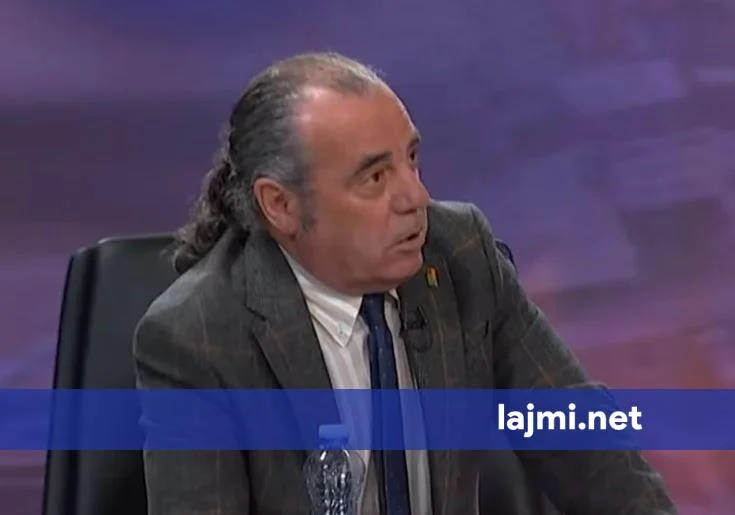
Pristina, Kosovo – In a scathing critique that has reverberated across Kosovo’s political landscape, prominent political commentator Halil Matoshi has launched severe accusations against the nation’s largest political parties, alleging widespread manipulation and systematic vote theft during electoral processes. Speaking on the show "Politiko," Matoshi did not mince words, pointing fingers directly at the Democratic Party of Kosovo (PDK), the Democratic League of Kosovo (LDK), and Vetëvendosje Movement (LVV), claiming these entities have individuals who "stole votes with sacks."
Matoshi expressed profound disappointment, particularly with the Democratic Party of Kosovo. He had initially harboured hopes that the PDK would distinguish itself from other political actors, citing its decision not to publish its full electoral list until the very end of the process as a potential sign of difference. However, his optimism quickly waned, as he concluded that the PDK ultimately "fell to the same level" as its counterparts, succumbing to what he described as irresistible temptation. This specific criticism underscores a broader disillusionment with the integrity of the electoral system among certain segments of the public and analytical circles.
In stark contrast, Matoshi singled out the Alliance for the Future of Kosovo (AAK), noting that this party has historically not faced similar accusations of vote theft. This distinction, while not an outright endorsement, implicitly positions AAK as an outlier in an otherwise bleak assessment of the country’s major political forces. The commentator’s remarks highlight a deep-seated frustration with recurrent allegations of electoral fraud, which have long plagued Kosovo’s nascent democratic institutions and continue to erode public trust in the fairness and transparency of its elections. His public denunciation serves as a potent reminder of the ongoing challenges in consolidating democratic practices and ensuring a truly level playing field in Kosovar politics.
Matoshi’s Disillusionment with the Democratic Party of Kosovo
Halil Matoshi’s critique of the PDK carries a particular weight due to his initial hopes for the party. He articulated a specific expectation that PDK would deviate from what he perceives as a pervasive pattern of electoral misconduct. This hope was anchored, in part, to the party’s handling of its electoral list – specifically, its delayed publication. In the intricate and often opaque world of Kosovar politics, the management and transparency of candidate lists can be a sensitive issue, sometimes seen as a mechanism to control internal party dynamics or even to obscure questionable nominations. Matoshi evidently viewed the PDK’s initial reticence to fully disclose its list as a potential sign of a more principled approach, a departure from the perceived norms of political maneuvering.
However, this glimmer of hope, according to Matoshi, was ultimately extinguished. His statement, "Since it became a principle for everyone, this is the greatest pain. I had hoped that PDK, by not publishing the list until the end, would distinguish itself from the others, but it could not resist the temptation and fell to the same level," reveals a deep sense of betrayal and resignation. He suggests that the PDK, despite its initial appearance of distinctiveness, ultimately succumbed to the same pressures or adopted the same practices as other major parties. This "fall to the same level" implies an adherence to methods that, in Matoshi’s view, compromise electoral integrity. It speaks to a cynical assessment that even parties with the potential to reform or set new standards are eventually drawn into a culture of manipulation, perpetuating a cycle of distrust and perceived unfairness that permeates the political system. This sentiment is particularly damaging for a party like PDK, which has historically played a central role in Kosovo’s political development and governance.
The Broader Accusation: "Sacks of Votes"
The imagery employed by Halil Matoshi – "people who stole votes with sacks" – is both vivid and damning. It conjures a picture of blatant, large-scale, and audacious electoral fraud, far beyond mere minor irregularities. This phrase suggests an organised and systematic effort to subvert the democratic process, implying that certain individuals, presumably acting on behalf of or with the tacit approval of the major parties (PDK, LDK, and LVV), engaged in the physical manipulation of ballots to alter election outcomes. Such an accusation, if substantiated, points to a fundamental breakdown in the sanctity of the vote and the principles of free and fair elections.
The gravity of an accusation involving "sacks of votes" cannot be overstated. It moves beyond abstract claims of manipulation to concrete allegations of ballot stuffing, vote buying on an industrial scale, or the illicit transfer of votes from one candidate or party to another. This level of alleged misconduct directly undermines the very foundation of democratic legitimacy, making citizens question whether their individual votes truly count and whether the elected officials genuinely represent the will of the people. When such powerful imagery is used by a respected political commentator, it amplifies public cynicism and deepens the existing fissures of distrust between the electorate and the political class. It implies that the electoral system is not merely flawed, but actively exploited by powerful actors, reducing elections to a theatrical performance rather than a genuine exercise in popular sovereignty. For Kosovo, a young democracy striving for international recognition and internal stability, these types of accusations pose a significant challenge to its democratic credentials and its long-term political health.
The AAK Exception: A Beacon or an Anomaly?
Matoshi’s specific mention of the Alliance for the Future of Kosovo (AAK) as a party that "has not even had accusations of vote theft" stands out amidst his broad condemnation. This distinction, while carefully worded, suggests a relative difference in perception regarding AAK’s involvement in electoral malpractices compared to the "big three." It does not necessarily imply absolute innocence but rather an absence of the specific, widespread, and persistent allegations of systematic vote manipulation that have often shadowed PDK, LDK, and LVV.
Several factors might contribute to this perceived difference. AAK, while a significant political force, has typically been smaller than the three dominant parties, often playing the role of a kingmaker in coalition governments rather than consistently leading them. This position might expose them to fewer opportunities or less pressure for large-scale electoral fraud, as the stakes of controlling the entire electoral machinery might be less direct. Alternatively, it could reflect a different internal party culture or simply a less effective scrutinising gaze from the public and media compared to the constant focus on the largest parties. Regardless of the underlying reasons, Matoshi’s comment positions AAK as an interesting anomaly within the broader narrative of electoral misconduct. It subtly raises questions about whether smaller parties are genuinely less prone to such practices or if the nature of their political influence and strategic positioning simply makes them less susceptible to these specific accusations, at least in the public discourse. This exception, however, does not alleviate the overall concern for electoral integrity in Kosovo, but rather highlights the varying degrees to which different political entities are perceived to engage with or benefit from questionable electoral practices.
Chronology: A History of Electoral Integrity Concerns in Kosovo
Kosovo’s journey since declaring independence in 2008 has been marked by a continuous effort to build robust democratic institutions. However, the electoral process, a cornerstone of any democracy, has frequently been a source of contention and controversy. Halil Matoshi’s recent remarks are not isolated incidents but rather echo a long-standing pattern of concerns and accusations that have accompanied nearly every election cycle in the country.
Post-Conflict Elections and Early Challenges
The initial post-conflict elections in Kosovo, even prior to independence, were conducted under heavy international supervision, primarily by the OSCE (Organization for Security and Co-operation in Europe) and UNMIK (United Nations Interim Administration Mission in Kosovo). While these missions aimed to ensure fairness, the nascent state of institutions, lack of experience, and deeply divided political landscape presented immense challenges. Early reports often highlighted irregularities, inconsistencies in voter lists, and a general lack of transparency in vote counting. The focus was often on establishing basic procedures rather than perfecting them.
The Infamous 2010 Parliamentary Elections
Perhaps the most significant turning point for perceptions of electoral integrity came with the 2010 parliamentary elections. These elections were widely criticised, both domestically and internationally, for widespread and systematic fraud. Reports from local and international observers detailed instances of ballot stuffing, phantom voters, misuse of public resources for campaigning, and pressure on voters. The scale of the alleged manipulation was so significant that it led to partial re-runs and calls for fundamental reforms. This period cemented a public perception that electoral fraud was not merely an isolated occurrence but a deeply entrenched issue, particularly in certain regions. The international community, which had invested heavily in Kosovo’s democratic development, expressed serious concerns, pushing for stronger oversight and legislative changes.
Subsequent Elections and Persistent Issues
While efforts were made to address some of the issues identified in 2010, subsequent elections (2014, 2017, 2019, 2021) continued to face scrutiny. Common recurring themes in observer reports and public discourse included:
- Inaccuracies in Voter Lists: The electoral roll has consistently been a point of contention, with allegations of deceased persons, duplicate entries, and individuals residing abroad still being listed. This creates opportunities for manipulation.
- Vote Buying and Intimidation: Despite legal prohibitions, reports of vote buying, particularly in economically vulnerable areas, and intimidation of voters or polling station staff, have persisted.
- Misuse of Public Resources: Accusations that ruling parties and public officials exploit state resources (vehicles, facilities, personnel) for campaign purposes remain common.
- Party Agents and Commission Members: Concerns about the partisan composition of polling station committees and the potential for party agents to manipulate the process from within.
- Campaign Finance Transparency: A perennial issue, with insufficient oversight of political party financing making it difficult to trace the origins and expenditure of campaign funds, potentially masking illegal activities.
These ongoing challenges have contributed to a climate where accusations like Matoshi’s are readily believed by a significant portion of the electorate, underscoring the fragility of public trust in the electoral system. Each election cycle thus becomes not just a contest of political ideas but also a test of the integrity of the democratic process itself.
Supporting Data: Mechanisms of Electoral Fraud and Expert Analysis
Halil Matoshi’s accusations resonate with a body of evidence and expert analysis concerning electoral vulnerabilities in Kosovo. Various local and international organizations have consistently highlighted specific mechanisms through which electoral fraud and manipulation can occur, contributing to a broader understanding of the challenges faced by the country’s democratic system.
Common Forms of Electoral Malpractice
Experts and monitoring bodies frequently identify several prevalent forms of electoral malpractice in Kosovo:
- Ballot Stuffing: The physical insertion of multiple ballots into ballot boxes by an individual, often facilitated by a lack of proper identification checks or collusion within polling station staff. The "sacks of votes" imagery used by Matoshi directly points to this practice.
- Voter List Irregularities: Inaccurate voter registers, containing deceased individuals, emigrants, or duplicates, create opportunities for fraudulent voting. The failure to regularly update these lists, despite calls for reform, remains a significant vulnerability.
- Vote Buying: The exchange of votes for money, goods, or promises of employment or services is a recurring allegation, particularly in regions with high unemployment and poverty. This practice undermines the free will of voters.
- Misuse of Administrative Resources: Incumbent parties and candidates in positions of power often face accusations of leveraging state resources – including government vehicles, office spaces, public events, and even state employees – for campaign activities, thereby distorting the fairness of the competition.
- Pressure and Intimidation: Voters, particularly those in public administration or dependent on local political structures, may face subtle or overt pressure to vote for a particular party or candidate. Polling station staff and observers have also reported intimidation attempts.
- Chain Voting: A sophisticated method where a voter is given a pre-marked ballot to cast, and in return, brings out a blank ballot to be marked for the next fraudulent voter, ensuring that the vote is cast as intended.
- Misuse of Conditional Votes and Diaspora Voting: The processing of conditional votes (e.g., from prisoners, persons with special needs) and votes from the diaspora has sometimes been subject to irregularities and accusations of manipulation.
Reports from Civil Society and International Observers
Civil society organizations (CSOs) in Kosovo, such as the Kosovo Democratic Institute (KDI), Group for Legal and Political Studies (GLPS), and DEMOS, have played a crucial role in monitoring elections and advocating for reforms. Their reports consistently detail observed irregularities, provide statistical analysis of voting patterns that might suggest fraud, and offer recommendations for improving electoral processes. These organizations often deploy thousands of observers on election day, providing granular data on issues at polling stations.
International election observation missions, notably from the European Union (EU EOMs) and the OSCE/ODIHR (Office for Democratic Institutions and Human Rights), have also provided comprehensive assessments following each election. While often acknowledging improvements over time, their reports frequently reiterate concerns about:
- The implementation of electoral legislation.
- Transparency of campaign finance.
- Accuracy of voter registration.
- The effectiveness of the complaints and appeals process.
- The politicisation of the Central Election Commission (CEC) and other electoral bodies.
These expert analyses and observations provide a robust backdrop against which Halil Matoshi’s accusations gain significant traction. They underscore that the problems he highlights are not merely anecdotal but indicative of systemic weaknesses that require continuous attention and reform. The convergence of concerns from various independent sources lends credibility to the idea that electoral integrity remains a critical challenge for Kosovo.
Official Responses and Denials
In the face of such grave accusations from a prominent public figure like Halil Matoshi, official responses from the implicated political parties and electoral bodies are predictable and often follow a familiar pattern. While the original article does not provide specific reactions to Matoshi’s latest comments, past instances of similar allegations offer a strong indication of how such claims are typically addressed.
Responses from Accused Political Parties
When faced with accusations of electoral fraud, the Democratic Party of Kosovo (PDK), the Democratic League of Kosovo (LDK), and Vetëvendosje Movement (LVV) generally adopt a defensive posture, issuing strong denials and often attributing the claims to political motivations.
- Categorical Denials: Parties typically deny any involvement in illegal activities, asserting their commitment to democratic principles and fair elections. They would likely dismiss Matoshi’s claims as unfounded, speculative, or lacking concrete evidence.
- Blaming Opponents: It is common for accused parties to suggest that such allegations are politically motivated, designed to discredit them or to shift blame. They might argue that Matoshi’s statements are part of a broader campaign by political rivals to undermine their legitimacy or electoral success.
- Calls for Evidence: Parties often challenge accusers to present verifiable evidence to support their claims. In the absence of specific, legally actionable proof, they tend to portray the accusations as mere rhetoric or opinion.
- Highlighting Their Own Integrity: Parties might also try to deflect by emphasizing their own efforts towards transparent elections and their compliance with the law, showcasing their internal mechanisms for ensuring integrity.
For instance, following the widespread fraud allegations in 2010, while some individuals were eventually prosecuted, the parties themselves largely maintained their innocence, portraying any irregularities as isolated incidents rather than systemic party-led efforts.
The Central Election Commission (CEC) and Judiciary
The Central Election Commission (CEC), as the primary body responsible for organizing and overseeing elections, typically responds by defending the integrity of the process it manages, while acknowledging the possibility of isolated irregularities.
- Defending Process Integrity: The CEC usually emphasizes the measures it takes to ensure fair elections, including training of polling staff, biometric voter identification (where applicable), and established complaint mechanisms. They would likely state that any complaints filed through official channels are investigated according to law.
- Acknowledging Isolated Incidents: While generally defending the overall process, the CEC might acknowledge that isolated incidents of irregularities can occur due to human error or individual misconduct, but would stress that these do not represent a systemic failure.
- Calling for Trust in Institutions: The CEC often urges the public and political actors to have faith in the legal and institutional mechanisms for addressing electoral disputes, rather than relying on public accusations.
The judiciary, including the Electoral Panel for Complaints and Appeals (PZAP) and the regular courts, is the ultimate arbiter of electoral disputes. While they do investigate complaints and can order recounts or re-runs, the pace of judicial proceedings for electoral crimes is often slow, and convictions for high-level electoral fraud are relatively rare. This contributes to a perception of impunity, which further fuels public skepticism and allows accusations like Matoshi’s to gain traction. The prosecution typically issues statements confirming ongoing investigations into electoral irregularities but often provides limited details on specific cases, citing the need for due process.
Overall, the official responses tend to create a narrative of denial from the accused, a defence of institutional process from the CEC, and a slow, often opaque, legal process, which collectively does little to fully allay public fears about the integrity of Kosovo’s elections.
Implications for Kosovo’s Democratic Development
Halil Matoshi’s strong accusations of vote manipulation and theft carry significant implications for Kosovo’s democratic development, impacting public trust, political stability, and the country’s international standing. Such claims, particularly when emanating from a respected commentator, are not mere political rhetoric; they strike at the heart of democratic legitimacy.
Erosion of Public Trust
The most immediate and profound implication is the further erosion of public trust in democratic institutions, particularly the electoral process. When citizens believe that elections are systematically manipulated, their faith in the system diminishes. This can lead to:
- Voter Apathy: A sense that their vote does not matter, discouraging participation in future elections.
- Increased Cynicism: A pervasive belief that all politicians are corrupt and that the political system is rigged, fostering disillusionment with democracy itself.
- Disengagement: A withdrawal from political life, reducing the vibrancy of civic engagement and public debate.
This erosion of trust makes it harder for any government, regardless of how it came to power, to govern effectively and command the moral authority necessary for implementing difficult reforms or national policies.
Impact on Democratic Legitimacy and Governance
Accusations of widespread fraud directly challenge the democratic legitimacy of elected officials and institutions. If the outcome of an election is perceived as illegitimate due to manipulation, the resulting government faces a crisis of credibility both domestically and internationally.
- Weakened Governance: Governments formed under a cloud of electoral fraud allegations may struggle to gain full public acceptance, leading to challenges in implementing their mandates and potential for political instability.
- Undermining Rule of Law: Allegations of electoral crimes, if unaddressed or unpunished, weaken the rule of law by demonstrating that certain powerful actors can operate outside legal boundaries with impunity. This sets a dangerous precedent for other areas of governance.
- Discouraging Honest Competition: If political success is perceived to be achieved through illicit means rather than through popular support and policy platforms, it discourages genuine political competition and incentivises a focus on manipulative tactics.
Calls for Further Electoral Reform
Matoshi’s comments are likely to intensify calls for comprehensive electoral reform. While Kosovo has undertaken several rounds of reforms since its independence, persistent issues suggest that these have not been sufficient. Future reforms might need to focus on:
- Thorough Voter List Verification: Implementing robust mechanisms for regularly cleaning and updating voter registers, potentially including biometric verification systems or more stringent identification requirements.
- Enhanced Campaign Finance Transparency: Stricter regulations and more effective oversight mechanisms for political party and campaign financing to prevent illicit funding and ensure a level playing field.
- Strengthening Independent Oversight: Empowering and de-politicising the Central Election Commission (CEC) and other electoral bodies, ensuring their independence and capacity to effectively monitor and sanction electoral misconduct.
- Expedited Judicial Processes: Ensuring that electoral complaints and criminal charges related to electoral fraud are processed efficiently and transparently, with meaningful consequences for perpetrators.
- Civic Education and Awareness: Investing in programs that educate citizens about their electoral rights and responsibilities, as well as the mechanisms for reporting irregularities.
International Perception and Aspirations
For Kosovo, a young state aspiring for full international recognition and integration into Euro-Atlantic structures, issues of electoral integrity are particularly sensitive. International partners, including the European Union and the United States, closely monitor the democratic health of the country.
- Hindrance to Euro-Atlantic Integration: Persistent electoral problems can be seen as a failure to meet democratic standards, potentially slowing down Kosovo’s progress towards EU membership and other international partnerships.
- Damage to Reputation: Such accusations can tarnish Kosovo’s international reputation, making it appear as a fragile democracy struggling with corruption and weak institutions.
- Reduced Foreign Investment: Political instability and a perception of weak rule of law, often linked to electoral irregularities, can deter foreign direct investment, which is crucial for Kosovo’s economic development.
In conclusion, Halil Matoshi’s bold accusations serve as a stark reminder of the continuous struggle for genuine electoral integrity in Kosovo. They underscore the urgent need for comprehensive reforms, robust institutional oversight, and a renewed commitment from all political actors to uphold the fundamental principles of democracy. Failure to address these deeply entrenched issues risks undermining the very foundations of Kosovo’s statehood and its aspirations for a stable, democratic, and prosperous future. The echoes of "sacks of votes" will continue to resonate until tangible and convincing measures are taken to ensure that every ballot cast truly reflects the will of the people.