
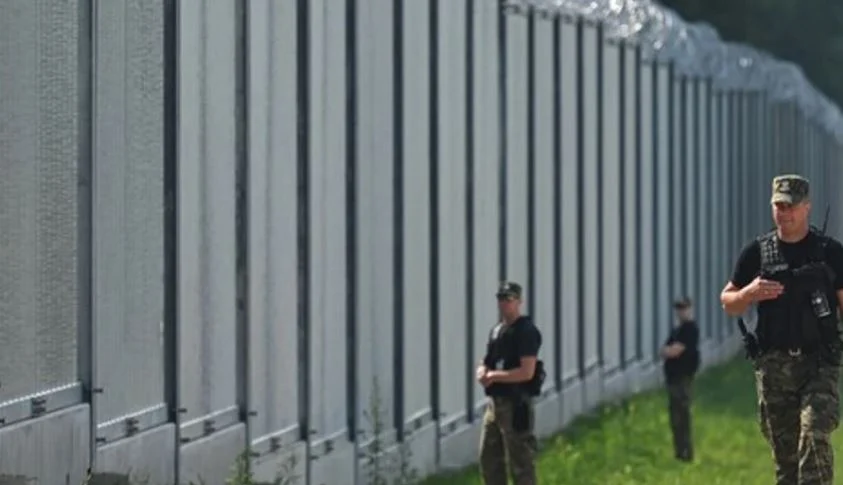
BRATISLAVA, Slovakia – May 13, 2026 – In an unexpected and dramatic move, Slovakia today announced the immediate closure of all its border crossings with Ukraine, citing "unspecified security concerns." The decision, which took effect around 3:00 PM local time (15:00 CET) on Wednesday, has plunged cross-border travel and trade into uncertainty, with authorities indicating the closures would remain in force until further notice. The abrupt measure comes just hours after Ukrainian President Volodymyr Zelensky warned of a potential new wave of Russian drone attacks, reporting over 100 unmanned aerial vehicles detected in Ukrainian airspace.
The Slovak Financial Administration, responsible for border control, confirmed the sweeping shutdown, triggering immediate concerns among commuters, logistics companies, and humanitarian organizations reliant on the vital transit routes between the two nations. While the exact nature of the security threat remains shrouded in official silence, the move underscores the persistent volatility and heightened alert status in Central Europe as the protracted conflict in Ukraine continues to cast a long shadow over its Western neighbors.
Main Facts
On Wednesday, May 13, 2026, the government of Slovakia enacted a comprehensive and immediate closure of all its border crossing points along the 97-kilometer (60-mile) frontier with Ukraine. The directive, which came into force at approximately 15:00 local time, was announced by the Slovak Financial Administration, the national body overseeing customs and border operations. The official statement attributed the drastic measure to "unspecified security concerns," a phrase that has since fueled widespread speculation and anxiety across the region.
Daniel Kovac, spokesperson for the Slovak Financial Administration, issued a terse statement confirming the unprecedented closure. "For security reasons, all border points on the border with Ukraine will be closed from approximately 3:00 PM on Wednesday until further notice," Kovac stated, as reported by the Slovak press agency. He further urged the public to "monitor current information and comply with the instructions of the Financial Administration and the Police Force," indicating a coordinated effort among various security agencies. The indefinite nature of the closure means that there is no clear timeline for the resumption of normal border operations, leaving thousands of individuals and countless tons of goods in limbo. This unilateral decision by a European Union and NATO member state bordering a war-torn nation signals a severe escalation in perceived threats, the details of which remain undisclosed by Slovak authorities.
Chronology of Events
The decision to seal off the Slovak-Ukrainian border was made and implemented with remarkable swiftness, indicative of a rapidly evolving security assessment.
Preceding Developments: A Day of Heightened Alert
The immediate backdrop to Slovakia’s border closure was a series of alarming reports emanating from Ukraine earlier on Wednesday. Ukrainian President Volodymyr Zelensky issued a stark warning, informing the nation and its allies that Ukraine was facing a potential "new wave of Russian drone attacks." This alert was predicated on the detection of more than 100 unmanned aerial vehicles (UAVs) within Ukrainian airspace, suggesting a significant, coordinated aerial assault or a prelude to one. While the specific targets or trajectories of these drones were not immediately clear, their sheer number signaled a major escalation in Russia’s use of drone warfare, a tactic that has frequently been employed to overwhelm Ukrainian air defenses and strike critical infrastructure.
For Slovakia, sharing a direct land border with Ukraine, such a development would undoubtedly trigger immediate concerns about potential spillover effects. The trajectory of some drones, the possibility of misidentification, or even intentional incursions into NATO airspace are perennial fears for frontline states. Even stray debris from intercepted drones or missiles could pose a risk to Slovak territory and its citizens. Moreover, the increased aerial activity could be interpreted as a precursor to more significant ground operations or destabilizing actions near the border, prompting a precautionary response from Bratislava.
The Unfolding Crisis at the Border: Wednesday Afternoon
The official announcement from the Slovak Financial Administration came swiftly after these reports, with the closure taking effect at approximately 15:00 CET. This timing suggests that Slovak authorities made their decision within hours of receiving intelligence regarding the heightened threat level in Ukraine. The speed of implementation left little room for preparation or alternative arrangements for those planning to cross the border.
Travelers and commercial vehicles attempting to approach the border crossings in the late afternoon were met with unexpected barriers and uniformed personnel enforcing the new directive. Reports from various checkpoints, including major arteries like Vyšné Nemecké-Uzhhorod, quickly confirmed the comprehensive nature of the shutdown. Vehicles were turned back, and pedestrian traffic ceased entirely. The immediate impact was one of confusion and frustration, as many individuals were caught unawares, having made no contingency plans. Logistics companies with cargo en route to or from Ukraine faced instant disruptions, with trucks suddenly stranded on either side of the border.
Broader Context: A Region on Edge
This sudden closure is not an isolated incident but rather fits into a broader pattern of heightened security measures and cautious responses by Ukraine’s Western neighbors since the full-scale invasion began in February 2022. While outright border closures have been relatively rare, various countries have implemented stricter controls, increased military presence, and adjusted their immigration and customs policies in response to the dynamic conflict. The 2026 date implies a prolonged conflict, which would naturally lead to ongoing vigilance and a willingness to take decisive action when perceived threats escalate. Slovakia, as a direct neighbor and a member of NATO and the EU, has consistently been on the front lines of the humanitarian and security challenges posed by the war, providing aid, hosting refugees, and supporting sanctions against Russia. The latest measure represents perhaps the most severe unilateral security action taken by Slovakia regarding its border with Ukraine to date.
Supporting Data and Background
The Slovak-Ukrainian border, though shorter than some of Ukraine’s other Western frontiers, holds significant strategic importance. Its closure, even if temporary, carries substantial implications for regional stability, economic flows, and humanitarian efforts.
Geopolitical Significance of the Border
The border between Slovakia and Ukraine spans approximately 97 kilometers (60 miles) and includes several official crossing points, including major international checkpoints like Vyšné Nemecké-Uzhhorod, which serves as a crucial artery for both passenger and freight traffic. This border is not merely a line on a map; it is a critical conduit for humanitarian aid flowing into Ukraine, essential goods moving between the warring nation and the European Union, and a transit route for Ukrainian refugees and migrant workers.
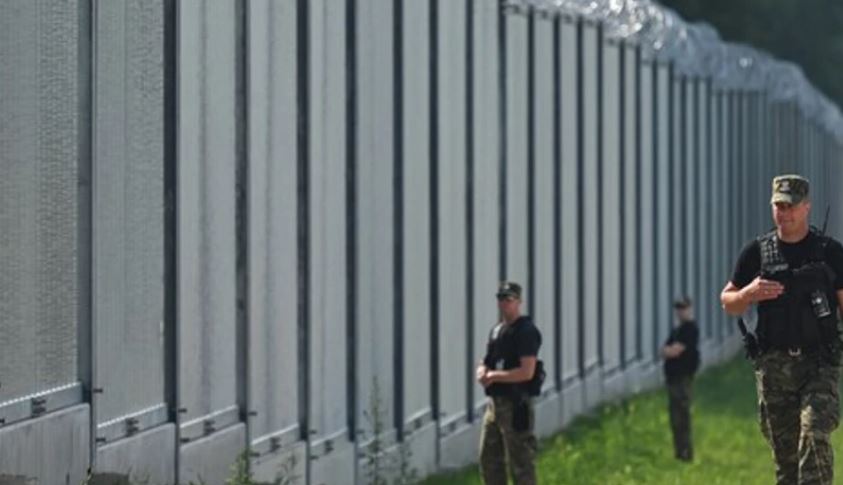
Slovakia’s position as a direct neighbor to Ukraine, and simultaneously a member of the European Union and NATO, places it at a sensitive geopolitical crossroads. The country has been a key partner in supporting Ukraine, facilitating the passage of military and humanitarian supplies, and integrating Ukrainian refugees into its society. The border has also been a focal point for various challenges, including managing refugee flows, combating cross-border smuggling, and ensuring the secure transit of goods during wartime. Any disruption to this border, therefore, reverberates across multiple sectors, impacting not only bilateral relations but also broader European and international efforts to support Ukraine.
Regional Security Landscape and Unspecified Concerns
The decision to close the border due to "unspecified security concerns" leaves much to interpretation, but within the context of the ongoing conflict, several plausible scenarios could explain such a drastic measure:
- Increased Threat of Spillover: President Zelensky’s warning about over 100 drones in Ukrainian airspace is a primary and immediate candidate for the unspecified threat. While these drones might be targeting Ukrainian cities or infrastructure, there is always a risk of miscalculation, navigation errors, or intentional incursions into NATO airspace. Even the debris from intercepted drones or missiles could pose a direct physical threat to Slovak territory or its population.
- Intelligence on Potential Sabotage or Infiltration: Slovak intelligence services might have received credible, albeit unverified, information regarding potential attempts by hostile actors to infiltrate Slovak territory via the Ukrainian border. This could involve agents, saboteurs, or individuals involved in illicit activities, seeking to exploit the chaotic wartime environment.
- Risk of Uncontrolled Refugee Influx: While not explicitly stated, a sudden deterioration of the security situation in Western Ukraine, perhaps triggered by the drone attacks or other military actions, could lead to a rapid and large-scale influx of refugees. An uncontrolled border closure might be a pre-emptive measure to manage such a scenario in a more orderly fashion, although this would contradict humanitarian principles if not handled carefully.
- Escalation of Illicit Activities: Wartime environments often see a rise in smuggling, human trafficking, and other illegal cross-border activities. Heightened security concerns might relate to an observed or anticipated surge in such illicit flows, which could pose a risk to national security or public order.
- Precautionary Measure Amid Uncertainty: In the absence of concrete, publicly disclosed information, the closure could also be a robust precautionary measure taken due to a general but significant increase in perceived risk. Given the long duration of the conflict and the constant threat of escalation, authorities might opt for maximum caution to protect national interests and citizen safety.
Compared to its neighbors, Slovakia’s action stands out. Poland, Hungary, and Romania, also bordering Ukraine, have maintained open borders, albeit with enhanced security checks, throughout the conflict, primarily to facilitate humanitarian aid and legitimate trade. While these countries have also faced challenges, a complete, indefinite closure is an extreme step, suggesting that Slovakia’s assessment of the immediate threat is uniquely severe or based on specific intelligence not shared publicly.
Slovakia’s Domestic Security Posture
Slovakia has, since the 2022 invasion, aligned itself with EU and NATO efforts to support Ukraine. However, its domestic political landscape has occasionally seen debates regarding the extent of this support and the implications for national security. The current government has consistently emphasized the need to protect Slovakia’s borders and ensure national sovereignty. This latest action reflects a potentially intensified focus on domestic security and border integrity, possibly influenced by recent intelligence assessments or shifts in geopolitical dynamics that have not been publicly detailed. The call for the public to heed instructions from both the Financial Administration and the Police Force underscores a unified and serious approach to a perceived threat that requires broad public cooperation.
Official Responses and Public Advisory
The response from Slovak authorities has been characterized by a blend of swift action and guarded communication, reflecting the sensitivity and urgency of the situation.
Statements from Slovak Authorities
Daniel Kovac, the spokesperson for the Slovak Financial Administration, remained the primary official voice confirming the border closure. His statements, delivered through the national press agency, emphasized the "security reasons" underpinning the decision and the indefinite duration "until further notice." The deliberate lack of specific details regarding the nature of these security concerns is notable. While understandable in a rapidly evolving security scenario, this opacity has inevitably led to conjecture and uncertainty. The authorities’ decision to keep the specifics confidential suggests either a highly sensitive intelligence matter, an ongoing operational response, or a desire to avoid public panic or providing information to potential adversaries.
The instruction for the public to monitor updates and follow directives from the Financial Administration and the Police Force highlights a coordinated governmental response. This implies that the decision was not solely a customs or border control matter but involved broader national security apparatus, including intelligence agencies and law enforcement. Such a unified advisory aims to ensure public safety and compliance, emphasizing the seriousness with which the threat is being treated. The government’s immediate priority appears to be the physical securing of the border and the maintenance of internal order, with communication focusing on directives rather than detailed explanations.
Ukrainian Reaction
While no immediate official reaction from Kyiv regarding Slovakia’s border closure was publicly available at the time of reporting, the implications for Ukraine are significant. The timing, coming hours after President Zelensky’s warning about Russian drone attacks, suggests a potential link between Ukraine’s escalating security challenges and Slovakia’s precautionary measures. Ukraine relies heavily on its Western borders for vital imports, including military aid, humanitarian supplies, and essential goods, as well as for the export of its agricultural and industrial products. The closure of the Slovak border will disrupt these critical supply chains and could place additional strain on other operational border crossings with Poland, Hungary, and Romania, potentially leading to bottlenecks and delays.
From Kyiv’s perspective, while understanding a neighbor’s security concerns, a sudden and indefinite closure could also be viewed with apprehension. It might raise questions about the level of coordination and information sharing between allies during a critical period. Ukraine would likely seek clarification on the specific threats and the anticipated duration of the closure, aiming to mitigate its impact on its wartime economy and humanitarian efforts. Diplomatic channels would undoubtedly be engaged to discuss the situation and explore potential solutions or alternative arrangements.
International Reactions
The international community, particularly the European Union and NATO, would likely be closely monitoring the situation. As both Slovakia and Ukraine are key partners, a unilateral border closure by an EU/NATO member state raises questions about regional coordination and solidarity. While member states retain the right to manage their national borders for security reasons, such a drastic step would typically prompt discussions within these blocs.
The EU would be concerned about the impact on the free movement of goods and people, particularly humanitarian corridors, and the potential for economic disruption. NATO would likely be interested in the nature of the "unspecified security concerns," especially if they relate to potential threats to the alliance’s eastern flank. The incident might trigger internal dialogues within both organizations about shared intelligence, border management protocols during wartime, and mechanisms for coordinated responses to cross-border threats. Neighboring countries, particularly Poland and Hungary, might also review their own border security postures in light of Slovakia’s decision, even if they do not immediately follow suit.
Advisory to the Public
Mr. Kovac’s repeated call for the public to "monitor current information" and "comply with the instructions" from authorities is a standard but critical element in managing a security crisis. It underscores the dynamic nature of the situation and the potential for rapid changes. The emphasis on compliance is crucial for maintaining public order and ensuring that security forces can effectively manage any perceived threats without additional complications from non-cooperative citizens. This advisory serves as a warning against speculative behavior and encourages reliance on official sources for accurate information, aiming to prevent the spread of misinformation and panic.
Implications and Future Outlook
Slovakia’s unprecedented decision to seal its entire border with Ukraine carries multifaceted implications, ranging from immediate economic disruptions to long-term diplomatic and security shifts.
Economic Impact
The most immediate and tangible consequence of the border closure will be felt in the economic sphere. The Slovak-Ukrainian border serves as a crucial artery for cross-border trade, facilitating the movement of a wide array of goods, from agricultural products and raw materials to manufactured goods and critical supplies. Logistics companies, already navigating the complexities of wartime supply chains, will face significant delays, increased costs, and logistical nightmares. Trucks carrying goods destined for or originating from Ukraine will either be stranded or forced to reroute to other, potentially more congested, border crossings with Poland, Hungary, or Romania. This redirection will not only increase transit times and fuel consumption but also put immense pressure on the infrastructure of those alternative routes.
Slovak businesses engaged in trade with Ukraine, and vice-versa, will suffer direct losses. Supply chains that rely on just-in-time delivery or specific transit times will be severely disrupted. The long-term impact could include a re-evaluation of trade routes, potential investment slowdowns in border regions, and an overall chilling effect on bilateral economic relations if the closure is prolonged. Ukraine, already grappling with a war-torn economy, can ill-afford further disruptions to its export and import capabilities.
Humanitarian Concerns
Beyond economic considerations, the humanitarian impact is a significant concern. The Slovak-Ukrainian border has been a gateway for hundreds of thousands of Ukrainian refugees seeking safety in the EU since the onset of the conflict. While major refugee flows have subsided from the initial peak, the border remains active for individuals traveling for family visits, work, or medical reasons. The closure will trap individuals on both sides, separating families and complicating essential travel.
Moreover, the border is a critical conduit for humanitarian aid convoys carrying food, medicine, and other essential supplies into Ukraine. Non-governmental organizations (NGOs) and international aid agencies operating in Ukraine rely on these routes. The sudden closure will force them to find alternative pathways, delaying aid delivery to vulnerable populations already suffering from the conflict. This could have severe consequences for those dependent on regular humanitarian assistance, particularly in areas near the front lines or in newly liberated territories.
Diplomatic Ramifications
The unilateral nature of Slovakia’s decision, even if driven by genuine security concerns, carries potential diplomatic ramifications. While sovereign states have the right to secure their borders, such a comprehensive closure by an EU and NATO member toward a country actively fighting a war might necessitate extensive diplomatic engagement. Ukraine will likely seek detailed explanations and assurances that humanitarian and essential trade corridors can be re-established or rerouted effectively.
Within the EU and NATO, the move could prompt internal discussions about coordinated border management strategies in times of regional conflict. It might also raise questions about intelligence sharing and the level of trust and cooperation among allies. While solidarity with Ukraine remains a cornerstone of Western policy, a prolonged closure could strain bilateral relations between Bratislava and Kyiv and potentially create friction within broader international alliances if not managed with transparent communication and concerted diplomatic efforts.
Long-term Security Posture
The decision to close the entire border, even for unspecified reasons, suggests a significant shift or intensification in Slovakia’s perception of the security threats emanating from the ongoing conflict. This could lead to a re-evaluation of its long-term border security posture. Future measures might include increased surveillance technologies, a more robust permanent presence of border guards and military personnel, and potentially even changes to border infrastructure. The incident might also prompt Slovakia to push for greater EU or NATO involvement in securing the eastern frontier, advocating for shared resources or intelligence-gathering initiatives.
The broader implication for regional stability is that the conflict in Ukraine continues to exert unpredictable pressures on its neighbors, demanding constant vigilance and a readiness to take drastic measures. The indefinite nature of the closure underscores the deep uncertainty that persists about the conflict’s trajectory and its potential for spillover into neighboring countries.
Uncertainty and Vigilance
Ultimately, the situation remains fluid and uncertain. The lack of specific information regarding the "security concerns" means that the duration of the closure and the conditions for its lifting are unknown. The public, businesses, and humanitarian organizations are left to operate under a cloud of ambiguity, relying on official updates that have, thus far, been sparse. This situation necessitates continued vigilance from all parties and a commitment from Slovak authorities to provide clear and timely communication as the situation evolves. The abrupt closure of the Slovak-Ukrainian border is a stark reminder that even years into the conflict, the ripple effects of the war continue to reshape the geopolitical landscape of Central Europe, demanding difficult decisions and imposing significant costs.