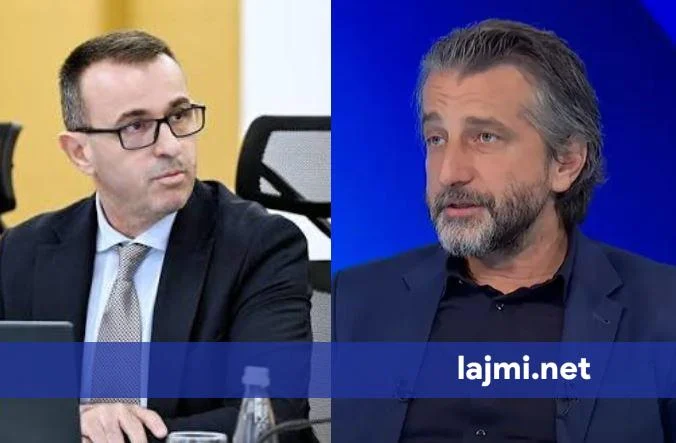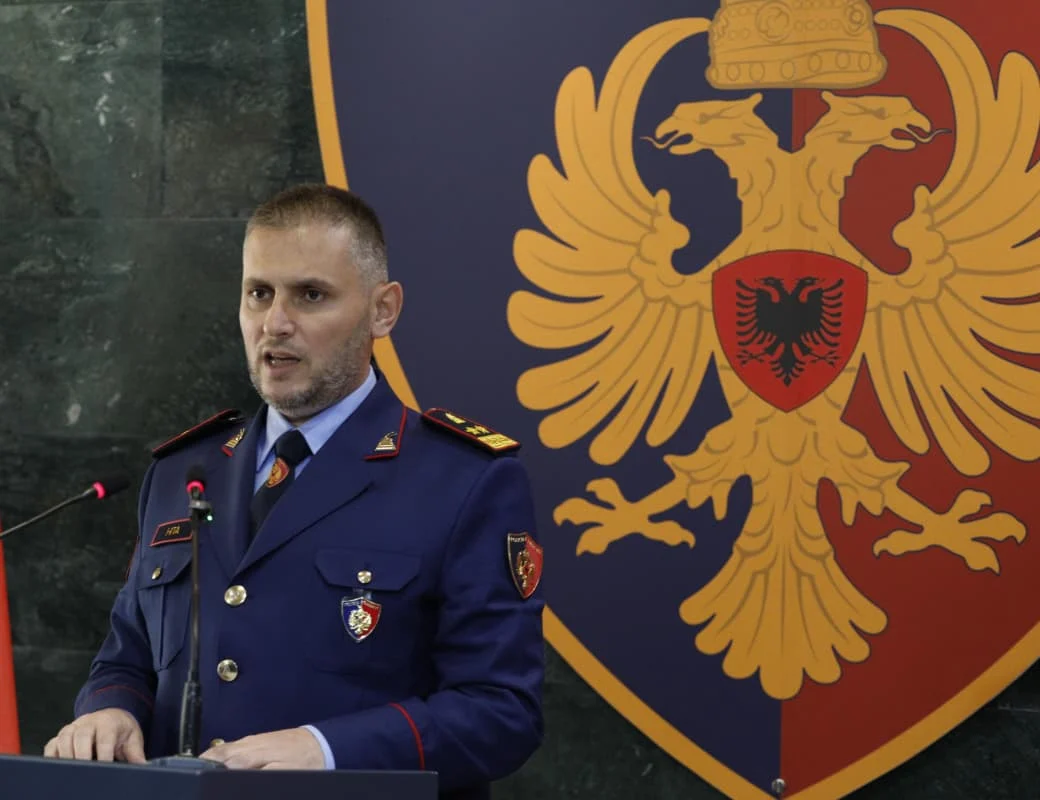
Tirana, Albania – October 15, 2026 – In a stark press conference held on Thursday, Skënder Hita, the Director General of the State Police, declared that the recent three-day wave of protests gripping Albania, initially framed as a student movement, has been systematically manipulated and fueled by "dark motives" originating both domestically and internationally. Hita asserted that behind the masks of protest and acts of violence, the true perpetrators are not students, but individuals "recruited for the dark purposes of the real organizers."
While Hita’s pronouncements cast a shadow of doubt over the authenticity of the student uprising, he notably declined to provide specific details when pressed by BIRN journalists regarding the identities of these alleged internal and external actors. This lack of transparency has only amplified the swirling speculation and concern surrounding the escalating unrest that has paralyzed parts of the capital and other major cities.
The Director General’s statement comes in the wake of increasingly violent confrontations between protestors and law enforcement. The demonstrations, which began with student grievances, have escalated dramatically, marked by the deployment of Molotov cocktails, the hurling of projectiles, and significant damage to both public and private property. What started as student rallies on Tuesday and Wednesday has, by Thursday, morphed into widespread marches and civil disobedience across the country. Young people and students have blocked roads, vandalized public institutions, and engaged in acts of defiance, painting a picture of widespread societal discontent that Hita now suggests is being exploited.
A Pattern of Disruption: Detained Individuals and Shifting Narratives
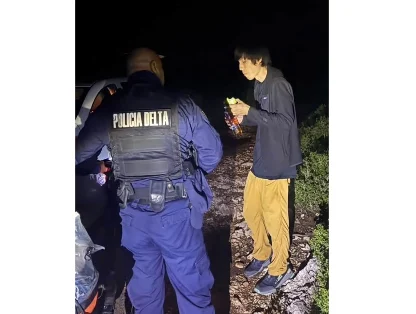
A critical point raised by Director General Hita was the composition of those detained during the protests. He stated that during the initial night of unrest, when 16 young individuals were apprehended, none were identified as students. Furthermore, he indicated that on the second night of detentions, the number of actual students among the arrested was "very small." This assertion directly challenges the narrative that the protests are solely driven by student frustration and suggests a deliberate infiltration or co-option of the movement by external elements.
Hita detailed the pervasive nature of the violence, noting that for nearly 72 hours, the capital city has been grappling with a relentless surge of violence, arson, and destruction targeting state institutions, public property, and private businesses. He emphasized the grave risk to the lives and safety of citizens, underscoring the breakdown of order that has characterized the past three days. The human cost of this unrest is also significant, with Hita reporting that 71 State Police employees have sustained injuries, some of them severe. This highlights the dangerous environment in which law enforcement officers have been operating.
The Boundaries of Protest: Violence vs. Expression
The State Police Director General reiterated the fundamental right to peaceful assembly, stating, "The State Police guarantees the constitutional right of every citizen, student, or political force to protest peacefully." However, he drew a firm line, asserting that "protest cannot be a shield for violence, arson, robbery, and the destruction of public and private property." This statement aims to differentiate between legitimate dissent and criminal activity, a distinction that appears increasingly blurred amidst the ongoing chaos.
In a direct appeal to parents, educators, and university faculty, Hita urged them to prevent their charges, including high school students and university students, from being exploited or involved in organized acts of violence. This call to action reflects a concern that vulnerable young people are being manipulated and incited to participate in destructive behaviors.
Addressing his own officers, Hita expressed unwavering support, urging them to remain steadfast in their duties. He pledged comprehensive backing, including compensation for any overtime hours served, acknowledging the immense pressure and danger they face. This assurance is crucial for maintaining morale and ensuring the continued functioning of law enforcement during this critical period.
A Plea for Disassociation and Individual Responsibility
Beyond the official pronouncements, Hita made a direct appeal to the participants of the rallies, urging them to immediately distance themselves from masked individuals and those engaging in violent acts. He implored them not to become complicit in acts of violence and destruction, emphasizing that "responsibility is individual, and anyone will face the force of the law." This message is designed to encourage self-preservation and a clearer demarcation between peaceful demonstrators and those intent on causing harm.
Hita reiterated the core principle that the right to protest must be exercised peacefully and cannot serve as a justification for violence and destruction. He also cautioned against misinterpreting the police’s self-restraint as weakness, suggesting a measured approach that prioritizes de-escalation but is prepared to act decisively when necessary.
Navigating the Unforeseen: Police Response and Public Scrutiny
Journalists at the press conference raised critical questions regarding the varying dynamics of police actions over the three days of protests. They inquired about the perceived inability of the police to prevent and manage the escalating situation, which has resulted in the destruction of both public and private property. The line of questioning suggests a public demand for accountability and a clearer understanding of the strategies employed by law enforcement.
In response, Hita maintained that the police have acted consistently throughout the period. He asserted that the actions taken by law enforcement in response to the violence perpetrated by protestors were "justified and proportionate." This defense aims to preempt criticism that the police response was either too lenient or too aggressive, positioning their actions as a necessary and appropriate reaction to the escalating aggression from the protestors.
However, the assertion of proportionality and justification will likely face further scrutiny, especially in light of the ongoing damage and injuries. The coming days will undoubtedly reveal more about the underlying motivations behind these protests and the effectiveness of the police’s strategy in restoring order and addressing the root causes of the unrest.
The Wider Context: Unpacking the Allegations of External Influence
Director General Hita’s assertion that the protests are being orchestrated by forces "from within and outside the country" opens a new and potentially more complex dimension to the unfolding crisis. While he stopped short of naming specific entities or countries, the implication is that the student movement has been co-opted and weaponized by political or geopolitical actors seeking to destabilize Albania.
This accusation is not new in the context of regional political dynamics, where external interference in internal affairs has been a recurring theme. If Hita’s claims hold weight, it suggests a sophisticated operation designed to exploit existing societal grievances and channel them into disruptive and destructive actions. The lack of specific evidence, however, leaves room for interpretation and potential political maneuvering.
Potential Scenarios and Future Implications
The implications of Director General Hita’s statements are far-reaching. If the protests are indeed orchestrated, it raises serious questions about the nature of dissent in Albania and the vulnerability of its institutions to external manipulation. It also suggests that the underlying issues that initially fueled student discontent may have been overshadowed or amplified by a more sinister agenda.
Several scenarios could unfold:
- Increased Repression and Crackdown: The police, armed with the conviction that they are dealing with orchestrated unrest, might adopt a more aggressive stance, leading to further arrests and a potential suppression of legitimate dissent under the guise of combating foreign influence.
- Political Fallout and International Scrutiny: If Hita’s claims are substantiated, it could lead to significant diplomatic repercussions for the countries or entities implicated. Albania might seek international support to counter alleged interference, potentially escalating regional tensions.
- Erosion of Public Trust: The ambiguity surrounding the organizers of the violence and the lack of concrete evidence could further erode public trust in both the government and the media. Citizens may become increasingly skeptical of official narratives, leading to a more fragmented and polarized society.
- Focus on Underlying Issues: Alternatively, the allegations of external manipulation could serve as a catalyst for a more thorough investigation into the genuine grievances of students and other segments of society. This could lead to a more constructive approach to addressing social and economic challenges.
The coming days and weeks will be crucial in determining the trajectory of events in Albania. The State Police’s commitment to restoring order, coupled with the need for transparency and accountability, will be paramount in navigating this complex and volatile situation. The true nature of these protests – whether a genuine student uprising or a carefully orchestrated campaign of destabilization – remains to be fully uncovered, with the potential for profound consequences for Albania’s domestic stability and its standing on the international stage.