By Mark Segal | October 25, 2026
The global ESG landscape experienced a significant shift this week, marked by a surge in regulatory clarity, institutional capital mobilization, and heightened scrutiny regarding corporate environmental claims. As sustainability reporting frameworks mature, the focus is pivoting from general climate disclosures toward granular, nature-related metrics and actionable decarbonization strategies. From the International Sustainability Standards Board (ISSB) proposing new nature-related reporting requirements to a massive $30 billion climate adaptation initiative by the European Investment Bank (EIB), the past seven days have underscored the accelerating integration of ESG factors into the core of global capital markets.
Main Facts: A Landmark Week for ESG Standardization
The defining theme of the week was the formalization of environmental accountability. The ISSB’s introduction of proposed nature-related reporting requirements represents a critical step forward in addressing the "biodiversity gap" in corporate disclosures. This move complements the ongoing efforts by the European Securities and Markets Authority (EMA), which has explicitly prioritized materiality, impacts, risks, and opportunities in its upcoming sustainability reporting enforcement agenda.
Corporate accountability also faced a reckoning. High-profile consumer brands—specifically Coca-Cola, Nestlé, and Danone—have agreed to overhaul their recycling and environmental claims following a formal complaint regarding greenwashing in the European Union. This outcome signals a tightening regulatory grip on corporate messaging, forcing companies to substantiate their sustainability claims with rigorous, transparent data.
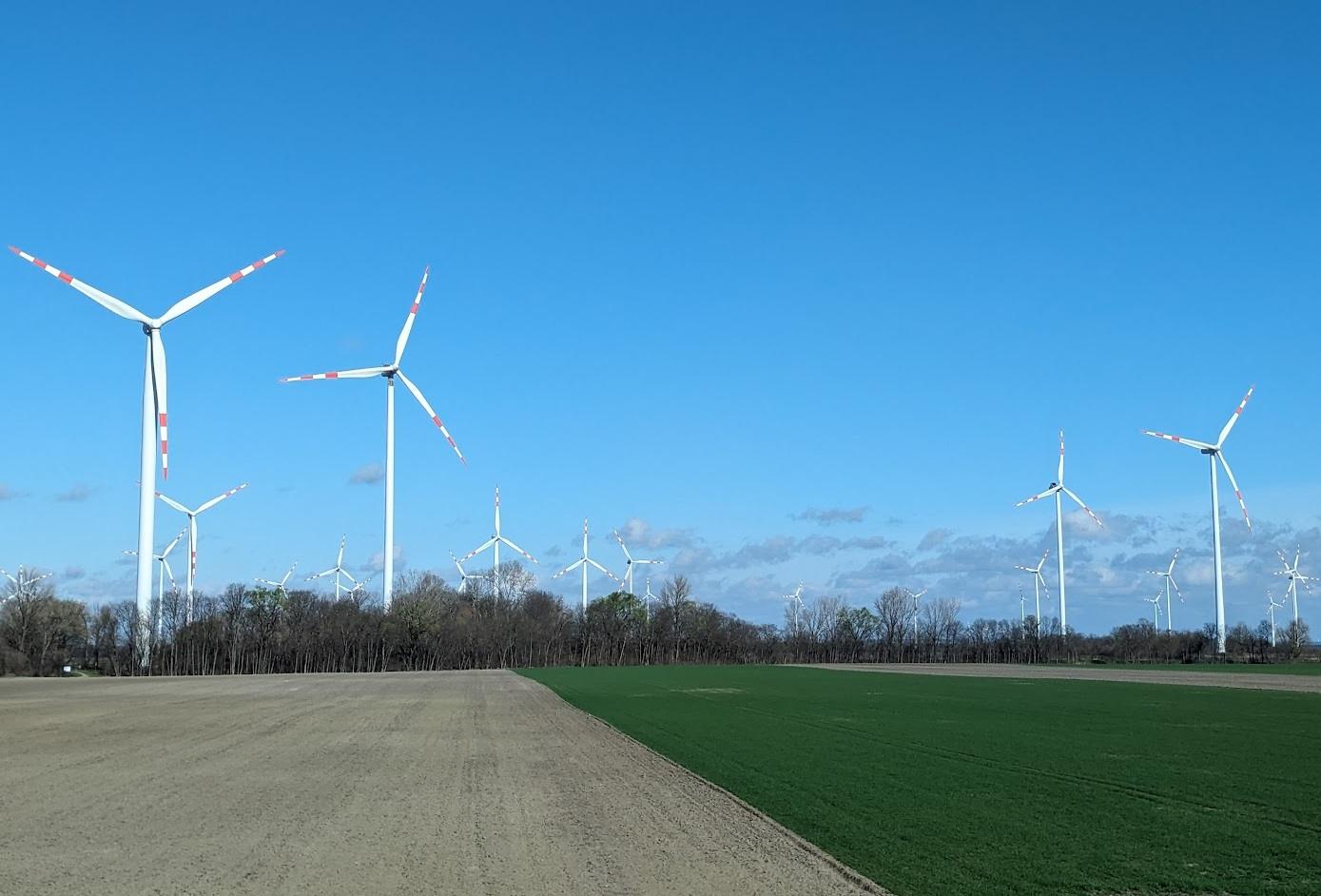
Furthermore, the private sector demonstrated immense appetite for energy transition assets. Blackstone’s announcement of an $8.7 billion raise for its energy transition fund, alongside significant capital inflows into clean energy infrastructure and virtual power plant (VPP) technologies, highlights that institutional investors are increasingly viewing the transition to net-zero not merely as a risk mitigation strategy, but as a primary engine for long-term alpha generation.
Chronology: A Snapshot of Key Developments
- Monday, Oct 19: Google announced a major breakthrough in decentralized energy, signing a deal to aggregate 1GW of virtual power plant capacity from residential and business sources.
- Tuesday, Oct 20: The European Investment Bank (EIB) unveiled a staggering €30 billion climate adaptation financing plan, aiming to bolster infrastructure against the physical impacts of climate change.
- Wednesday, Oct 21: The ISSB released its draft standards for nature-related reporting, setting a new global benchmark for how firms should disclose their dependency on ecosystems.
- Thursday, Oct 22: ESMA declared that "materiality and impact" will be the cornerstone of its sustainability enforcement for the coming fiscal cycle. Meanwhile, Citi launched an innovative outcome-based bond tied directly to carbon credit generation.
- Friday, Oct 23: A flurry of venture capital activity concluded the week, with firms like Peak Energy and Rabot securing major funding rounds to scale clean energy storage and virtual power grid solutions.
Supporting Data: The Scale of Investment
The financial figures from this week paint a picture of a sector in hyper-growth mode.
- Infrastructure & Funds: Blackstone’s $8.7 billion energy transition fund and Ara Partners’ $2.5 billion conventional energy optimization fund illustrate a massive reallocation of capital toward decarbonizing heavy industry.
- Carbon Markets: The deal between Google and McKinsey to purchase 320,000 tons of carbon credits from a Brazilian nature restoration project underscores the growing corporate reliance on high-quality, nature-based carbon removals.
- Technological Scaling: Venture capital is flowing into "smarter" energy solutions. Optivolt’s $32 million raise for solar technology and the $108 million round for Peak Energy—led by GM Ventures—highlight the rapid industrialization of the energy transition.
- Policy Support: The EU’s $3.8 billion investment in over 75 net-zero technology projects provides a clear signal that public funding remains a critical catalyst for the "first-of-a-kind" commercialization of emerging green technologies.
Official Responses and Strategic Shifts
The Regulatory Balancing Act
Canada’s decision to return to the drawing board regarding the "abatement" category in its sustainable finance taxonomy highlights the political and technical complexities of defining what constitutes a "green" transition in oil-and-gas-reliant economies. Similarly, the push by EU lawmakers to delay methane emissions rules by three years reflects the intense lobbying pressures that regulators face as they attempt to reconcile aggressive climate goals with economic stability.
The Corporate Pivot
The agreement by Coca-Cola, Nestlé, and Danone to adjust their marketing reflects a broader corporate shift: "Green-hushing" is being replaced by "data-backed transparency." By conceding to the EU’s greenwashing complaints, these firms are signaling that the cost of legal and reputational risk now far outweighs the benefits of vague environmental marketing.

Financial Engineering for Impact
Citi’s new outcome-based bond is a harbinger of a new class of financial products. By linking financial returns to the actual generation of carbon credits, the bank is essentially creating a synthetic market that incentivizes performance over mere intent. This aligns the interests of capital providers with the tangible, measurable outcomes of climate projects.
Implications: The Road Ahead
1. The Rise of "Nature-Positive" Reporting
The ISSB’s proposal is a game-changer. Historically, ESG reporting has been heavily carbon-centric. By mandating nature-related disclosures, the board is forcing companies to account for their water usage, land degradation, and impact on local biodiversity. Investors will soon have the tools to assess not just a firm’s carbon footprint, but its total environmental footprint.
2. The Decentralization of the Grid
The success of virtual power plant (VPP) initiatives from Google and Rabot indicates that the future of energy is decentralized. By aggregating small-scale storage and generation from homes and businesses, these platforms are effectively turning the consumer into a utility provider. This shift has massive implications for energy security and the resilience of the grid against extreme weather events.
3. The "Materiality" Mandate
ESMA’s focus on materiality is a warning to the market: "check-the-box" ESG reporting is dead. Regulators are now looking for "double materiality"—the concept that companies must report not only how sustainability issues affect their financial health but also how their operations impact the world. Companies that fail to provide a robust audit trail for these metrics will face significant enforcement actions.

4. Energy Transition as an Asset Class
The sheer volume of capital flowing into private equity energy transition funds suggests that the "ESG premium" is shifting. Rather than being a niche sector, energy transition infrastructure is becoming a core asset class. This is no longer just about compliance; it is about capturing the growth associated with the most significant industrial overhaul since the Industrial Revolution.
Conclusion
As we look toward the end of 2026, the trends from this week reveal an ESG environment that is becoming more disciplined, more data-driven, and more deeply integrated into the global financial system. The volatility and uncertainty that characterized the early days of ESG are giving way to a more rigorous, standardized, and commercially viable framework.
For corporations, the message is clear: transparency is no longer optional. For investors, the opportunity lies in identifying the firms that are effectively navigating this transition—those that are not just setting net-zero goals, but are actively deploying the technology, infrastructure, and reporting rigor necessary to achieve them. As we move forward, the focus on nature, materiality, and tangible outcomes will define the next chapter of sustainable finance.