The financial landscape is currently navigating a high-stakes standoff between legacy market infrastructure and the burgeoning world of decentralized finance (DeFi). A joint venture between the Intercontinental Exchange (ICE)—the parent company of the New York Stock Exchange—and the global crypto exchange OKX has encountered significant pushback as a growing cohort of blue-chip corporations formally object to their shares being included on the partners’ planned "Tokenized Securities Venue" (TSV).
As of October 26, 2026, the list of companies explicitly opting out of the platform has swelled to 22. This rapidly expanding roster suggests that while the allure of 24/7, blockchain-based trading is gaining momentum, the world’s largest issuers remain deeply concerned about the regulatory, operational, and security risks inherent in the tokenization of traditional equities.
The Chronology of Opposition
The resistance to the OKX-ICE TSV has been swift and persistent. On October 15, the project’s initial public notice identified nine companies that had expressed objections to their shares being tokenized for trade on the platform. By October 19, that figure climbed to 16. Just one week later, the list reached 22, signaling a clear trend of corporate apprehension.
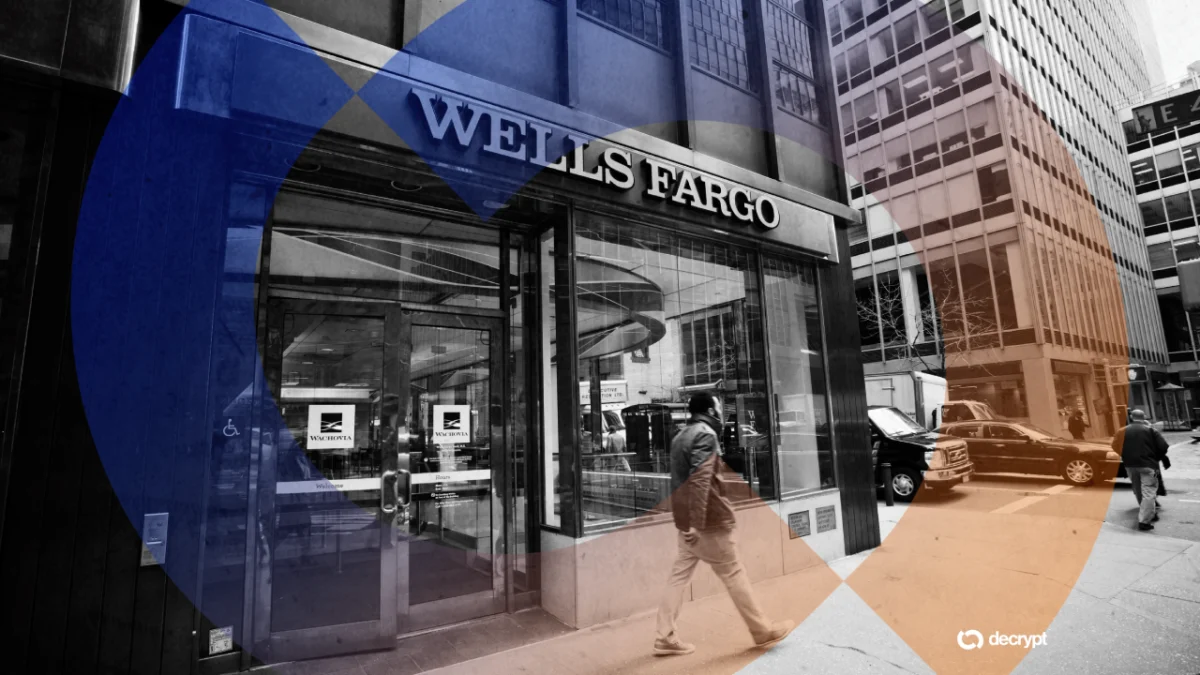
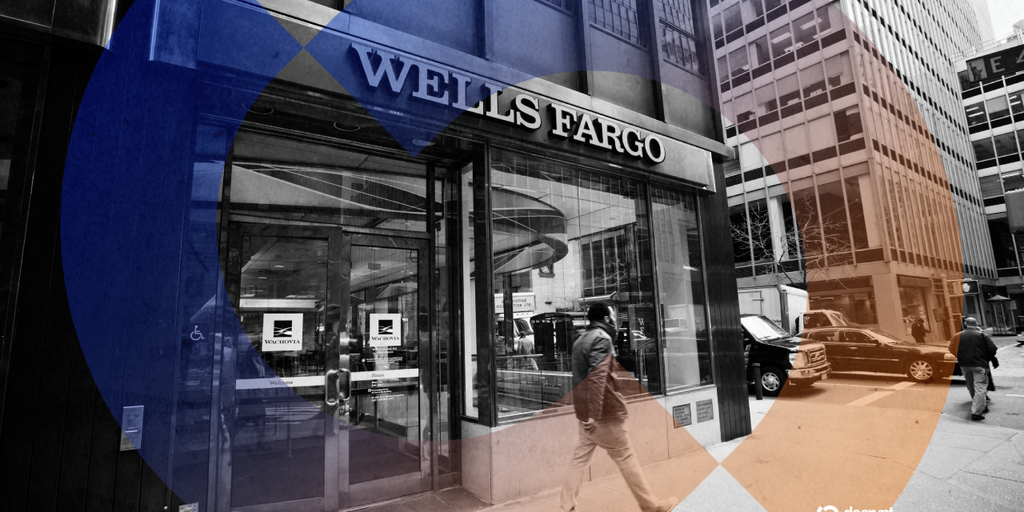
The most recent additions—Wells Fargo, Cisco Systems, Marvell Technology, Arm Holdings, Moderna, and Intuit—highlight that the resistance is not confined to one sector. It cuts across banking, semiconductor manufacturing, networking hardware, and biotechnology. These companies join a prestigious and diverse group of early objectors, including tech giants Microsoft and Alphabet, financial titan Goldman Sachs, and healthcare heavyweight UnitedHealth Group.
While these companies have made their stance clear, the specific reasons behind their objections remain shrouded in mystery. Neither the corporations themselves nor the OKX-ICE TSV have provided granular details on why these specific issuers are choosing to distance themselves from the venue, nor has the platform clarified exactly how these objections will be legally enforced or technically implemented.
The Mechanics of the OKX-ICE TSV
The OKX-ICE TSV is a 50-50 joint venture designed to bridge the gap between traditional U.S. equities and the efficiency of blockchain technology. The platform intends to allow approved users to trade tokenized versions of U.S. stocks around the clock, seven days a week.
Technically, the venue utilizes Uniswap v4 liquidity pools integrated with OKX’s proprietary XLayer blockchain. Transactions are paired with stablecoins, most notably USDC, to facilitate seamless movement between fiat-pegged assets and tokenized equity representations. The platform operates under the SEC’s "innovation exemption," a regulatory framework unveiled in September 2026 following the stalling of the Clarity Act in the U.S. Senate.
The venue has clarified that it possesses the capability to list shares tokenized by the issuers themselves, or alternatively, by third-party intermediaries. However, to date, none of the 22 objecting companies have opted to participate in either capacity, casting doubt on the immediate viability of the venue’s asset pipeline.
Technical Vulnerabilities and Operational Risks
The latest public notice from the venue reveals a stark list of technical and operational realities that likely inform the skepticism of the objecting firms. The document outlines a risk profile that departs significantly from the standard protections found on traditional exchanges like the NYSE or Nasdaq.
Lack of Traditional Circuit Breakers
While the platform intends to mirror the status of the underlying security—meaning trading will pause if the actual stock is halted on the primary exchange—the venue does not employ traditional circuit breakers. In the volatile world of crypto-native trading, the absence of these guardrails could exacerbate price swings, particularly during off-market hours when traditional liquidity is absent.
The MEV Dilemma
Perhaps most concerning to institutional players is the lack of policy regarding Maximal Extractable Value (MEV). MEV refers to the profit that blockchain validators or savvy traders can extract by reordering, front-running, or censoring transactions within a block. For institutional investors accustomed to the fairness and transparency of regulated order books, the prospect of participating in a market susceptible to MEV exploitation is a non-starter.
Smart Contract and Governance Risks
The platform’s governance model allows administrators to upgrade smart contracts without advance notice to the user base. Furthermore, the smart contract governing access—the "gatekeeper" of the liquidity pool—has undergone only internal audits. In an era of high-profile DeFi hacks and bridge failures, the reliance on unaudited or internally audited code poses a massive hurdle for risk-averse, publicly traded companies.
Market Implications: Liquidity and Regulation
The broader market impact of this standoff is profound. The venue’s documentation explicitly warns that broker-dealers may face "unsettled questions" regarding trade reporting and best execution. These regulatory ambiguities, combined with the lack of institutional participation, threaten to create a "thin" market—one characterized by low liquidity and high slippage.
The IMF recently weighed in on the sector, noting that while there is undeniable investor demand for tokenized stocks—particularly during weekends and holidays when traditional markets are shuttered—the asset class remains plagued by volatility and limited depth. The refusal of major companies to endorse these venues further restricts the pool of assets available for trade, potentially leading to a fragmented ecosystem where "blue-chip" tokens remain unavailable while riskier assets dominate the platform.
The competitive landscape is also shifting. Nasdaq, which secured SEC approval for its own tokenized securities pilot, has taken a decidedly different path, proactively opting its shares out of the innovation exemption. This suggests a divide in the industry: traditional exchanges are experimenting with the technology, but they are doing so with a level of caution that prioritizes the protection of the underlying asset’s integrity over the rapid expansion of a tokenized marketplace.
Why the Silence?
The lack of official statements from the objecting companies is telling. From a legal standpoint, firms like Microsoft and Goldman Sachs likely view their objection as a defensive measure to prevent the dilution or unauthorized use of their brand and equity value within an unproven financial ecosystem.
By failing to provide a public rationale, these companies may be keeping their options open. They are not necessarily anti-tokenization; they are anti-risk. Should the OKX-ICE venue manage to address the technical shortcomings—such as implementing robust circuit breakers, providing external security audits, and establishing a clear framework for trade execution—the current wave of objections could theoretically be reversed.
However, as it stands, the project faces a "chicken-and-egg" problem. Without the endorsement of major issuers, the venue struggles to gain the legitimacy required to attract institutional capital. Without institutional capital, the liquidity required to ensure the stability of these tokenized assets remains out of reach.
Conclusion
The standoff between the world’s largest corporations and the OKX-ICE TSV represents a critical juncture for the evolution of financial markets. The ambition to bring the 24/7 efficiency of blockchain to the trillion-dollar equity market is clear, but the path forward is obstructed by legitimate concerns regarding security, transparency, and regulatory alignment.
As the list of objecting companies grows, the venue faces mounting pressure to pivot from its current model toward a more transparent, audited, and secure infrastructure. Until the platform can demonstrate that it offers a level of safety and reliability equivalent to traditional, regulated exchanges, it remains trapped in a state of speculative limbo. For now, the "tokenization of everything" continues to face the sobering reality that, in the world of global finance, trust remains the most valuable asset of all.