In an era where the global content marketing industry is projected to reach an eye-watering $107 billion by 2026, the demand for precision, speed, and cross-channel synergy has never been higher. For modern marketing teams, the question is no longer whether to use a content calendar, but which platform can best turn a chaotic creative process into a repeatable, scalable, and data-driven system.
As marketers face increasing pressure to prove ROI while managing burnout—with 58% of professionals reporting feelings of being overwhelmed in recent industry surveys—the right content calendar tool has become the difference between a high-performing brand and a fragmented one.

Understanding the Landscape: What Are Content Calendar Tools?
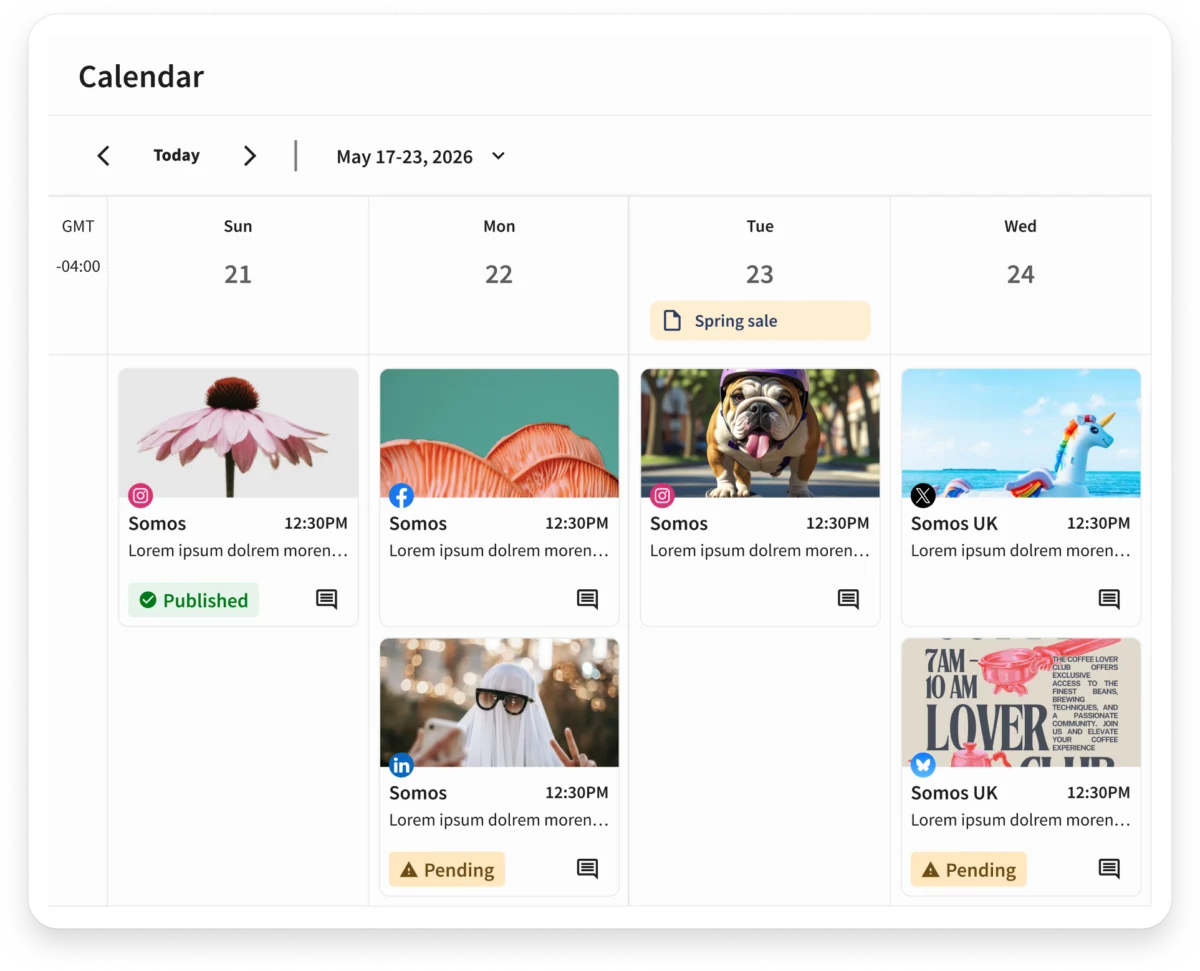
At their core, content calendar tools—often referred to as content management software—are centralized platforms designed to plan, schedule, manage, and distribute content across a diverse array of digital channels. Whether you are managing blog posts, email newsletters, long-form video, podcasts, or social media updates, these tools provide a bird’s-eye view of your entire marketing pipeline.
Carolina Horna, a Freelance Creative Director and Brand Strategist, notes that the transition from static spreadsheets to dedicated software is a professional inflection point. "Using a dedicated tool as opposed to a Google Doc or spreadsheet adds a level of organization and clarity that is hard to achieve without it," says Horna. "With a content calendar tool, I’m able to see my strategy come to life, maintain my content pillar distribution, and collaborate easily with my team."

Content Calendar vs. Social Media Calendar: The Scope of Strategy
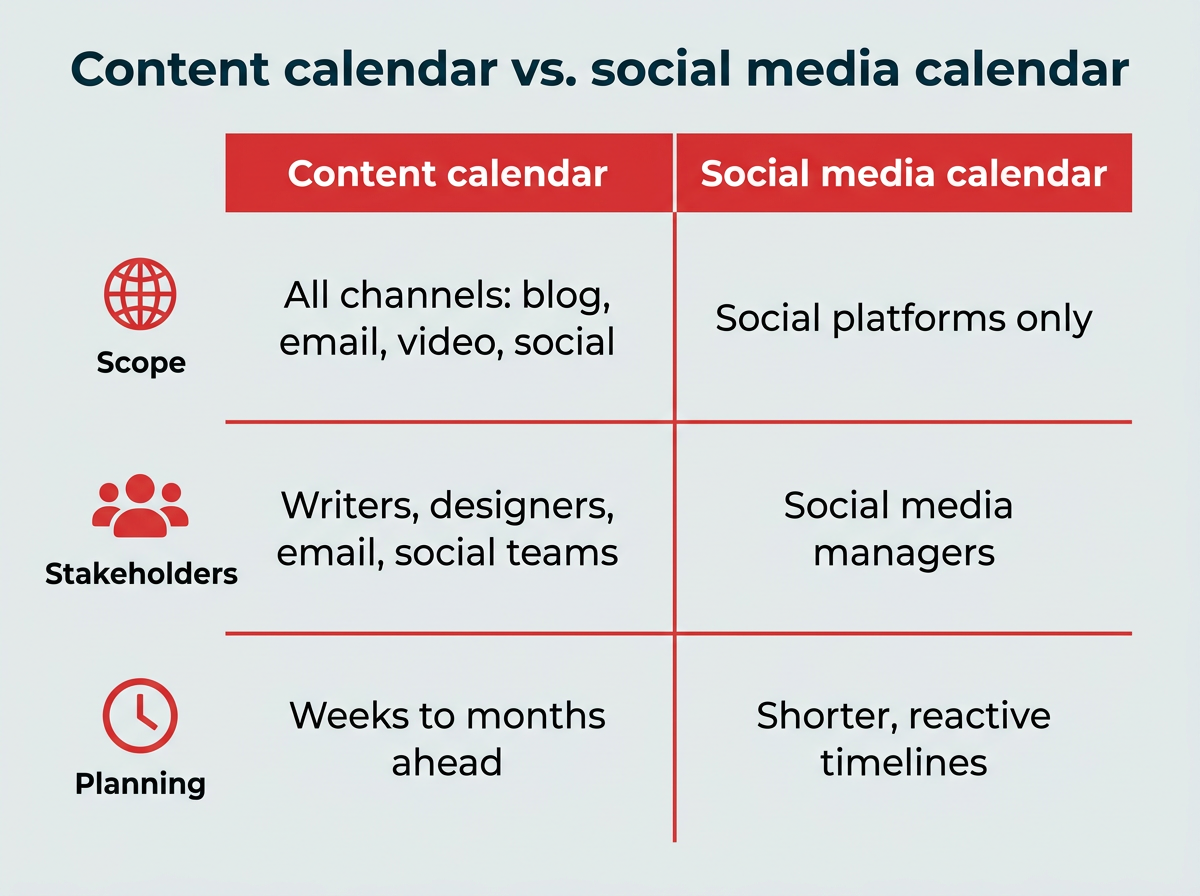
It is vital to distinguish between a general content calendar and a social media-specific calendar.
- A Content Calendar acts as a master hub for all marketing efforts. It encompasses the long-term editorial strategy, including website content, whitepapers, email campaigns, and multi-channel social pushes.
- A Social Media Calendar is a tactical, high-frequency tool designed for the rapid-fire nature of platforms like Instagram, TikTok, LinkedIn, and Facebook.
For small teams, a social-only tool may suffice. However, for organizations scaling their reach, a broader content calendar is essential to ensure that every tweet, blog post, and email is aligned with the same overarching brand narrative.
Why Centralized Planning Matters: Data and Efficiency
The shift toward centralized planning is not just about aesthetics—it is a response to the economic realities of 2026. Marketing budgets are tightening, and CMOs are prioritizing efficiency above all else.
Recent industry data highlights five core benefits of utilizing a professional-grade content calendar:
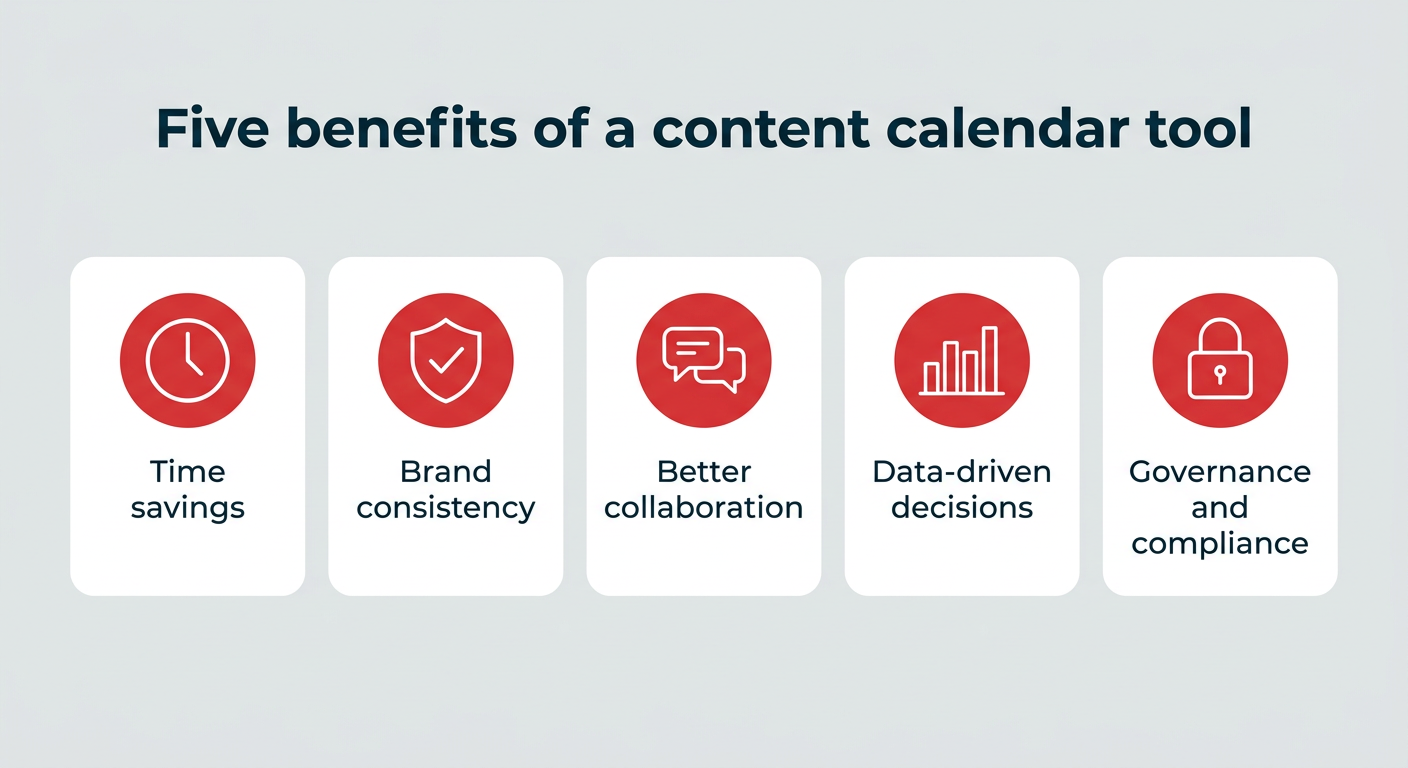
- Time Savings: Automating the scheduling and publishing process eliminates manual labor.
- Brand Consistency: Centralized assets and brand kits ensure every piece of content adheres to visual and editorial guidelines.
- Enhanced Collaboration: Siloed teams—writers, designers, and managers—can operate within a single source of truth.
- Data-Driven Decisions: Integrated analytics allow teams to see what is performing in real-time and pivot strategy accordingly.
- Governance and Compliance: For large enterprises, automated approval workflows prevent off-brand or non-compliant content from going live.
Key Features to Evaluate in 2026
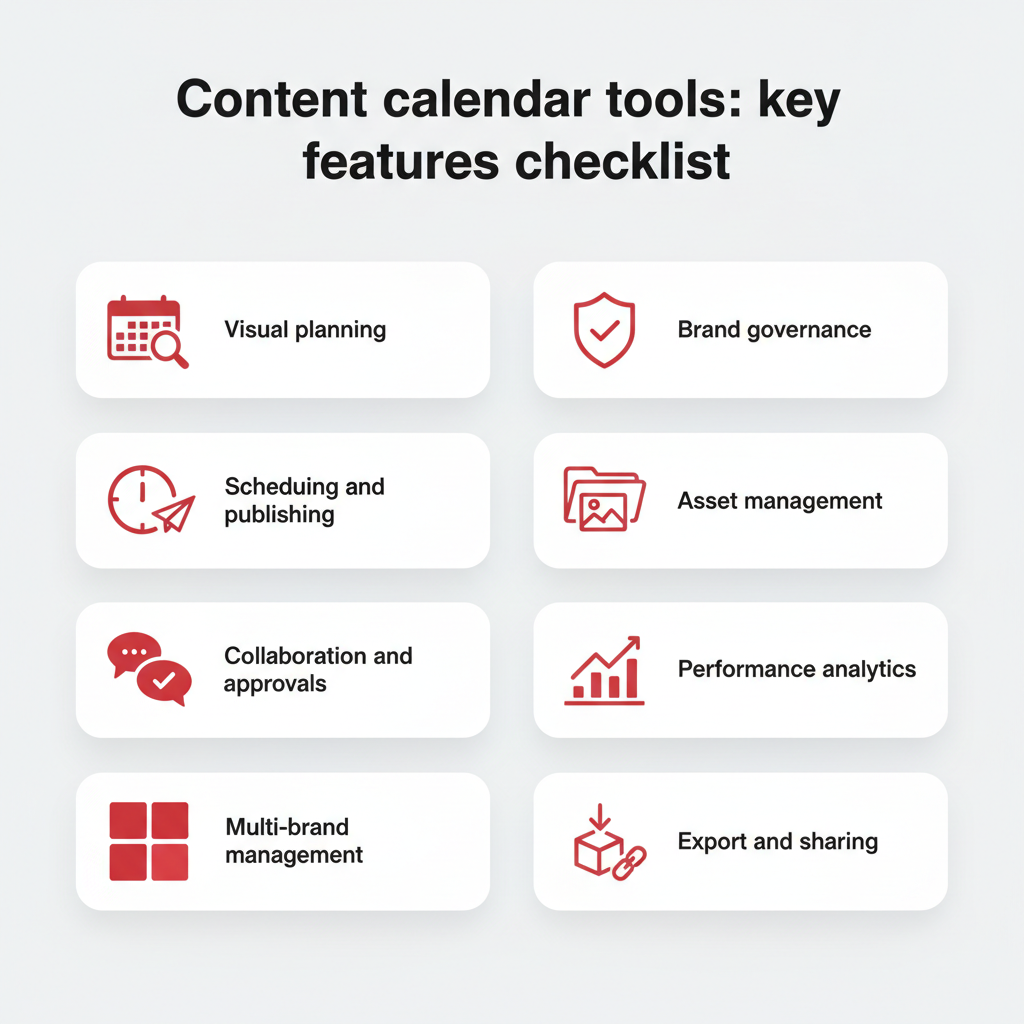
When selecting a tool, the "best" option is subjective to your specific workflow. However, market leaders share a common set of non-negotiable features:
- Multi-View Functionality: The ability to toggle between a traditional monthly calendar, a Kanban board for production, and a list view for specific tasks is critical.
- Integrated Approval Workflows: A system where team members can request, review, and sign off on content prevents bottlenecking.
- AI Orchestration: As Generative AI becomes standard, tools that offer AI-powered caption generation, idea brainstorming, and performance prediction are becoming essential for maintaining speed.
- Native Publishing: The ability to post directly to platforms—without needing third-party plugins—drastically reduces the risk of technical errors.
A Comparative Analysis of 2026 Market Leaders
1. Hootsuite: The Enterprise Standard
Hootsuite remains the industry leader for organizations requiring a "Social Operating System." By integrating planning, scheduling, listening, and analytics, it allows teams to execute complex campaigns within a single, secure environment. Its AI-powered "Wisdom" layer, combined with enterprise-grade governance, makes it the top choice for brands managing multiple regions or sub-brands.
2. Planable: The Collaboration Specialist
If your primary pain point is the "review loop," Planable is unmatched. It allows stakeholders to view content exactly as it will appear on the live platform, facilitating easy comments and rapid approvals. It is highly favored by agencies working with external clients who require transparency.
3. Asana and Monday.com: The Project Management Powerhouses
For teams that view content marketing as a subset of broader project management, tools like Asana and Monday.com offer superior workflow automation. While they may lack the native, high-level social analytics of a dedicated platform like Hootsuite, their ability to link content tasks to overarching business milestones is a significant advantage for large marketing departments.
4. Notion and Airtable: The Flexible Architects
For teams that prize customization above all, Notion and Airtable provide the "blank canvas" approach. These tools are essentially databases that can be molded into any shape. They are ideal for startups and creative teams who want to build a proprietary content architecture from the ground up, though they require a higher initial investment of time to configure.
Setting Up Your Workflow: A Step-by-Step Approach
If you are currently struggling with fragmented processes, the following six-step implementation plan can transition your team to a more professional footing in just one week:
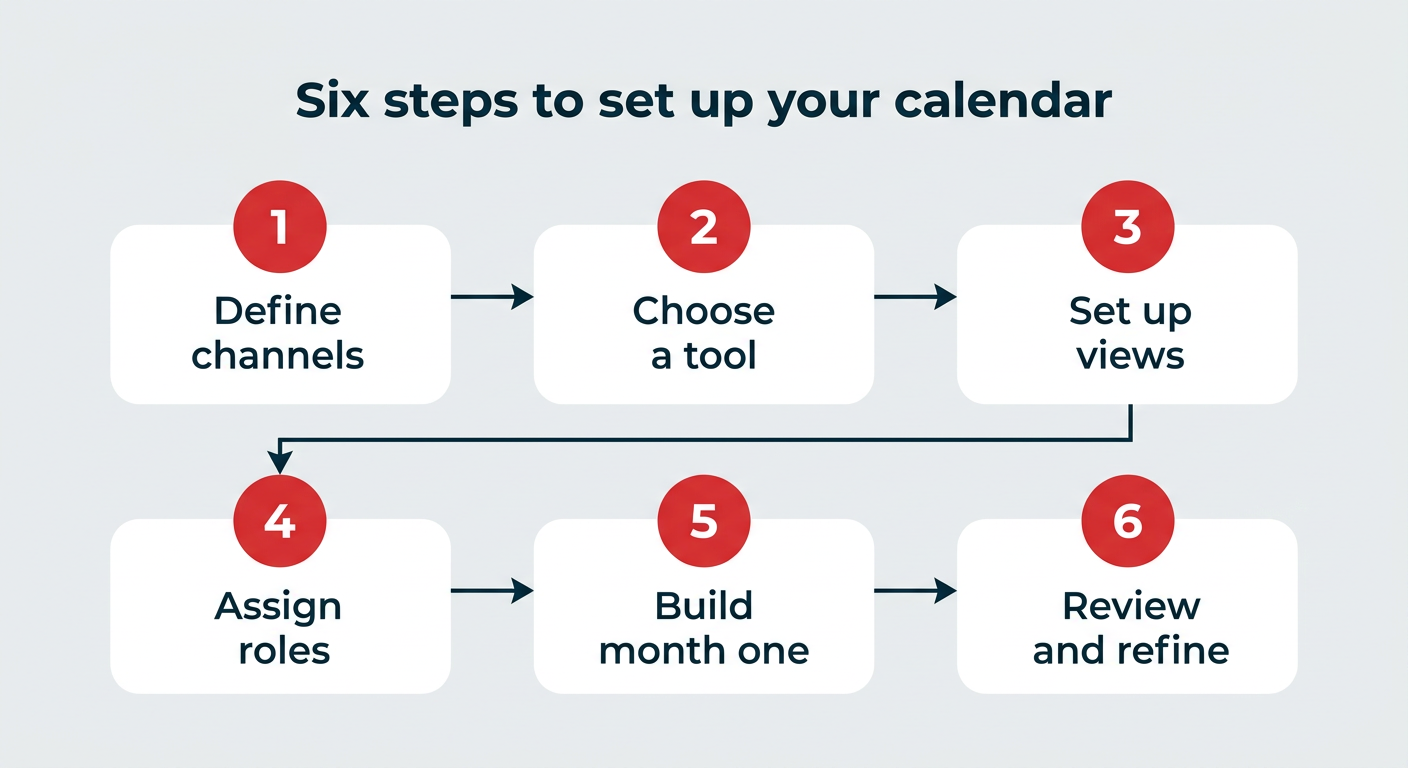
- Inventory Your Channels: Document every single platform you publish to, including formats like carousels, newsletters, and video.
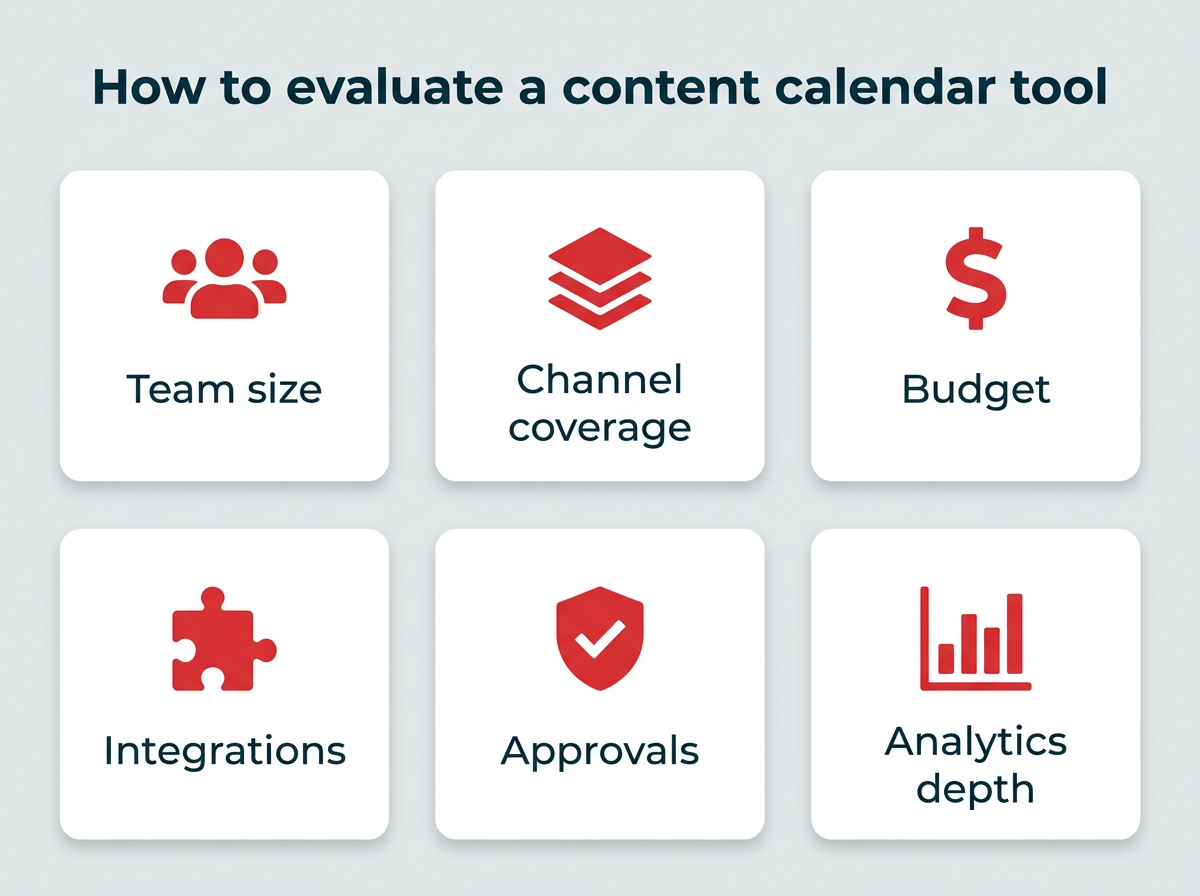
- Select Your Tool: Choose based on your specific team size and budget. Avoid "over-buying" features you won’t use.
- Structure Your Views: Set up a monthly planning calendar and a production Kanban board.
- Assign Roles and Permissions: Establish a clear chain of command, ensuring that only designated editors have the authority to push the "publish" button.
- Build Your First Month: Populate the calendar with evergreen content and known seasonal campaigns, leaving room for reactive, trend-based posts.
- Review and Iterate: After 30 days, analyze the bottlenecks. Did the design team get their assets in on time? Was the approval process too slow? Adjust your workflow accordingly.
The Future of Content Planning
As we move deeper into 2026, the "best" tool is the one that your team trusts enough to use every single day. The rise of AI-integrated suites means that the line between a simple calendar and a fully automated marketing engine is blurring.
For the modern marketer, the ultimate goal is simple: stop chasing down updates, stop struggling with broken spreadsheets, and start spending that recovered time on the high-level strategy that actually moves the needle. By selecting the right platform and committing to a structured workflow, you move from merely "posting content" to executing a sophisticated, multi-channel strategy that delivers measurable, consistent ROI.