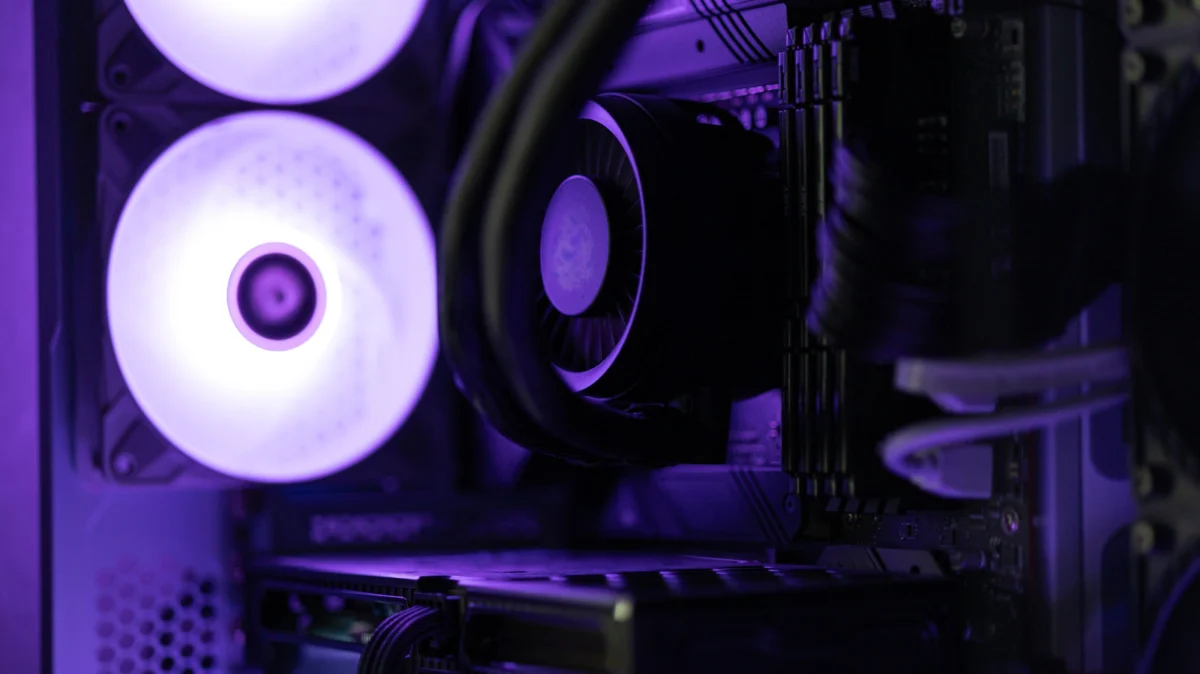
For decades, the PC enthusiast community was defined by a single, obsessive pursuit: "free" performance. In the 2000s and early 2010s, building a custom PC wasn’t just about selecting high-end parts; it was about the art of overclocking. By manually adjusting core multipliers, tweaking voltages, and painstakingly testing for stability, users could push their mid-range processors to perform like flagship models.
Today, however, that culture of manual hardware manipulation has largely evaporated. While the technical capability to overclock remains, it is no longer the hallmark of the power user. Instead, the industry has shifted toward automated, manufacturer-sanctioned performance boosting, leaving the era of manual overclocking in the rearview mirror.
The Chronology of the Overclocking Era
To understand why overclocking has declined, one must look at the evolution of silicon manufacturing. In the early days of computing, CPUs were manufactured with wide safety margins. Because fabrication processes were less consistent, manufacturers often set conservative clock speeds to ensure that every chip—even those from the lower end of the silicon quality spectrum—would function reliably. This created a significant "performance gap" between the factory settings and the chip’s actual physical limit.
The Golden Age (2000–2015)
During this period, overclocking was a rite of passage. Famous processors, such as the Intel Core 2 Duo E6600 or the legendary Intel Core i7-2600K, became cult classics specifically because of their "headroom." Enthusiasts would swap out stock coolers for massive aftermarket heat sinks, push voltages to the brink, and share their results on forums like Overclock.net or AnandTech. It was a time when a $200 processor could, with the right cooling and luck, outperform a $500 flagship.
The Shift Toward Efficiency (2016–2020)
As the industry moved toward smaller manufacturing nodes (moving from 28nm to 14nm and beyond), the laws of physics began to constrain the gains of overclocking. The power-to-performance curve became steeper; pushing a CPU just 200MHz higher often required a disproportionate increase in voltage and heat. Manufacturers also began to improve their "binning" processes, identifying the best-performing chips at the factory and selling them at higher stock speeds.
The Modern Automated Era (2021–Present)
Today, we exist in the age of "Auto-Boost." Modern CPUs are now so tightly tuned by their internal algorithms that manual intervention often yields negligible—or even negative—results.
Supporting Data: The Diminishing Returns
The decline of manual overclocking is backed by cold, hard data regarding power consumption and thermal limits. In the past, increasing a clock speed by 10% might have resulted in a 10% increase in performance with only a modest rise in power draw.
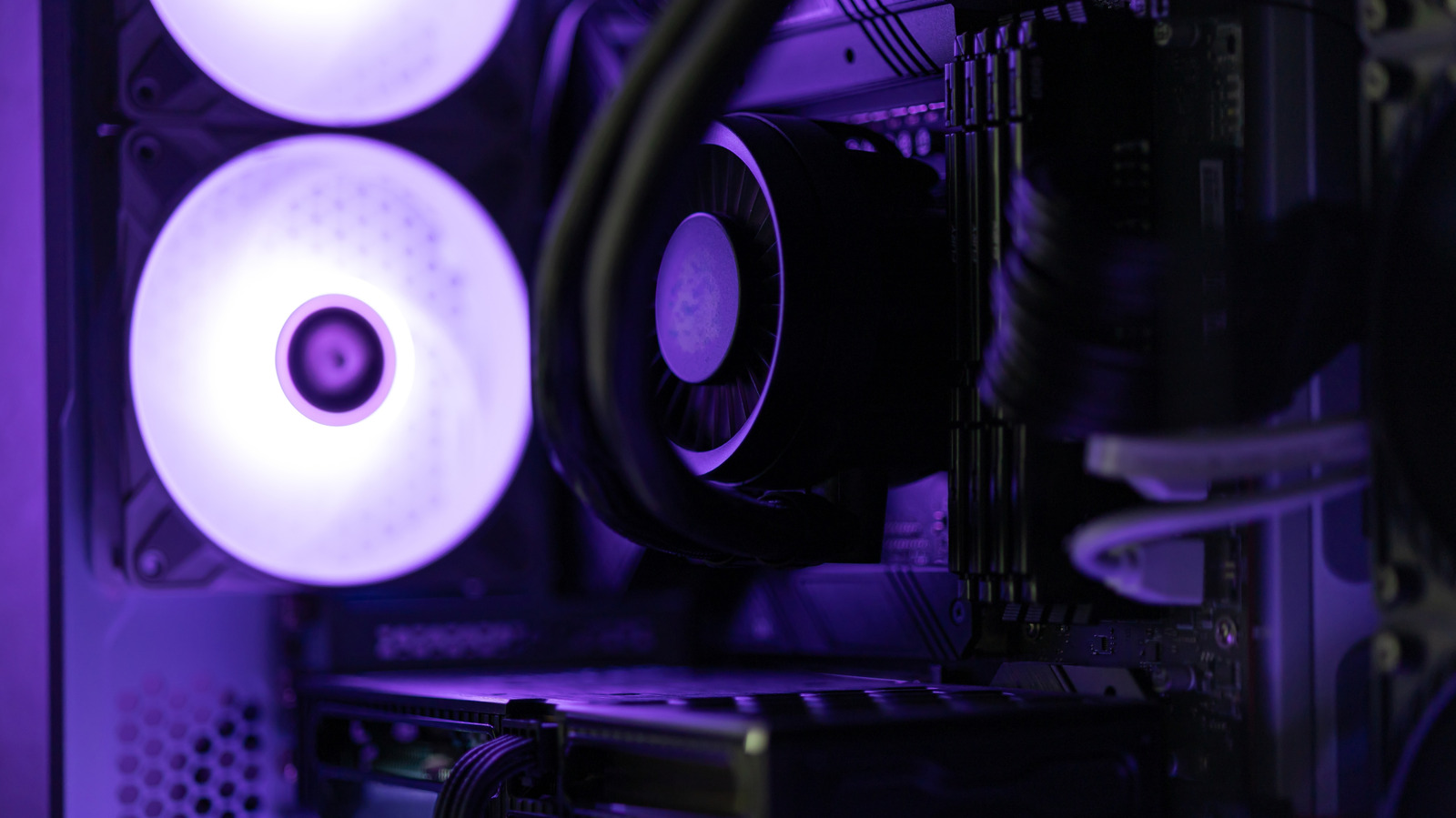
In modern architectures, such as AMD’s Ryzen 7000/9000 series or Intel’s 14th/15th Gen processors, the chips are designed to consume as much power as their thermal solution allows. If you force a manual "all-core" overclock, you often override the chip’s sophisticated power management, which is designed to burst high speeds on single cores (where it matters most for gaming) and dial back on multi-core loads to prevent throttling.
Furthermore, silicon binning has reached a level of maturity where the "lottery" aspect is minimized. When you purchase a modern flagship CPU, the manufacturer has already pushed the silicon to roughly 95% of its practical capability. The final 5%—the "headroom"—is so thermally inefficient that it is rarely worth the stability risks or the noise generated by the necessary cooling solutions.
The Rise of Automated Performance: PBO and Multi-Core Enhancement
Rather than requiring a degree in electrical engineering to overclock, modern users now rely on automated features embedded in the BIOS:
- Precision Boost Overdrive (PBO): AMD’s signature technology. It monitors thermal and power telemetry in real-time, allowing the processor to exceed its rated power limits if the cooling solution is adequate. It is dynamic, intelligent, and far more effective than a static manual overclock.
- Multi-Core Enhancement (MCE): Commonly found on Intel-based motherboards, this setting removes the power limits imposed by the CPU manufacturer, allowing the processor to maintain its "boost" clock across all cores indefinitely.
- Curve Optimizer: Perhaps the most "enthusiast-friendly" modern tool, this allows users to undervolt their CPUs. By reducing the voltage required for a given clock speed, the CPU runs cooler, which in turn allows the boost algorithm to maintain higher frequencies for longer durations. This is the modern, more efficient evolution of overclocking.
Official Industry Stance
Major chip manufacturers have shifted their messaging significantly. In the past, manufacturers like Intel and AMD treated overclocking as a niche, unsupported activity that could void your warranty. Today, they have embraced "guaranteed" performance boosts.
AMD’s Ryzen Master utility is a prime example. The company provides a software interface that allows users to enable PBO with a single click. They have essentially co-opted the overclocking hobby, bringing it into the mainstream and removing the danger of "bricking" hardware through improper voltage settings.
Intel, while more cautious, has also introduced features like "Intel Adaptive Boost Technology" and improved XTU (Extreme Tuning Utility) software, acknowledging that their core user base expects the hardware to perform at its peak without requiring manual BIOS gymnastics.
Implications for the Future of PC Gaming
What does this mean for the future of the PC enthusiast? The implications are three-fold:
1. The Death of "Free" Performance
The idea that one can buy a cheap CPU and make it perform like a high-end model is largely dead. The silicon is now optimized to be sold at its absolute peak performance tier, meaning that if you want more power, you must pay for it at the register rather than extracting it via settings.
2. Cooling is the New Overclocking
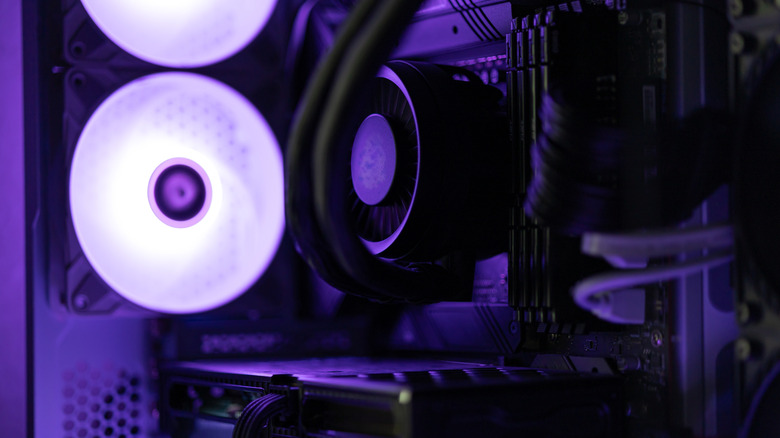
Because modern chips are "thermal-limited," the most important component in a system is no longer the CPU frequency multiplier, but the cooling solution. Enthusiasts who want to squeeze out extra performance are now spending their money on high-end AIO (All-in-One) liquid coolers or custom loops, as lower temperatures directly translate to higher, more sustained clock speeds via the CPU’s internal boost algorithms.
3. A Focus on Stability and Longevity
The decline of manual overclocking is ultimately a win for the average user. In the past, an unstable overclock could lead to data corruption, OS crashes, and hardware degradation. Today, because the system manages its own power and thermal limits, modern CPUs are significantly more reliable. The "set it and forget it" mentality has become the industry standard, allowing users to enjoy peak performance without the fear of system instability.
Conclusion: An Evolution, Not a Disappearance
To say that overclocking is "dead" is perhaps an oversimplification. It is more accurate to say that it has evolved into "performance optimization." The days of manually adjusting jumpers, voltage regulators, and front-side bus speeds are over, replaced by algorithmic, intelligent management systems.
For the modern enthusiast, the challenge has shifted from "how high can I push this clock speed?" to "how can I optimize the thermal and power efficiency of this system?" It is a more sophisticated, safer, and ultimately more efficient way of managing hardware. While the romance of the "tinkerer" may have faded, the end result—a faster, more responsive computer—remains the ultimate goal. The enthusiast hasn’t stopped caring about performance; they have simply allowed the hardware to do the heavy lifting for them.