The global energy sector is currently undergoing its most significant transformation since the Industrial Revolution. At the recent United Nations Climate Change Conference (COP26) in Glasgow, world leaders gathered under the shadow of a rapidly warming planet to negotiate a path toward a decarbonized future. Central to these high-stakes discussions was the future of coal—a fuel source that once powered the ascent of modern civilization but is now increasingly viewed as a primary antagonist in the fight against climate change.
While international consensus on a complete "phase out" remains elusive—stymied by coal-dependent economies like China and India, who pushed for a more measured "phase down"—the trajectory in the United States is increasingly clear. With the Biden administration and global partners setting ambitious climate targets, the domestic reliance on coal is in a state of terminal decline.
The State of Play: From Coal King to Renewable Rising
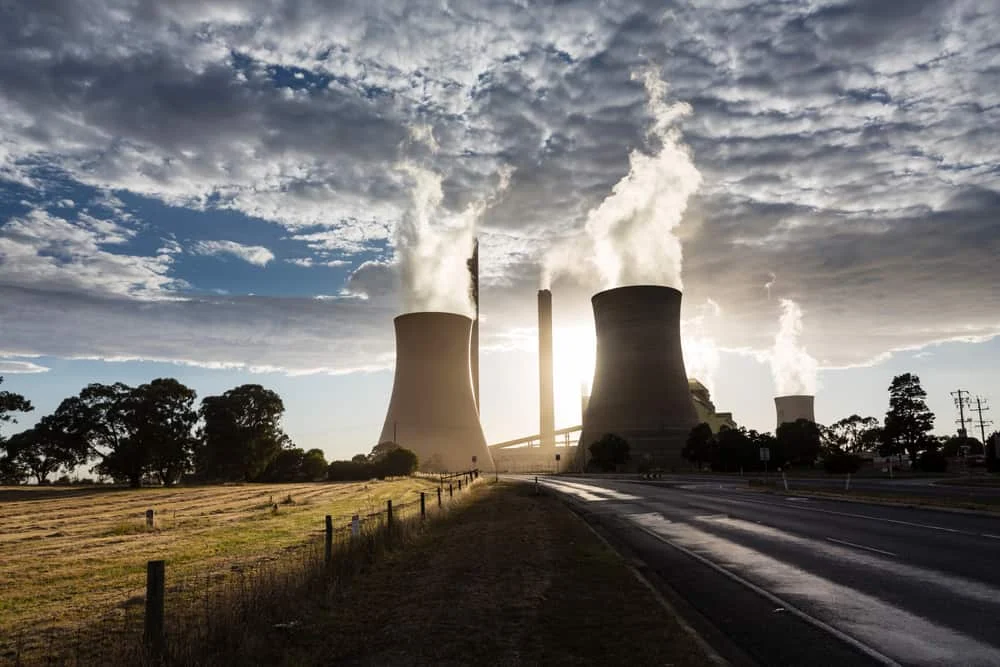
For over a century, coal was the bedrock of the American power grid. Its abundance, coupled with relatively low extraction costs, made it the preferred fuel for industrial growth. As recently as 2003, coal-fired power plants generated more than half of all electricity in the United States.
However, the last two decades have witnessed a seismic shift. Today, coal accounts for less than 20% of the total U.S. electricity generation. This collapse is not merely the result of environmental policy; it is a story of market forces. The rise of hydraulic fracturing (fracking) and horizontal drilling revolutionized the natural gas market, providing a cheaper, cleaner-burning alternative that flooded the energy sector. Simultaneously, government incentives and massive technological breakthroughs have driven the cost of wind and solar energy to historic lows, making them competitive—and often cheaper—than fossil fuels.
A Chronology of the Energy Shift
To understand the current state of the U.S. power grid, one must look at the timeline of the last twenty years:
- Pre-2000s: Coal remains the unchallenged leader in U.S. power generation, providing base-load power for the vast majority of the country.
- 2003: A pivotal inflection point; coal’s share of electricity generation begins its steady, irreversible descent.
- 2008–2015: The "Shale Revolution" takes hold. Domestic natural gas production skyrockets, forcing coal-fired plants to close as they become economically unviable.
- 2015–2020: The cost of renewable energy reaches parity with traditional sources. Massive investment in solar and wind infrastructure leads to a two-thirds increase in renewable electricity generation since 1990.
- 2021: COP26 in Glasgow highlights the global tension between immediate economic reliance on coal and the long-term necessity of net-zero emissions.
- 2030 (The Target): U.S. climate envoy John Kerry projects that the United States will effectively eliminate coal from its energy mix by the end of the decade.
The Geography of Dependence: Why Some States Linger
The transition away from coal is not uniform. While coastal and progressive-leaning states have aggressively pivoted toward wind, solar, and hydro, other regions remain tethered to the coal industry.
States like West Virginia and Wyoming are not just coal consumers; they are the heart of the U.S. coal-producing industry. For these states, coal is not just a commodity—it is a cornerstone of the regional economy, providing jobs, tax revenue, and a historical identity. Because these states sit atop massive coal reserves, the cost of electricity remains low, and the incentive to transition to more capital-intensive renewable infrastructure is lower than in regions without domestic fossil fuel resources.
The Most Coal-Dependent States (Ranked by Generation Share)
Researchers at Commodity.com have identified the states where the reliance on coal remains most pronounced:
- West Virginia: The epicenter of U.S. coal production.
- Wyoming: A leading producer that also faces significant challenges regarding its high CO2 emissions footprint.
- Missouri: Heavily reliant on regional coal-fired infrastructure.
- Kentucky: Deeply tied to the Appalachian coal tradition.
- Utah: Maintains a reliance on coal-fired power despite growing regional debates.
- North Dakota: Significant production and consumption profiles.
- Indiana: A manufacturing-heavy state with a long-standing coal legacy.
- Nebraska: Continues to utilize coal as a significant portion of its grid.
- Wisconsin: Navigating a shift while balancing existing power plant assets.
- New Mexico: Currently in the midst of a transition toward state-led renewable initiatives.
- Ohio: A traditional industrial hub with a complex energy transition profile.
- Montana: Balancing vast coal resources with emerging wind potential.
- Colorado: Aggressively moving toward renewables while phasing out coal assets.
- Kansas: A mix of fossil fuels and significant wind energy development.
- Arkansas: Navigating the transition with a reliance on existing, older plant infrastructure.
Official Responses and Political Friction
The discourse surrounding the coal transition is fraught with political friction. During COP26, the contrast between the U.S. administration’s optimism and the caution of developing nations was stark. John Kerry’s assertion that the U.S. would be "coal-free by 2030" was met with both applause from environmental groups and skepticism from domestic industry advocates who warn of grid reliability issues.
Domestically, the debate centers on "Just Transition" policies. Policymakers are tasked with the challenge of ensuring that the move to green energy does not leave coal-dependent communities behind. This includes retraining programs for miners, federal investment in clean energy manufacturing in coal-producing regions, and economic diversification grants to replace the tax base once provided by coal plants.
The Environmental and Social Cost
The push to abandon coal is not merely a political preference; it is a health and environmental imperative. Mining and burning coal are primary drivers of carbon dioxide and methane emissions—the greenhouse gases responsible for atmospheric warming. Furthermore, the externalities of coal are immense: air pollution from power plants contributes to respiratory issues, while the mining process often leads to the contamination of local watersheds through coal ash and heavy metal runoff.
As medical and environmental data continue to link coal combustion with negative public health outcomes, the social license for coal is rapidly expiring. Communities that were once built around the "king coal" industry are now witnessing the very real costs of the pollution they once lived with as a byproduct of prosperity.
Implications for the Future
The decline of coal has profound implications for the U.S. energy market and the global climate effort.
1. Grid Reliability and Innovation:
As coal plants retire, the grid must be re-engineered. The intermittency of solar and wind requires massive investment in battery storage and grid modernization. The "smart grid" of the future will need to balance supply and demand with a level of precision that older, coal-heavy systems did not require.
2. Economic Transformation:
The "energy-efficient state" rankings now favor those that have diversified their portfolios. Wyoming, for instance, faces a dual challenge: it is a major producer and a high consumer, ranking as one of the least energy-efficient states by BTU/dollar. Its future will depend on whether it can leverage its vast land area for wind and solar projects to replace the revenue lost from declining coal exports.
3. The Role of Natural Gas:
Natural gas remains the "bridge" fuel, but its longevity is increasingly questioned by climate scientists. The focus is shifting from simply replacing coal with gas, to leapfrogging directly to renewables where possible.
4. Global Leadership:
The U.S. commitment to phasing out coal is essential to maintaining its credibility on the international stage. If the U.S. cannot meet its 2030 targets, it loses the leverage required to pressure other major emitters to follow suit.
Conclusion: A Turning Point
The era of coal is drawing to a close. While the transition involves significant economic and technical hurdles, the economic reality is undeniable: renewables are the cheaper, more sustainable future. As the U.S. moves through the 2020s, the states that lead in the transition will likely reap the benefits of a new, green economy, while those that resist will face the mounting costs of obsolescence.
The task ahead is immense, requiring coordination between federal oversight, state-level implementation, and private sector innovation. Whether the U.S. reaches a zero-coal grid by 2030 or shortly thereafter, one thing is certain: the flame that fueled the 20th century is being extinguished, replaced by the cleaner, more resilient power of the 21st.