As the United States continues to navigate the complex, often contradictory ripple effects of the COVID-19 pandemic, the nation’s economic landscape has become a mosaic of mixed signals. While macroeconomic indicators point toward a robust recovery in output, the underlying friction within the labor market suggests that the transition to a "new normal" is far from complete. From record-breaking GDP growth to the tightening grip of inflation and a fundamental shift in worker leverage, the current economic climate is defined by both unprecedented opportunity and persistent structural challenges.

The Macroeconomic Backdrop: A Landscape of Extremes
The story of the U.S. economy in late 2021 and early 2022 is one of extremes. On the surface, the recovery appears vigorous; the Bureau of Economic Analysis (BEA) reported a substantial 6.9% increase in Gross Domestic Product (GDP) during the final quarter of 2021. This growth was bolstered by resilient consumer spending, which surged as the new year dawned, signaling a public eager to re-engage with the economy.
However, this growth has been tempered by significant headwinds. Year-over-year inflation, measured by the Consumer Price Index (CPI), reached historic levels, placing intense pressure on household budgets and corporate bottom lines. In response to these inflationary pressures, the Federal Reserve has pivoted toward a more hawkish monetary policy, initiating a cycle of interest rate hikes designed to cool an overheating economy without stifling the nascent recovery.
These domestic challenges are compounded by a fragile global environment. Supply chain disruptions—the remnants of 2020’s initial lockdowns—have persisted, exacerbated by recurring COVID-19 outbreaks in China’s manufacturing hubs and the geopolitical instability stemming from the war in Ukraine. These factors, combined with elevated energy prices, have created a "perfect storm" that complicates the path toward price stability and sustained growth.
The Labor Market Paradox: A Chronology of Change
The labor market serves as the most potent indicator of this period’s economic schizophrenia. In April 2022, the Bureau of Labor Statistics (BLS) announced that the unemployment rate had plummeted to 3.6%, effectively returning to its pre-pandemic baseline of February 2020. At first glance, this is a triumph of policy and resilience. Yet, beneath this headline number lies the "Great Resignation"—a phenomenon where millions of workers have exited their positions in search of higher pay, greater flexibility, and improved working conditions.
2020: The Great Disruption
The narrative begins with the seismic shock of the COVID-19 lockdowns. In April 2020, the labor market entered a state of suspended animation. The unemployment rate spiked, and millions of workers were furloughed or laid off. Employers slashed hiring, and the labor force participation rate fell sharply as childcare responsibilities and health concerns forced millions to step away from the workforce.
2021: The Hiring Surge and the Shift in Power
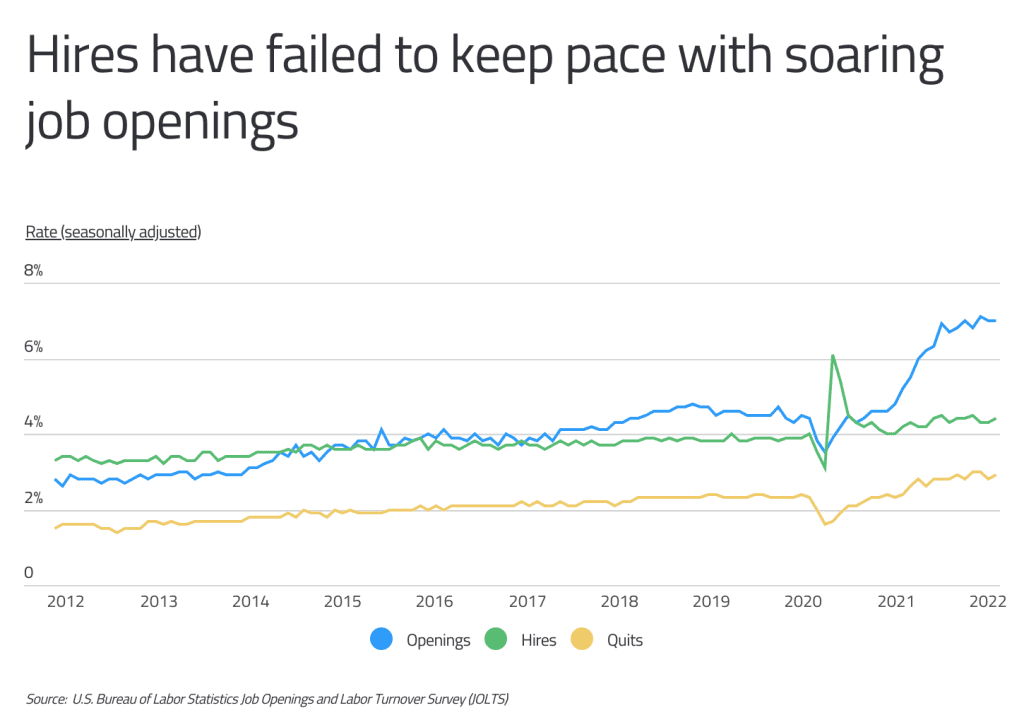
By 2021, the pendulum began to swing in the opposite direction. As businesses attempted to reopen, they were met with a shortage of available labor. While hiring rates remained consistently above 4%—a level historically high—they were unable to keep pace with the explosion of job openings. By late 2021, the rate of job openings had reached 7%, effectively doubling from the lows seen during the height of the pandemic.
2022: Persistent Challenges and Re-evaluation
Moving into 2022, the labor market reached a state of structural imbalance. With the labor force participation rate remaining stubbornly below pre-pandemic levels, the supply of available workers has failed to meet the record demand from employers. This has given workers unprecedented leverage, leading to higher wage growth but also contributing to the "quit rate" hovering near 3%, as employees find themselves in a position to demand more from their employers or exit altogether.
Supporting Data: The Disconnect Between Openings and Hires
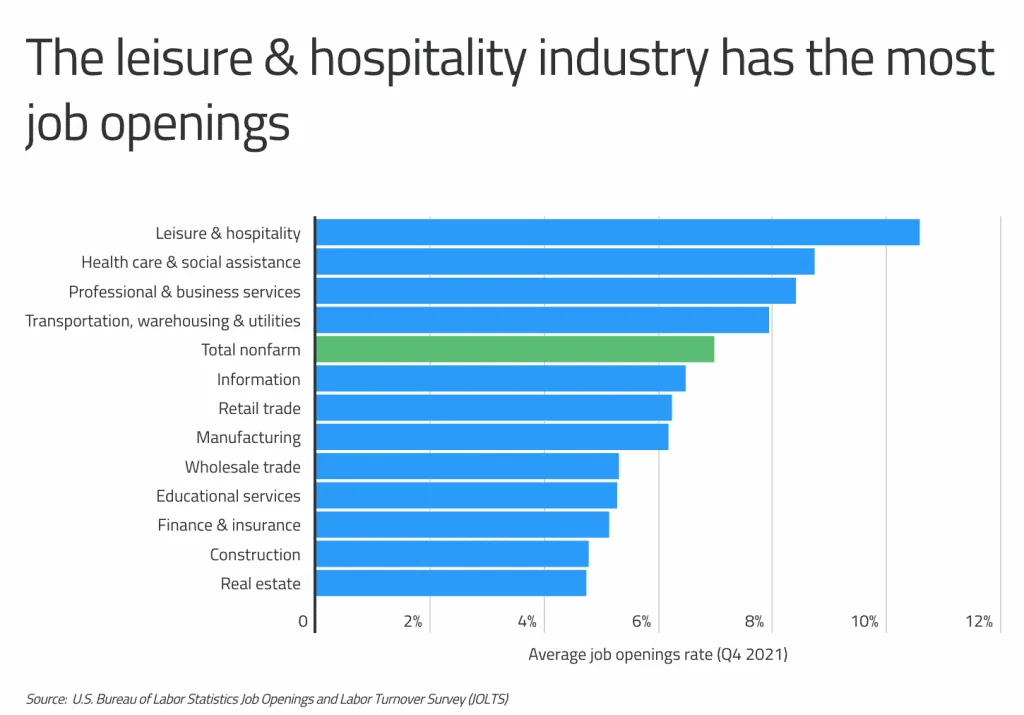
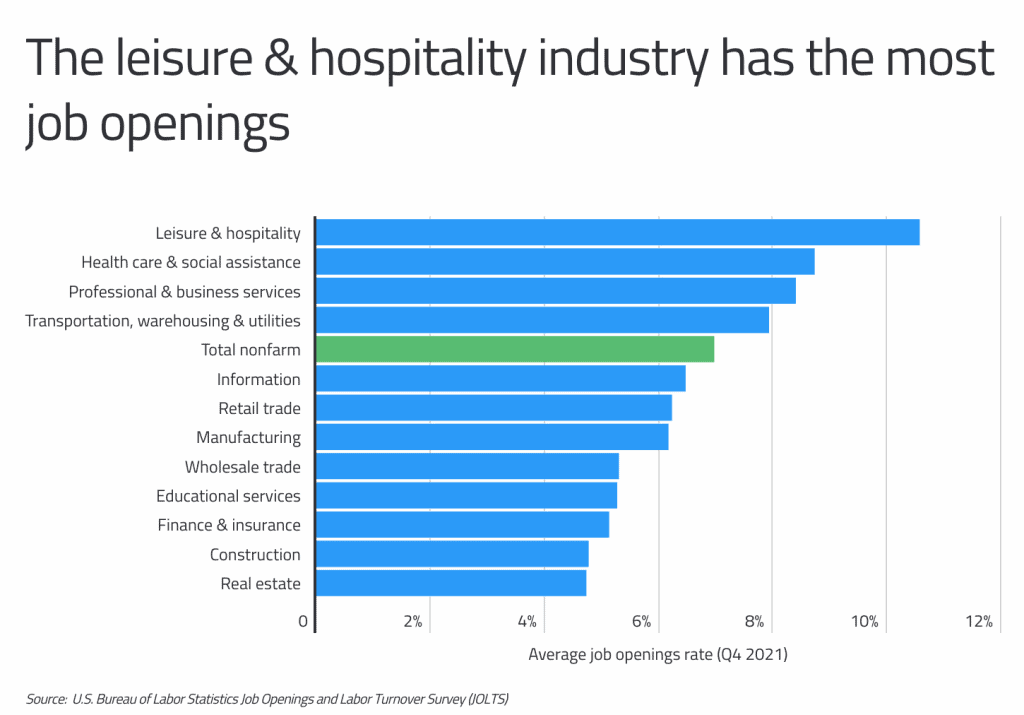
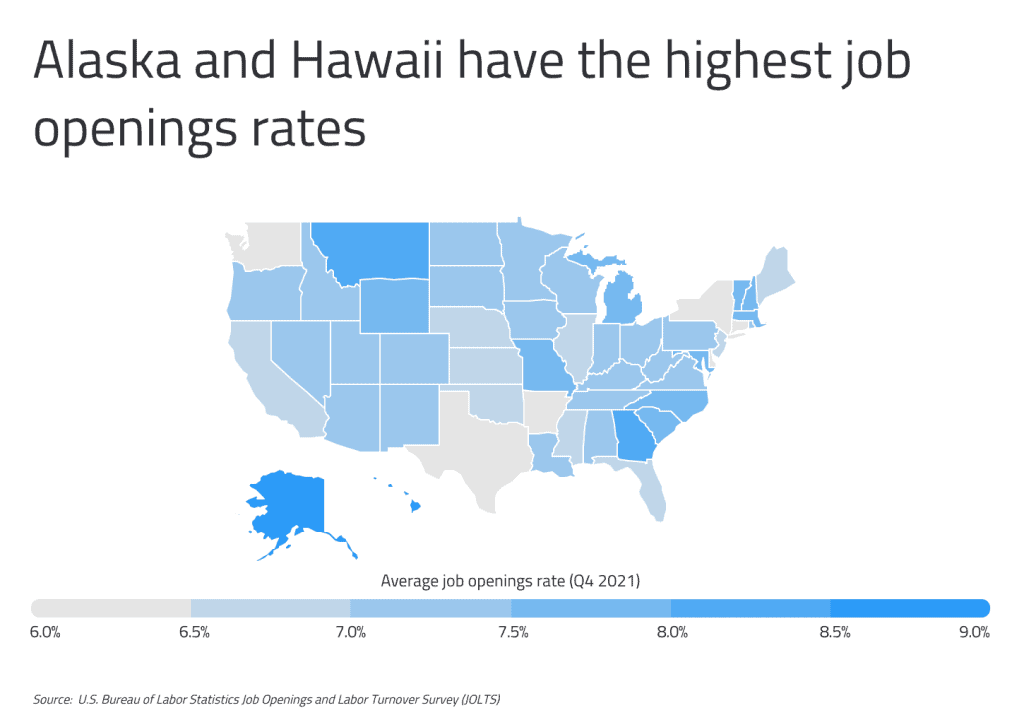
The data provided by the Bureau of Labor Statistics’ Job Openings and Labor Turnover Survey (JOLTS) offers a granular look at this disparity. While the total nonfarm job openings rate stood at 6.97% as of the most recent analysis, the experience varies wildly by sector and geography.
The sectors most impacted by the pandemic—those requiring in-person interaction—are facing the most acute labor shortages. Leisure and hospitality, a sector characterized by high turnover and, historically, lower wages, is experiencing a staggering job openings rate of 10.57%. Similarly, the health care and social assistance industry, which bore the brunt of the pandemic’s physical and emotional toll, is reporting a rate of 8.73%. In contrast, more stable, less public-facing sectors like construction and real estate maintain opening rates below 5.00%.
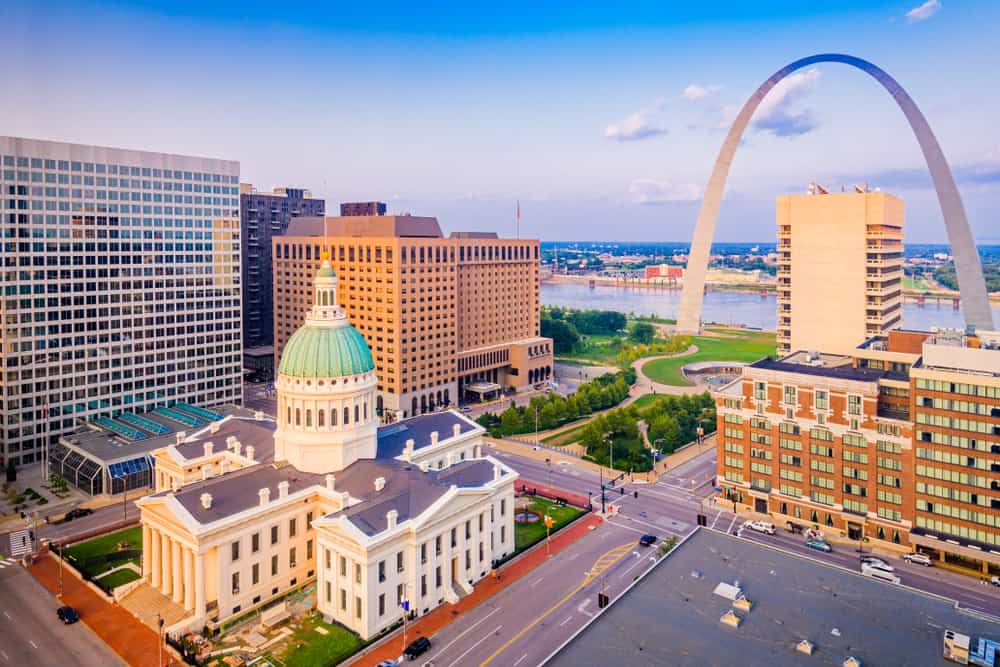
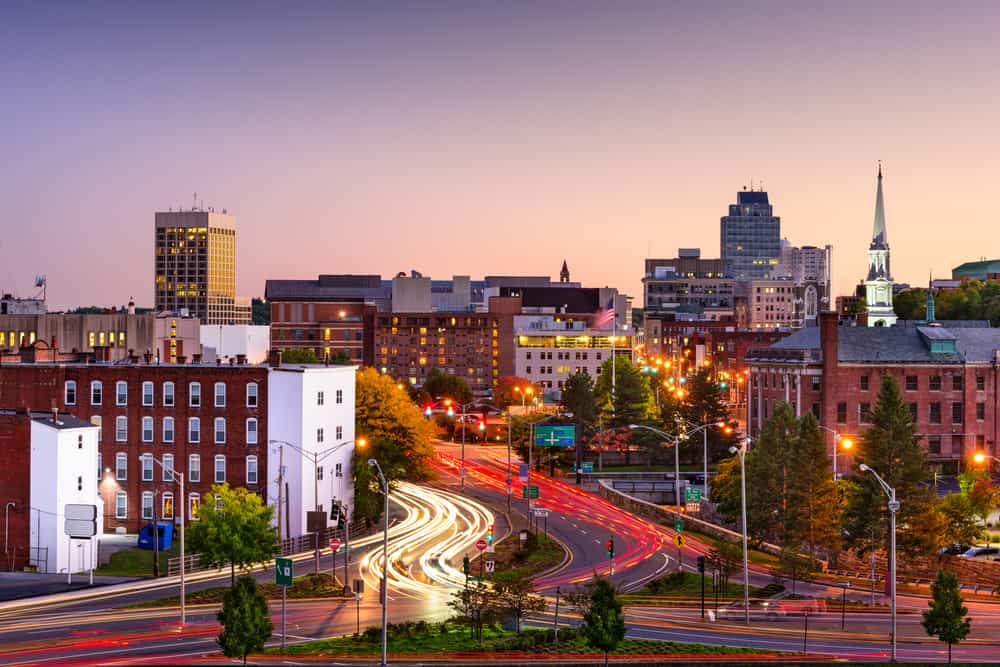
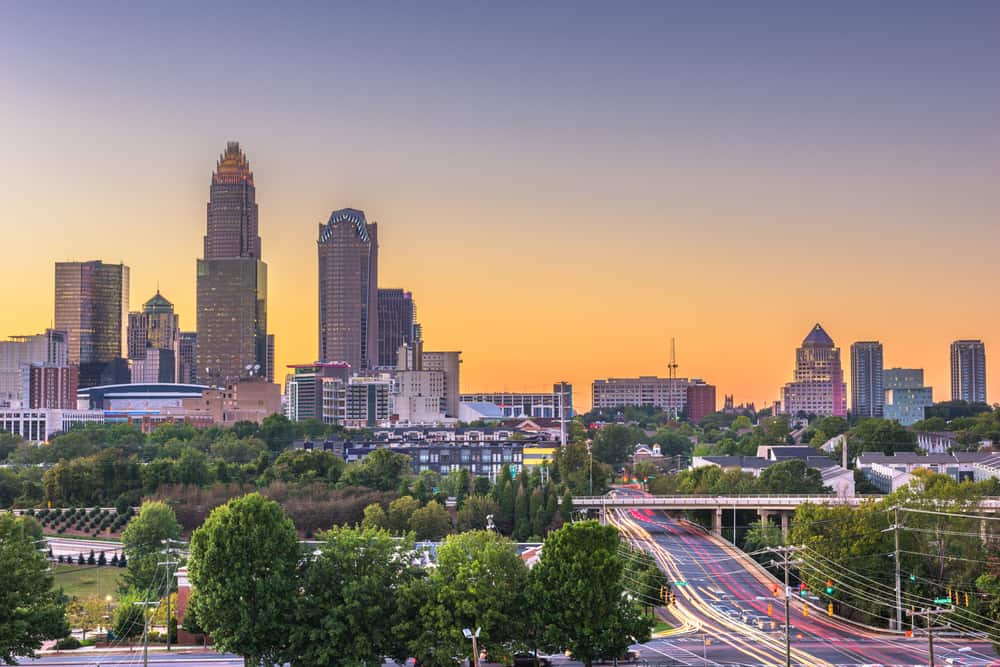
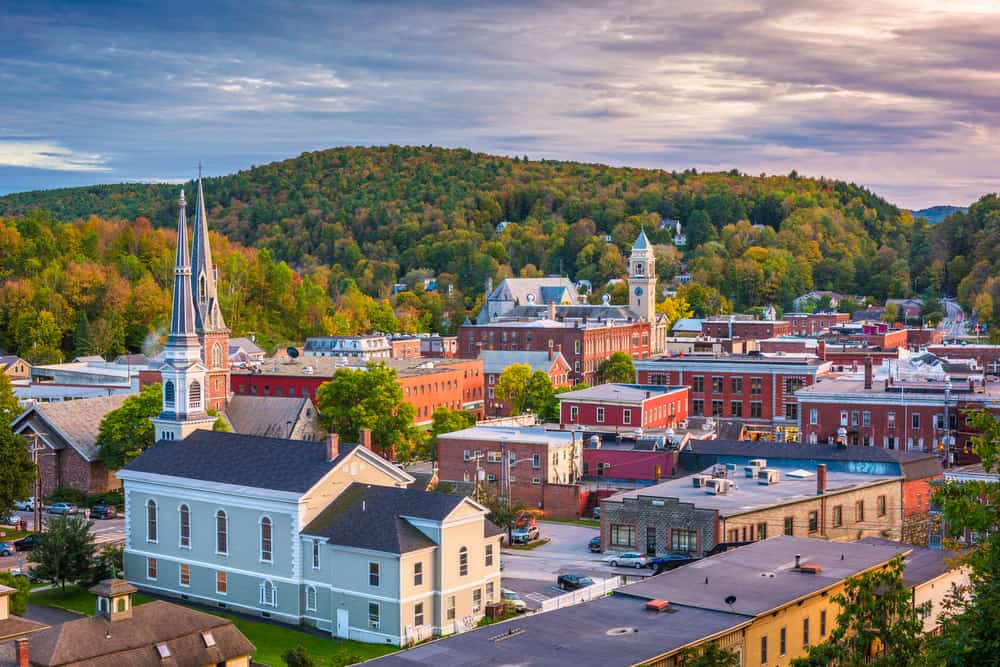
Geographically, the map of labor demand is equally telling. Remote and isolated states are seeing the highest concentration of open roles. Alaska (9.00%) and Hawaii (8.60%) lead the nation in job openings, likely due to the inherent difficulties in attracting and retaining labor in geographically isolated markets. Conversely, high-growth states like Texas (6.47%) and Washington (6.13%), as well as densely populated urban centers like New York (6.17%), exhibit lower rates, suggesting a more balanced equilibrium between the supply of workers and the demand of employers.
Official Responses and Monetary Policy Implications
The Federal Reserve has been vocal regarding these labor market dynamics. By raising interest rates, the central bank aims to moderate the excessive demand for labor that contributes to wage-price spirals. The goal is to achieve a "soft landing"—slowing the economy enough to curb inflation while preventing a spike in unemployment.
However, economists warn that the Fed’s tools are blunt. Monetary policy cannot easily fix the structural issues that prevent workers from re-entering the labor force, such as the lingering impacts of long-COVID, childcare availability, and geographic mismatches between where jobs are and where people live. The Federal Reserve’s mandate is price stability and maximum employment; currently, the tension between these two goals is the primary driver of market volatility.
Implications for the Future of Work
The current state of the U.S. economy suggests a long-term recalibration of the relationship between employer and employee. The "Great Resignation" is not merely a temporary reaction to the pandemic; it is a fundamental reassessment of value. Employers who are unable to adapt to these new expectations—by offering higher wages, hybrid work models, or more robust benefits—are finding themselves unable to fill critical roles.
Furthermore, the geographic distribution of job openings suggests that the future of work may be tied to the ability of businesses to innovate their recruiting processes. As states like Alaska and Hawaii struggle to find local talent, the reliance on remote work and relocation incentives will likely increase.

For the average American, these indicators present a complex reality. While the low unemployment rate suggests stability, the reality of high inflation means that the "buying power" of a paycheck is being tested. As the nation moves forward, the focus will likely shift from simply creating jobs to ensuring that the labor market is efficient, inclusive, and capable of supporting a modern, post-pandemic economy.
Statistical Summary of Top 15 States by Job Opening Rates:
- Alaska (9.00%)
- Hawaii (8.60%)
- Montana
- Georgia
- New Hampshire
- Wyoming
- Michigan
- South Carolina
- Vermont
- Missouri
- North Carolina
- Massachusetts
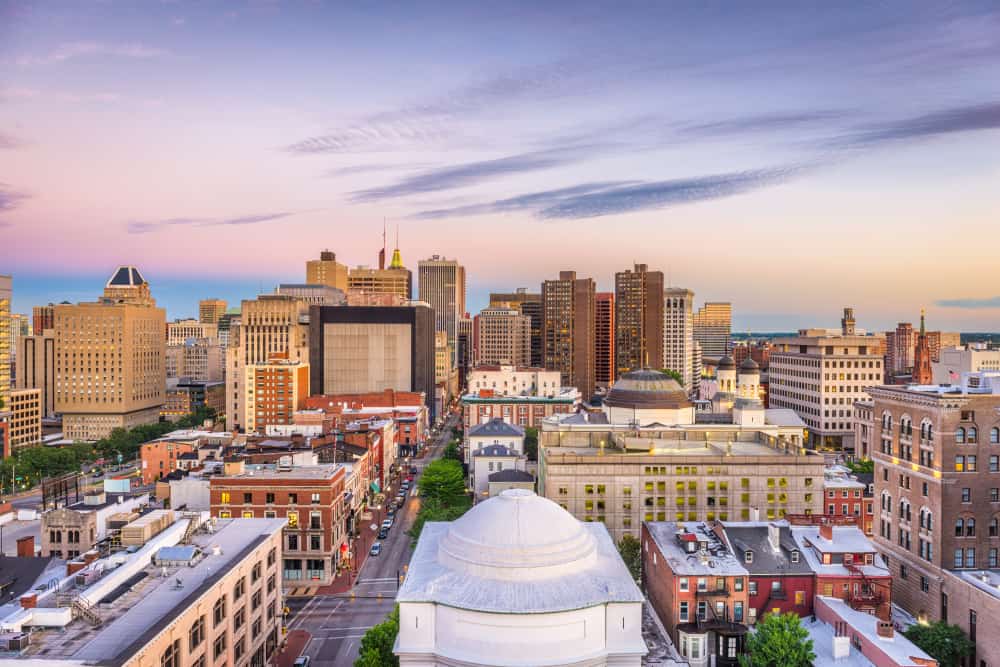
- Maryland
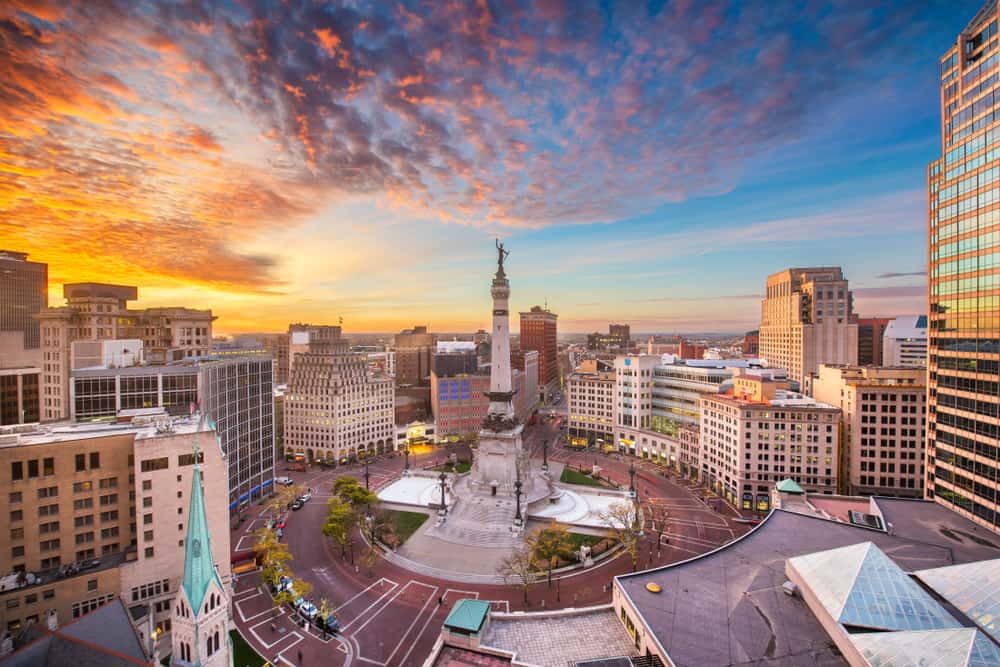
- Indiana
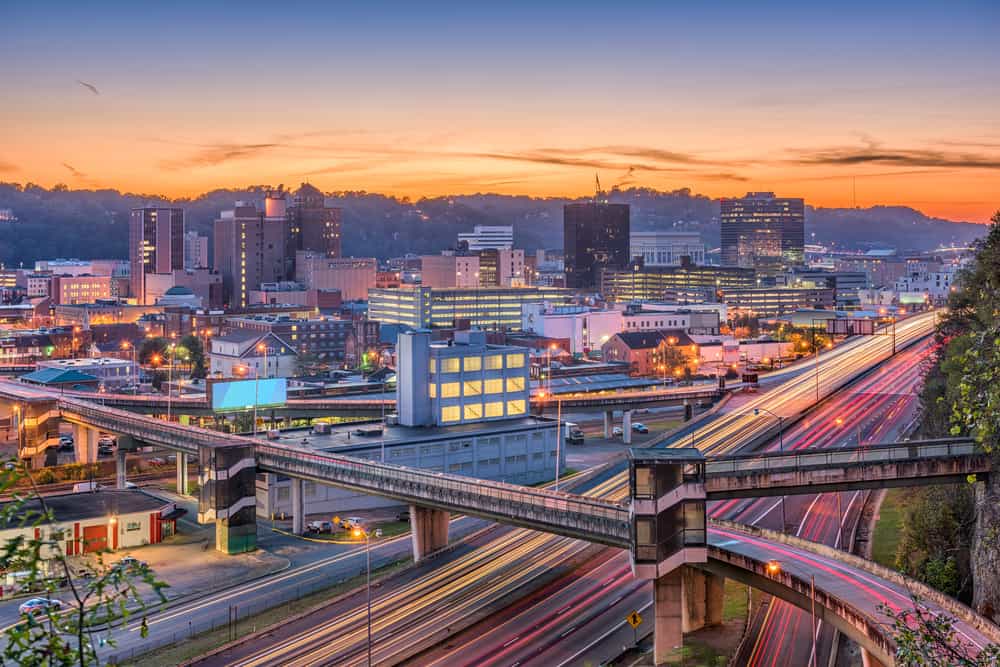
- West Virginia
Note: This data is derived from the U.S. Bureau of Labor Statistics JOLTS report, focusing on Q4 2021. Rankings are based on the average job openings rate, with total job openings utilized as a tie-breaker.
As we look toward the remainder of the decade, the lessons learned during this period of transition will undoubtedly reshape how we think about productivity, compensation, and the role of the worker in the American economy. The paradox of "high growth, high inflation, and high job availability" is a challenge that policymakers, business leaders, and the workforce must navigate with both caution and agility.