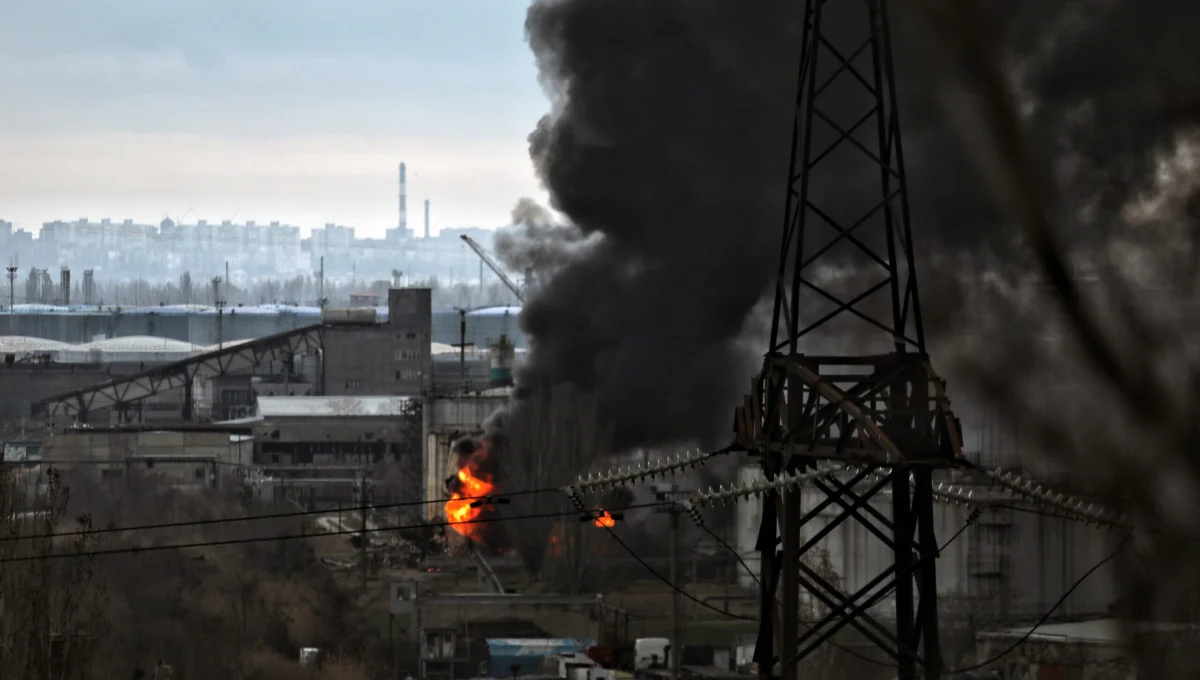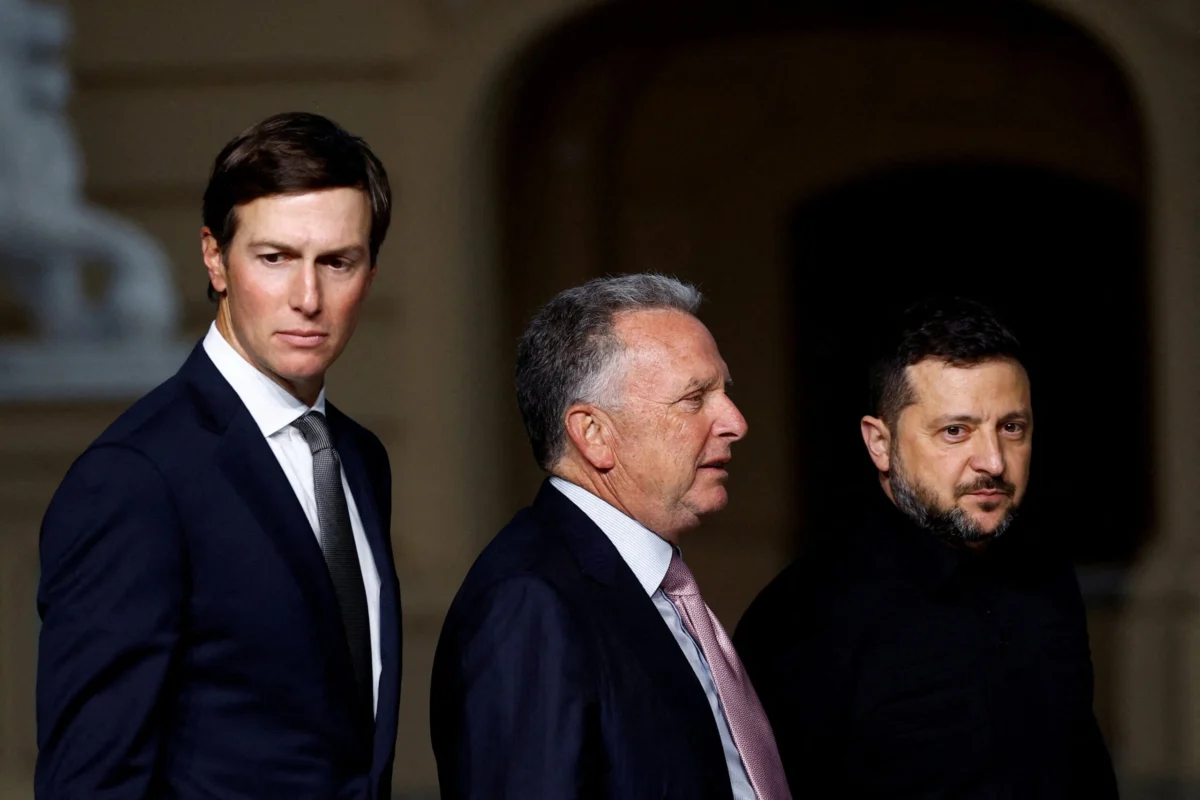
WASHINGTON—For much of the past fortnight, the Trump administration has navigated a geopolitical tightrope, oscillating between policies that appear designed to coerce Kyiv into submission and tactical maneuvers that suggest a sudden, albeit fragile, change in direction. This erratic behavior has fueled intense speculation regarding the White House’s ultimate strategy toward the Kremlin’s ongoing war in Ukraine. As the administration’s approach remains characterized by deep inconsistencies, the path forward appears increasingly dependent on the strength of domestic and legislative oversight to ensure that American interests—and the sovereignty of its democratic allies—are not sacrificed on the altar of short-term political expediency.
The Genesis of the Shift: The Diesel Deal and Its Discontents
The administration’s recent policy pivot began in earnest on October 9, when President Donald Trump announced a controversial deal regarding diesel fuel with Russian President Vladimir Putin. While the White House framed the agreement as a pragmatic move intended to lower fuel prices for American consumers ahead of the midterm elections, critics were quick to point out the significant legal and moral fallout. The deal explicitly bypassed existing Western sanctions, including specific U.S. measures targeting the Russian energy sector, effectively providing a financial lifeline to the Kremlin’s war machine.
When Ukrainian President Volodymyr Zelenskyy publicly denounced the move as a betrayal of democratic principles, the reaction from Washington was immediate and hostile. President Trump launched a series of sharp, personal attacks against the Ukrainian leader, creating a diplomatic rift that lasted for over a week. The administration’s rhetoric soon transitioned from verbal sparring to concrete punitive measures. Most notably, the White House began pressuring Kyiv to halt its highly effective drone strikes on Russian oil refineries.
The administration justified this directive by arguing that such strikes disrupted global energy markets and drove up fuel prices. However, military analysts and energy experts have largely dismissed this claim as dubious, noting that Russia’s domestic supply of diesel is more than sufficient for its own requirements, rendering the "price stability" argument a thin veil for policy changes that disproportionately favored Moscow.
Chronology of a Tumultuous Month
The month of October 2026 has been marked by a rapid succession of events that have left observers in Washington and abroad struggling to map the administration’s endgame.
- October 9: President Trump announces the "Diesel Deal" with Vladimir Putin, triggering immediate backlash from the international community and domestic critics.
- October 11: The White House unilaterally declares an "energy ceasefire" between Ukraine and Russia. Neither party had reached such an agreement, and the proposal quickly collapsed when Russia responded with three consecutive days of brutal missile strikes on Ukrainian civilian energy infrastructure.
- Mid-October: Reports emerge of widespread difficulties in the provision of U.S. military intelligence to Ukraine. Specifically, functionality issues with Elon Musk’s Starlink and Starshield satellite systems—vital for Ukrainian battlefield communications and defense—begin to hinder the country’s ability to track and intercept incoming ballistic missiles.
- October 17: President Trump waives sanctions mandated by the Lindsey O. Graham Sanctioning Russia and Iran Act of 2026, despite the legislation having passed with bipartisan support only a month earlier.
- October 20: U.S. envoy Steve Witkoff arrives in Oslo to consult with President Zelenskyy and key European allies, including Finnish President Alexander Stubb and Norwegian Prime Minister Jonas Gahr Støre.
- October 21: Following the Oslo meetings, Witkoff travels to Moscow to present a revised set of diplomatic proposals to the Kremlin, signaling a potential shift back toward trilateral engagement.
Supporting Data and the Starlink Controversy
The administration’s alleged interference with satellite support has become a focal point for those concerned about the erosion of Ukrainian defensive capabilities. While the White House has officially denied ordering a reduction in Starlink or Starshield services, the technical degradation experienced by Ukrainian forces has been undeniable. Elon Musk, when pressed on the matter, noted that decisions regarding the military-grade Starshield systems are subject to U.S. government approval, effectively shifting the burden of accountability back to the administration.
Furthermore, the waiver of the Lindsey O. Graham Sanctioning Russia and Iran Act has alienated key Republican hawks in Congress. Despite the President’s justification—citing the release of American prisoner Stephen Hubbard and the need to maintain an open channel for negotiations—the move has been viewed by many as a concession made without receiving a reciprocal strategic benefit from Moscow.
Public sentiment further complicates the administration’s position. Recent polling indicates that over 80 percent of American voters maintain a negative view of Vladimir Putin. This disconnect between public opinion and presidential policy has provided fertile ground for bipartisan criticism, with editorial boards at major conservative outlets like The Wall Street Journal and the New York Post expressing grave concerns over the administration’s apparent "Yalta 2.0" trajectory.
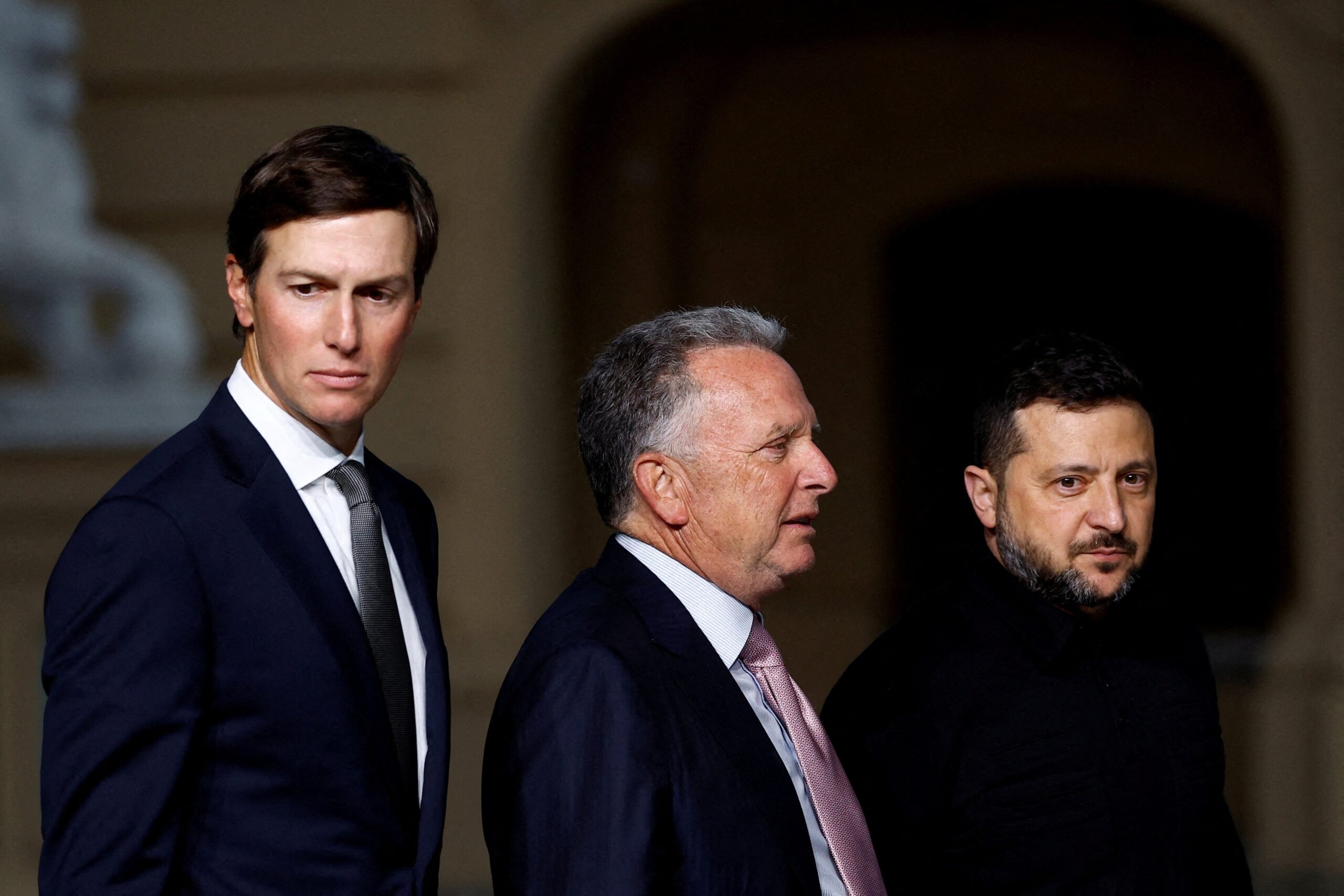
Official Responses and Diplomatic Maneuvers
The mission of Steve Witkoff to Oslo and Moscow represents the administration’s most significant attempt to regain control of the narrative. By engaging with the leaders of Finland and Norway—both staunch proponents of Ukrainian sovereignty—the White House attempted to demonstrate that it is still committed to a multilateral approach.
The subsequent meeting in Moscow yielded a tentative agreement to resume trilateral negotiations in November. While Russian Foreign Minister Sergey Lavrov was quick to clarify that Russia would participate in talks without offering any political concessions, the Trump administration has hailed the mere prospect of dialogue as a diplomatic victory. This "success" has, for the moment, tempered the President’s rhetoric toward Kyiv, providing a temporary reprieve from the personal attacks that characterized the previous two weeks.
Implications for Global Security and U.S. Policy
The long-term implications of this diplomatic volatility are profound. If the administration continues to link the use of essential technology like Starshield to its own fluctuating policy demands, it risks not only the success of Ukraine’s defense but also the credibility of the United States as a reliable security partner.
Furthermore, the administration’s willingness to entertain a trilateral summit between Trump, Putin, and Chinese President Xi Jinping—expressly excluding the Ukrainian leadership—has sparked fears that the U.S. is moving toward a sphere-of-influence model of diplomacy that ignores the agency of democratic nations.
The Legislative Path Forward
As the country moves into the lame duck session following the midterms, Congress stands as the primary check on these executive actions. Bipartisan momentum is building for a formal investigation into the administration’s Ukraine policy. Legislators are reportedly considering a strategy of "legislative obstruction," where the passage of the President’s domestic agenda in the lame duck session could be made contingent upon a clear reversal of the concessions granted to Russia.
For such an investigation to be effective, it must avoid the pitfalls of partisan theater. Experts suggest that a legitimate, bipartisan inquiry is necessary to clarify the following:
- The Technical Status of Military Support: A full accounting of why satellite services were disrupted and the extent of the White House’s role in those decisions.
- The Rationale for Sanctions Waivers: An evaluation of whether the concessions provided to the Kremlin have genuinely served U.S. national security interests or if they have simply emboldened Russian aggression.
- The Goal of Diplomacy: A clear definition of what constitutes a "stable peace," and whether that definition aligns with the commitments made to the Ukrainian government and European allies.
In conclusion, while the administration’s recent pivot toward renewed diplomacy offers a glimmer of hope for a more measured approach, the pattern of the last several weeks suggests that consistency is not guaranteed. The volatility inherent in the current administration’s foreign policy necessitates an assertive Congress capable of holding the executive branch accountable. Without such pressure, the goal of a secure, sovereign Ukraine may remain elusive, and the United States risks cementing a foreign policy legacy that places it in a subservient position to its primary global adversaries. The coming weeks will be decisive in determining whether the White House can steer back toward a policy that serves the broader interests of the transatlantic alliance or whether it will continue to drift toward a strategy that undermines the very foundations of international order.