As the calendar turns to early 2026, the American housing sector finds itself at a complex crossroads. Recent data synthesized by Calculated Risk highlights a cooling trend in new construction, a tightening of liquidity for homeowners, and a softening of rental markets. These indicators, taken together, paint a picture of an industry grappling with the dual pressures of high interest rates and a fundamental recalibration of post-pandemic housing demand.
Main Facts: A Deceleration in New Construction
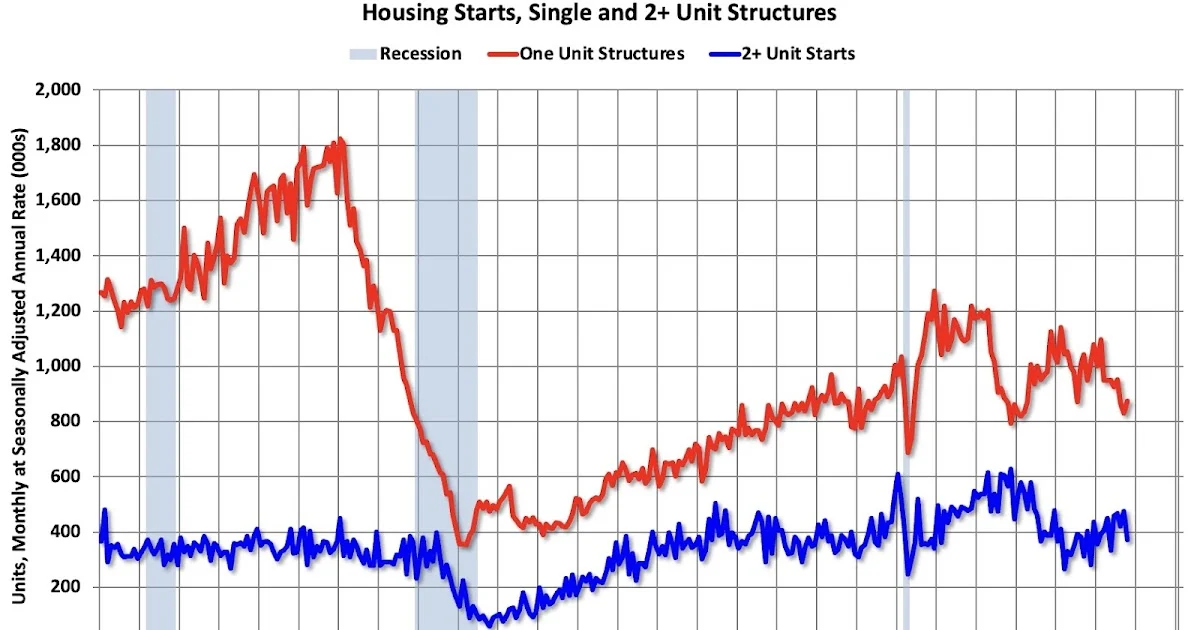
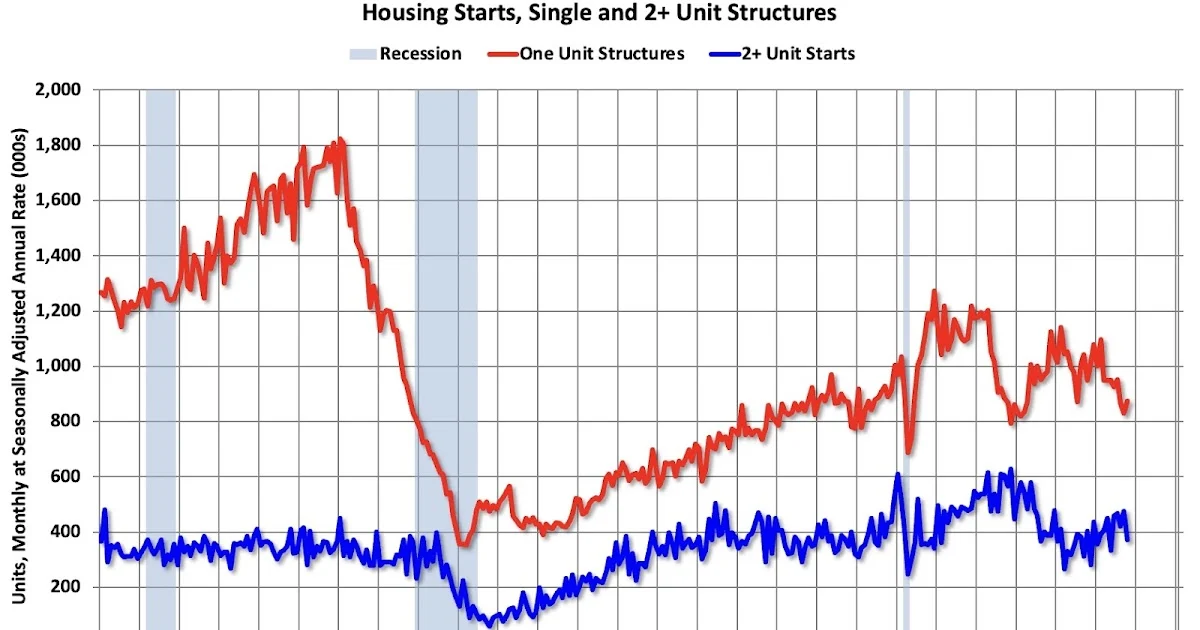
The most pressing headline from the week of January 10, 2026, is the contraction in housing starts. Recent figures indicate that housing starts have decreased to an annual rate of 1.246 million units. This figure serves as a critical barometer for the health of the construction industry and future supply availability.
When starts dip to this level, it signals that developers are becoming increasingly cautious. Several factors contribute to this stagnation: the lingering cost of capital, concerns over labor availability, and a weakening buyer sentiment in specific regional markets. For the average consumer, this decline suggests that the "inventory relief" hoped for in previous quarters may remain elusive in the short term, as builders pull back on new projects to avoid over-leveraging in a volatile market.
Chronology of Market Shifts: Q3 2025 to January 2026
To understand where we are, we must look at the progression of the market over the last six months.
- Late Q3 2025: The "Home ATM"—the practice of homeowners tapping into home equity via cash-out refinances or home equity lines of credit (HELOCs)—began to show signs of drying up. As property values plateaued and borrowing costs remained elevated, the incentive for homeowners to extract equity plummeted.
- October 2025: Housing starts began a noticeable decline, reflecting a broader hesitation among regional developers. The October data point of 1.246 million units represents the culmination of this trend.
- November – December 2025: Local housing markets began reporting disparate outcomes. While some metropolitan areas maintained price stability, others saw the first signs of inventory accumulation, signaling a shift from a seller’s market toward a more neutral landscape.
- January 2026: New data confirms that asking rents are now declining on a year-over-year basis. This is a significant development, as rental inflation had been the "sticky" component of consumer price indices for the better part of three years.
Supporting Data: Deconstructing the Trends
The data provided by Calculated Risk offers a deep dive into the underlying health of the housing economy.
The Decline of the "Home ATM"
Perhaps the most significant shift for the consumer economy is the closure of the "Home ATM." During the low-interest-rate environment of 2020–2021, homeowners treated their properties like personal savings accounts. In Q3 2025, that window largely closed. This has direct implications for consumer spending. When homeowners cannot easily pull cash out of their homes for renovations, debt consolidation, or lifestyle expenses, the "wealth effect" that fueled retail spending begins to dissipate.
Rent Pressures and Inflation
The reported decline in asking rents is a critical indicator of economic cooling. For years, the rental market faced extreme supply shortages, allowing landlords to push prices to historic highs. However, the completion of multi-family projects started in 2023 and 2024 is finally hitting the market. The resulting increase in supply is forcing landlords to compete for tenants, leading to the first sustained year-over-year declines in rent in several years.
Mortgage Debt and GDP
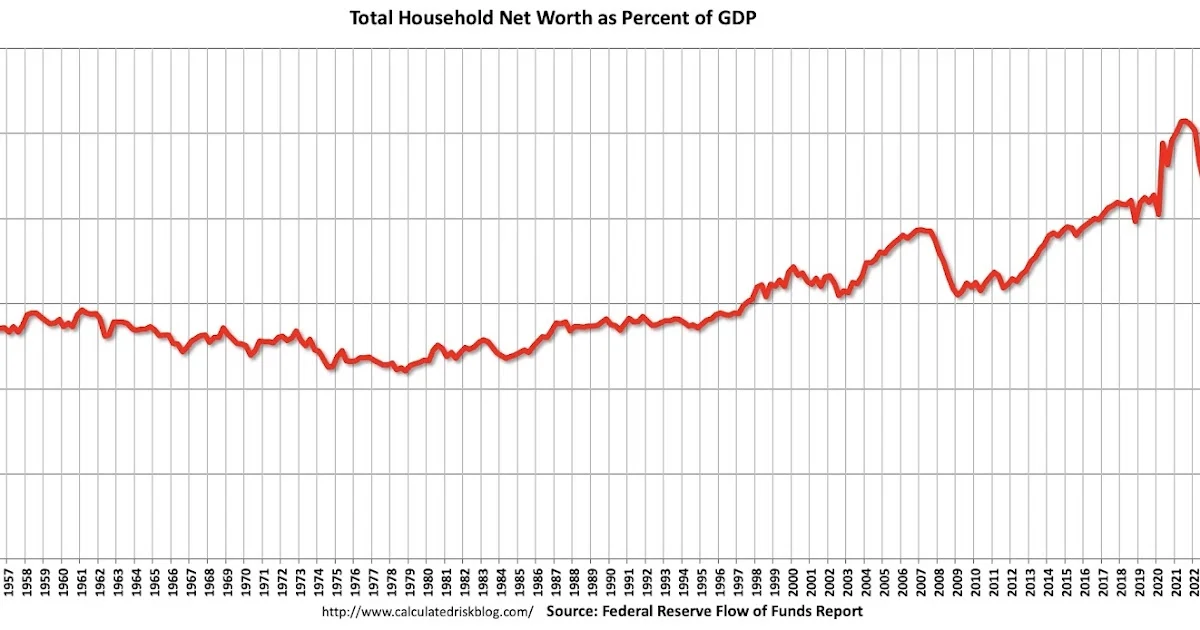
An updated analysis of the housing bubble and mortgage debt as a percentage of GDP provides a sobering look at our current leverage. While current debt levels do not mirror the reckless lending of 2008, the ratio remains a vital statistic. As GDP growth fluctuates, the burden of mortgage debt becomes a more prominent factor in household financial planning. The current data suggests that while the housing market is not in a state of "collapse," it is certainly in a state of deleveraging.
Official Responses and Industry Outlook
While there is no single "official" government response to weekly housing data, the consensus among analysts and Federal Reserve watchers is that this cooling is "desired" but "fragile."
Industry trade groups, such as the National Association of Home Builders (NAHB), have expressed concern that the drop in starts will lead to a deeper supply crisis later in the decade. Their argument remains consistent: if builders cannot find the capital to break ground, the long-term deficit of homes—estimated to be in the millions—will only worsen.

Conversely, market analysts are viewing the cooling of rents and the slowdown in construction as a necessary byproduct of the Federal Reserve’s restrictive monetary policy. By making borrowing more expensive, the Fed has effectively cooled the speculative fervor that defined the early 2020s.
Implications for the Future: What Does This Mean for You?
The current housing market transition has several distinct implications for different stakeholders:
For Prospective Homebuyers
The news is a double-edged sword. While the cooling market may eventually lead to more stable pricing and less aggressive bidding wars, the lack of new housing starts means that the inventory of desirable homes will remain tight. Buyers should expect a market where "time on market" increases, providing more room for negotiation, but they should not necessarily expect a dramatic collapse in home values.
For Homeowners
The era of easy cash-out refinancing is over for the time being. Homeowners looking to leverage their property for major expenses will find it more difficult and significantly more expensive. Furthermore, those looking to sell should adjust their expectations; the "frenzy" of previous years is gone, replaced by a more selective buyer pool that is sensitive to interest rates and property condition.
For Renters
The year-over-year decline in asking rents is the most positive development for the average American household. After years of record-breaking rent hikes, the market is finally providing some relief. Prospective tenants now have more leverage to negotiate lease terms, and the influx of new multi-family units in many urban centers is likely to keep a lid on rental costs through the remainder of 2026.
For the Macro Economy
The housing sector is the backbone of the American economy. A decline in starts often ripples out to affect construction employment, demand for raw materials (lumber, steel, copper), and the retail sector (furniture, appliances, home goods). If housing starts remain at or below the 1.25 million mark for an extended period, we may see broader economic consequences, including a softening of the labor market in construction-heavy states.
Conclusion: A Period of Normalization
As we move deeper into 2026, the housing market appears to be transitioning from a post-pandemic anomaly to a new, more normalized state. The "Home ATM" is closed, asking rents are finally turning downward, and the frantic pace of new construction has decelerated.
While these trends may cause short-term anxiety for developers and real estate investors, they represent a necessary correction for a market that had become overheated. The challenge for policymakers and the industry at large will be to maintain this balance—ensuring that the market cools enough to remain affordable for the average citizen, without causing a systemic freeze that prevents the necessary replenishment of the nation’s housing stock.
For the time being, the data from Calculated Risk serves as a reminder: the housing market is sensitive, interconnected, and currently in the midst of a significant, long-term adjustment. Whether this leads to a "soft landing" or a prolonged period of stagnation remains the defining question of the year.