By France 24 Reporting Team
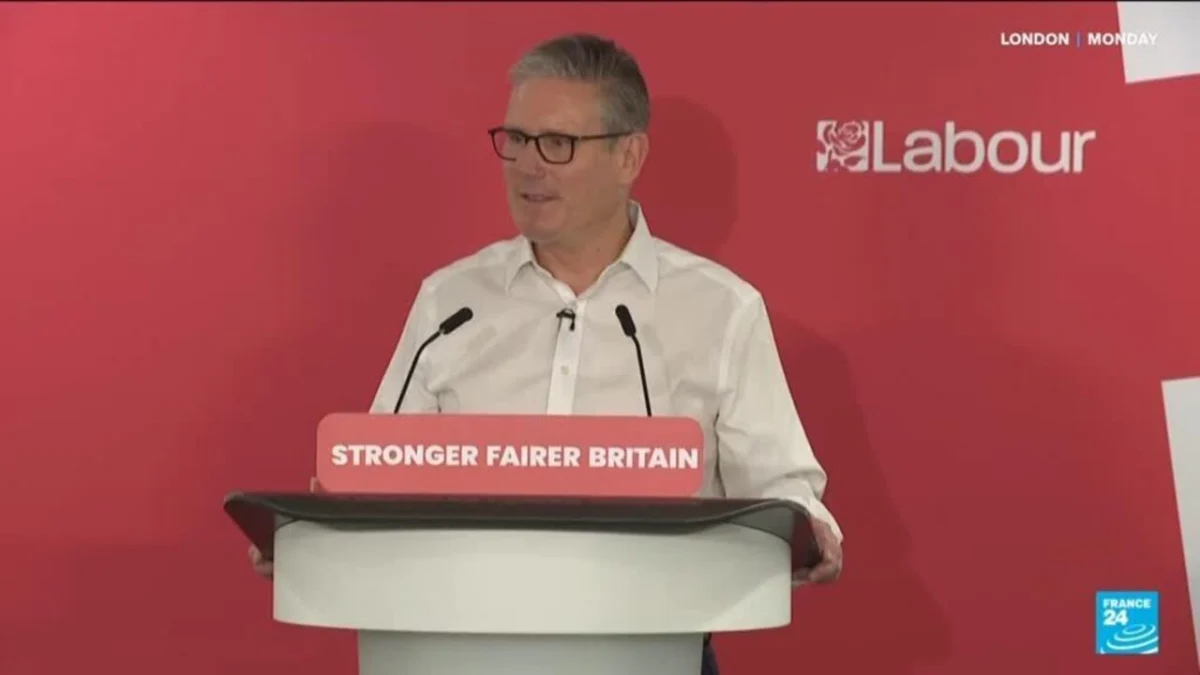
The political landscape of the United Kingdom is currently defined by a singular, jarring paradox: a Labour government that commands a massive, historic parliamentary majority while simultaneously appearing profoundly fragile and directionless. As Prime Minister Keir Starmer struggles to assert his authority, the machinery of Whitehall seems to be grinding in neutral, leaving voters disillusioned and the political establishment in a state of nervous apprehension.
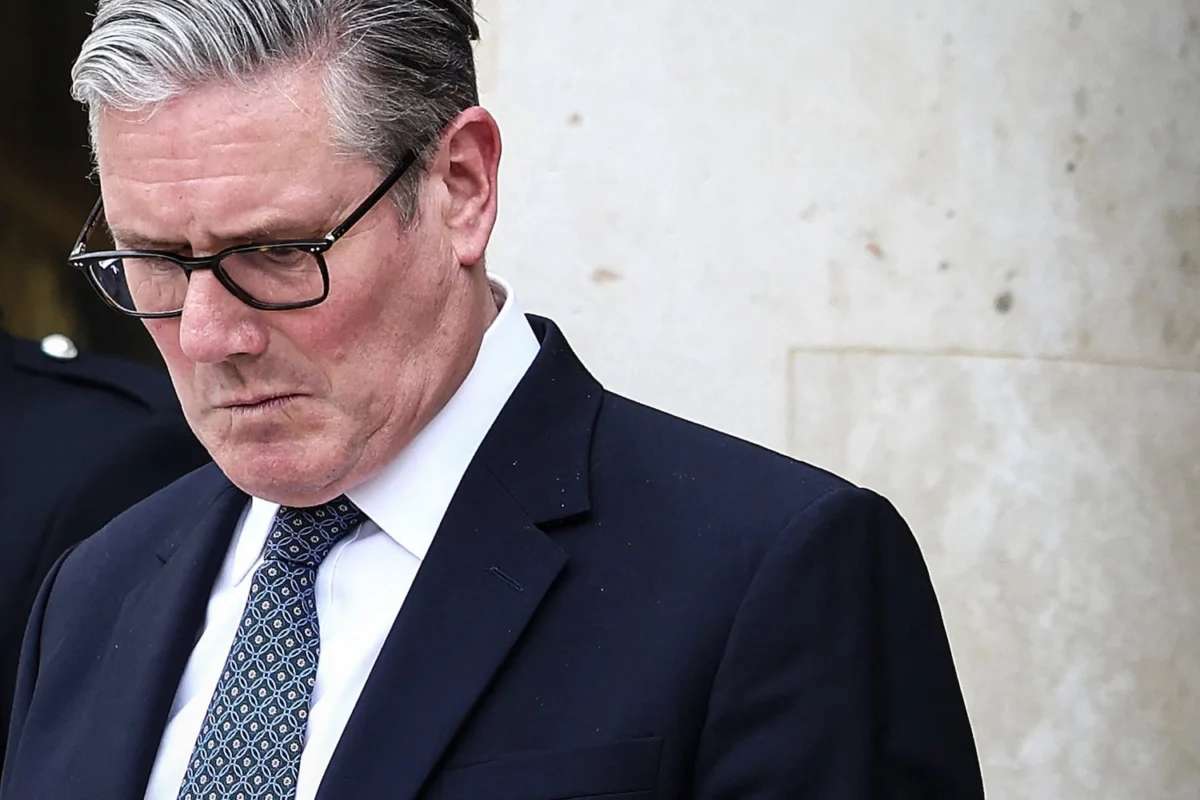
In a recent appearance on Spotlight, Quentin Peel, an Associate Fellow with the Europe Programme at Chatham House and a former Foreign Editor at the Financial Times, offered a searing assessment of the current administration. Peel described a Prime Minister who is “hanging on in there,” barely keeping his head above water despite initial expectations that his premiership might face an existential crisis within his first 24 hours.
Main Facts: The Anatomy of a Fragile Majority
The core issue facing Keir Starmer is the nature of his mandate. While Labour’s victory was overwhelming in seat count, it was not an ideological revolution. As Peel highlights, the government’s “huge majority” is structurally unstable, born not from widespread enthusiasm for Starmer’s vision, but from a total collapse of public trust in the Conservative Party.
The preceding years of political volatility—marked by the chaotic premierships of Boris Johnson, the short-lived economic disaster of Liz Truss, and the technocratic stagnation of Rishi Sunak—left the electorate desperate for an alternative. Labour became the default beneficiary of this Conservative implosion. However, this has created a government that lacks a “clear programme.” Without a positive mandate to transform the nation, Starmer is effectively managing a parliamentary machine that lacks a clear sense of destination.
Chronology of a Crisis: From Hope to Stagnation
To understand the current malaise, one must look at the timeline of the UK’s recent political descent.
- 2022–2023: The Conservative Meltdown: The rapid succession of Tory leaders eroded the public’s belief in the stability of the governing party. This period saw the UK’s international reputation suffer, as economic instability and internal party infighting became the defining characteristics of British politics.
- The Election Mandate: When Labour finally secured its landslide, the victory was hailed as a return to "sensible" governance. Starmer, the former Director of Public Prosecutions, promised to bring order and professional integrity to Downing Street.
- The Early Months (The Honeymoon Period): Initially, the transition was seen as a relief. However, the lack of a defining, transformative policy agenda quickly became apparent. The "professional" approach was interpreted by many as a lack of dynamism.
- Mid-2026: The Fragmentation: By the spring of 2026, the cracks have widened. With no clear, inspiring narrative coming from the top, public support has begun to fracture, with voters increasingly turning toward fringe movements like Reform UK and the Green Party.
Supporting Data: A Landscape in Fragmentation
The fragmentation of the electorate is not merely anecdotal; it is a clear trend reflected in recent polling and voter behavior. The "plague on all your houses" sentiment that Peel describes is increasingly prevalent.

The traditional two-party system is showing signs of deep structural stress. When a major party like Labour fails to provide a compelling, coherent government, the vacuum is quickly filled by protest votes. The rise of Reform UK indicates that a segment of the population feels ignored by the mainstream consensus, while the gains by the Green Party suggest that younger, disillusioned voters are abandoning the center-left in search of more radical alternatives.
This creates a dangerous feedback loop: as the government becomes more “nervous,” it reacts by avoiding bold decisions, which in turn leads to further stagnation, further disillusionment, and continued loss of support to the fringes.
The Leadership Deficit: A Question of Charisma and Conviction
Perhaps the most stinging critique leveled by Quentin Peel concerns the personal leadership style of Keir Starmer. “He doesn’t have charisma… he’s dull,” Peel noted, capturing a widely held view among political commentators that Starmer lacks the "X-factor" necessary to galvanize a nation during difficult times.
Leadership, particularly in the British parliamentary system, requires more than just administrative competence. It requires the ability to articulate a vision that resonates with the public’s aspirations. Starmer’s tenure, thus far, has been characterized by a defensive, cautious style that avoids risk at the expense of inspiration. In an era of rapid technological change and geopolitical uncertainty, a "dull" government is often perceived as a weak one.
Official Responses and The Internal View
While Downing Street remains publicly confident, insisting that the government is focused on "delivering for the people," insiders often report a different atmosphere. The Cabinet, according to various reports, is grappling with how to balance the demands of a diverse, fragile coalition of voters with the rigid fiscal constraints inherited from their predecessors.
Labour spokespeople argue that the "drudgery" of government is necessary to undo the damage of the previous decade. They frame the current lack of flashiness as "responsible governance." However, as the months turn into years, this defense is losing its efficacy. The public is no longer comparing Starmer to his predecessors; they are comparing him to their own expectations of what a successful government should be.
Implications: Where Does the UK Go From Here?
The implications of this political paralysis are significant for both domestic stability and Britain’s standing on the world stage.

1. The Erosion of Parliamentary Authority
A government with a large majority that cannot effectively pass meaningful, popular legislation risks devaluing the mandate itself. If the public perceives that a large majority does not lead to positive outcomes, it further diminishes faith in the democratic process.
2. The Threat of Populism
The current drift toward Reform UK and the Greens is a warning sign. If the main political vehicles for change (Labour and the Conservatives) continue to struggle, the electorate will increasingly seek radical, anti-establishment solutions. This threatens to make the UK’s political landscape increasingly volatile and unpredictable.
3. International Standing
The UK’s ability to project power abroad is inextricably linked to its internal stability. A "nervous government" that is preoccupied with internal management and poll numbers is less likely to take bold positions on international issues, from climate change and trade to security in Europe. As the world becomes more complex, a Britain that is "hanging on" will find itself increasingly marginalized.
Conclusion: The Path Ahead
For Keir Starmer, the task is clear but difficult: he must pivot from being a manager of decline to a leader of renewal. The "professional" mask that helped him win the election is no longer enough. He needs to find a way to connect with a public that feels neglected and disillusioned.
If he continues to rely solely on the weakness of the opposition to justify his own tenure, he will likely find that his "huge majority" evaporates as quickly as it arrived. The electorate is no longer interested in hearing about the "disasters" of the past; they are waiting for a vision for the future. Whether Starmer is capable of providing that vision remains the defining question of his premiership.
As the political landscape continues to shift, the Prime Minister stands at a crossroads: either he must embrace a more bold, charismatic, and coherent governing style, or he risks becoming a historical footnote—the man who inherited a landslide and left a vacuum.