By Rosemary Potter
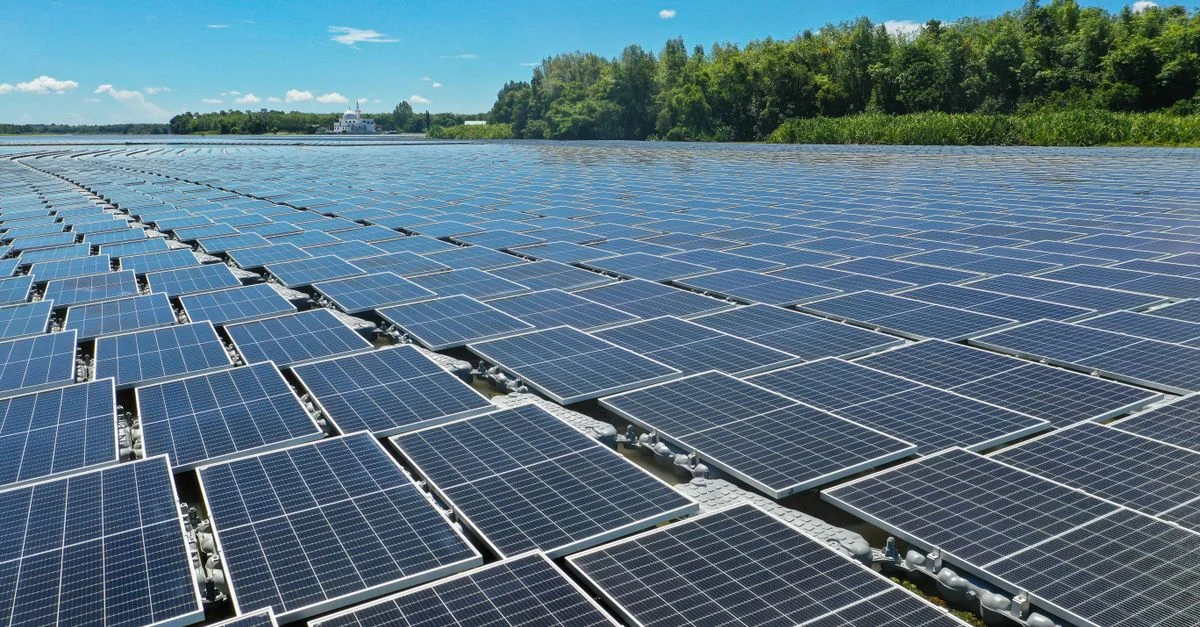
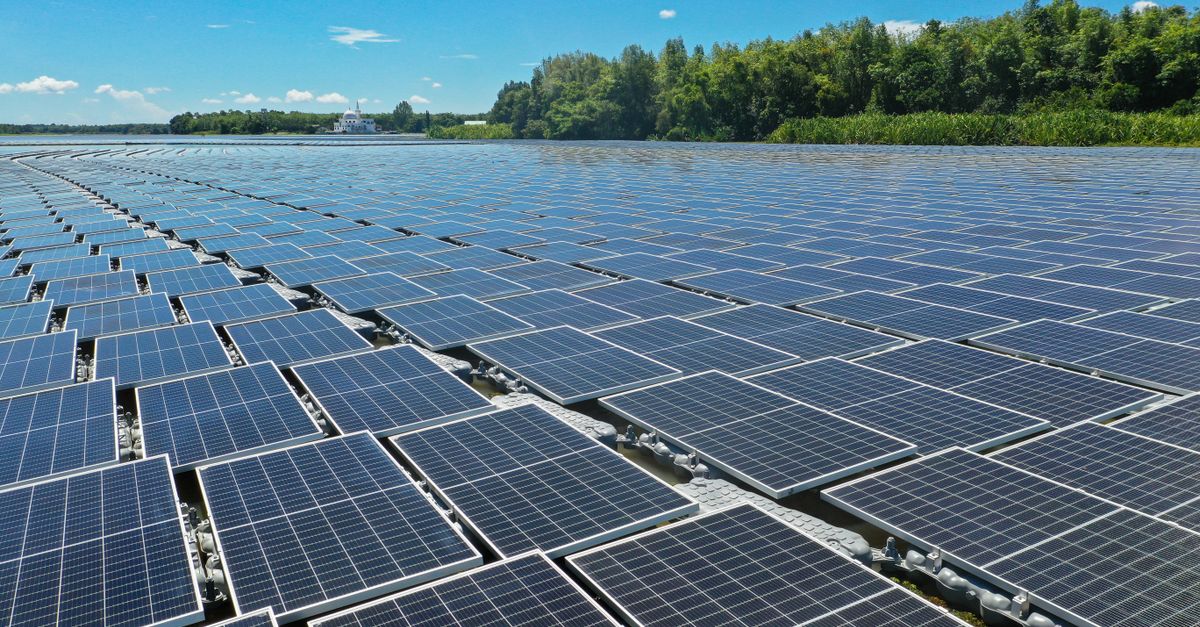
In a monumental shift that signals a new era for global energy, China has reached a landmark transition point. By the end of July 2026, the nation’s photovoltaic (PV) solar capacity surpassed its coal-fired power capacity, marking a definitive moment in the world’s most significant energy transformation. According to data released by the National Energy Administration (NEA), China’s solar footprint hit 1.286 billion kilowatts, narrowly eclipsing the 1.285 billion kilowatts attributed to coal-fired power plants.
While the gap between the two remains razor-thin, the symbolism of this crossover cannot be overstated. For decades, China’s rapid economic expansion was fueled almost exclusively by the burning of coal, earning the nation its reputation as the world’s largest emitter of greenhouse gases. Today, however, that narrative is being fundamentally rewritten by a gargantuan investment in renewable infrastructure.
A Chronology of Transformation: From Coal Dependency to Solar Supremacy
The journey to this threshold has been a decade-long endeavor characterized by state-led industrial policy and an aggressive pivot toward green technology.
- 2015–2020: The Foundation Phase. China began heavily subsidizing domestic solar manufacturing, driving down the global cost of PV panels. During this period, the focus was on establishing a manufacturing monopoly.
- 2021–2023: Scaling Up. As global climate commitments intensified, China shifted its internal policy to prioritize "dual carbon" goals—peaking emissions before 2030 and reaching neutrality by 2060.
- 2024: The Record-Breaking Surge. The acceleration reached a fever pitch. China added 315 gigawatts of solar capacity and 119 gigawatts of wind in a single year, effectively outpacing the combined deployment of the rest of the world.
- July 2026: The Crossover. The NEA confirmed that solar had officially overtaken coal in terms of installed capacity, a feat previously thought to be years away.
This chronology illustrates a deliberate, top-down strategy. By treating renewable energy as a pillar of national security and economic competitiveness, Beijing has successfully transformed its energy grid from a laggard into a global leader in installed renewable capacity.
Dissecting the Data: Installed Capacity vs. Actual Generation
While the milestone of 1.286 billion kilowatts is historic, energy analysts are quick to provide necessary nuance. Installed capacity—the maximum potential output of a power plant—is distinct from actual electricity generation.
Solar energy is inherently intermittent. Photovoltaic panels rely on daylight and clear skies, meaning their "capacity factor"—the ratio of actual output to maximum potential—is significantly lower than that of coal-fired plants, which can operate at high capacity around the clock. Consequently, despite having a larger installed base, solar power does not yet produce more electricity than coal.
However, the trend lines are moving in the right direction. Between January and July 2026, China reported a 15.5% increase in solar power generation compared to the same period in 2025. This surge is not merely a product of more panels on rooftops; it is the result of improved grid integration, advanced energy storage solutions, and the strategic placement of massive "energy bases" in China’s western deserts.
The Resilience of Coal: A Challenging Legacy
Despite the celebratory headlines regarding solar’s growth, coal remains the backbone of China’s industrial engine. The country’s energy demand is vast, driven by an ever-growing middle class, a massive manufacturing sector, and the electrification of transportation.
Coal still serves as the "baseload" power, providing the reliable, constant supply that intermittent renewables struggle to replace without massive battery storage infrastructure. However, the paradigm is beginning to crack. In 2025, for the first time in six years, coal-fired electricity generation fell by nearly 2%—a statistically significant drop given the simultaneous rise in total energy consumption. This indicates that renewables are finally beginning to eat into the market share of fossil fuels, rather than just meeting new demand.
Official Responses and Strategic Policy Shifts
The Chinese government has framed this transition as a core component of "High-Quality Development." Government spokespersons at the NEA have emphasized that this growth is not solely for environmental purposes but is a hedge against global energy price volatility and a way to cement China’s dominance in the "New Three" industries: electric vehicles, lithium-ion batteries, and solar energy products.
State-owned utilities, which historically focused on coal extraction and combustion, are now undergoing forced diversification. The China Electricity Council, in its recent industry report, highlighted that more than 80% of all newly installed electricity generation capacity in 2025 was either wind or solar. This directive is filtering down from Beijing to local provinces, where local officials are now being evaluated on their ability to integrate clean energy into their regional grids.
Economic and Geopolitical Implications
The implications of China’s solar supremacy are profound, extending far beyond its borders.
- Global Price Deflation: By scaling its solar capacity to such massive levels, China has effectively crushed the cost of solar energy globally. This makes it significantly cheaper for developing nations in the Global South to opt for solar over coal, potentially reshaping the energy trajectories of emerging economies.
- Technological Hegemony: By controlling the supply chain from silicon polysilicon to finished panels, China has created a form of energy leverage. As the world transitions away from fossil fuels, the focus shifts from "who has the oil" to "who has the manufacturing capacity for renewables."
- The Storage Challenge: The next frontier is no longer just generation; it is storage. As solar’s share of the grid increases, China is rapidly scaling pumped-hydro storage and large-scale battery farms. The country’s ability to solve the intermittency problem will be the ultimate test of its climate ambitions.
Challenges Ahead: The "Last Mile" Problem
While the 2026 crossover is a triumph, the path to 2060 carbon neutrality remains fraught with obstacles. The primary challenge is the geography of demand. Much of China’s solar energy is generated in the remote, sparsely populated western provinces, while the industrial centers of the east continue to demand massive amounts of power.
Upgrading the national power grid to transport this electricity without significant loss—the "last mile" problem—requires trillions of dollars in investment in Ultra-High Voltage (UHV) transmission lines. Furthermore, the economic pressure to maintain coal for "energy security" during peak winter months remains a significant hurdle. Coal interests remain deeply embedded in the political and economic landscape, often resisting the rapid phase-out that environmentalists advocate.
Conclusion: A Turning Point for the Planet
The fact that solar has overtaken coal in China is more than a statistic; it is a signal to the world that the fossil fuel era is in its twilight. When the world’s largest emitter and second-largest economy shifts its primary capacity toward renewables, the global market follows.
The milestone reached in July 2026 provides a clear look at the future of the global energy mix. While the reliance on coal will not vanish overnight, the trajectory is now firmly set toward a cleaner, electrified, and solar-dominant future. For China, the challenge now moves from installation to integration, ensuring that this massive capacity can sustain the world’s most complex industrial economy. As the world watches, China’s success or failure in this transition will likely determine the success or failure of global efforts to mitigate the worst effects of climate change. The sun, it seems, has truly begun to rise on a new, greener power dynamic.