
For nearly a decade, Samsung has held the keys to some of the most prestigious audio engineering legacy brands in history. Since its landmark $8 billion acquisition of Harman International in 2016, the South Korean tech giant has effectively owned a "who’s-who" of the high-fidelity world, including AKG, JBL, and Harman Kardon. Yet, despite possessing an unmatched reservoir of acoustic expertise, Samsung’s hardware output has remained curiously focused on the miniaturized world of in-ear monitors.
That narrative appears to be on the precipice of a significant shift. Recent industry whispers, bolstered by credible leaks and renewed trademark activity, suggest that Samsung is finally preparing to challenge the premium over-ear headphone market. If reports hold true, the company is developing a high-end set of cans tentatively titled the "Galaxy Studio"—a move that could finally see Samsung leverage its vast portfolio of audio acquisitions to create a direct competitor to the Apple AirPods Max 2 and Sony’s industry-leading WH-1000XM series.
The Genesis of the Galaxy Studio: A New Chapter in Audio
The rumors regarding Samsung’s re-entry into the over-ear segment are not entirely new; however, the level of gravity surrounding these reports has shifted dramatically. The latest surge in speculation originates from the leaker known as @evowizz, a source who recently gained significant industry credibility after accurately leaking details regarding the Google Pixel 11 Pro Fold.
The core of the rumor centers on the name "Galaxy Studio." While the moniker is subject to change, its reappearance in recent trademark filings—specifically a mid-September re-filing of a name originally registered by Samsung a decade ago—suggests a level of institutional intent. This is not a casual branding exercise; it is a strategic alignment with the company’s broader hardware roadmap.

The "Studio" designation carries significant weight. In the audio industry, such a label typically implies professional-grade performance, targeting music producers, sound engineers, or the "prosumer" demographic that values neutral sound signatures, high-resolution audio, and durable build quality. Whether Samsung intends to deliver a true studio-reference monitor or is simply employing the term to project a premium, "pro-grade" image remains to be seen. Given Samsung’s history of catering to the consumer lifestyle market, the latter is a distinct possibility, yet the sheer depth of their R&D capabilities suggests the potential for a product that blurs the lines between professional utility and consumer convenience.
A Chronology of Samsung’s Audio Evolution
To understand why the Galaxy Studio is such a momentous development, one must look at the timeline of Samsung’s audio strategy.
- 2016: The Harman Acquisition: Samsung’s purchase of Harman International was a watershed moment. It brought AKG, JBL, Harman Kardon, and Lexicon under the Samsung umbrella. At the time, analysts predicted an immediate infusion of "Harman-tuned" audio across Samsung’s flagship smartphones and tablets. While this largely came to fruition, the hardware itself remained under the individual brands’ respective identities.
- 2019–2023: The TWS Era: Samsung doubled down on its True Wireless Stereo (TWS) strategy. The Galaxy Buds series became a staple of the mobile ecosystem, consistently ranking among the best-selling earbuds globally. During this period, the company seemingly abandoned the over-ear form factor, with the last notable foray being the Samsung Level On Pro—a product that felt like a relic of an era before active noise cancellation (ANC) became a baseline consumer expectation.
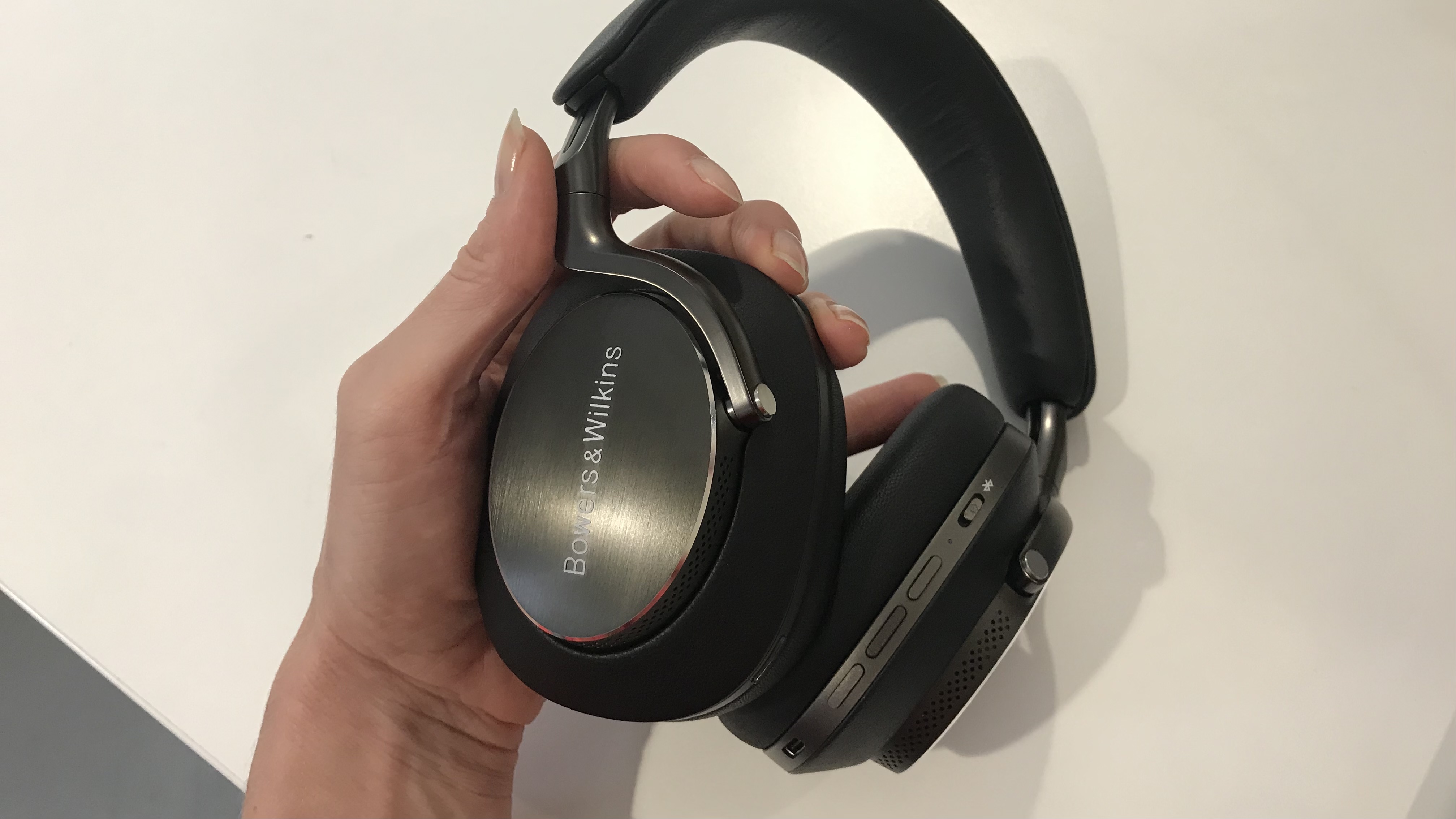
- 2025: The Masimo Expansion: In a move that signaled further ambition, Samsung (via its subsidiaries) integrated the remnants of Masimo’s consumer audio brands, including Bowers & Wilkins, Denon, and Marantz. This consolidated an unprecedented amount of acoustic IP under one corporate roof.
- Late 2025 – Present: The Pivot: With the launch of the Galaxy Buds 4 and the experimental "Galaxy Buds On" (open-ear design), Samsung began testing the boundaries of its current audio form factors. The September 2025 re-trademarking of the "Galaxy Studio" name serves as the most recent milestone in this timeline, marking the company’s shift back toward the over-ear market.
The Competitive Landscape: Why Now?
The over-ear headphone market has reached a state of mature saturation. Apple’s AirPods Max have established a luxury aesthetic, while Sony’s WH-1000XM series dominates the mainstream high-performance segment. For Samsung to enter this arena, they must provide more than just a "me-too" product.
The Role of Ecosystem Synergy
Samsung’s primary advantage is its massive installed base of Galaxy devices. By integrating the Galaxy Studio headphones into the "SmartThings" ecosystem, Samsung can offer features that proprietary competitors cannot easily replicate. Seamless switching between a Galaxy Book, a Galaxy S-series smartphone, and a Samsung smart TV, combined with spatial audio capabilities tuned specifically for Samsung displays, would create a "walled garden" experience that rivals the Apple ecosystem.

The "Harman Smoothie" Effect
One of the most compelling arguments for the success of the Galaxy Studio is the potential for internal collaboration. Samsung has effectively been hoarding audio genius. While brands like Bowers & Wilkins and JBL continue to operate with a degree of autonomy, a product like the Galaxy Studio could theoretically benefit from a "best-of-all-worlds" design philosophy. Imagine the noise-cancellation expertise of AKG, the tuning profile of Harman Kardon, and the premium material science associated with the Bowers & Wilkins heritage, all packed into a Samsung-branded chassis. This synthesis could result in an audio "smoothie" that offers a unique value proposition.
Implications for the Industry and Audiophiles
The potential release of these headphones raises several questions about the future of the audio brands Samsung currently owns.
The AKG Question
For years, hi-fi enthusiasts have lamented the quiet decline of AKG as a consumer-facing brand. Once a titan of the recording studio, its identity has been diluted within the Samsung/Harman ecosystem. Many fans are hopeful that the Galaxy Studio is the first step toward a broader revival of the AKG philosophy. However, there is a realistic fear that the "Galaxy" branding will prioritize mass-market consumer trends—such as bass-heavy signatures and aggressive ANC—over the precision, transparency, and clinical soundstages that made AKG famous.
The End of "In-Ear Only" Strategy
Samsung’s decision to move back into over-ears is an admission that the TWS market, while profitable, has its limits. High-fidelity critical listening still requires the physical displacement of air that only large, over-ear drivers can provide. By re-entering this space, Samsung is signaling to its competitors that it no longer wishes to cede the high-end audio segment to companies like Apple, Sennheiser, or Bose.
Looking Toward 2027: The Road Ahead
While official details regarding pricing, feature sets, and a release date are currently nonexistent, industry speculation points to a potential launch alongside the Galaxy S27 or the Galaxy Z Fold 9 in 2027. This timeline allows Samsung the necessary window to refine the engineering and ensure that the Galaxy Studio meets the rigorous standards of the modern "premium" market.
If Samsung manages to blend its deep-seated R&D assets with its modern software prowess, the Galaxy Studio could be the most significant audio launch of the decade. Conversely, if the brand fails to differentiate itself, it risks becoming another mid-tier entry in a crowded market.
Ultimately, the Galaxy Studio represents a test of Samsung’s corporate identity. Can a massive conglomerate, often criticized for prioritizing iterative updates and mass-market appeal, successfully pivot to cater to the discerning ear of the audiophile? For the sake of the legacy brands currently sitting on their shelves, we hope they can. The "audio party" is in full swing, and it is high time the host decided to join in.