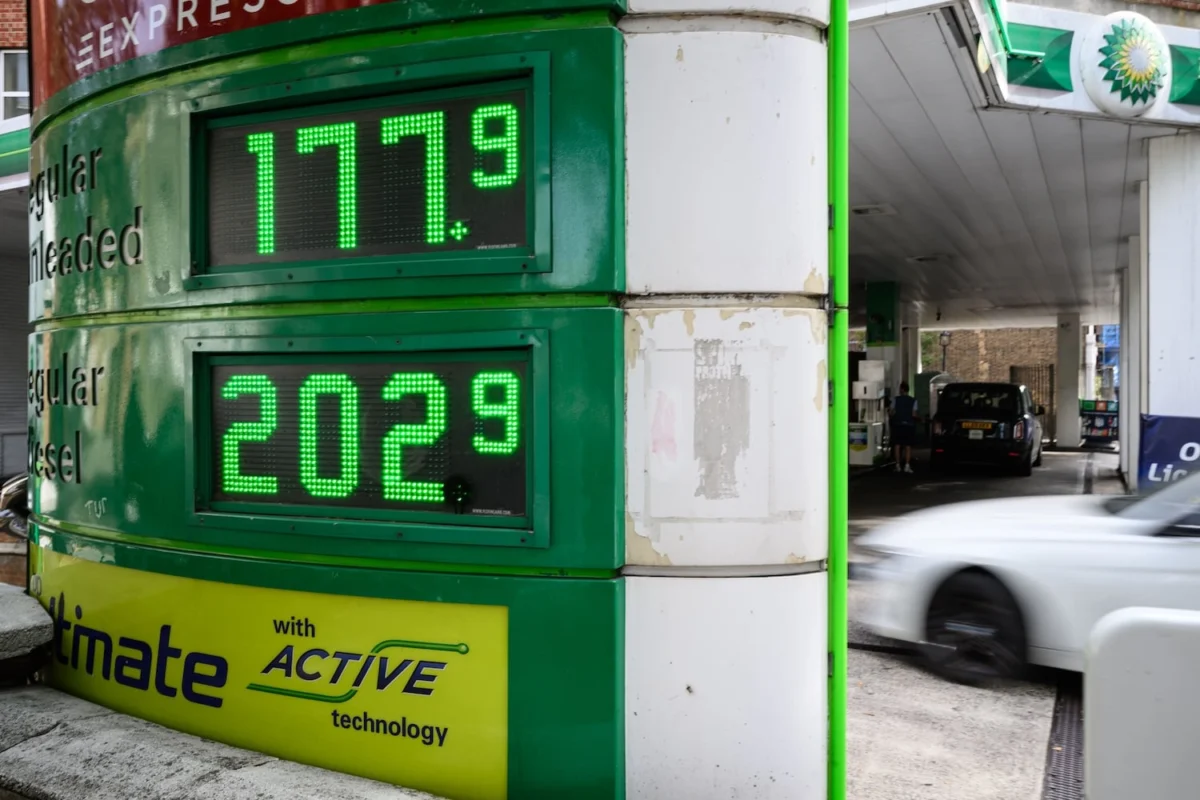
The global economy is running on fumes—or, more accurately, it is running on a fuel that has become both scarce and prohibitively expensive. Diesel, the industrial lifeblood that powers the tractors of the agricultural sector, the locomotives of global freight, and the massive container ships traversing our oceans, has seen its price nearly double over the past two years. This is not merely a localized energy inconvenience; it is a structural crisis with the potential to ignite inflation in every corner of the globe.
As the price of crude oil fluctuates, the real story is hidden in the "crack spread"—the widening gap between the cost of a barrel of crude and the refined products that actually move the world. While policymakers obsess over oil prices, the manufacturing and logistics sectors are reeling from a profound, systemic shortage of diesel.
The Chemistry of Dependency: What is Diesel?
To understand the crisis, one must understand the refining process. Crude oil is not a singular commodity; it is a complex cocktail of hydrocarbons. Through a process of fractional distillation, refineries "cook" crude oil in massive towers, separating it into various components based on boiling points.
At the top, you find light gases; in the middle, you find petrol; at the bottom, the heavy, tar-like substances used for road surfacing. Diesel sits in the middle—a dense, oily mixture of heavy molecules that are highly combustible under pressure. Unlike a gasoline engine, which relies on a spark plug to ignite an air-fuel mixture, a diesel engine compresses air until it is hot enough to spontaneously ignite the fuel upon injection.
This mechanism allows for the creation of immense power, making diesel the only viable fuel for the gargantuan engines that drive global commerce. Because diesel combustion is uniform and highly efficient, it enables the engineering of engines the size of houses. It is, quite simply, the most efficient way to move heavy freight across the planet.
A Chronology of the Crisis
The current predicament is not a sudden accident, but the culmination of decades of strategic choices and recent geopolitical shocks.
- 1990s–2010s: The "Dieselization" of Europe. European governments and automotive manufacturers, seeking to maximize fuel efficiency and reduce carbon footprints, pivoted heavily toward diesel-powered passenger vehicles. By the early 2010s, over 50% of new cars sold in Europe were diesel, a shift that created a structural reliance on the middle fraction of the refinery stack.
- 2023: The imposition of sanctions on Russian energy exports forced a chaotic realignment of global supply chains. Europe, which had been heavily reliant on Russian diesel, was forced to look toward the Middle East and India to fill the void.
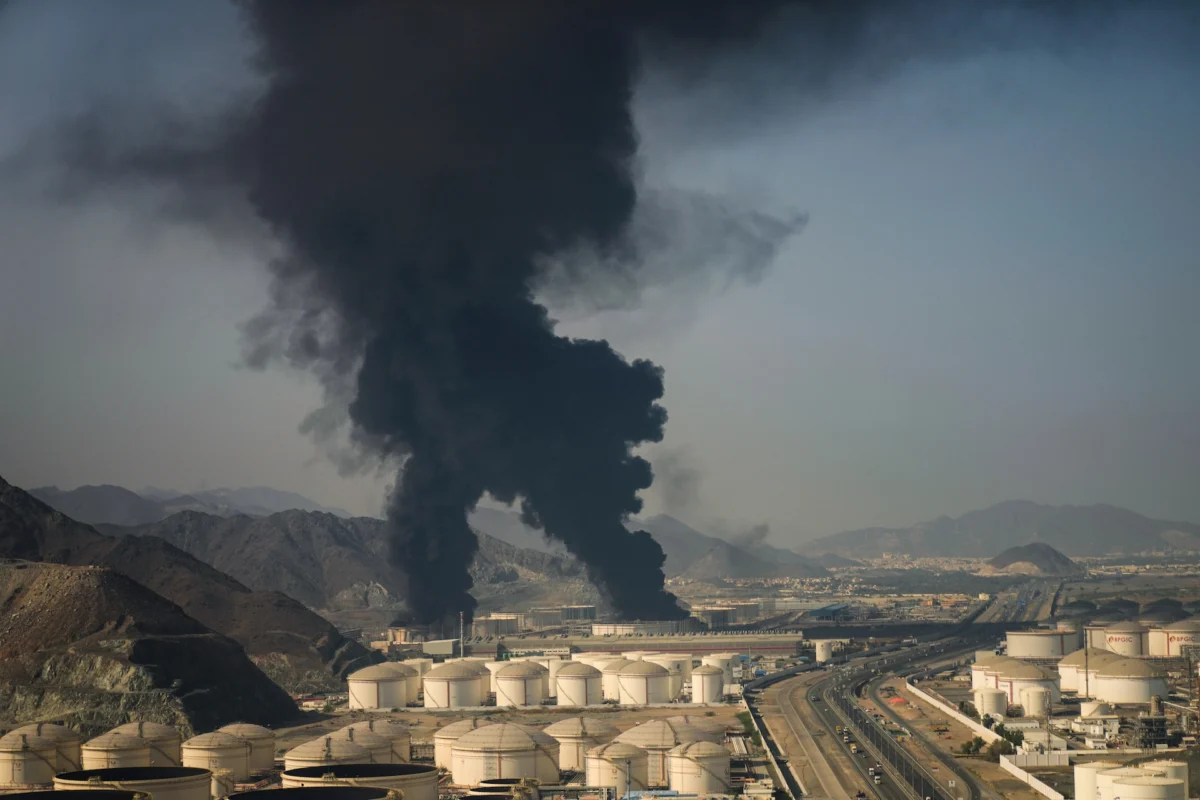
- 2026 (The Tipping Point): A convergence of factors—specifically the escalation of the conflict involving Iran and the closure of the Strait of Hormuz—has crippled the ability of the Middle East to export refined products. Simultaneously, Ukraine’s adoption of long-range drone strikes targeting Russian refineries has systematically reduced global supply, turning 2026 into a defining year of scarcity.
Structural Mismatches and Regional Vulnerabilities
The crisis is rooted in a fundamental mismatch between where oil is produced and where it is refined. The Middle East and emerging markets have invested heavily in sophisticated, modern refining capacity, while the West has stagnated.
Europe, having prioritized diesel for decades, effectively built a "deficit machine." It lacks the refining capacity to meet its own demand, forcing a reliance on imports. When external shocks—like the closure of maritime chokepoints or the destruction of Russian infrastructure—occur, the European market is left defenseless.
Conversely, nations like India and China have positioned themselves as the "refineries of the world." By importing crude oil at discounted rates and processing it into high-demand diesel, these nations have gained immense geopolitical leverage. They are no longer just oil consumers; they are the essential processors that keep the global supply chain moving.
Supporting Data: The Logistics of Inflation
The "Diesel Crisis" is ultimately a crisis of logistics. Because diesel is the primary fuel for trucks, ships, and agricultural machinery, every cent added to the price of a gallon is a tax on the movement of goods.
- Agricultural Impact: Modern agriculture is effectively a process of converting fossil fuels into food. Tractors, irrigation pumps, and the logistics chains that move produce from farm to shelf are all diesel-dependent. Estimates suggest that 30% of total global energy use is tied to the food supply chain.
- The Refining Bottleneck: Refinery infrastructure is notoriously "non-fungible." Building a new refinery takes years and billions of dollars. Unlike oil, which can be stored in tankers and diverted to different markets, finished fuel products require specialized storage. If a nation cannot move its diesel, it must slow down its entire refining process, leading to shortages in other products like petrol or aviation fuel.
Official Responses and Strategic Miscalculations
The international response has been characterized by a scramble for stockpiles and protectionist rhetoric. In Germany, authorities have begun releasing significant portions of their 400-day diesel reserve to prevent a total logistical breakdown. In the United Kingdom, where reserves are thinner (estimated at roughly 40 days), the government faces a more immediate threat to supply chain continuity.
However, the most significant political friction stems from the United States. Populist calls for "America First" energy policies—specifically the potential to halt diesel exports to protect domestic prices—have triggered international alarm. While such a move might lower prices at American pumps in the short term, it would likely cause a domestic crisis. Because U.S. refineries operate on a "just-in-time" model with limited storage, a sudden halt in exports would force them to throttle production, leading to a spike in the price of other refinery products, such as jet fuel and gasoline.
Implications: The Road Ahead
The long-term implication of this crisis is the realization that the European shift toward diesel was a "technological dead end." While diesel engines are marvels of efficiency, they have left the continent exposed to geopolitical volatility that electric vehicles (EVs) or hydrogen-based alternatives would have avoided.
The crisis is also accelerating a shift in global power. Nations that possess the infrastructure to refine and distribute energy are seeing their influence grow, while those dependent on trade networks for refined products are being forced to re-evaluate their national security strategies.
For the average consumer, the message is clear: the era of cheap, reliable logistics is under immense pressure. As the world transitions toward a sustainable energy future, the reliance on diesel remains an Achilles’ heel. Whether through the rising cost of groceries, the volatility of shipping rates, or the increasing cost of transportation, the diesel crisis is not a niche industrial problem—it is a pervasive economic reality that will continue to shape global markets for the foreseeable future.
The lesson of 2026 is that in an interconnected world, the "middle of the refinery stack" is where the most critical, and most dangerous, battles for economic stability are being fought.