To mark World Environmental Health Day, we must confront an uncomfortable truth: our planet is not merely the backdrop for human activity—it is the life-support system upon which every aspect of our existence depends. As Earth.Org re-examines the intricate, often fragile, connection between our surroundings and our well-being, the message is clearer than ever: the health of the environment is not a luxury, but the primary determinant of human health.
The Inextricable Link: Nature and Human Existence
Earth remains the only known location in the universe capable of sustaining complex human life. Nature provides the foundational requirements for our physical and mental health: clean air, potable water, fertile soil, and a stable climate. However, the last century has seen the human population grow at an unprecedented rate, driving an era of industrial expansion and resource exploitation that has pushed the planet to its breaking point.
We have entered an age where unsustainable development is the norm rather than the exception. This disregard for ecological boundaries has resulted in widespread contamination, leaving millions to live in environments that actively degrade their health. From the microscopic particles in our lungs to the chemical residues in our water, the "external" environment has become an internal threat.
A Brief Chronology of Environmental Awareness
The realization that human activity could fundamentally alter the atmosphere is a relatively modern phenomenon.
- Early 20th Century: The industrial boom brought the first significant academic inquiries into air pollution. Scientists began to notice that the rapid expansion of coal-powered factories and the rise of the automobile were leaving a "dent" in the atmosphere.
- 1948: The founding of the World Health Organization (WHO) signaled a global shift toward viewing health as a state of "complete physical, mental, and social well-being," acknowledging that environmental factors are not peripheral but central to this definition.
- The 1960s–1970s: The publication of Rachel Carson’s Silent Spring catalyzed the modern environmental movement, forcing the world to acknowledge that chemicals and pesticides were infiltrating the food chain.
- 21st Century: We have moved from observing local pollution to confronting global systemic threats. Today, the focus has shifted toward "planetary health"—a recognition that our survival is tethered to the health of the Earth’s natural systems.
The Pillars of Environmental Health: Six Key Threats
Environmental health is a multi-disciplinary field focused on the physical, chemical, and biological factors external to a person. Currently, six primary vectors of harm dictate the quality of life for billions.
1. The Invisible Killer: Air Pollution
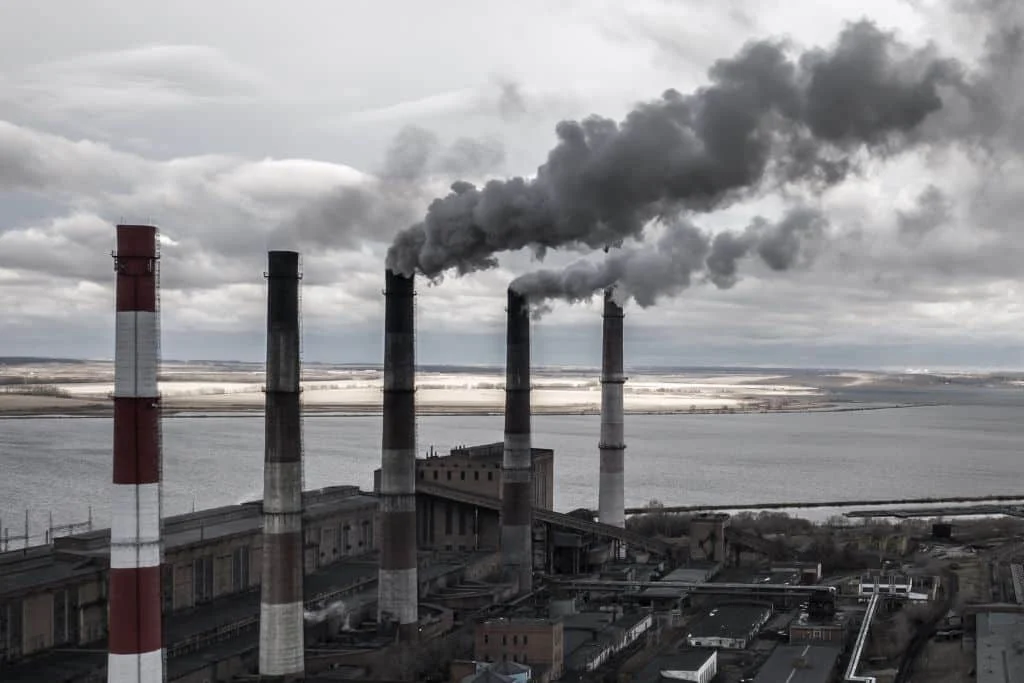
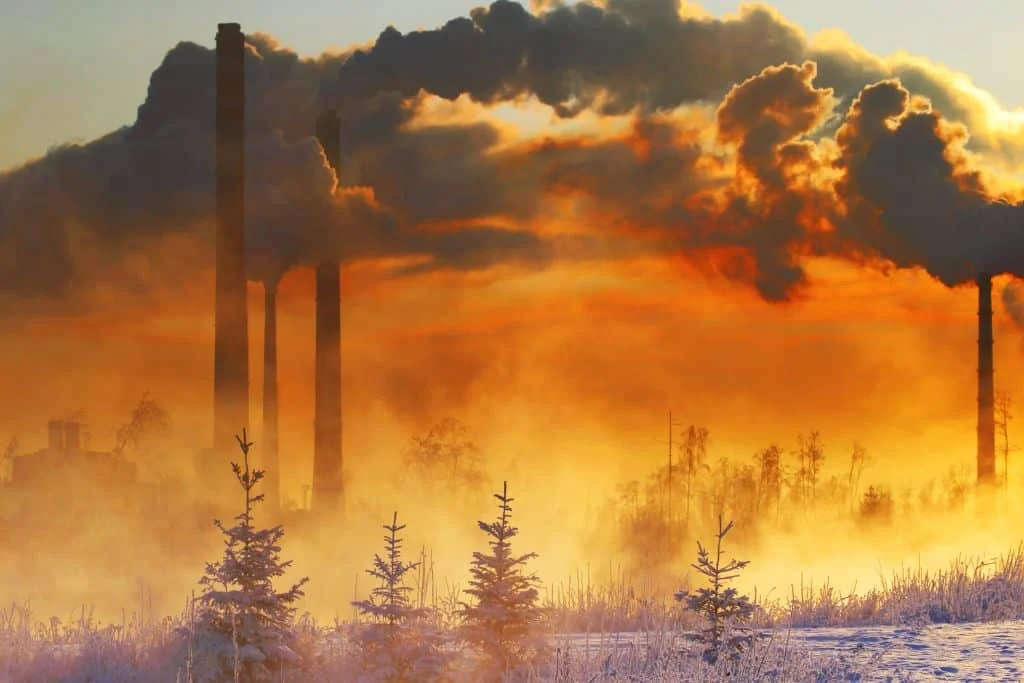
Air pollution is the most pervasive environmental health threat. A volatile mixture of man-made emissions and natural particles, it infiltrates our respiratory and cardiovascular systems. The WHO estimates that nine out of ten people breathe air containing high levels of pollutants, contributing to nearly 9 million premature deaths annually. Children are particularly vulnerable; roughly 600,000 children perish every year due to respiratory infections directly linked to poor air quality.

2. The Water Crisis
While access to clean water is a fundamental human right, it remains an elusive luxury for a vast portion of the global population. Approximately 780 million people lack access to safe drinking water, and nearly 2.5 billion—roughly one-third of the global population—suffer from inadequate sanitation. The ripple effect is devastating, with over 2,000 children losing their lives daily to preventable, water-borne diseases.
3. The Proliferation of Toxic Substances
Since 1930, the global production of chemicals has exploded from one million tons to over 400 million tons annually. These hazardous substances, often discarded as waste or leaked into landfills, permeate our soil and water. Research suggests the average human now carries an internal burden of approximately 300 man-made chemicals, a cocktail that contributes to more than 1.6 million deaths per year according to global health metrics.
4. Climate Change: The Ultimate Threat Multiplier
Climate change is widely considered the greatest health threat of the 21st century. It acts as a "threat multiplier," exacerbating existing problems. Rising temperatures, erratic rainfall, and extreme weather events—cyclones, hurricanes, and wildfires—do more than destroy infrastructure; they cause direct mortality and trigger long-term psychological trauma. The 2010 Haiti earthquake, while a geophysical event, highlights how fragile infrastructure in high-risk areas leads to catastrophic human tolls.
5. Infrastructure and Urban Planning
The design of our cities dictates our health. When healthcare centers are inaccessible or located far from vulnerable populations, the impact of environmental hazards is magnified. Governments must prioritize "green" infrastructure, including robust sanitation systems, equitable healthcare access, and urban planning that prioritizes human health over industrial efficiency.
6. Biodiversity Loss and Zoonotic Risks
While often categorized as an ecological issue, the loss of biodiversity is a direct health concern. The destruction of natural habitats forces closer contact between humans and wildlife, increasing the likelihood of zoonotic disease spillover. A healthy ecosystem acts as a natural barrier to pathogens; when we degrade that barrier, we leave ourselves exposed.
Official Perspectives: The Institutional Response
International bodies like the WHO and the European Environment Agency (EEA) have become increasingly vocal regarding the urgency of the situation. Anne Stauffer, director for Strategy and Campaigns at the Health and Environmental Alliance (HEAL), has consistently noted that the root cause of our health crisis is an economic model reliant on fossil fuels.

The EEA’s research into heatwaves offers a chilling forecast: under current warming scenarios, annual death tolls in Europe due to extreme heat could exceed 130,000. These institutions argue that current environmental health problems are not "natural" disasters, but are largely preventable. Indeed, studies suggest that 23% of all global deaths—and 26% of deaths among children under five—are linked to modifiable environmental factors.
The Implications for Our Future
The implications of ignoring environmental health are profound. We are not just facing an "environmental" crisis; we are facing a crisis of human longevity and equity.
- Economic Burden: The cost of treating preventable diseases caused by pollution places an unsustainable strain on global healthcare systems.
- Social Injustice: Environmental degradation disproportionately affects the poor, who often live in the most contaminated zones with the least access to healthcare, further widening the global inequality gap.
- Generational Debt: By failing to address these six pillars today, we are effectively passing a "health deficit" to future generations, who will have to contend with a more volatile climate and a more toxic environment.
The Path Forward: What Can Be Done?
The scale of the crisis can feel overwhelming, but systemic change is driven by individual and collective action.
- Eco-Friendly Audits: Every household can contribute by performing an eco-friendly audit, reducing energy consumption, and minimizing plastic waste.
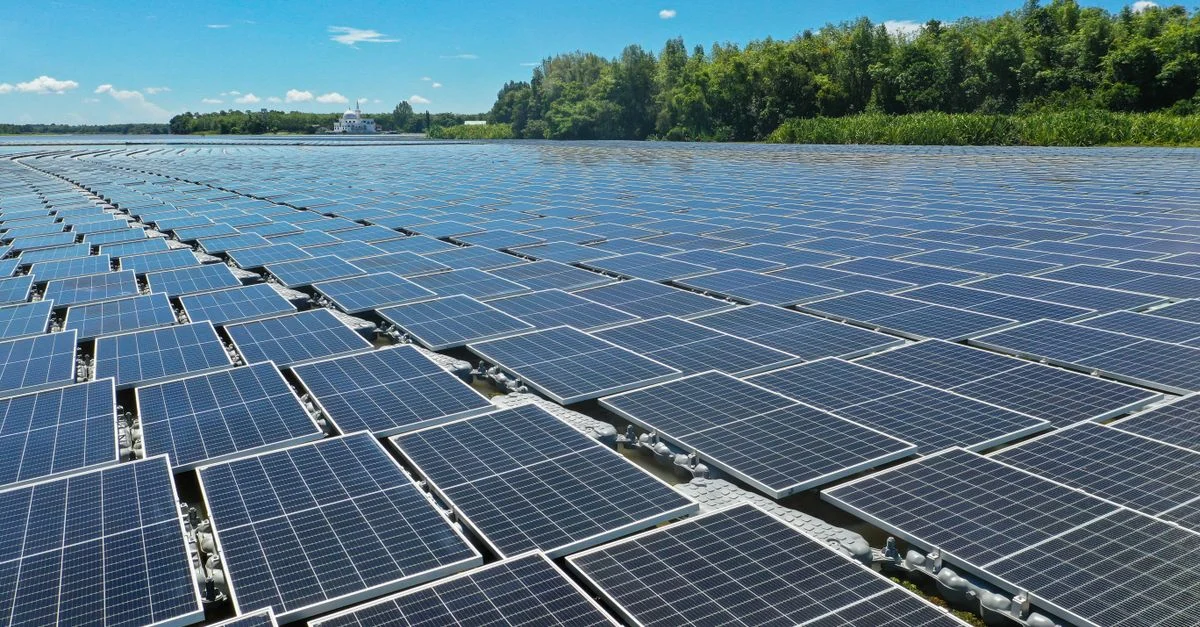
- Policy Advocacy: Governments must be pressured to transition away from fossil fuels and invest in green infrastructure.
- Public Awareness: Education is the first step toward mitigation. Understanding how our daily habits—from diet to transport—impact the broader environment is essential.
Final Thoughts: A Call to Stewardship
Environmental health has never been more vital. To dismiss the state of our planet is to dismiss our own longevity. While the task of reversing climate change and cleaning up our ecosystems seems monumental, it is not impossible.
We are at a crossroads. We can continue a trajectory of extraction and degradation, or we can embrace a future where humanity lives in equilibrium with the natural world. The choice is not merely between "nature" and "progress"—it is a choice about the kind of future we want for ourselves and the generations that will follow. Protecting the environment is, ultimately, the most effective preventative medicine we have.