As global temperatures climb and the markers of a shifting climate become increasingly visible—from the rapid recession of polar glaciers to the relentless intensity of modern heatwaves—the role of the climatologist has moved from the quiet halls of academia to the forefront of global survival. While the average citizen looks to the meteorologist to decide whether to carry an umbrella tomorrow, the climatologist looks to the horizon of decades and centuries, deciphering the complex, high-stakes narrative of our planet’s future.
The Science of the Long View: Defining Climatology
At its core, climatology is the study of the Earth’s climate system, a vast, interconnected machine fueled by atmospheric, oceanic, and terrestrial interactions. Unlike meteorology, which is concerned with the transient "weather"—the immediate state of the atmosphere—climatology is the study of "climate," the statistical average of weather over long periods.
Climatologists are tasked with a monumental challenge: isolating the "signal" of human-induced climate change from the "noise" of natural variability. The Earth’s climate has always fluctuated due to volcanic activity, solar cycles, and orbital variations. Today’s climatologists must use advanced statistical methods to prove that the current rate of warming is an anomaly, inextricably linked to the anthropogenic rise in atmospheric greenhouse gas concentrations.
Chronology of Climate Discovery: From Ancient Ice to Modern Modeling
To understand where we are going, climatologists must first understand where we have been. The field has evolved from simple observation to a high-tech discipline that functions as a planetary detective agency.
- 19th Century – Early 20th Century: The foundations were laid by early physicists like Eunice Newton Foote and John Tyndall, who first identified the heat-trapping properties of carbon dioxide.
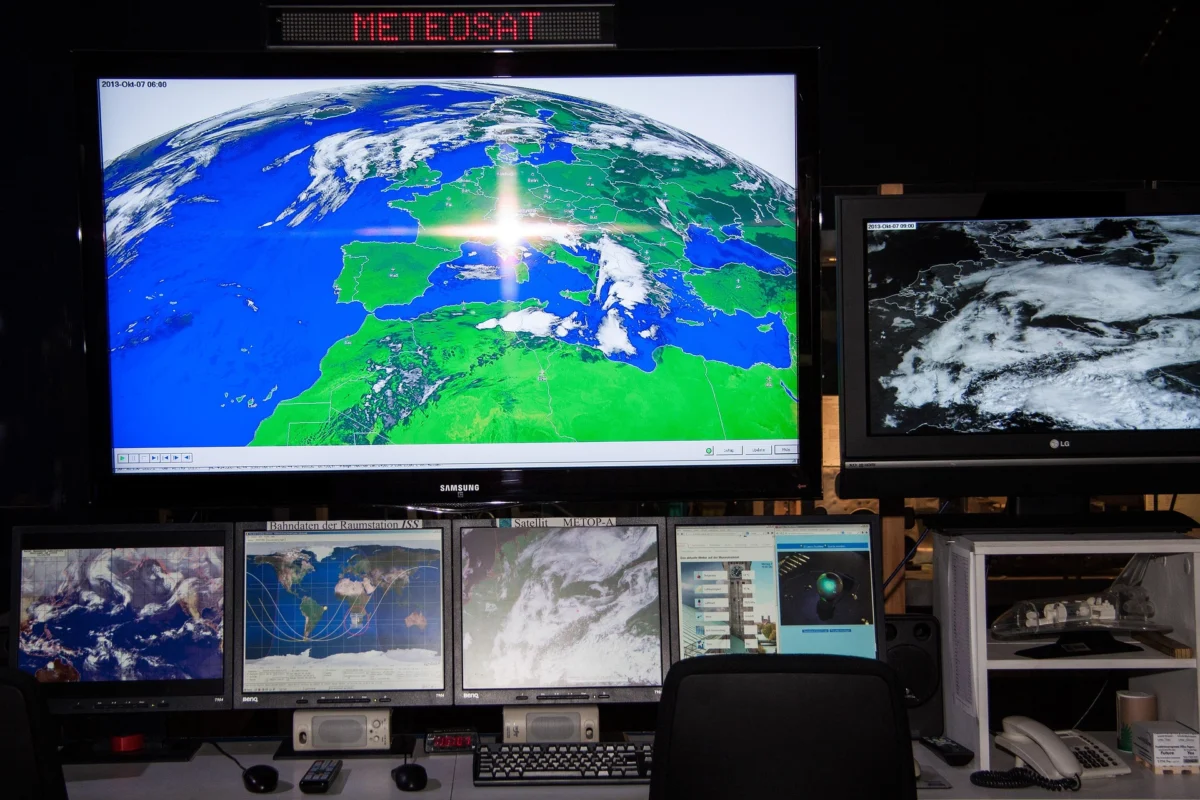
- Mid-20th Century: The advent of satellite technology revolutionized the field, allowing for the first truly global measurements of temperature, sea-ice extent, and atmospheric moisture.
- The Digital Revolution (1980s–Present): The development of supercomputing allowed for the creation of General Circulation Models (GCMs). These models simulate the physics of the atmosphere and oceans, allowing scientists to "stress test" the Earth under various carbon emission scenarios.
Today, climatologists utilize "paleoclimatology"—the study of ancient climates—to provide essential context. By extracting ice cores from Antarctica or Greenland, researchers can sample air bubbles trapped thousands of years ago, providing a direct record of ancient greenhouse gas levels. Tree rings, coral reefs, and sediment layers act as biological clocks, recording past temperatures and rainfall patterns that provide a baseline against which today’s rapid changes can be measured.
Supporting Data: The Indicators of a Changing System
The consensus among climatologists is built upon a mountain of empirical evidence. This data is not gathered from a single source but is the result of a global, multi-modal monitoring network:
- Atmospheric Concentrations: Greenhouse gas levels, specifically carbon dioxide and methane, have reached concentrations unprecedented in at least 800,000 years.
- Ocean Heat Content: More than 90% of the heat trapped by greenhouse gases is absorbed by the oceans. Rising ocean temperatures contribute to sea-level rise through thermal expansion and the acceleration of ice-sheet melting.
- Cryospheric Decline: The reduction of Arctic sea ice and the thinning of mountain glaciers provide undeniable visual and quantitative evidence of warming.
- Statistical Anomalies: Climatologists track the frequency and intensity of extreme weather events. While a single storm cannot always be blamed on climate change, the statistical shift in the probability of such events—making "once-in-a-century" floods occur every decade—is a hallmark of their research.
Implications for Global Society
The work of the climatologist is no longer abstract; it is foundational to the stability of modern civilization. Their research acts as a diagnostic tool for sectors that are increasingly vulnerable to environmental shifts.
Agriculture and Food Security
As rainfall patterns shift, traditional growing seasons are being disrupted. Climatologists provide the data necessary for governments to pivot agricultural policy. This includes the development of heat-resistant crop varieties, the optimization of irrigation in drought-prone regions, and the strategic relocation of food production to areas with more stable future water availability.
Urban Infrastructure and Resilience
Cities are becoming the front lines of climate change. Urban "heat islands," combined with rising sea levels and more frequent flash flooding, threaten the structural integrity of modern urban centers. Climatologists collaborate with engineers to redefine building codes, ensuring that sea walls, drainage systems, and public cooling infrastructure are designed not for the climate of the 20th century, but for the climate realities of 2050 and beyond.
The Financial and Energy Sectors
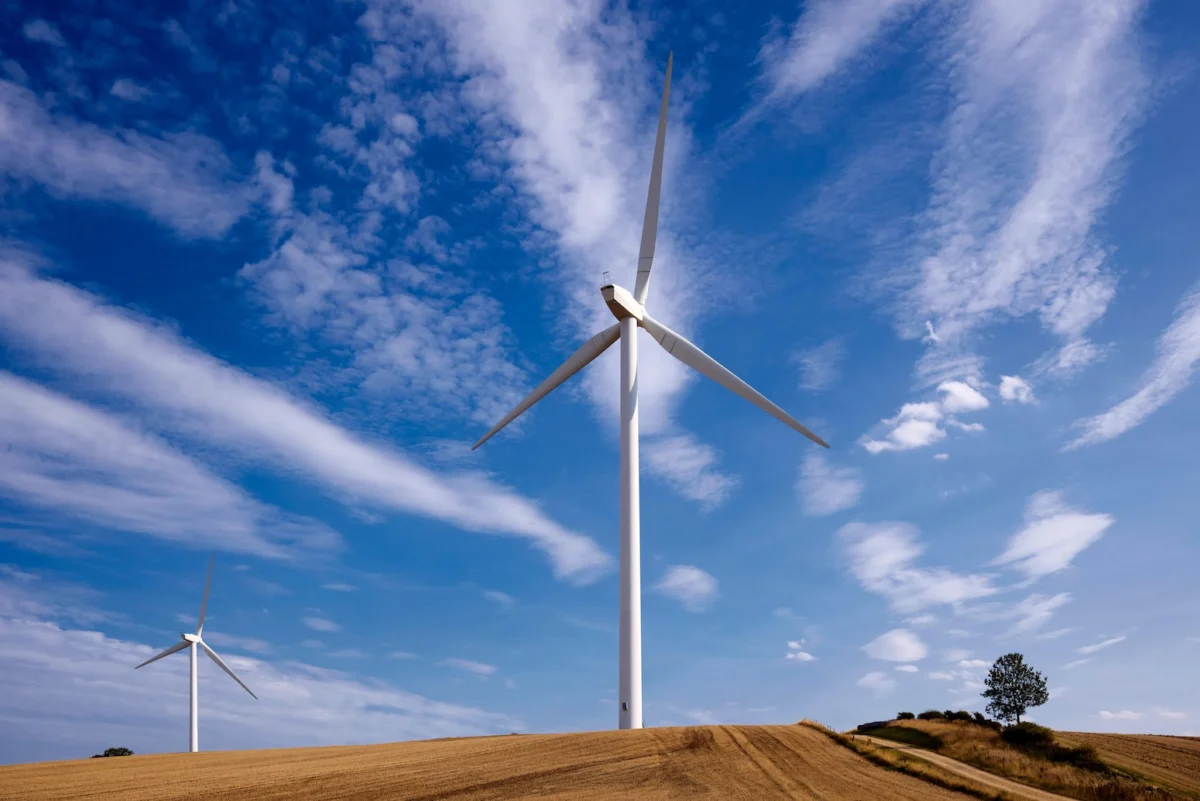
Risk is the currency of the modern financial world. Insurance companies and banks now integrate climate modeling into their risk assessments. If a property is located in an area predicted to face increased wildfire risk or chronic flooding, its long-term insurability changes. Simultaneously, the renewable energy sector relies on climatology to assess the reliability of wind and solar resources, ensuring that the transition to a green grid is based on data, not guesswork.
Official Responses and the Policy Interface
Perhaps the most significant contribution of the climatological community is its interaction with global policy, most notably through the Intergovernmental Panel on Climate Change (IPCC). The IPCC does not conduct original research but acts as a massive synthesis mechanism, bringing together thousands of climatologists to evaluate the peer-reviewed literature.
The reports produced by the IPCC serve as the bedrock for international agreements like the Paris Agreement. These documents provide the "emission pathways"—the varying levels of greenhouse gas cuts required to limit global warming to 1.5°C or 2°C.
It is important to note the boundaries of the climatologist’s role. They do not dictate policy; they provide the "decision space." By clarifying the consequences of inaction versus the benefits of mitigation, they empower policymakers to make choices based on objective, verified data. This communication role is vital, as the nuances of scientific uncertainty are often misunderstood by the public. When a scientist says "uncertainty," they are referring to the statistical range of possible outcomes, not a lack of confidence in the underlying trend of warming.
The Future of the Profession
As we move deeper into the 21st century, the demand for climatological expertise is exploding. No longer confined to university laboratories, climatologists are now embedded in municipal governments, multinational corporations, and non-governmental organizations.
The profession has become inherently multidisciplinary. Today’s climatologist must be a polymath—proficient in high-level programming and big-data analytics, while also possessing a deep understanding of atmospheric physics, oceanography, and ecological systems. Furthermore, they must be masters of collaboration, as climate change is a borderless problem that requires a global, unified data set.
The training pipeline is expanding, with a growing emphasis on postgraduate studies that bridge the gap between pure research and applied science. Whether using machine learning to predict regional precipitation changes or communicating complex risk models to local community leaders, the modern climatologist is a vital bridge between the abstract data of the past and the practical decisions of the future.
Conclusion: The Scientific North Star
In an era defined by "fake news" and polarized discourse, climatologists serve as the scientific north star. They provide the objective reality of our situation, distinguishing between the natural, slow-moving variability of the Earth and the rapid, man-made transformations that are currently underway.
Their work ensures that society does not stumble into the future blindly. By anticipating risks, identifying vulnerabilities, and mapping out the consequences of our current trajectory, climatologists offer us the most valuable resource of all: time. While they cannot stop the warming of the planet on their own, their research provides the map we need to navigate the coming decades, allowing us to adapt, mitigate, and ultimately thrive in an evolving world. Through their meticulous collection of data and their relentless pursuit of truth, climatologists are ensuring that humanity remains informed, prepared, and capable of responding to the defining challenge of our time.