By Rosemary Potter
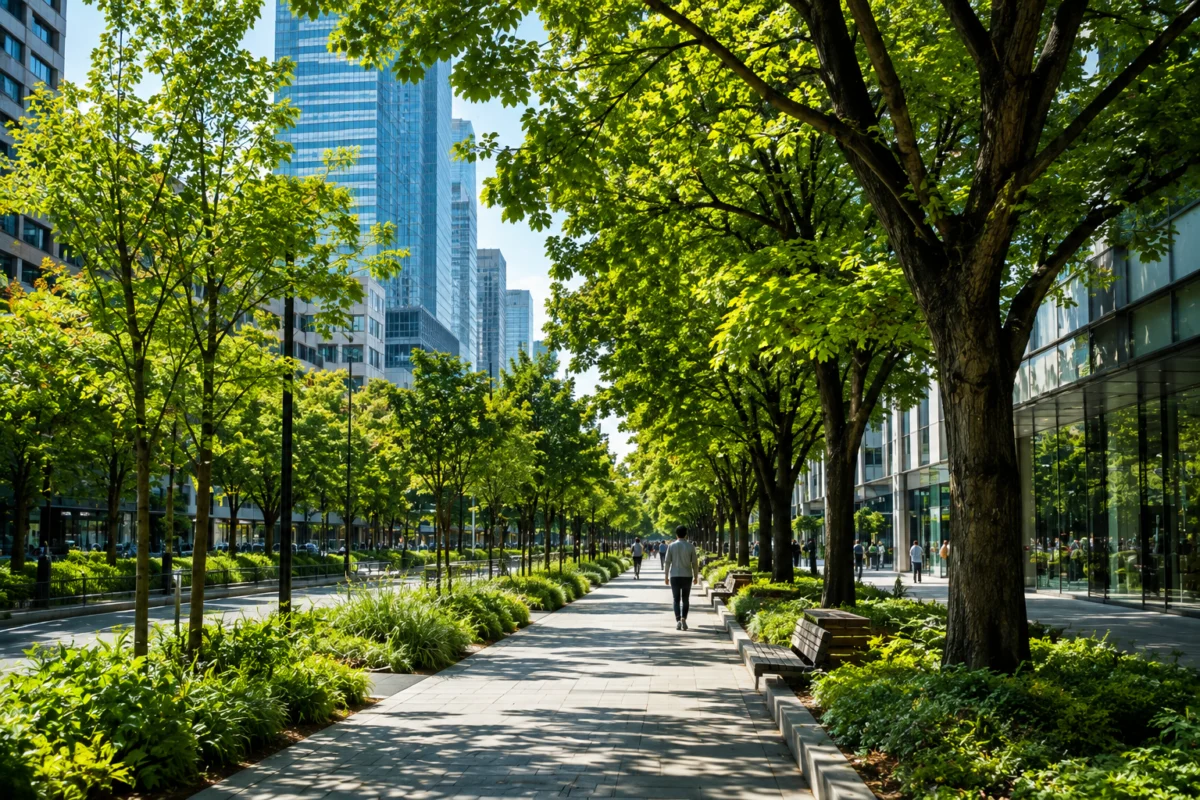
As global urbanization accelerates, the concrete canyons of our modern metropolises are facing an unprecedented challenge: the converging pressures of a warming climate, deteriorating air quality, and the loss of natural biodiversity. For decades, urban trees were viewed primarily as aesthetic ornaments—leafy additions to parkways intended to soften the hard edges of architecture. Today, however, urban planners, environmental scientists, and public health officials are recognizing that trees are not merely decoration; they are critical infrastructure. They are, in essence, the "silent architects" of a livable future, performing complex biological functions that are becoming essential to the survival of the 21st-century city.
The Heat Island Crisis: A Natural Defense System
The most immediate threat facing many global cities is the "urban heat island effect." This phenomenon occurs when asphalt, concrete, and steel absorb the sun’s radiation during the day and radiate it back as heat throughout the night. In dense urban centers, this can result in temperatures several degrees higher than those in surrounding rural areas, leading to increased energy consumption for cooling and, more alarmingly, elevated rates of heat-related illnesses and mortality during heatwaves.
Trees act as a powerful natural defense against this thermal trap. Their canopy cover serves as a physical shield, intercepting solar radiation before it hits the ground. But their cooling capacity extends far beyond shade. Through a process known as evapotranspiration, trees draw water from the soil and release it as vapor through their leaves. This biological air conditioning system can lower localized ambient temperatures significantly. As heatwaves become more frequent and intense due to climate change, integrating mature tree canopies into urban design is no longer a luxury—it is a public health necessity.
Breathing Easier: The Role of Urban Vegetation in Air Quality
While trees cannot replace the urgent need to decarbonize transport and industrial sectors, they serve as vital filters for urban air. The process of photosynthesis allows trees to sequester carbon dioxide, locking carbon away in their biomass—trunks, branches, and root systems—thereby acting as localized carbon sinks.
Furthermore, foliage acts as a sophisticated particulate matter trap. Dust, smoke, and pollutants emitted from vehicles and heating systems often adhere to the surface of leaves. While the effectiveness of this filtration depends on the species of tree, the density of the planting, and the specific wind patterns of a city’s street layout, urban forests represent a fundamental component of a comprehensive environmental strategy. By mitigating the concentration of airborne pollutants, cities can alleviate the burden of respiratory conditions on their most vulnerable populations.
Ecological Corridors: Managing Biodiversity in the Concrete Jungle
For many, the city is viewed as a sterile environment, devoid of non-human life. Yet, urban centers can serve as surprising refuges for biodiversity if managed correctly. Trees, particularly older, mature specimens, provide irreplaceable niches for birds, insects, fungi, and small mammals.
The survival of these species often depends on the concept of "ecological corridors." When parks, gardens, riverbanks, and tree-lined streets are connected, they form a web that allows species to migrate and thrive within the city. Older trees are particularly crucial; the nooks, cavities, and complex bark textures of a hundred-year-old oak provide habitats that newly planted saplings cannot replicate for decades. Protecting these veteran trees is, therefore, an act of biodiversity conservation that spans generations.
Managing the Deluge: Trees as Stormwater Infrastructure
Urbanization involves the widespread use of impermeable surfaces—roads, sidewalks, and building foundations—that prevent rainwater from soaking into the ground. When intense storms hit, these surfaces act like slides, funneling massive volumes of water toward drainage systems that are often ill-equipped to handle the load, leading to flash flooding.
Trees play a transformative role in water management. Their canopy intercepts rainfall, breaking the impact of droplets and slowing the water’s trajectory. Once the water reaches the ground, the root systems create pathways that encourage natural infiltration into the soil. By incorporating "rain gardens" and bioswales alongside tree-planting initiatives, city planners can create a "sponge city" model that drastically reduces the strain on traditional gray infrastructure, such as sewers and treatment plants.
The Human Element: Well-being and Social Cohesion
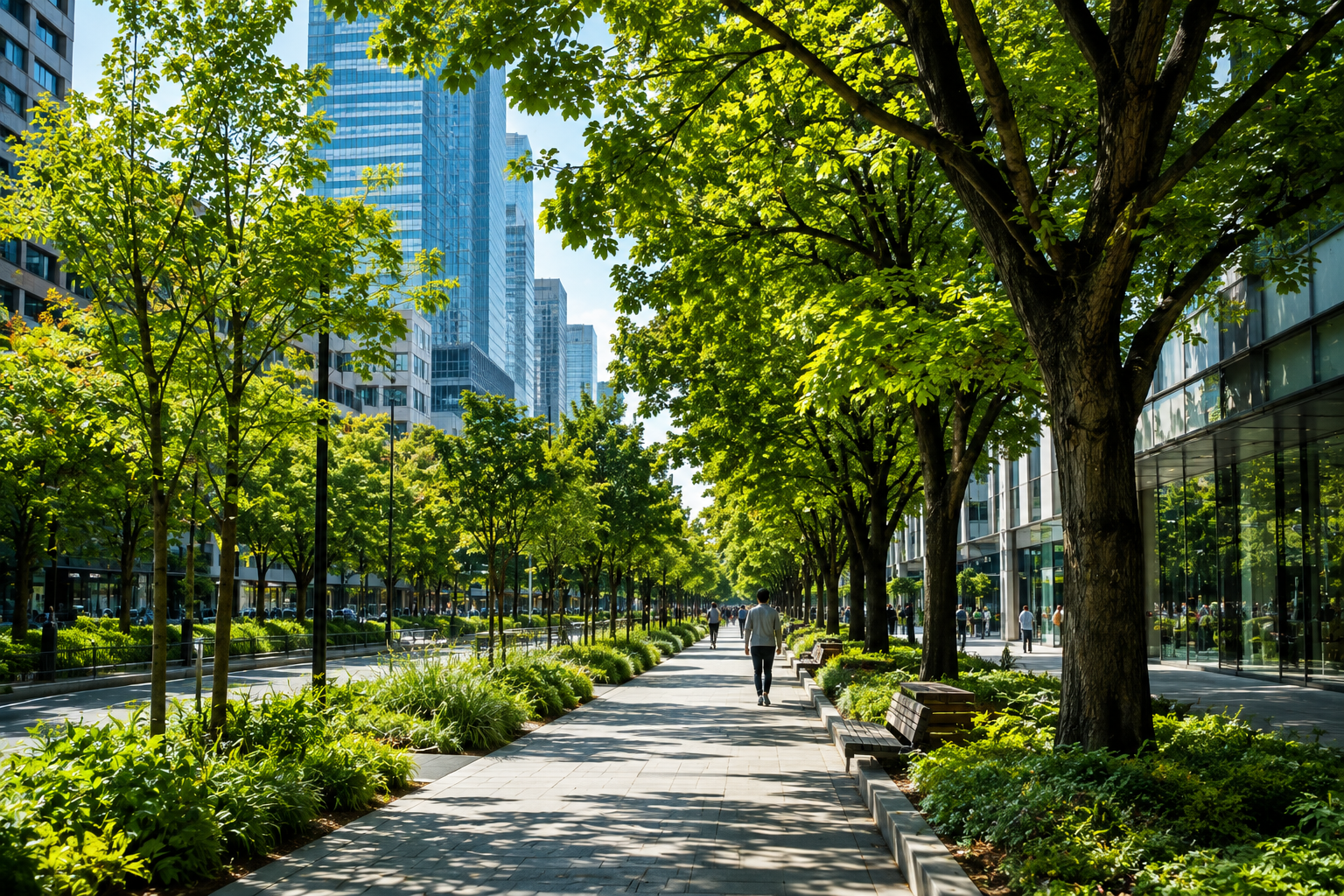
Beyond the technical data, there is a profound psychological benefit to urban greening. The presence of nature in a city setting has been shown to reduce stress, improve mental health, and encourage physical activity. Shaded, tree-lined streets invite residents to walk, cycle, and linger, transforming transit corridors into communal spaces.
Access to green space is a matter of social equity. Research consistently shows that neighborhoods with lower canopy cover often correlate with lower socioeconomic status and poorer health outcomes. By investing in urban forests, municipalities can foster social interaction and promote pedestrian-friendly neighborhoods, effectively reclaiming the city for the people rather than just the vehicles that inhabit it.
The Long-Term Strategy: Planting vs. Protection
The push for "greener" cities often leads to ambitious headlines about planting millions of trees. However, urban forestry is a discipline that requires nuance. Planting is only the first step; survival and long-term health are the real metrics of success.
Successful urban forestry requires:
- Strategic Species Selection: Choosing trees that are not only suited to the current climate but are also resilient to the predicted shifts in temperature and precipitation over the next 50 years.
- Infrastructure Integration: Ensuring that trees have sufficient subterranean space for root growth and access to water, avoiding the common mistake of planting trees in concrete pits where they are destined to wither.
- Preservation of Maturity: The most effective tree for a city is often one that is already there. Protecting mature canopy trees during construction and redevelopment projects is far more effective than replacing them with young nursery stock, which lacks the environmental impact of a decades-old specimen.
Chronology of the Urban Forest Movement
The transition toward valuing urban forests has been a slow but steady evolution:
- Late 19th Century: The "City Beautiful" movement emphasized parks as essential for civic morale and sanitation.
- Mid-20th Century: Focus shifted toward hard infrastructure, leading to a decline in urban canopy as roads were prioritized.
- Early 2000s: The rise of climate awareness brought "green infrastructure" into the lexicon of urban planning.
- 2020–Present: Cities worldwide are implementing "Urban Forest Master Plans," with goals ranging from reaching 30% to 40% canopy cover as a formal climate adaptation target.
Supporting Data and Scientific Consensus
Recent studies by environmental agencies indicate that a 10% increase in tree canopy can lead to a measurable decrease in surface temperatures during peak heat events. Furthermore, data from public health agencies suggests that areas with higher tree density report lower rates of asthma-related hospitalizations. Economic models also show a high return on investment; for every dollar spent on planting and maintaining an urban tree, the city receives several dollars in benefits, including lower energy bills, reduced flood damage, and increased property values.
Official Responses and Policy Shifts
Governments are beginning to codify these findings into law. From the European Union’s "Green City Accord" to the proliferation of "Million Tree" initiatives in cities like New York and London, policy is catching up to science. Regulations now frequently require developers to incorporate "green space factors" into building permits, ensuring that new construction does not result in a net loss of canopy.
Implications for the Future
The future of the urban landscape is not a choice between nature and concrete; it is a synthesis of both. To build resilient cities, we must treat trees as we treat the power grid or the water supply: as essential, irreplaceable infrastructure.
As we look toward an increasingly uncertain climate future, the "silent architects" offer us a path toward adaptation. By protecting the mature trees we have and meticulously planning for the growth of those we plant, we can turn our concrete jungles into living, breathing, and cooling ecosystems. The challenge is no longer just about building cities; it is about cultivating them. The cities that thrive in the coming century will be those that learn to work in harmony with the natural systems they once tried to replace.