Next week, the eyes of the environmental world will turn toward Yerevan, Armenia, as diplomats from 196 nations gather for a pivotal summit under the UN Convention on Biological Diversity (CBD). Scheduled from October 19 to 30, this meeting represents a high-stakes moment for the planet’s ecosystems. As the world stands at the halfway point between the landmark Kunming-Montreal Global Biodiversity Framework (GBF) and the 2030 deadline for its ambitious targets, the urgency in the negotiating halls will be palpable.
The task ahead is immense. With current data indicating that nations are off-track to meet 22 out of the 23 targets set by the GBF, the Yerevan summit serves as a critical checkpoint to determine whether the international community has the political will to course-correct before the window of opportunity closes.
Main Facts: The Agenda and the Stakes
The Yerevan summit is not merely a routine gathering; it is an emergency diagnostic of the global effort to stem biodiversity loss. The conference will focus on refining the legal texts that govern the implementation of the GBF, as well as two crucial supplemental protocols: the Cartagena Protocol (biosafety) and the Nagoya Protocol (access and benefit-sharing for genetic resources).
Negotiations will be technical, granular, and politically charged. The CBD relies on three subsidiary bodies—the Subsidiary Body on Scientific, Technical and Technological Advice (SBSTTA), the Subsidiary Body on Implementation (SBI), and the Subsidiary Body on Article 8(j)—to prepare the groundwork for these decisions. The latter, which focuses on the roles of Indigenous peoples and local communities, remains a cornerstone of the negotiations following its formal establishment at COP16 in Cali, Colombia.
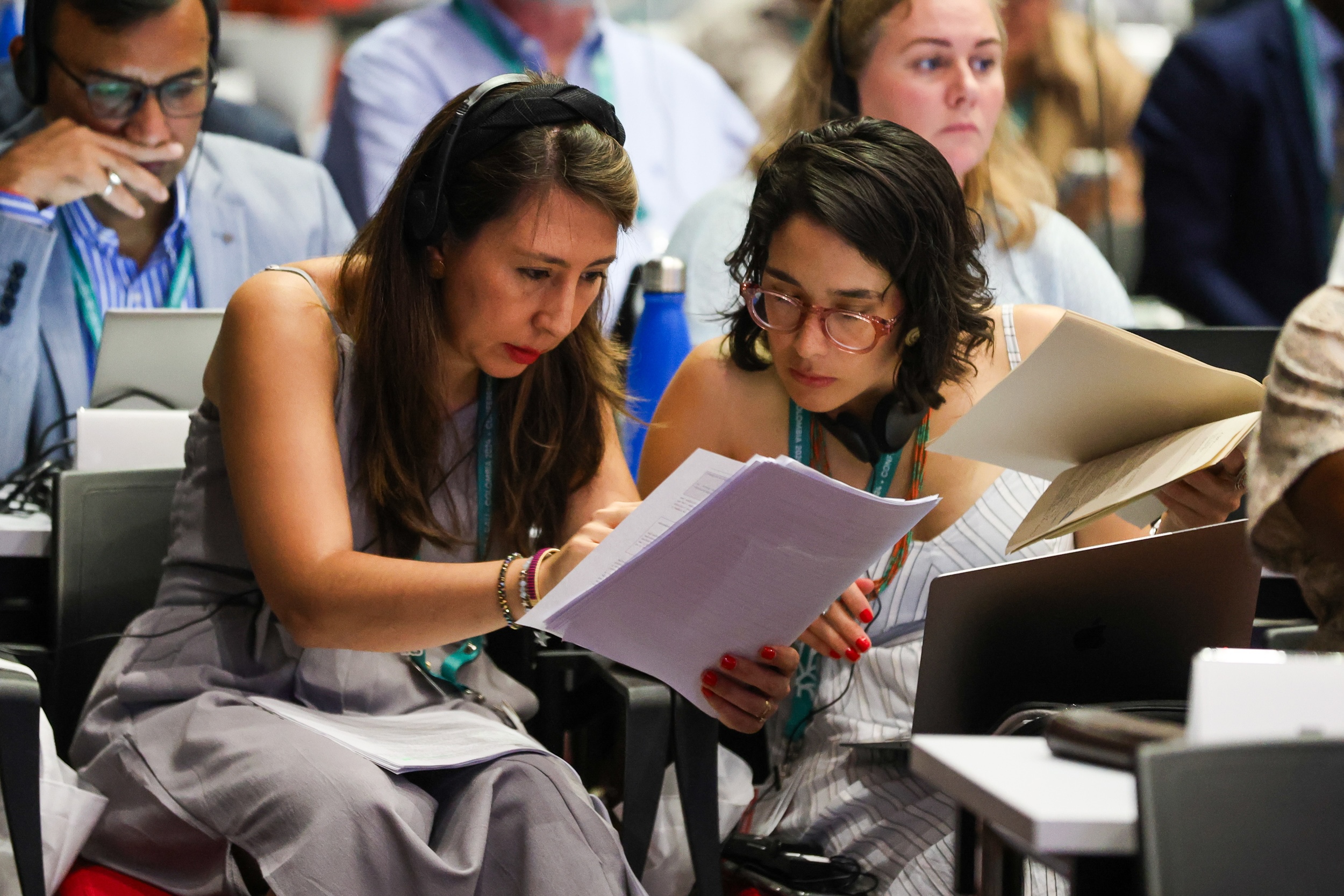
Observers will be monitoring the density of "square brackets" in draft documents—a traditional diplomatic shorthand for unresolved points of contention. As these brackets are cleared and replaced with consensus language, the world will gain a clearer picture of whether the "Kunming-Montreal spirit" is still alive or if it is fracturing under the weight of national interests.
Chronology: A Trajectory of Conflict and Compromise
To understand the atmosphere in Yerevan, one must look at the recent, turbulent history of these negotiations. The path to this summit has been marked by significant milestones, but also by deep-seated divisions that threatened to derail the entire process.
- COP15 (Montreal, 2022): The adoption of the Kunming-Montreal Global Biodiversity Framework was hailed as a "Paris Agreement for nature." It set a clear, if daunting, roadmap for halting and reversing biodiversity loss by 2030.
- COP16 (Cali, 2024): The summit in Colombia was intended to be a victory lap of implementation, but instead, it hit a wall of discord. Disagreements over financial mechanisms—specifically how to mobilize resources for the Global South—led to the unprecedented suspension of the conference.
- The Rome Resumption (Early 2025): The fallout from the Cali suspension necessitated a "resumed session" in Rome. There, delegates managed to reach a tentative roadmap for establishing a permanent financial mechanism, preventing a total collapse of the framework.
- Present Day (Yerevan, 2026): The current summit represents the first major test of the Rome roadmap. The question is no longer just about vision, but about the hard mechanics of funding and accountability.
Supporting Data: The Disconnect Between Pledges and Progress
The challenge in Yerevan is defined by a stark gap between promise and reality. Recent analyses by Carbon Brief and other environmental watchdogs paint a concerning picture.
The Subsidy Scandal
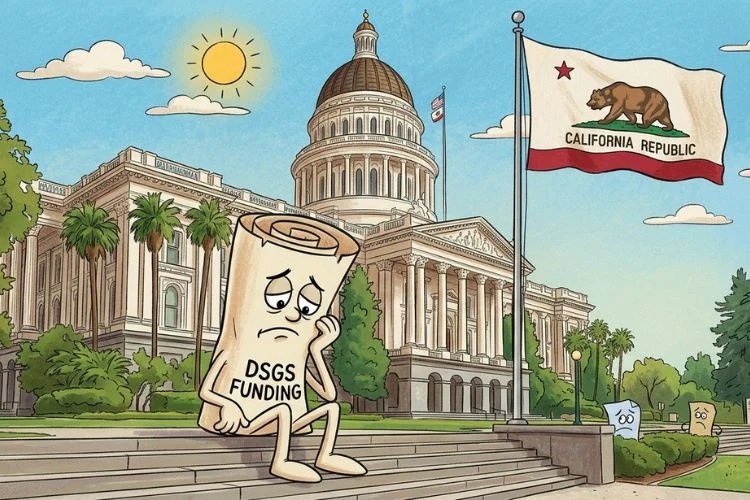
A primary target of the GBF is the reform of nature-harming subsidies. However, the data shows a systemic failure to act. According to recent reports, 84% of nations have failed to meet the 2025 deadline to identify and report on subsidies that actively incentivize the destruction of nature. This lack of transparency makes it nearly impossible to hold governments accountable for their domestic environmental policies.

The Funding Crisis
Finance remains the primary sticking point. The Global South continues to advocate for a separate, dedicated financial mechanism under the direct control of the CBD. They argue that the current reliance on the Global Environment Facility (GEF)—which is dominated by the Global North—is insufficient and lacks the agility required to address the scale of the crisis.
Conversely, donor nations in the Global North are wary of creating new bureaucratic layers. They prefer to leverage existing infrastructure to avoid further fragmentation of the global financial architecture. This fundamental disagreement is what triggered the suspension of COP16, and it remains the primary obstacle to a successful outcome in Yerevan.
Official Responses: Shifting Perspectives
The official narrative coming from the CBD Secretariat is one of "guarded optimism." Representatives emphasize that the framework itself is robust; the issue is not the design of the policy, but the pace of implementation.
"We have the tools, we have the maps, and we have the consensus on the goals," a senior UN negotiator noted in a briefing. "What we lack is the velocity. Yerevan is about shifting from the theory of the GBF to the practice of the GBF."
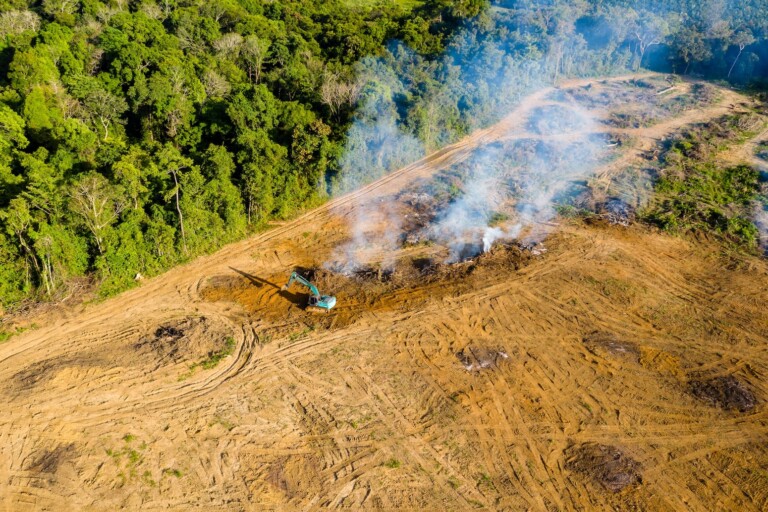
However, civil society groups and delegates from developing nations are more vocal. "If the Global North continues to prioritize existing structures that have failed to move the needle for decades, they are effectively choosing to let the extinction crisis continue," said a representative from a coalition of Global South biodiversity advocates. The sentiment reflects a broader trend where developing nations are increasingly using the threat of "non-consensus" as a bargaining tool to force structural changes in how global environmental aid is managed.
Implications: What Comes Next?
The outcomes of the Yerevan summit will have profound implications for the future of the planet and the integrity of international environmental law.
1. The Survival of Multilateralism
If the parties fail to reach an agreement on the financial mechanism in Armenia, it will signal a breakdown in the trust necessary for international climate and nature agreements. The "Kunming-Montreal" consensus could effectively fragment, leading to a "coalition of the willing" approach that would leave vulnerable, biodiversity-rich nations behind.
2. The Amazon and Beyond
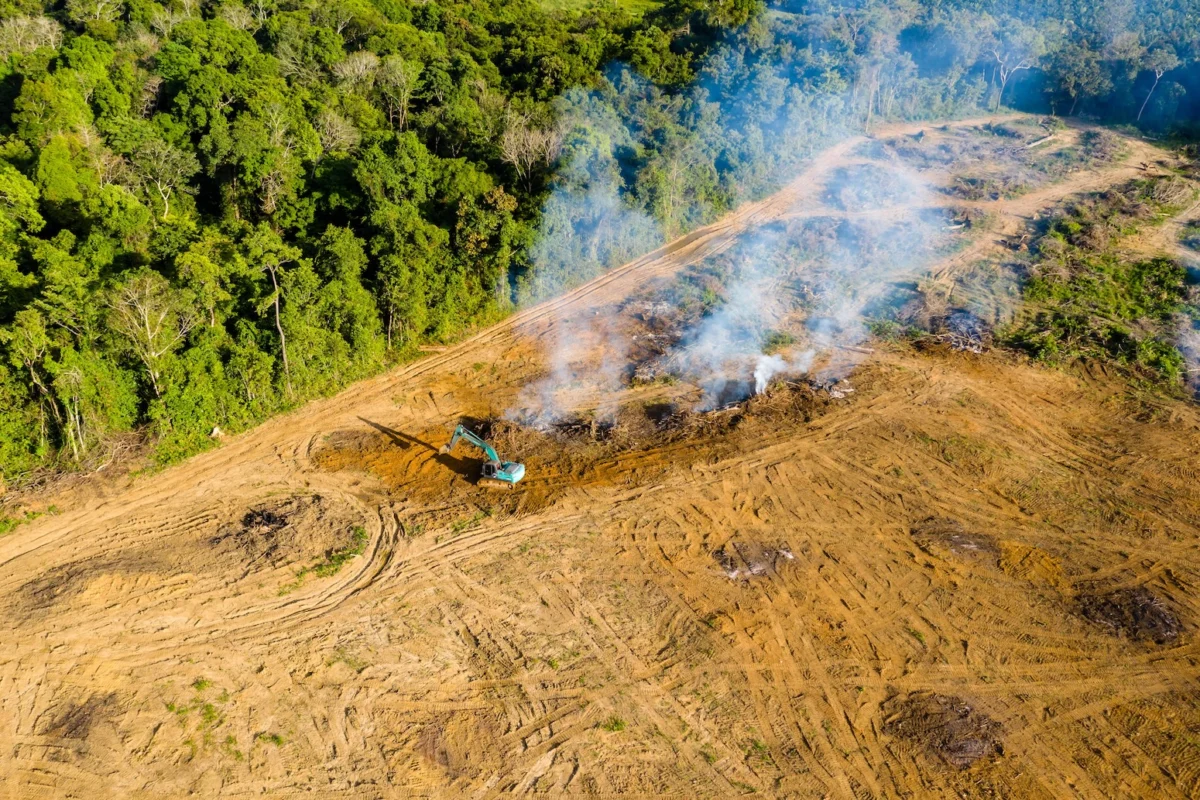
As seen in recent successes—such as the significant reduction in deforestation under the current Brazilian administration—national-level policies are the true drivers of change. However, these successes are fragile. If international funding does not materialize, domestic political pressure to prioritize short-term economic gains over long-term conservation will become harder to resist. The Yerevan summit must provide the financial floor that allows countries like Brazil, Indonesia, and the nations of the Congo Basin to continue their conservation work.

3. The Accountability Mechanism
The "global review" agenda item in Yerevan is arguably the most important technical discussion. It will determine how countries report their progress. If the outcome is a weak, voluntary reporting structure, the GBF will become just another set of noble, yet empty, promises. If the outcome is a transparent, rigorous, and mandatory review process, it could usher in a new era of environmental accountability.
Conclusion
As the delegates convene in Yerevan, they carry the weight of 196 nations’ expectations. The scientific community has been clear: we are losing the battle for the biosphere. The political community, however, remains entangled in the mechanics of finance and sovereignty. The two weeks in Armenia will determine whether the world is capable of bridging this divide, or if the 2030 targets will go down in history as one of humanity’s most significant missed opportunities.
The "brackets" on the pages of the negotiating texts are more than just legal placeholders; they are the markers of our global priorities. How quickly they disappear in the coming days will serve as a barometer for the health of our planet’s future.