The landscape of corporate procurement is undergoing a seismic transformation. No longer confined to the back-office silos of cost-cutting and transactional management, the procurement function is rapidly evolving into a strategic engine for innovation, revenue generation, and risk mitigation. This shift marks a departure from traditional models, as Chief Procurement Officers (CPOs) increasingly move away from internal functional boundaries to embrace a more integrated, cross-departmental role.
Insights gathered from extensive dialogues with over 50 global CPOs suggest that the industry is at a critical inflection point. As these leaders look toward 2027, the mandate for procurement is no longer just about buying; it is about orchestrating value across an increasingly complex and fragile global supply chain.
The Listening Tour: A Chronology of Strategic Evolution
Every summer, the Procurement Leaders community conducts an exhaustive "listening tour." This initiative serves as the foundation for the organization’s annual product and community roadmap, designed to synthesize the collective intelligence of the world’s most influential procurement executives.
The Summer of 2024: A Turning Point
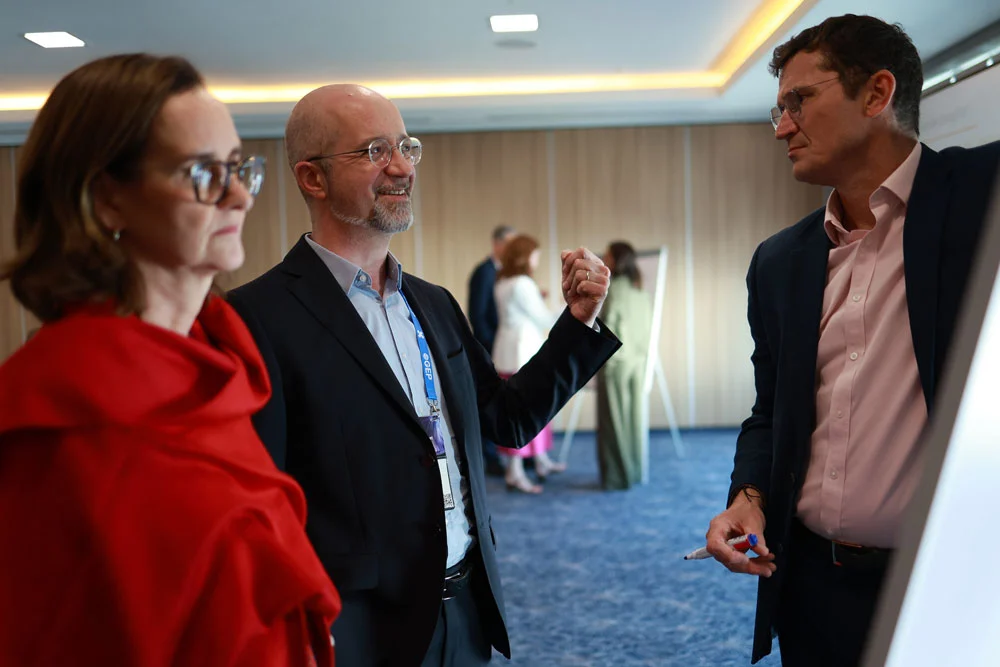
Over the past three months, the Procurement Leaders team engaged in deep-dive discussions with more than 50 CPOs. These conversations were not mere status updates; they were forward-looking inquiries into the viability of the function in an era of geopolitical instability and rapid technological disruption.
Historically, these tours focused on efficiency gains and risk management. However, the 2024 discussions revealed a distinct change in tone. CPOs are now grappling with the concept of "antifragility"—the ability of a supply chain not just to survive disruption, but to thrive because of it. This marks a shift from the reactive postures of the early 2020s to a proactive, future-proof strategy that will define the 2027 agenda.
Supporting Data: The Digitalization Watershed
Perhaps the most startling revelation from this year’s tour is the shift in hierarchy regarding value drivers. For 15 years, the consensus among CPOs was that human talent—the procurement professional—was the primary enabler of value, with technology serving as a supporting tool.
The Human vs. Machine Tipping Point
For the first time in the history of the Procurement Leaders community, the data indicates that digitalization has overtaken human talent as the primary enabler of value.
While the margin remains narrow, the psychological shift is profound. This transition suggests that the sheer volume of data, the complexity of real-time supply chain analytics, and the necessity for predictive modeling have surpassed the capacity of manual oversight. AI, machine learning, and automated procurement platforms are no longer "optional enhancements"—they are the core infrastructure upon which modern procurement strategy is built.
Blurred Boundaries: The Death of the Silo
The most significant strategic challenge identified by the CPO community is the erosion of functional boundaries. As companies move toward agile, product-led operating models, the lines between procurement, marketing, R&D, and IT are blurring.
From Procurement to Business Integration
CPOs are increasingly measured on their contribution to top-line revenue rather than just bottom-line savings. By fostering innovation through supplier partnerships, procurement is becoming a central hub for competitive advantage. The focus has shifted toward maximizing the "Return on Supplier Investment" (ROSI). In this model, suppliers are viewed as extended partners in innovation rather than external vendors.
However, this evolution is not without risk. As procurement becomes "blended" into the wider business, there is a tangible danger that the function may lose its core identity or strategic focus. If procurement is everywhere, is it effectively managing anything? Leaders are currently tasked with the difficult balance of being "embedded enough to matter" while "distinct enough to lead."
Official Responses and Strategic Implications
The findings from the listening tour have laid the groundwork for the 2027 product and community theme, which will steer member collaboration over the next 18 months. The consensus among the leadership cohort is that we are witnessing the birth of the "Architect CPO."
The Implications for Leadership
The role of the CPO is transitioning from a manager of processes to an architect of ecosystems. The implications of this are threefold:
- The Technological Mandate: Because digitalization is now the primary value driver, CPOs must become tech-literate leaders. They must understand the integration of GenAI in contract management and predictive sourcing, ensuring that their digital tools do not just automate, but actually provide intelligence.
- The Talent Paradox: Despite technology’s rise, the type of human talent required is changing. Procurement teams no longer need manual process managers; they need data scientists, relationship architects, and strategic thinkers who can interpret what the "robots" are telling them.
- Risk and Resilience: Antifragile strategies are the new standard. The ability to pivot supply chains in response to global volatility is now a core procurement KPI. CPOs are tasked with building systems that can absorb shocks and turn them into market opportunities.
The Road Ahead: 2027 and Beyond
The 2027 theme, to be revealed in the coming weeks, will focus heavily on navigating these blurred boundaries. It will address the tension between the efficiency of automation and the strategic necessity of human oversight.
A Call to Action for the CPO Community
As we prepare for the next 18 months, the message to the community is clear: The status quo is obsolete. The "CPO Crunch" newsletter and the upcoming reports will serve as a lighthouse for those navigating this transition. The challenge for the next three years is not just to adapt to the blurring of functions, but to define the new, expanded territory that procurement will occupy.
The "robots" are indeed taking over, not as replacements for the CPO, but as the engine that allows the CPO to look beyond the spreadsheet and into the future of the business. The leaders who succeed will be those who harness this digital power to break down the walls of the past, creating a more agile, integrated, and resilient organization.
For those seeking to deep-dive into the methodology and detailed findings of this year’s tour, the full report is now available for members. As the landscape continues to shift, staying ahead of these trends is not merely a professional goal—it is a business imperative.
To receive weekly insights from the Procurement Leaders community, sign up to the CPO Crunch newsletter.