In the halls of power in Beijing, the architecture of control is being reinforced with a rigor unseen in decades. As Foreign Policy reports in this week’s China Brief, the Chinese state’s obsession with surveillance—both domestic and international—has moved beyond mere monitoring into a comprehensive, state-mandated orchestration of daily life. Under the leadership of President Xi Jinping, this apparatus has evolved from a tool of political stability into an existential project, one that carries profound, often debilitating, costs for the nation’s economic and social future.
Main Facts: The Infrastructure of Surveillance
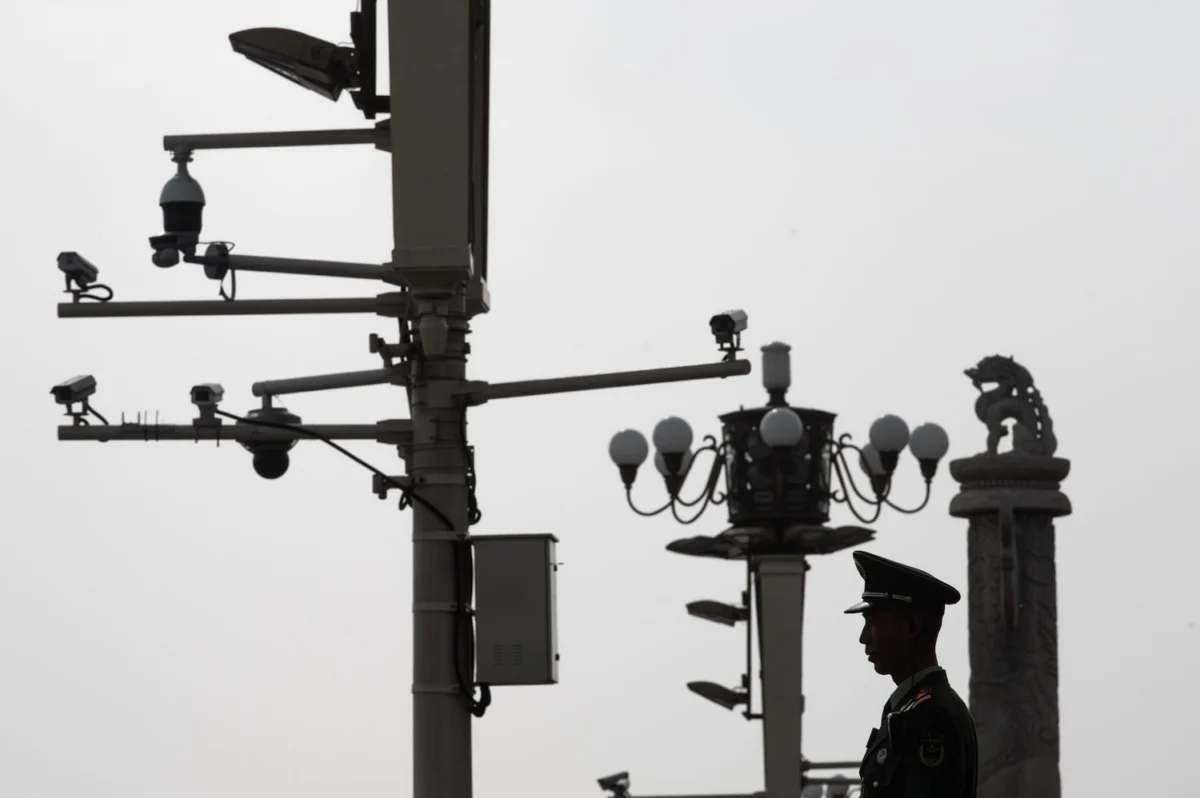
The contemporary Chinese surveillance state is no longer a collection of disparate cameras and databases; it is a unified, omnipresent system. From the widespread use of facial recognition in residential compounds to the near-impossibility of navigating urban centers without a digital ID, the "real-name" society is complete.
Unlike the early, sensationalized reports regarding "Social Credit" systems, the reality is more mundane and pervasive. Access to the internet, mobile telephony, and even basic accommodation is contingent upon rigorous identification protocols. In urban centers, security is no longer an occasional presence; it is a permanent feature of the landscape, with checkpoints and armed patrols embedded into the rhythm of daily life.
Yet, this system is not without its fissures. Despite the high-tech veneer, manual labor remains a critical component of state control. The paradox of the Chinese model lies in its reliance on a massive, low-paid, and often precarious workforce to maintain the systems of surveillance, a necessity that became glaringly apparent during the COVID-19 pandemic.
A Chronology of Control
The evolution of China’s surveillance apparatus can be traced through distinct eras of policy and public friction:
- 2003: The abolition of the "Custody and Repatriation" system, which forced migrant workers back to their home provinces, serves as a historical reminder of how public outrage can force a state retreat.
- 2009: Deadly ethnic violence in Xinjiang prompts a year-long total internet blackout, marking the beginning of an era of unprecedented, systematic repression in the region.
- 2010: The introduction of real-name registration for mobile phones begins the transition to a fully monitored digital existence.
- 2020–2022: The Zero-COVID policy acts as the ultimate stress test for the surveillance state, utilizing mass testing, contact tracing, and forced quarantine to monitor the movement of hundreds of millions.
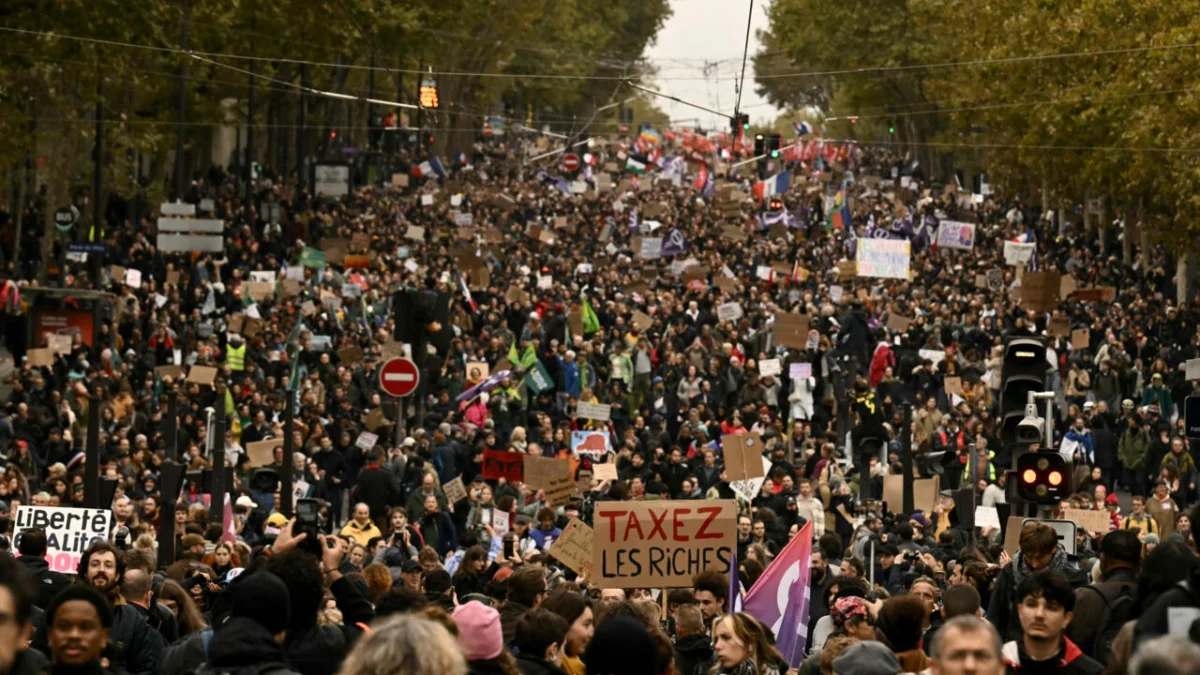
- 2022: Mass protests against COVID-19 restrictions force a dramatic, sudden pivot by Beijing, demonstrating that even the most advanced surveillance apparatus has a breaking point when faced with broad-based social unrest.
- 2026: Recent investigations reveal the purge of high-level officials, including Ma Xingrui, signaling that the architects of the surveillance state are not immune to the paranoia they helped create.
Supporting Data: The Economic and Human Cost
The surveillance state is a drain on the nation’s treasury. The financial burden of maintaining these systems, particularly at the local government level, has contributed to a mounting debt crisis.
Data from the recent "Golden Week" holiday highlights the growing economic malaise. Domestic spending hit a four-year low, and box office revenues plummeted 36 percent, signaling a deep-seated caution among the Chinese public. This decline in "animal spirits" is exacerbated by high youth unemployment and an overarching fear of the future.
Furthermore, the state’s reliance on the private sector to shoulder the costs of monitoring—such as requiring businesses to implement facial recognition or host local police stations—has created a climate of administrative friction. The "cost of doing business" now includes the cost of compliance with an ever-expanding security bureaucracy.
Official Responses and Internal Shifts
Beijing’s response to these challenges remains consistent: doubling down. When the surveillance state falters, the state seeks to fill the gap with more rigid enforcement. However, there are signs that the central government is cognizant of the "blunt instrument" nature of its security forces.
Recent developments in the prosecution of border crime families illustrate this. By allowing the details of a Myanmar border guard unit’s collaboration with Chinese crime syndicates to be aired in court, Beijing is sending a clear message to its regional allies—specifically the Myanmar junta—that it will not tolerate disorder on its periphery. This serves as both a warning and a display of power, even as internal purges suggest that the leadership is increasingly focused on rooting out perceived disloyalty within its own ranks.
Implications: The Risks of Autocratic Fragility
The most pressing question for China’s future is the durability of a system built on total control, particularly in the context of leadership uncertainty.
The Health of the Autocrat
Rumors regarding President Xi Jinping’s health have reached a fever pitch following reports of his exhaustion during his recent U.S. visit and his erratic performance during previous state trips. In a system that lacks a clear, transparent succession mechanism, the health of the leader is a matter of national security. Having purged potential successors, Xi has effectively removed the "safety valve" of political transition. Should a sudden vacancy occur, the resulting power vacuum could test the surveillance apparatus in ways the party is currently ill-equipped to handle.
The Myth of Infallibility
The F-35 parts mishap in Hong Kong serves as a potent metaphor for the state of the Chinese system. While pundits initially suspected a high-level intelligence coup, the reality was a simple, human error by a logistics worker. This incident underscores a broader truth: the Chinese surveillance state is as susceptible to mundane human failure as any other.
Long-term Stability
The systemic friction caused by over-policing creates a brittle environment. When every aspect of life is monitored, every small protest—whether over unpaid wages or the death of a citizen in custody—becomes a potential challenge to the state’s legitimacy.
As Beijing looks toward the future, it faces a fundamental trade-off. It can continue to prioritize total control, absorbing the enormous costs and risking the eventual "snap" that occurs when a rigid system encounters an immovable social force. Or, it can attempt to reform. However, given the current trajectory, the former appears significantly more likely. For the Chinese Communist Party, the surveillance state is not just a policy choice; it is the foundation upon which their survival is predicated.
The danger for Beijing is that in trying to see everything, they have become blinded to the growing, quiet dissatisfaction of a population burdened by the weight of their own monitors. As history has shown, from the collapse of the custody system to the end of Zero-COVID, the state is only as strong as its ability to convince the public that the cost of control is worth the price of the order it provides. With the economy stalling and the leadership looking inward, that equation is increasingly difficult to balance.