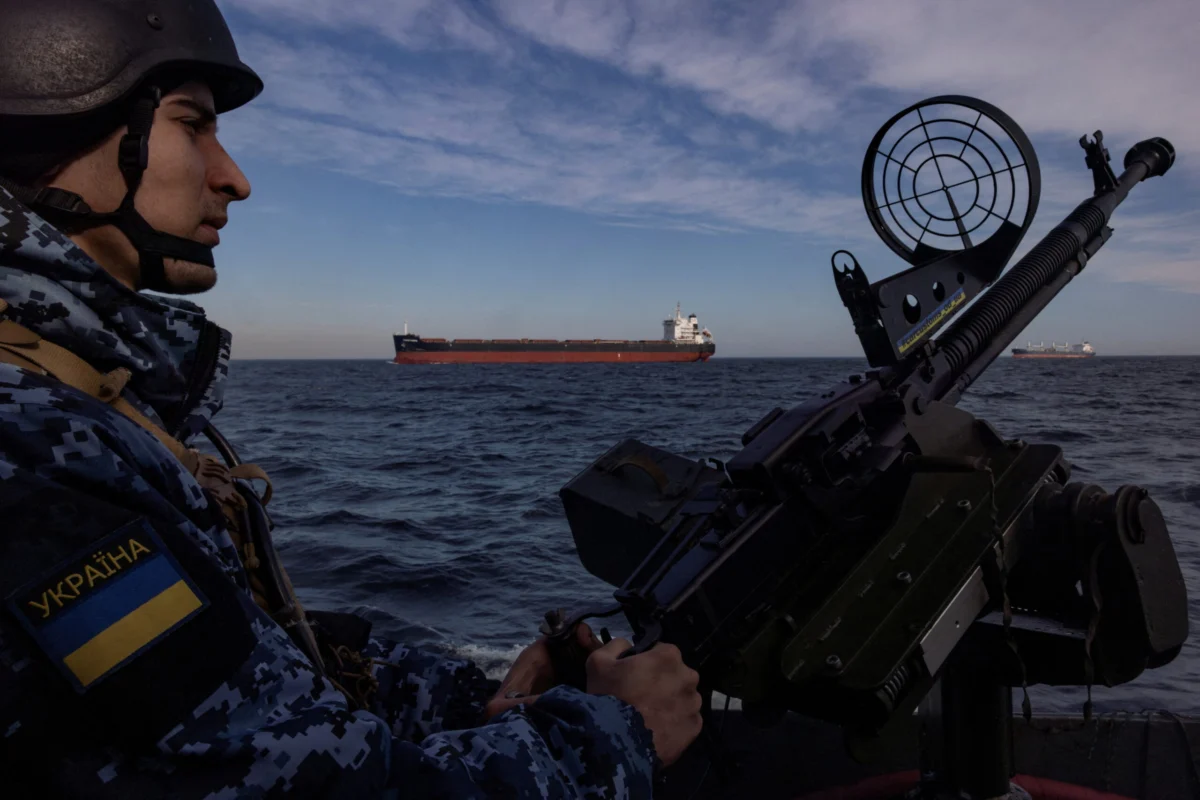
In an era defined by the return of great-power conflict and the unsettling tremors of geopolitical instability, the international community finds itself at a precarious crossroads. As wars in the Middle East and Ukraine dominate the headlines—and consequently, national budgets—there is a growing, dangerous temptation to categorize environmental stewardship as a "luxury" that can be deferred to calmer times.
However, this narrative of trade-offs is fundamentally flawed. Far from being a non-urgent peripheral concern, the protection of nature is the primary infrastructure upon which global economic stability, national security, and human survival rest. With the global economy already reeling from a volatile mix of conflict and climate-driven disruption, the failure to prioritize biodiversity is not merely an ecological oversight; it is a profound failure of economic governance.
The Economic Foundation: Why Nature is Not "Optional"
To understand the urgency, one must first dismantle the myth that the economy exists independently of the biosphere. According to recent assessments, more than 50% of global GDP is directly dependent on nature and the "ecosystem services" it provides.
When we speak of "nature," we are describing the invisible global supply chain that keeps the world running. The global food industry, a $9.5 trillion behemoth, is entirely reliant on the health of topsoil and the stability of pollination networks. Forests provide the livelihoods for 1.5 billion people, acting as both a carbon sink and a shield against the rapid degradation of arable land. Rivers and coastal ecosystems, meanwhile, serve as natural buffers against the increasingly violent flood events that threaten to displace millions and disrupt global logistics.
The World Bank has warned that a partial collapse of these vital ecosystems could cost the global economy as much as $2.7 trillion annually. In this context, treating nature as an "extra" in the national budget is akin to cutting the budget for bridge maintenance because a country is currently at war: eventually, the bridges collapse, and the war effort fails along with the economy.
A Chronology of Crisis: From Conflict to Climate Volatility
The current global landscape offers a stark lesson in how environmental fragility amplifies geopolitical trauma. The following timeline highlights the convergence of these systemic risks:
- 2022: The international community adopts the landmark Kunming-Montreal Global Biodiversity Framework, enshrining the "30×30" goal—a pledge to protect 30% of the world’s land and oceans by 2030.
- 2023-2024: Geopolitical tensions rise, leading to the hardening of defensive postures. Simultaneously, global food prices begin a steady climb, driven by supply chain disruptions in the Black Sea and the Strait of Hormuz.
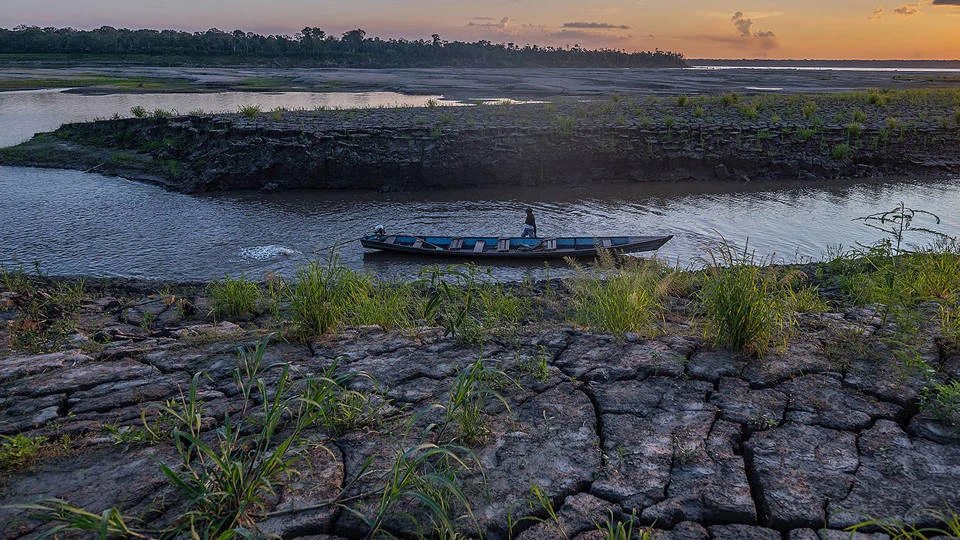
- Summer 2026: A sweltering drought strikes Europe, leading to $2-3 billion in crop losses. This follows a 71% surge in fertilizer prices, triggered by conflict-induced shipping bottlenecks.
- Late 2026: FAO reports indicate that global food prices have reached their highest levels since 2022, creating a "double-blow" scenario where countries are forced to spend more on both defense and disaster relief, effectively squeezing out long-term developmental investment.
The lesson is clear: nature-related crises do not adhere to diplomatic schedules. They occur in the background of conflict, quietly eroding the foundations of state power until the damage is too profound to ignore.
The 30×30 Initiative: Progress and Peril
The 30×30 goal is more than a conservation target; it is a strategy for planetary resilience. By securing one-third of the Earth’s surface, nations aim to create a firewall against the worst effects of climate change and biodiversity loss.
The Land-Use Success Story
As of late 2026, the progress on land conservation has been measurable, if incomplete. Current analysis by the Campaign for Nature suggests that 20% of global land and inland waters are now formally protected. If current, existing commitments are fully realized, that number could rise to 27% by 2030. While this falls slightly short of the 30% target, it represents a genuine shift in global policy awareness.
The Maritime Deficit
The situation at sea is far more alarming. With only 10% of the ocean currently under protection—and only 3.5% effectively managed—the "Ocean Protection Gap" is a glaring vulnerability. The latest Ocean Protection Gap Report (2026) suggests that in many areas labeled as "protected," destructive industrial activities continue unabated, rendering the legal status of these zones effectively meaningless. Without a massive pivot toward maritime enforcement and the establishment of true "no-take" zones, the engine of the global climate—the ocean—remains dangerously exposed.
Supporting Data: The Cost of Inaction vs. The Dividend of Investment
The argument against environmental spending is almost always fiscal. Policymakers argue that with defense budgets expanding, there is no capital left for "green" initiatives. However, the data suggests that failing to spend now is far more expensive.
- The Funding Gap: Achieving 30×30 requires between $100 billion and $180 billion in annual investment. Currently, the world spends only $24 billion annually.
- The Return on Investment: Economists estimate that meeting these targets could add up to $450 billion to the annual global GDP by 2050.
- The Employment Multiplier: Beyond stability, the conservation sector is a massive engine for job creation, with the potential to support 4 to 7 million new, sustainable jobs in sectors ranging from regenerative agriculture to coastal management.
This is not a cost—it is a hedge against future bankruptcy. When an ecosystem is restored, it provides "free" services: storm protection from mangroves, water filtration from wetlands, and carbon sequestration from peatlands. These services would cost trillions if we were forced to replicate them with concrete, steel, and chemical technology.
Official Responses: From Rhetoric to Reality
As world leaders prepare for upcoming UN summits on climate and biodiversity, the rhetoric is, as always, ambitious. As of May 2026, 116 countries had submitted national commitments to protect up to 27% of their land. However, the primary critique from NGOs and international observers is the lack of "implementation architecture."
Many of these commitments remain mere paper promises. Without mapped, costed, and legislated plans, a commitment is a hollow gesture. To turn the tide, governments must:
- Integrate Nature into Defense Planning: National security agencies should begin treating ecosystem degradation as a "threat multiplier," similar to how they track intelligence on hostile states.
- Ensure Effective Management: Designation is not the same as protection. Countries must move beyond the "paper park" model—where areas are protected in name only—and fund long-term management and monitoring.
- Create Enduring Financial Vehicles: Nature protection cannot be subject to the whims of four-year election cycles. We need independent, long-term funding mechanisms that ensure conservation budgets are as protected as military procurement budgets.
Implications: The Long-Term Strategic Outlook
The global outlook is admittedly uncertain. The wars in the Middle East and Ukraine have forced governments to prioritize the immediate survival of their borders. However, history is replete with examples of civilizations that fell not because of an external enemy, but because they exhausted the natural resources that sustained their armies and their people.
If we continue to put nature on the back burner, we are not just ignoring a "green" cause; we are ignoring the source of our own resilience. Whether it is the kelp beds that buffer our cities from storm surges or the healthy soils that prevent famine, the natural world is our most important ally in an age of uncertainty.
The decision to invest in 30×30 is a decision to invest in the longevity of the state itself. By pivoting toward a nature-positive economy, we do not distract from the goal of global security—we reinforce it. Protecting the planet is not just for the bees, the trees, and the ocean; it is the ultimate act of self-preservation in a fragile, interconnected world. The time for deliberation has passed; the time for implementation, through mapped and financed policy, is now.