In an era defined by rapid technological advancement and a heightened focus on personal well-being, the consumer landscape is undergoing a significant transformation. Today’s shoppers are no longer just looking for utility; they are seeking products that align with their values, enhance their health, and simplify their increasingly complex routines. Whether you are a business owner looking to stock high-demand inventory or a consumer aiming to optimize your quality of life, understanding these seven key product categories is essential. From the aesthetic appeal of customizable home decor to the functional brilliance of smart pet technology, these trends represent the current pulse of the global marketplace.
1. Customizable Wall Art: The New Frontier of Interior Expression
The home has evolved into a multifunctional sanctuary—a place of work, rest, and social connection. Consequently, the demand for personalized interior design has surged. Customizable wall art is currently at the forefront of this movement, serving as both a stylistic statement and a reflection of the homeowner’s identity.
The Data Behind the Trend
Market analysts have noted an explosive interest in curated home aesthetics. With over 20.5 million Instagram posts tagged #Wallart, it is clear that visual self-expression is a primary driver for modern consumers. This isn’t merely about filling empty space; it is about psychological comfort. As remote and hybrid work models remain permanent fixtures of professional life, individuals are investing in "office aesthetics" to create inspiring environments that boost productivity.

Why It Matters
Customization allows consumers to bypass mass-produced monotony. By choosing bespoke prints, canvas wraps, or personalized typography, individuals can create spaces that feel uniquely their own. For e-commerce platforms like Etsy and Amazon, these items represent high-velocity inventory. By focusing on affordable, high-quality pieces, retailers can capture a market that prioritizes both aesthetic value and budget consciousness.
2. Eco-Friendly Drinkware: A Conscious Hydration Habit
Sustainability has transitioned from a niche preference to a non-negotiable standard for a significant segment of the global population. Eco-friendly drinkware—crafted from bamboo, recycled stainless steel, or borosilicate glass—is leading this charge.
Health and Environmental Implications
Beyond the environmental imperative, the shift toward sustainable drinkware is rooted in health awareness. Conventional plastics are frequently scrutinized for the presence of BPA and other synthetic chemicals that may leach into beverages. By adopting non-toxic, reusable alternatives, consumers are actively reducing their exposure to endocrine disruptors.

The Long-Term Benefit
The transition to reusable bottles is a rare example of a trend that is both environmentally responsible and economically savvy. By eliminating the reliance on single-use plastic bottles, consumers reduce their ecological footprint while saving money in the long term. As brands increasingly highlight their commitment to ethical sourcing and manufacturing, consumers are rewarding them with increased loyalty, proving that "conscious consumption" is a powerful market force.
3. The Rise of Oversized Apparel: Comfort as a Cultural Norm
The sartorial shift toward oversized clothing is more than a fleeting fashion trend; it is a fundamental restructuring of how we define professional and casual dress codes.
Why the "Relaxed Fit" Wins
The appeal of oversized hoodies, t-shirts, and loungewear lies in its inherent versatility. In a world where the boundaries between home and office have blurred, clothing that provides maximum comfort without sacrificing a polished, streetwear-inspired look is essential.

Inclusivity and Market Reach
Crucially, oversized apparel is inherently more inclusive. By offering silhouettes that cater to a wide range of body types, brands are successfully moving away from the restrictive sizing standards of the past. This inclusivity has made oversized clothing a top-performing category in the U.S. retail sector, as it speaks to a generation that prioritizes body positivity and individual comfort above rigid, traditional aesthetics.
4. Yoga Apparel: The Uniform of the Wellness Journey
The global fitness market has seen a consistent uptick in demand for activewear that serves a dual purpose: high-performance functionality and everyday comfort.
Performance and Sustainability
Modern yoga apparel is engineered with moisture-wicking, antimicrobial, and flexible fabrics that support physical activity. However, the modern consumer also demands sustainability. Many leading brands are now utilizing recycled polyester and organic cotton, ensuring that the gear used to support personal wellness does not come at the cost of environmental health.

The Psychological Impact
Dressing for a workout is the first step in maintaining a wellness routine. High-quality leggings, supportive sports bras, and breathable tops act as physical prompts for physical activity. As fitness continues to be viewed as a vital pillar of health, investing in apparel that inspires confidence and mobility is becoming a standard practice for individuals at every fitness level.
5. Personalized Jewelry: The Art of Sentimental Gifting
In a world of mass production, the value of a gift is often measured by its level of personalization. Jewelry remains a perennial favorite, but the current trend focuses on customization that tells a personal story.
Why Sentimental Value Prevails
Whether it is an engraved initial, a significant date, or a piece featuring a specific birthstone, personalized jewelry transforms an accessory into a keepsake. These items are frequently purchased for life milestones—anniversaries, births, or personal achievements—making them immune to the volatility of seasonal fashion trends.

Responsible Luxury
The jewelry industry is also seeing a shift toward "responsible luxury." Many boutique jewelers are now using recycled gold, ethically sourced gemstones, and sustainable packaging. This evolution ensures that the emotional satisfaction of giving a beautiful gift is matched by the peace of mind that comes from knowing the product was ethically produced.
6. Pet Tech: Enhancing the Lives of Animal Companions
The "pet parent" demographic is perhaps one of the most dedicated and fast-growing segments in the retail market. The intersection of technology and pet care has resulted in a surge of innovative products designed to ensure the safety and health of our companions.
Key Innovations
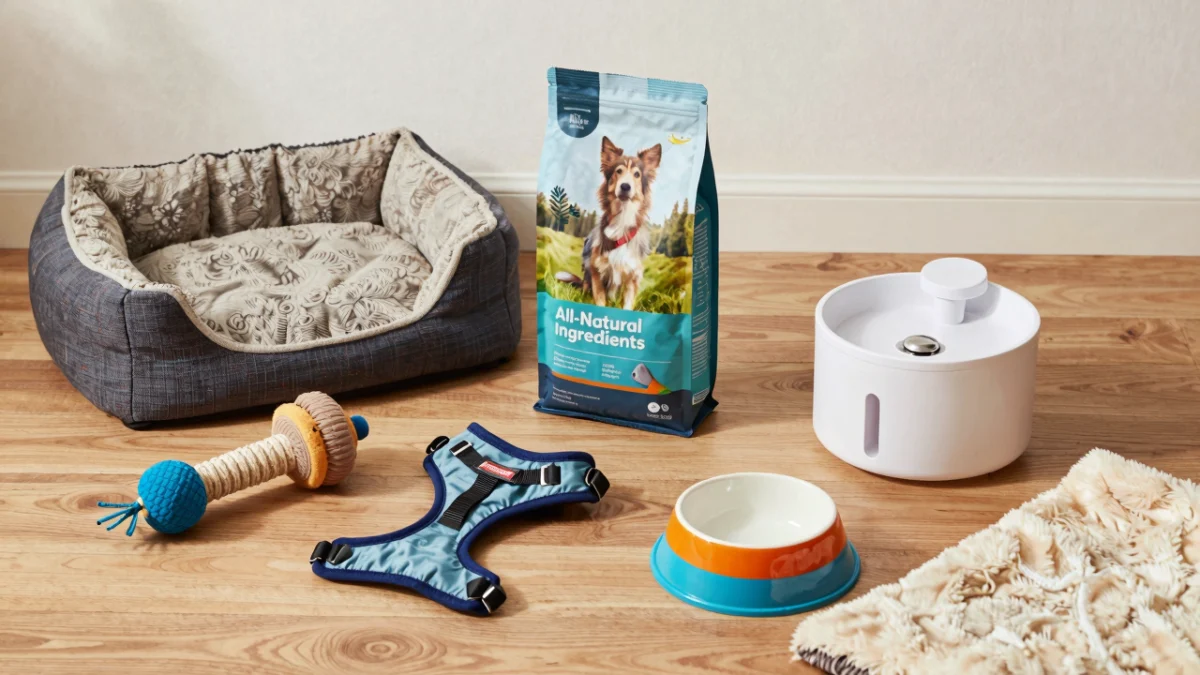
From smart, automatic feeders that portion out meals while owners are away to high-tech water fountains that encourage hydration, pet tech is simplifying the daily routines of millions. Perhaps the most significant development is the integration of GPS tracking, such as AirTag collars, which provide owners with unparalleled peace of mind regarding the safety of their pets.

The Human-Pet Connection
These gadgets are not merely luxury items; they are tools that help bridge the communication gap between human and animal. By monitoring health metrics and ensuring consistent feeding schedules, pet tech allows owners to extend the quality and length of their pets’ lives, making these devices essential investments for the modern household.
7. Smart Home Gadgets: The Architecture of Convenience
The final pillar of modern lifestyle enhancement is the integration of smart technology into the home. These devices are designed to remove friction from daily tasks, allowing users to focus on what truly matters.
Practical Applications
- Smart Hydration: Tech-enabled water bottles that track intake help users meet their health goals with data-driven reminders.
- Ergonomic Productivity: As remote work continues, tools like ergonomic mice and mechanical keyboards have become standard office requirements, preventing repetitive strain injuries during long hours of computer use.
- Efficiency: Smart home devices—such as lighting controls and energy-efficient thermostats—not only simplify daily routines but also reduce energy consumption, aligning with the broader trend of sustainable living.
Chronology of the Modern Consumer Shift
- 2023-2024: The initial surge in remote work creates a massive demand for home office upgrades and comfort-first apparel.
- 2025: Sustainability becomes a primary filter for purchasing decisions, driving the growth of eco-friendly drinkware and ethical jewelry.
- 2026 (Current): The market sees a stabilization of these trends, with consumers now seeking "smart" integration (pet tech, hydration tracking) to maintain the lifestyle improvements established in previous years.
Supporting Data and Market Implications
Recent retail analysis indicates that consumers are increasingly moving away from "fast fashion" and low-quality disposables. Instead, there is a clear preference for:

- Durability: Investing in items that last.
- Multifunctionality: Products that serve more than one purpose (e.g., loungewear that works for both yoga and office meetings).
- Ethical Transparency: A preference for brands that provide clear information about their supply chain.
Official Industry Perspectives
Market leaders in retail and e-commerce consistently highlight that the "personalization" aspect is the single biggest driver of customer retention. As one analyst noted, "When a customer can imprint their personality onto a product—whether it’s wall art or a piece of jewelry—the product ceases to be a commodity and becomes a part of their narrative."
Conclusion: Crafting Your Future
The seven trends outlined—customizable wall art, eco-friendly drinkware, oversized apparel, yoga gear, personalized jewelry, pet tech, and smart gadgets—are not merely disparate items; they are the components of a cohesive, modern lifestyle. By prioritizing health, sustainability, comfort, and technological convenience, you can significantly enhance your daily experience. As the market continues to evolve, the most successful consumers and business owners will be those who remain adaptable, informed, and committed to products that offer genuine value. Whether you are looking to upgrade your living space or streamline your daily routine, these trends offer a clear roadmap for living better in 2026 and beyond.