In the digital marketing landscape, the difference between a high-performing email campaign and one destined for the "Promotions" tab often comes down to a fundamental misunderstanding of the human mind. While many marketers obsess over pixel-perfect design, A/B testing button colors, or crafting the ultimate subject line, they frequently overlook the core engine of commerce: human emotion.
Every exceptional email campaign shares a singular, potent commonality—it makes the recipient feel something. It moves beyond the transactional and taps into the subconscious, leveraging subtle psychological triggers that facilitate the transition from a passive scroll to an active "Buy Now" click. Behind every open rate and conversion metric lies a human brain engaged in a series of micro-decisions: Do I trust this brand? Am I missing out on something vital? Is this offer truly tailored for me?
Understanding these instincts is the defining characteristic that separates average, forgettable email marketing from campaigns that drive sustained, scalable revenue. This article explores the four psychological pillars that transform promotional blasts into compelling opportunities.
The Core Thesis: Decisions are Emotional, Not Logical
Before diving into the mechanics of high-performing emails, it is vital to acknowledge a foundational psychological truth: human beings do not make decisions based on cold, hard logic. We make decisions based on emotion, and we use logic to justify those choices after the fact.
When a customer opens your email, they are not conducting a forensic analysis of your layout or weighing the pros and cons of your call-to-action (CTA) button’s placement. Instead, they are responding to invisible, evolutionary forces. By intentionally incorporating psychological levers—Urgency, Scarcity, Social Proof, and Personalization—marketers can guide consumer behavior more effectively than by relying on product specs alone.
The Four Pillars of Psychological Conversion
1. Urgency: The Catalyst for Action
Urgency functions as a powerful disruptor to the "I’ll look at this later" mentality. In a world of infinite digital distractions, procrastination is the primary enemy of the marketer. When a customer feels that a decision must be made in the present moment, their internal friction dissipates.
The Mechanics of Timing:
Urgency works because it creates a "forced choice" scenario. The longer a prospect waits to decide, the more room they have for doubt, distraction, and rationalization to kill the sale. By introducing a deadline—whether it is a flash sale, a seasonal drop, or a closing window for a bonus—you lend weight to the present moment.
The Authenticity Requirement:
The efficacy of urgency is strictly tied to its credibility. If a brand runs a "48-hour flash sale" every single day, the psychological impact evaporates; the consumer becomes "urgency-blind." To maintain trust, urgency must be rooted in reality. Whether it is a genuine stock clearance or a limited-time product launch, the deadline must be defendable.
2. Scarcity: The Value Multiplier
While urgency is about time, scarcity is about value. When an item is perceived as limited, exclusive, or difficult to obtain, the human brain automatically assigns it a higher premium. This is the "Goldilocks effect" of retail: the harder it is to attain, the more we want it.
Why Less is More:
Scarcity signals to the consumer that the product is in high demand. It transforms a standard commodity into a "coveted item." In email marketing, this is best communicated through inventory counts (e.g., "Only 5 units remaining") or restricted access (e.g., "Available only to our inner circle"). This creates a sense of belonging and exclusivity that makes the purchase feel like an achievement rather than a chore.
3. Social Proof: The Trust Accelerator
If urgency and scarcity provide the "push," social proof provides the "safety." It is the psychological signal that reassures a potential buyer that they are not the first to take the risk.
The Power of Validation:
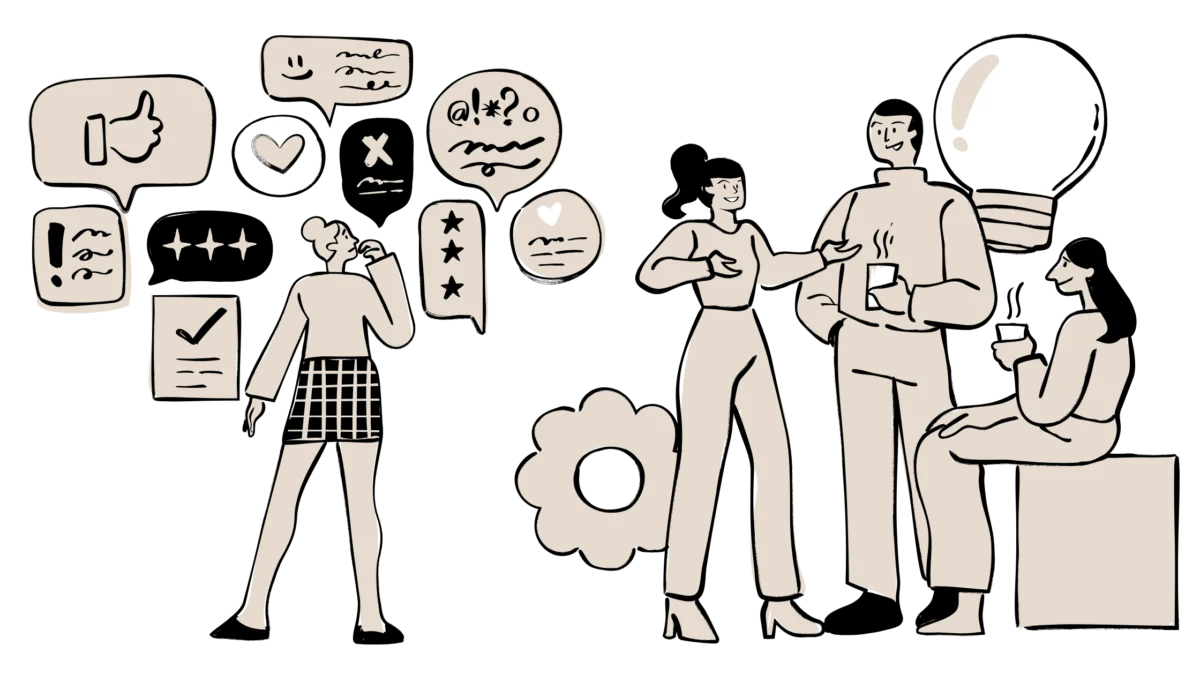
In an era of skepticism, customers trust their peers far more than they trust corporate branding. Social proof acts as an external validation of your claims. When integrated into an email, this should not look like a corporate sales pitch; it should look like community storytelling.
- User-Generated Content (UGC): A customer photo is often more persuasive than a high-production studio shot.
- Testimonial Integration: A single sentence of authentic praise from a verified buyer can outperform a paragraph of sales copy.
- Data as Proof: Phrases like "Joined by 10,000+ satisfied customers" utilize the bandwagon effect, leveraging the human desire to follow the crowd toward safety.
4. Personalization: The Pattern Interrupter
Most inboxes are flooded with generic, one-size-fits-all broadcasts. Personalization is the ultimate pattern interrupter. It addresses the unspoken question: “Why are you showing me this right now?”
True personalization goes beyond simply inserting a FirstName tag in the subject line. It requires using behavioral data to ensure the content is relevant to the user’s history, interests, and current stage in the customer journey. If you can demonstrate that you understand a customer’s specific needs, you move from being a "sender" to being a "trusted advisor."
Case Study: Applying the Framework
To visualize how these triggers function in harmony, consider the following hypothetical email from a performance-gear brand:
Subject: Your next match just got faster (limited sizes left)
- Personalization: "Hi FirstName, you’ve been checking out our performance padel shoes lately…" (Acknowledging intent).
- Social Proof: "Early customers are calling them a game-changer: ‘The stability is unreal.’" (Providing external validation).
- Scarcity: "We’re already running low on the most popular sizes." (Limiting availability).
- Urgency: "Early access for the next 24 hours only." (Creating a clear time-bound deadline).
By layering these triggers, the brand creates a cohesive narrative that guides the user from awareness to action, making the offer feel like a personalized, time-sensitive opportunity rather than a generic promotional blast.
Implications for Modern Founders
For business owners and marketing teams, the shift toward "psychology-first" marketing has significant operational implications. It requires a pivot from batch-and-blast strategies to automated, behavioral-driven workflows.
The Role of Automation
Implementing these triggers at scale is impossible without the right infrastructure. Modern platforms, such as Omnisend, provide the technical backbone for these psychological tactics. By utilizing behavior-based automations, brands can trigger emails based on specific actions—such as abandoned carts or browsing history—ensuring that the scarcity or urgency signals are delivered at the precise moment they will have the highest impact.
Maintaining Brand Integrity
The danger in using psychological levers is the risk of "marketing fatigue." If every email screams "Last Chance!" or "Only 2 left!", the brand eventually loses its authority. The goal is to use these tools with intention.
- Map the Journey: Use triggers that match the customer’s intent. Don’t use heavy scarcity on a top-of-funnel lead who is just learning about your brand.
- Test and Learn: Use A/B testing to see which triggers resonate most with your specific demographic.
- Prioritize Trust: Never use fake scarcity. If you say an offer ends at midnight, ensure it does. Trust is the most expensive commodity in e-commerce; do not trade it for a quick, dishonest conversion.
Conclusion: From Promotions to Moments
The emails that convert best are not the ones with the loudest subject lines or the deepest discounts; they are the ones that respect the customer’s decision-making process. By blending urgency, scarcity, social proof, and personalization with genuine intent, your marketing moves from the "Promotions" pile to a curated "Moment."
When a customer feels understood, sees that others have benefited, and realizes that the opportunity is both limited and timely, the friction of the buying decision vanishes. You are no longer selling to them—you are helping them complete a journey they already want to finish.
As you refine your strategy, remember that the goal is not to trick the brain into buying, but to align your communication with the way humans already think, trust, and act. By mastering these four pillars, you build a sustainable, high-converting email engine that grows alongside your business.