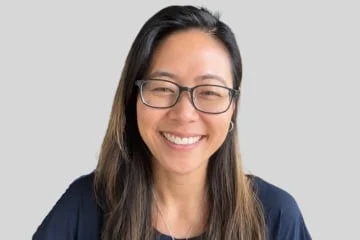
In the rapidly evolving landscape of personalized medicine, few startups have managed to bridge the gap between clinical-grade diagnostics and consumer convenience as effectively as Tiny Health. Founded in 2020 by serial entrepreneur Cheryl Sew Hoy, the Austin-based company is transforming the way individuals interact with their internal biology. By simplifying the collection of stool samples and utilizing advanced metagenomic sequencing, Tiny Health has positioned itself at the forefront of the burgeoning gut-wellness industry.
As Sew Hoy bluntly puts it, the company’s business model revolves around "poop"—or, more scientifically, the trillions of microorganisms that constitute the human microbiome. By making the analysis of these microbes accessible from the comfort of home, Tiny Health is moving gut health out of the specialist’s office and into the daily wellness routines of everyday consumers and elite athletes alike.
The Science of the Gut: Why Microbes Matter
To understand the significance of Tiny Health’s mission, one must first recognize the critical role the gut plays in systemic health. The human digestive tract is home to roughly 38 trillion microbes. This complex ecosystem—the microbiome—does far more than aid in digestion.
"Eighty percent of the human immune system lives in the gut," Sew Hoy explains. "It is crucial for overall well-being and is deeply tied to chronic conditions if you don’t take care of it."
The microorganisms in our intestines—a collection of bacteria, parasites, viruses, archaea, and fungi—act as a biological engine. They digest nutrients, synthesize essential vitamins, and produce the metabolites and enzymes necessary for metabolic function. When this ecosystem falls out of balance, the consequences can manifest in everything from chronic fatigue and skin issues to immune system dysfunction.
Tiny Health leverages a sophisticated technology known as "shotgun metagenomic sequencing." Unlike traditional culture-based tests that only look for specific pathogens, this approach sequences the DNA of the entire microbial community. This allows for a comprehensive, high-resolution snapshot of the gut environment, providing users with actionable insights rather than just a binary "sick or healthy" diagnosis.
Chronology: From Concept to $33 Million Series B
The journey of Tiny Health is a study in calculated growth and scientific rigor.
2020: The Incubation Phase
The company was born during a pivotal moment in Sew Hoy’s life. With a week-old son at home and a keen interest in the potential of microbiome research, she spent the first two years of the company’s life operating in "stealth mode." During this time, she invested $50,000 of her own capital to build a foundation. Rather than rushing to market, she spent this period immersed in PhD-level coursework and recruiting a formidable advisory board featuring experts from the Mayo Clinic and Johns Hopkins University.
2021: Validation and Seed Funding
To prove the viability of her platform, Sew Hoy utilized her initial investment to fund a study with nine participants. The success of this pilot provided the data needed to secure a $4.5 million seed funding round in 2021. This infusion of capital allowed for the hiring of the company’s first full-time engineer and lead scientist, marking the transition from a founder-led project to a professionalized biotech startup.
2022: Public Launch
Following two years of intense research and platform development, Tiny Health officially launched to the public. The user experience was designed to remove the "ick factor" and logistical friction of clinical testing. By replacing traditional, cumbersome stool collection methods with a simple, Q-tip-style swab kit and a prepaid mailer, the company succeeded in making high-end diagnostics accessible to the layperson.
2024: Scaling and Series B
The company’s growth trajectory has been aggressive. Recently, Tiny Health successfully closed a $33 million Series B funding round. This latest influx of capital signals strong investor confidence in the company’s ability to scale its operations, expand its research capabilities, and solidify its position in the competitive health-tech market.
For Sew Hoy, this is not her first foray into successful entrepreneurship. Her track record includes building and scaling a digital wallet and daily deals company in 2010, which she eventually sold to Walmart Labs in 2013.
Operational Mechanics: Making Diagnostics Simple
A significant barrier to the widespread adoption of gut testing has historically been the complexity of the process. Traditional medical tests often require in-person visits and uncomfortable, messy collection methods. Tiny Health’s primary innovation lies in its "at-home kit."
- The Kit: Upon ordering, customers receive a streamlined package containing a specialized swab.
- Collection: The user collects a minute sample, which is then placed into a stable, tube-like container.
- Analysis: The sample is mailed via a prepaid USPS box to the lab.
- Reporting: Once the metagenomic sequencing is complete, the customer receives a comprehensive report detailing the composition of their microbiome and actionable steps for improvement.
For those requiring more specialized insights, the company also offers a "clinical-grade" test. This version involves a more rigorous collection process and accelerated two-day shipping, and is designed for use by licensed medical practitioners to assist in clinical decision-making.
Customer Acquisition and Market Positioning
Tiny Health’s success is built on a dual-pronged strategy that targets both the direct-to-consumer (DTC) market and the professional healthcare sector.
Digital Advertising and Content
Approximately 50% of the company’s new customers are acquired through targeted digital advertising, primarily Meta Ads and Google Search. However, the company is also diversifying into emerging platforms like TikTok and Pinterest to reach younger, health-conscious demographics.
The other half of their acquisition strategy is organic, rooted in high-quality content marketing. Recognizing the shift in how users find information, Tiny Health is actively pivoting its strategy to accommodate the rise of Large Language Models (LLMs) and Generative AI, moving away from traditional, keyword-stuffed SEO toward "GenAI visibility." This involves creating authoritative, high-value content that answers the specific, nuanced questions potential customers are asking AI assistants.
The B2B Component
Beyond the individual consumer, Tiny Health works directly with healthcare practitioners. By providing doctors with granular, actionable data, the company empowers clinicians to treat the "root cause" of symptoms—such as inflammation or digestive distress—rather than simply managing the symptoms themselves. This B2B arm acts as a powerful validator for the brand, as professional endorsements carry significant weight in the medical community.
Implications: The Future of Proactive Wellness
The rise of Tiny Health reflects a broader cultural shift toward "proactive" rather than "reactive" healthcare. As Sew Hoy points out, many people wait until they are symptomatic—suffering from chronic constipation, diarrhea, or systemic inflammation—to see a doctor. While these conditions certainly require professional medical intervention, Tiny Health is carving out a niche for those who want to optimize their health before a crisis occurs.
Supporting Elite Performance
The utility of the test extends beyond treating illness; it is increasingly used for performance optimization. Professional athletes, who often face extreme physical stress, travel-induced diet changes, and rigorous recovery schedules, use Tiny Health to monitor how their internal ecosystem responds to the demands of their sport. By adjusting their diet based on microbiome data, these athletes can theoretically improve recovery times and immune resilience.
The Broader Health Landscape
The implications of this technology are profound. If the average person can gain a baseline understanding of their microbiome, they can make informed decisions about their diet, supplement intake, and lifestyle choices. By democratizing access to this data, Tiny Health is essentially empowering the public to take ownership of their biological "data."
"The bacteria in our guts digest our food and nutrients, and produce metabolites and enzymes that support overall health," Sew Hoy notes. By making this information visible, Tiny Health is turning the "black box" of digestion into a transparent, manageable metric of personal health.
As the company continues to scale following its Series B funding, the challenge will be maintaining the high standard of scientific rigor that earned it the trust of the medical community. If Tiny Health continues its current path, it may well set the standard for how the future of personal diagnostics is conducted: privately, conveniently, and with scientific precision.
For those interested in learning more about their internal ecosystem, Tiny Health’s services remain available through their official website, with company updates and industry insights frequently shared via Sew Hoy’s LinkedIn profile.