In the rapidly evolving landscape of digital retail, the distance between a shopper’s initial search and the final “buy” button is shrinking. For years, e-commerce was defined by static search bars and curated storefronts. Today, we are entering the era of "Agentic Commerce," where AI assistants do more than just suggest products—they act as personal shoppers capable of navigating, comparing, and purchasing on behalf of the consumer.
However, discovery is merely the opening act. The true challenge for merchants lies in ensuring that these AI agents can seamlessly convert intent into a completed transaction. If an AI assistant identifies the perfect product but fails to verify stock, confirm shipping, or execute a secure checkout, the sale is lost before it ever truly begins.
The Paradigm Shift: Why AI Protocols Matter
The industry is currently coalescing around a set of emerging standards designed to bridge the gap between AI-driven discovery and final conversion. For the average merchant, these are not technical hurdles to clear but rather new sales channels to embrace.
Much like accepting Visa or Mastercard, supporting AI protocols is a matter of accessibility. Each protocol—whether it is the Agentic Commerce Protocol (ACP) or the Universal Commerce Protocol (UCP)—connects your store to a different ecosystem of AI shoppers. Supporting these standards ensures your products remain visible and purchasable in the places where modern consumers spend their time: within the interfaces of ChatGPT, Gemini, Copilot, and emerging AI search tools.
Chronology of an Emerging Ecosystem
The development of agentic commerce has moved at a breakneck pace over the last 18 months, driven by major tech players and the open-source community.
- Mid-2025: WooCommerce introduces foundational support for the Model Context Protocol (MCP) in version 10.3, allowing AI to interact with store data at a deeper level.
- Late 2025: The introduction of the Stripe Agentic Commerce Suite marks a turning point, offering a standardized way for agents to handle checkout securely.
- Early 2026: The industry begins to pivot from experimental "discovery-only" AI to "action-oriented" agents that can manage entire orders.
- Present Day: Merchants are now transitioning from passive observation to active implementation, ensuring their product feeds and inventory management systems are optimized for AI consumption.
The Technical Backbone: Understanding the Protocols
To demystify this transition, it is essential to distinguish between the “under-the-hood” mechanics and the “shopper-facing” interfaces.
1. Behind-the-Scenes Protocols
These protocols enable AI to communicate with your existing store architecture:
- Model Context Protocol (MCP): Acts as the bridge between your live store data and AI assistants. It allows the AI to query product lists, check real-time stock levels, and manage basic order flows.
- Abilities API: A foundational WordPress feature that functions as a "menu of capabilities." It informs an AI agent exactly what a site is capable of—such as searching, filtering by attribute, or initiating an order—allowing the agent to tailor its interactions based on what your store can actually support.
2. Shopper-Facing Channels
These protocols represent the direct path to the consumer:
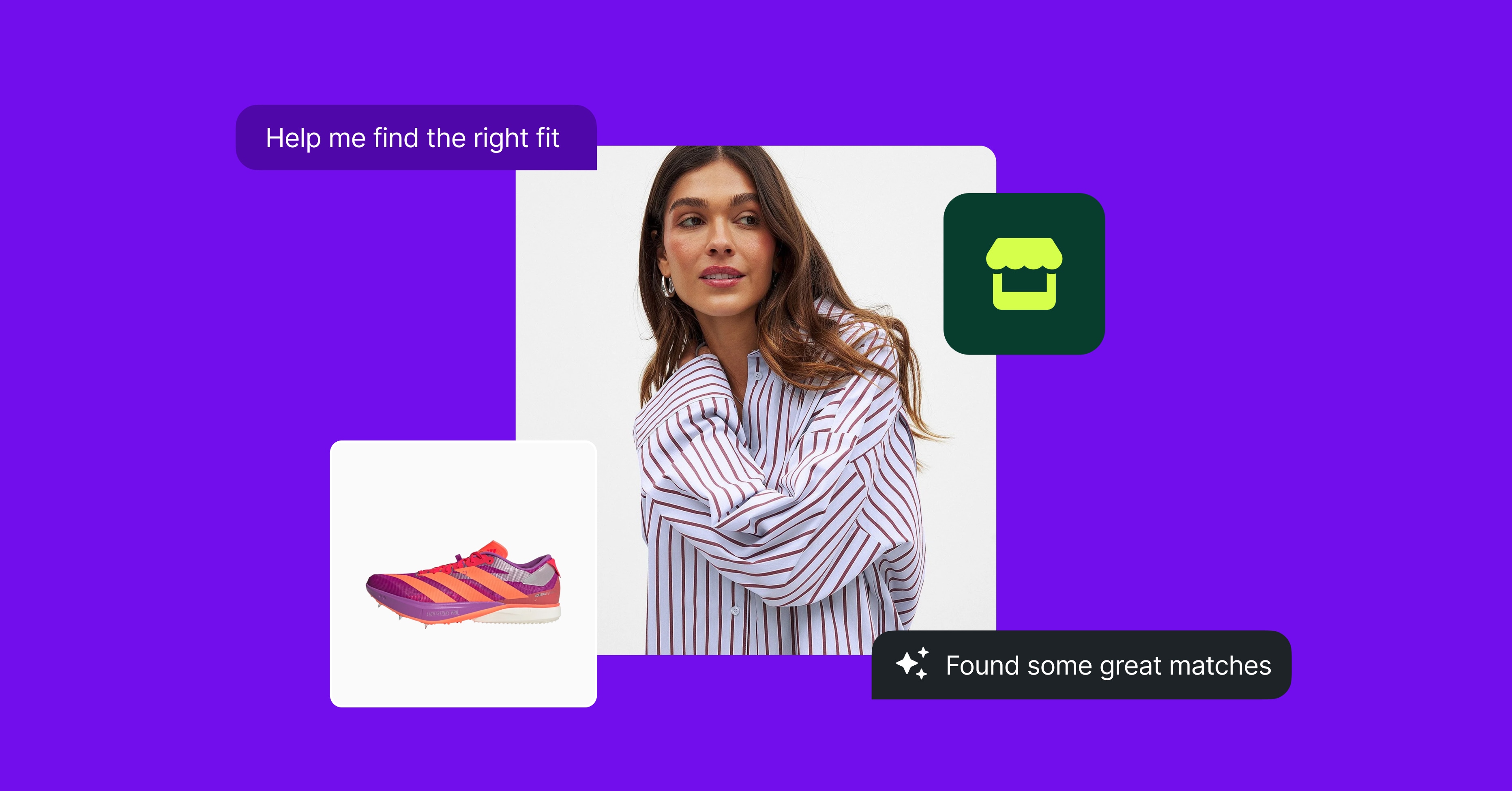
- Agentic Commerce Protocol (ACP): Backed by OpenAI and Stripe, this standard allows AI agents to add items to a cart and close the deal within the assistant interface. Critically, while the checkout happens within the AI, the customer data, order fulfillment, and catalog management remain firmly in the merchant’s control.
- Universal Commerce Protocol (UCP): An open standard, currently championed by Google, that leverages structured data from your Google Merchant Center feed. This allows your products to appear across Google’s suite of AI products, including Gemini and AI-enhanced Search.
The Five-Step Path to Agentic Readiness
For merchants, the barrier to entry is lower than it appears. It does not require a master’s degree in computer science; it requires a commitment to data hygiene and modern integration.
I. Real-Time Inventory Synchronicity
AI agents rely on accuracy to build trust. If an agent suggests an item that is out of stock, the consumer’s trust in that AI—and your brand—evaporates. Your inventory must report in real time from a single, reliable source of truth.
II. Granular Product Data
Shipping and return details should not be hidden on a separate “Policy” page. They should be embedded directly into your product data. When an agent asks, "Can this be delivered by Friday?" it needs to access that data instantly to make a binding promise.
III. Strategic Payment Implementation
Integrating the Stripe Agentic Commerce Suite is currently the most efficient way to enable native checkout across multiple AI assistants. By implementing this through the Stripe for WooCommerce extension, merchants gain the ability to close sales within the AI environment while retaining ownership of the customer relationship.
IV. Google Merchant Center Optimization
The "Google for WooCommerce" extension is essential for UCP readiness. By maintaining a clean, comprehensive product feed, you ensure that as Google’s AI tools evolve, your products are already positioned to be surfaced in search and generative AI results.
V. Quarterly AI Audits
The AI landscape is not "set it and forget it." Merchants should conduct a quarterly audit, manually searching for their products within ChatGPT, Gemini, and Perplexity. By reviewing how your products are represented, you can identify where data is missing or misaligned and adjust your store’s metadata accordingly.
Implications: The Advantage of Open Platforms
A significant point of divergence in the industry is the choice between "closed" versus "open" platforms.
On a closed, proprietary e-commerce platform, merchants are at the mercy of the vendor’s roadmap. If the platform provider decides not to support a specific AI protocol or delays their integration, the merchant is effectively locked out of that sales channel.

Conversely, WooCommerce’s open-source architecture allows for agility. Because the underlying code is accessible, the platform can adopt new, emerging protocols as soon as they become industry standards. This means that instead of waiting for a corporate roadmap to catch up, a WooCommerce merchant can integrate new AI channels on their own terms, maintaining a competitive edge in an increasingly automated market.
The Future of the Customer Experience
Consider the case of a specialized outdoor gear retailer. In a legacy store, a customer spends hours clicking through categories, checking shipping policies, and comparing specs.
In an agentic future, that same customer asks an AI: "Find me a three-season backpacking setup that ships by Friday and stays under $800." The agent, powered by the store’s real-time API, checks the inventory, verifies the shipping timeline, and compiles a cart. The transaction is seamless, accurate, and, most importantly, completed in seconds.
The store that wins in this environment is not necessarily the one with the biggest budget, but the one with the most transparent, accurate, and accessible data. By aligning your store with these emerging protocols today, you are not just preparing for the future—you are defining it.
Conclusion: Staying Ahead
As the Agentic Commerce Hub continues to evolve, the distinction between "discovery" and "buying" will continue to blur. The goal of every merchant should be to become an "agent-friendly" business.
By keeping your product feeds clean, maintaining real-time inventory, and embracing open-source standards, you ensure that when an AI agent goes looking for the perfect product, your store is the one it finds—and more importantly, the one it buys from. The technology is here; the only remaining step is to ensure your business is ready to meet it.