The high streets of our towns and cities are undergoing a subtle, yet profound, aesthetic shift. In the windows of local cafes, on the flyers for community theater productions, and across the digital banners of neighborhood events, a new visual language has emerged. It is polished, technically proficient, and unsettlingly generic. To the untrained eye, it appears to be high-quality graphic design; to the professional illustrator, it is "AI slop"—a symptom of a deeper, more systemic crisis in the creative economy.
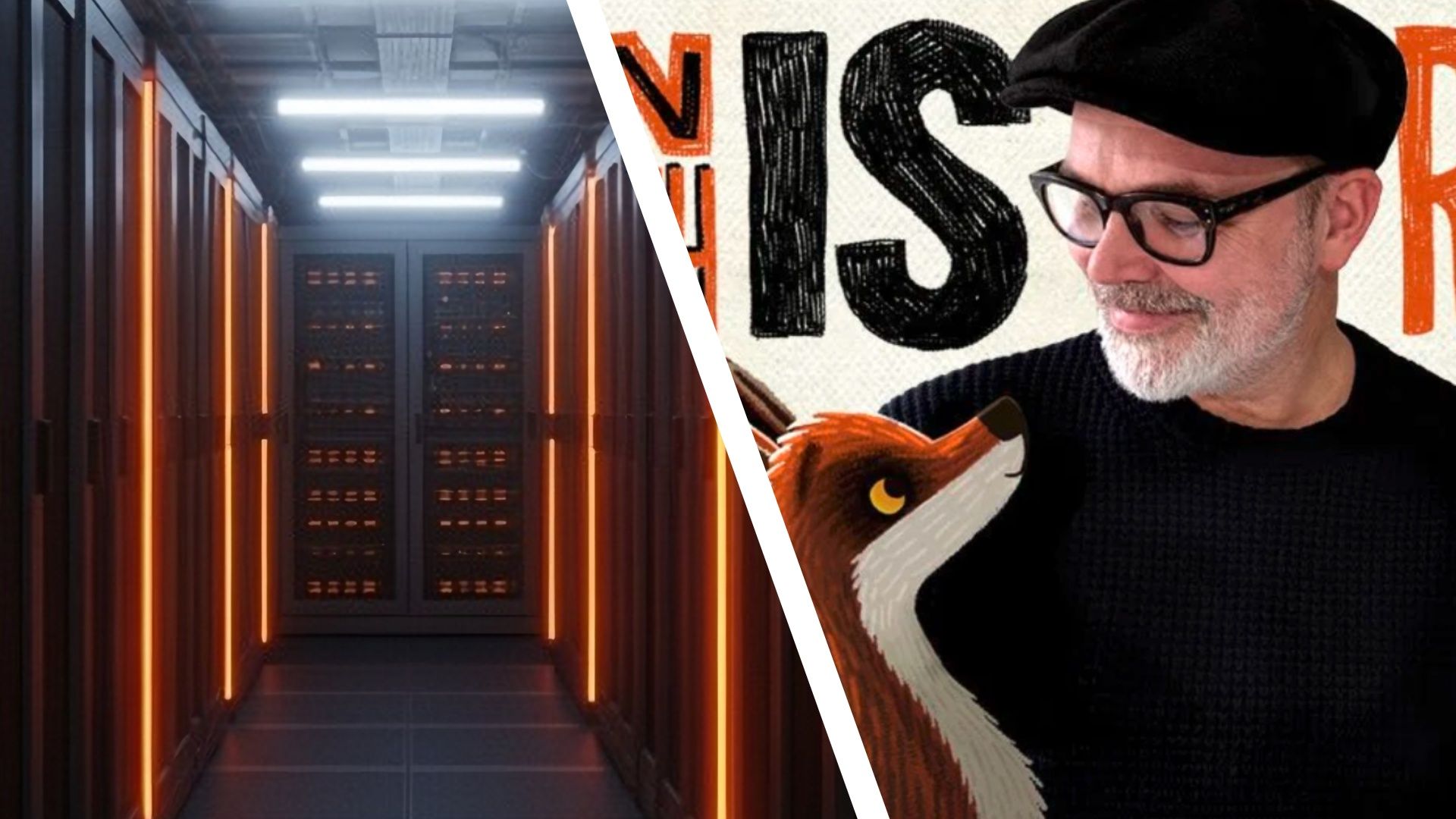
Rob Biddulph, the celebrated children’s book author and 2025 British Book Awards Illustrator of the Year, has become one of the most vocal critics of this trend. Rising to prominence during the COVID-19 pandemic through his #DrawWithRob YouTube series, Biddulph helped millions of families find solace in the messy, tactile process of creation. Today, he is fighting a different kind of pandemic: the proliferation of generative AI, which he argues is stripping the "soul" out of creative expression.
The Philosophical Erosion of Creativity
At the heart of Biddulph’s critique is a fundamental belief in the nature of art. "There’s a sort of soullessness to them, and I find it sad that we appear to be increasingly happy to settle for that," Biddulph remarks.
For Biddulph, illustration is a human endeavor defined by its imperfections. "Human beings can’t help but put a bit of their own personality into a drawing or a design. Often, you can look at a piece of artwork and recognize the person who made it—see their quirks, their imperfections, their sense of humor and the decisions they’ve made along the way. To me, that’s what makes it interesting."
This stands in stark contrast to the output of large language models and diffusion models, which operate on probability and pattern recognition rather than lived experience or intent. The irony, Biddulph notes, is particularly acute when AI is used to promote local events. "Surely the whole point of a local event is that it’s about people and community?" he asks. Replacing human-made posters with synthetic imagery, he argues, creates a dissonance between the message—community—and the medium—a cold, calculated algorithmic output.
A Chronology of the AI Disruption
The rapid integration of generative AI into the professional creative sphere did not happen overnight, yet its impact has felt instantaneous.
- 2022: The Paradigm Shift: The public release of tools like Midjourney, DALL-E 2, and Stable Diffusion marked a watershed moment. For the first time, sophisticated image generation became accessible to the general public via simple text prompts.
- 2023: The Proliferation of "Slop": As these models became faster and more capable, small businesses and marketers began utilizing them to cut costs, replacing stock imagery and freelance graphic design work with AI-generated assets.
- 2024: The Legal and Ethical Pushback: Creators began to organize, highlighting that these models were trained on massive datasets scraped from the internet—containing millions of copyrighted images—without consent, credit, or compensation.
- 2025: The Normalization Debate: As Biddulph notes, we are now in a phase where society is deciding whether to accept this as the "new normal" or to demand structural change.
The Economic Reality for Freelancers
While the "soullessness" of AI art is a philosophical concern, the economic implications are immediate and dire. There is a persistent, damaging narrative that the creative industries are populated solely by wealthy, successful figures. The reality is far more precarious.
"They’re made up of thousands upon thousands of freelancers, small studios, illustrators, photographers, designers, and writers, many of whom are already working in incredibly precarious circumstances," Biddulph explains.
For the established artist, AI might mean a reduction in secondary commissions. For a student or a newcomer just entering the industry, however, AI represents a "barrier to entry." The entry-level jobs—the flyers, the simple illustrations, the basic logo design—are the very rungs of the ladder that allow artists to build a career. When these tasks are automated, the rungs are removed, potentially stifling the next generation of creative talent before they even get started.
The Training Data Dilemma
The most contentious issue remains the "original sin" of generative AI: the training process. These models function by analyzing existing creative work to predict how to reconstruct new imagery.
"The thing to always remember is that these AI systems haven’t appeared out of thin air," says Biddulph. "They’ve been trained on enormous quantities of existing creative work produced by artists, illustrators, photographers, and writers who were never asked for permission for their work to be used and haven’t been paid for it. And now those same systems are being used to produce work that competes directly with the people whose work helped train them in the first place!"
This "data harvesting" model has triggered global debates regarding intellectual property law. In the UK, proposals that would have allowed AI companies to train on copyrighted work by default—placing the onus on the artist to "opt-out"—were met with significant resistance from the creative sector. Thanks to advocacy from unions, guilds, and individual creators like Biddulph, the government eventually pivoted, acknowledging the concerns of the creative industries.
A Call for an Opt-In System
Biddulph’s position on the path forward is clear: the current "opt-out" framework is fundamentally broken. He advocates for a robust "opt-in" licensing system.
"If you want to use somebody else’s creative work to build a commercial product, you should have to ask permission and pay for it," he asserts. "I don’t see why artists and illustrators should be expected to accept a different set of rules simply because the technology is new."
This approach would treat creative work as intellectual property deserving of the same protection as any other commodity. If an artist chooses to license their work to an AI company, they should be compensated for it. If they choose not to, their work should be respected.
Beyond the Fight: What Do We Value?
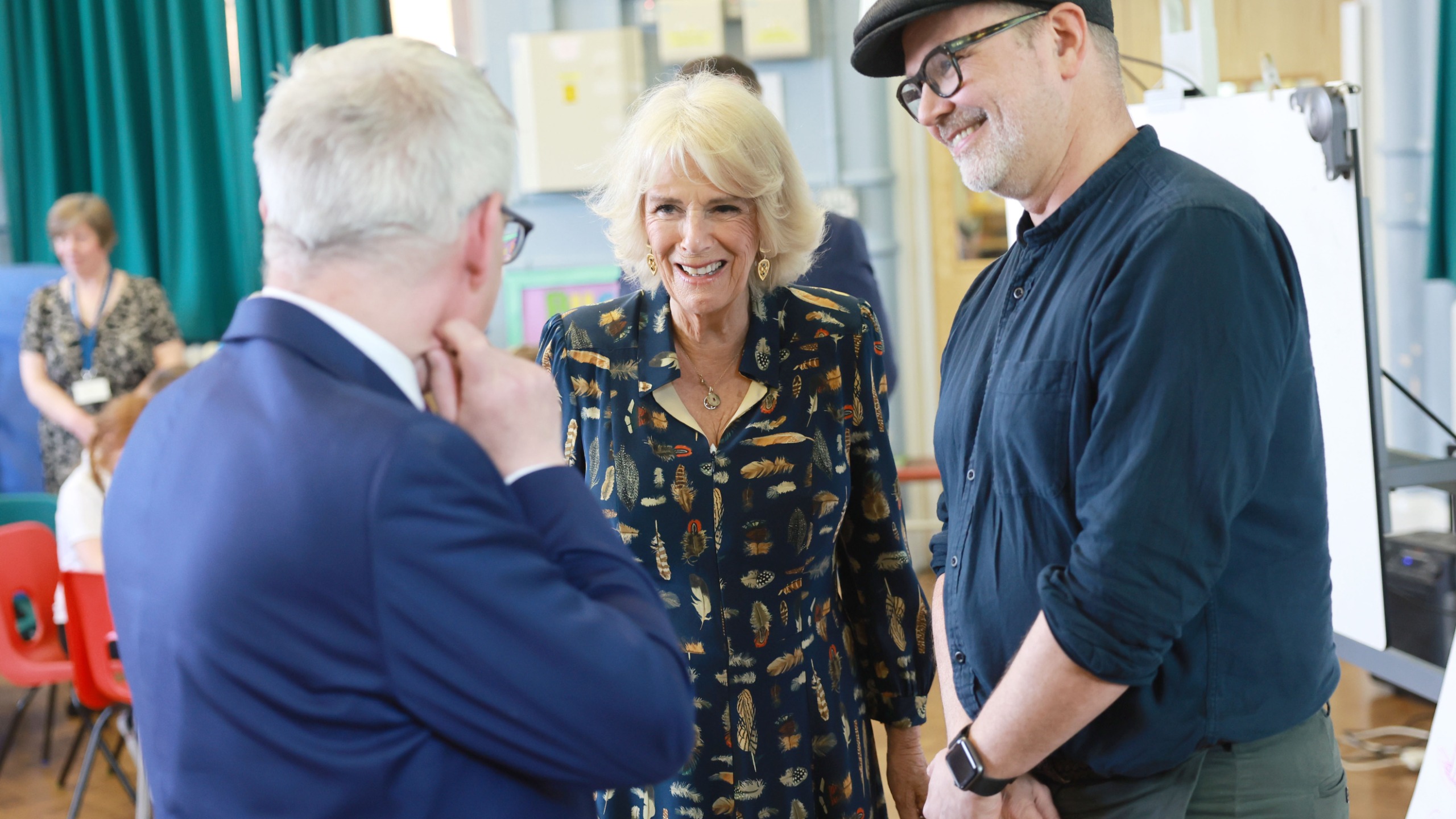
When asked if the battle is already lost—if AI companies have become too powerful to challenge—Biddulph remains defiant. "I certainly don’t think they’ve won," he says. "The technology has moved so quickly, and the companies behind it have such enormous financial resources, that it can feel as though the horse has already bolted… but I don’t think the argument has gone away."
He views this as a defining cultural moment. It is not just about protecting jobs; it is about establishing a societal value system. Do we value the human touch, the intent behind a stroke of a brush, and the empathy of a human artist? Or do we value the efficiency of the machine above all else?
"Personally, I don’t think this is a fight that artists can afford to walk away from, even if, at times, it feels hopeless," Biddulph concludes. "It’s about establishing what we value as a society, and whether we believe that human creativity has an intrinsic value that deserves to be protected. And I think that’s a fight worth having."
As technology continues to advance, the gap between the "technically polished" and the "humanly resonant" will likely widen. While AI can simulate the appearance of creativity, it lacks the ability to participate in the shared human experience that makes art meaningful. For Rob Biddulph and his peers, the path forward is not to ban the technology, but to ensure that the individuals who power our culture are not left behind in the name of progress. The high street of the future could be a place of vibrant, human-centered expression, or it could be a hall of mirrors reflecting only the data of the past. The choice, he suggests, is still ours to make.