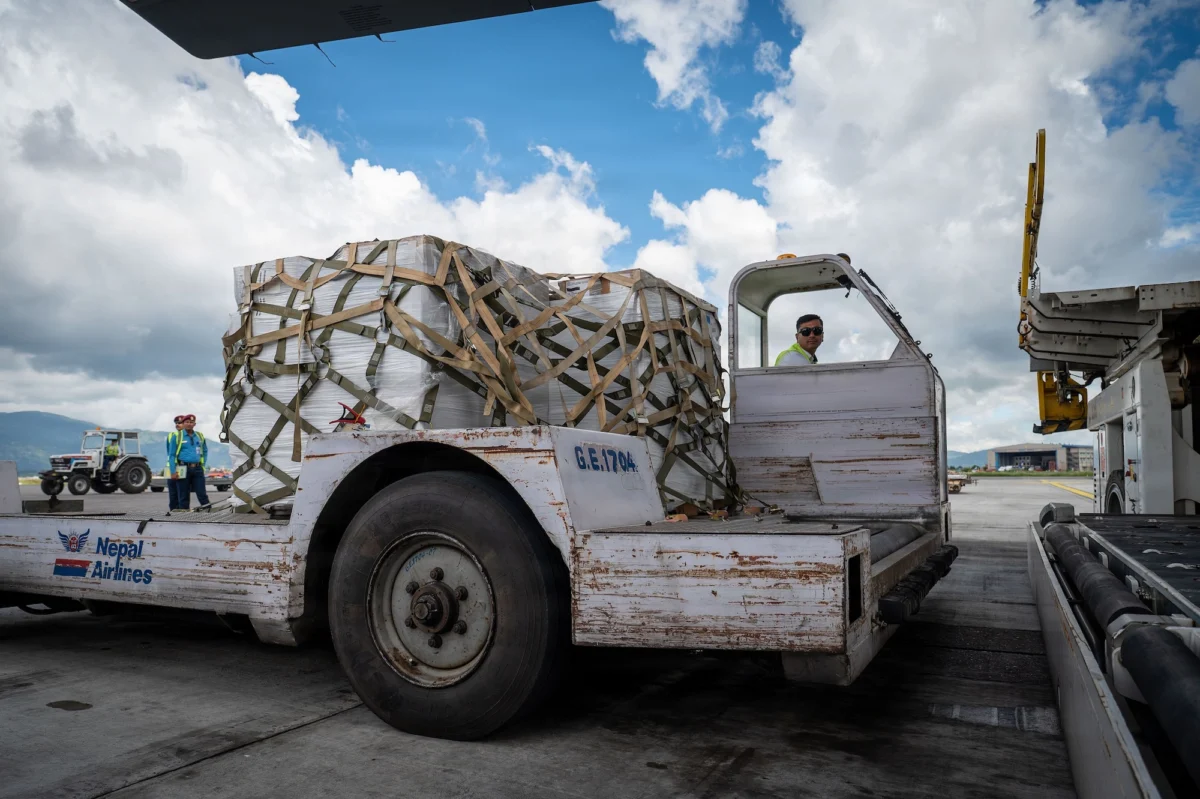
The catastrophic flash floods that tore through the Himalayan border region between Nepal and Tibet last week have left the international community reeling. What was once considered a localized environmental challenge has erupted into a full-scale humanitarian disaster, claiming at least 1,252 lives and leaving more than 4,200 individuals missing. As rescue operations at the Tribhuvan International Airport and across the rugged mountain terrain continue, the sheer scale of the devastation serves as a chilling harbinger for a world struggling to keep pace with an accelerating climate crisis.
The Anatomy of a Climate Catastrophe
The disaster, which began on August 26, was not a typical monsoon-related flood. Instead, it was the result of a high-altitude ice avalanche that surged into the Trishuli River basin. Scientists have long warned that the Himalayas—the "Third Pole"—are warming at nearly twice the global average rate. This rapid warming has triggered a cascade of volatile environmental changes, including the thawing of permafrost, the recession of glaciers, and the formation of unstable glacial lakes.
The tragedy in the Rasuwa district highlights a dangerous disconnect between current emergency preparedness and the reality of a rapidly shifting climate. Disaster management officials had previously established a response plan centered on the Gyirong Port complex, anticipating standard river surges. However, their monitoring systems were fundamentally incapable of detecting the collapse of an ice shelf at high altitudes. When the ice broke, the resulting wall of water and debris bypassed all warning sensors, turning the river into a destructive force that destroyed everything in its path in a matter of minutes.
"There were sensors for flood, flash flood risk, right? But there were not sensors for this kind of ice avalanche," explained Dr. Saswata Sanyal of the International Center for Integrated Mountain Development (ICIMOD). This "single-hazard" monitoring model is now widely considered obsolete, as the complexity of climate-driven events exceeds the capacity of current detection technology.
A Chronology of Escalating Risks
The destruction witnessed in late August did not occur in a vacuum. It is part of a mounting pattern of instability in the region:
- Pre-2020: Researchers identified 47 high-risk glacial lakes across Nepal, China, and India.
- August 2025: A significant flood triggered by a glacial lake burst in Tibet hit the same border region, prompting a massive, yet ultimately insufficient, overhaul of local disaster response plans.
- August 26, 2026: An unpredicted ice avalanche sends a "Himalayan tsunami" down the Trishuli River, devastating communities in the Rasuwa district and beyond.
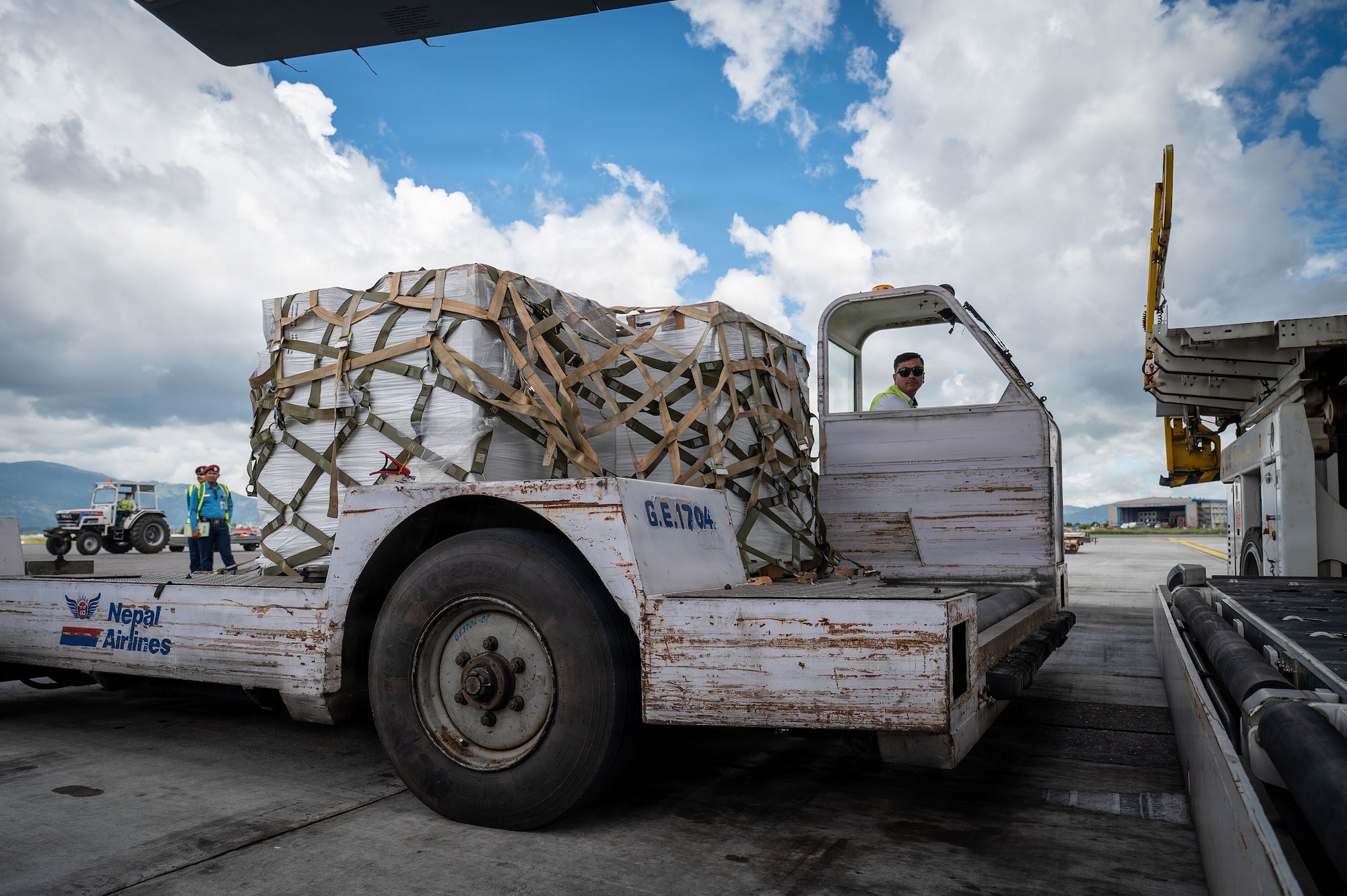
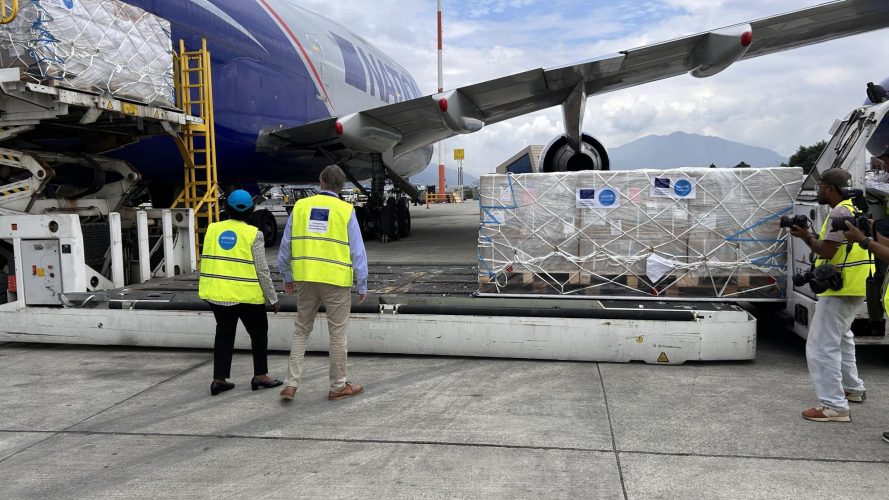
- September 1–3, 2026: The death toll surpasses 1,000. Emergency relief, including aid from nearly 30 nations, begins to flow into Tribhuvan International Airport.
- Current Status: Search and rescue efforts are ongoing, though hampered by the destruction of local infrastructure, while the economic toll is projected to reach $5 billion—nearly 10% of Nepal’s GDP.
The Economic Burden and the Fight for Climate Justice
As the initial shock fades, the focus in Kathmandu has shifted from immediate rescue to the long-term economic survival of the nation. The estimated $5 billion in recovery costs represents an existential threat to Nepal’s development. In a bold pivot, Nepal’s Foreign Minister, Shishir Khanal, has framed the crisis not as a request for charity, but as a demand for accountability.
"We are shifting our diplomatic framework from ‘aid’ to ‘justice and compensation,’" Khanal told the Kathmandu Post. He argued that industrial powerhouses—specifically China, the United States, and India—bear a "historical responsibility" for the carbon emissions that have destabilized the Himalayan cryosphere. This rhetoric signals a growing movement among the Global South to force a reckoning with the concept of "Loss and Damage."
While nearly 200 countries committed to a Loss and Damage fund during COP28 in 2023, the reality on the ground is grim. Estimates suggest that developing nations require upwards of $580 billion by 2030 to manage climate-related losses. In contrast, only $741 million has been pledged, and less than $500 million has actually been disbursed. With the fund at risk of insolvency, the chasm between climate promises and tangible support has never been wider.
Global Implications: The Illusion of Safety
While the Himalayas provide an extreme visual of climate failure, the risk is not confined to remote mountain villages. According to the World Bank, approximately 1.8 billion people—nearly 25% of the global population—currently reside in high-risk flood zones.
The crisis in Nepal mirrors the complacency found in wealthier nations. In the United States, for instance, real estate development continues in flood-prone areas, often obscured by outdated historic flood maps that fail to account for current climate trends. The reliance on the "historical record" as a predictor of future risk is a gamble that more states are losing.
Despite the urgency, the legislative response in the U.S. remains fragmented. The Natural Resources Defense Council (NRDC) notes that while states like New York, New Jersey, and Louisiana have implemented robust flood disclosure laws, more than a dozen states have failed to pass any meaningful legislation to protect homebuyers and tenants from hidden flood risks.
The Policy Paradox: Denialism vs. Reality
Perhaps the most significant hurdle to mitigating these risks is the deliberate erosion of climate science in public policy. In the United States, the current administration’s approach has been characterized by a multi-front strategy to downplay the crisis. By ordering federal agencies to remove climate-related language from public websites and initiating "restructurings" that force veteran climate scientists and experts out of the USDA and other agencies, the government is effectively blinding itself to the very risks that threaten national infrastructure and economic stability.
This systemic denialism creates a dangerous cycle: as climate-driven disasters like the Himalayan flood become more expensive and frequent, the administrative capacity to respond to them is simultaneously being hollowed out. The NRDC has highlighted that the rising cost of flood damage is a significant contributor to the national affordability crisis, a reality that remains largely unaddressed by an administration focused on expanding fossil fuel consumption at the expense of energy efficiency and climate resilience.
Conclusion: Lessons from the Mountains
The tragedy in Nepal is a stark reminder that the climate crisis is not a future projection—it is a present-day reality that is outpacing our infrastructure, our economic systems, and our political will. The failure to detect the ice avalanche in the Himalayas is a metaphor for the broader failure of global society to anticipate the "unknown unknowns" of a warming planet.
For nations like Nepal, the priority is survival and the pursuit of international accountability. For the rest of the world, the lesson is equally urgent: the models of the past are no longer sufficient guides for the future. Without a radical shift in how we monitor environmental hazards, a significant increase in international climate funding, and an end to the policy of willful ignorance, the "Himalayan tsunami" will be but the first of many disasters that force the world to reckon with the true cost of inaction.
As the recovery in Nepal begins, the global community is left to contemplate a harrowing question: if the world’s most vulnerable are left to bear the financial and human costs of a crisis they did not create, how long can the current global order sustain itself before the next, even larger, catastrophe strikes?