By Gavin Lee
October 4, 2026
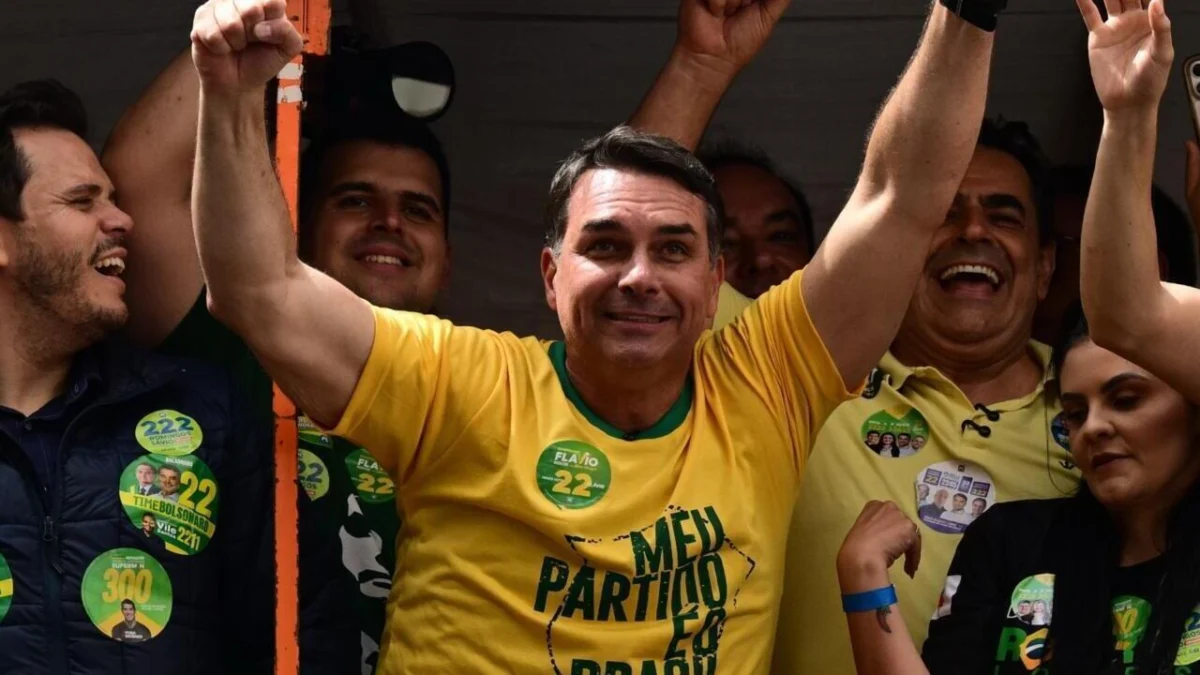
In the intricate theater of Brazilian politics, few figures command as much scrutiny, controversy, and influence as Senator Flavio Bolsonaro. As the eldest son of former President Jair Bolsonaro, Flavio has long navigated the turbulent waters of the nation’s right-wing movement. However, as of late 2026, he has transitioned from a supporting player in his father’s shadow to an architect of a renewed, albeit polarizing, political strategy.
In a recent episode of Spotlight, I sat down with Brazil analyst Henrique Tavares Furtado to dissect the burgeoning agenda of the man often described as the "political operator" of the Bolsonaro family. As Flavio pledges to "reshape" the country’s ideological and structural foundations, observers are left asking: who is the man behind the persona, and what does his ascent mean for the future of the South American giant?
Main Facts: The Rise of a Political Strategist
Flavio Bolsonaro, a seasoned politician who has served in the Rio de Janeiro Legislative Assembly and currently occupies a seat in the Federal Senate, has cultivated a reputation for being the pragmatist of the Bolsonaro clan. While his father’s populist rhetoric captured the imagination of the base, Flavio has been instrumental in institutionalizing that energy into legislative maneuvers.
His current platform focuses on a "restorative" vision for Brazil. He advocates for aggressive deregulation, a hardline stance on public security, and a robust defense of traditionalist values that he claims have been eroded by progressive institutional drift. Unlike the fiery public oratory of his father, Flavio’s approach is characterized by tactical coalition-building and a sophisticated understanding of the bureaucratic levers that govern Brasília.
Chronology: A Trajectory Forged in Controversy
To understand Flavio’s current political posture, one must examine the timeline of his ascent and the obstacles he has overcome:

- 2003–2018: Flavio serves as a state deputy in Rio de Janeiro, honing his skills in regional politics and building a loyal, albeit localized, power base.
- 2018: The "Bolsonaro Wave" sweeps the country. Flavio is elected to the Federal Senate, providing a crucial legislative beachhead for his father’s presidency.
- 2019–2022: The early years of his Senate term are marred by investigations into "rachadinha" (salary diversion) schemes. These legal battles become a central narrative, with Flavio consistently maintaining his innocence and alleging political persecution.
- 2023–2025: Following the electoral defeat of his father, Flavio pivots to become the primary custodian of the Bolsonaro political brand. He begins restructuring alliances, moving away from the chaotic street-protest model toward a more disciplined, parliamentary-focused opposition.
- 2026 (Present): Flavio emerges as a leading voice for a "new-look" conservatism, emphasizing economic liberalism combined with staunch social conservatism, aiming to unify a fractured right-wing electorate.
Supporting Data: The Political Landscape of 2026
The political environment in which Flavio operates is defined by deep polarization. According to recent polling data discussed during my analysis with Furtado, the Brazilian electorate remains split almost evenly along ideological lines.
- Legislative Influence: Flavio has successfully maneuvered into key committee positions, allowing him to stall or promote legislation that impacts the judiciary and the national economic policy.
- Public Perception: While his approval ratings remain tethered to the broader "Bolsonaro" brand—which maintains a solid 30-35% floor—his personal favorability has seen a slight uptick among moderate conservatives who appreciate his more composed demeanor compared to his father.
- Economic Sentiment: Flavio’s push for "re-industrialization through deregulation" has found favor with segments of the agribusiness and private sector, who view his proposals as a necessary correction to the current administration’s fiscal policies.
Official Responses and The "Deep State" Narrative
The discourse surrounding Flavio Bolsonaro is rarely devoid of tension. Supporters view him as a necessary shield against a "left-wing judicial overreach," while critics see him as an existential threat to democratic institutions.
When confronted with questions regarding his past legal challenges, Flavio’s camp has consistently utilized the language of the "persecuted patriot." Their official stance argues that the judicial inquiries were part of a coordinated effort by the political establishment to stifle the Bolsonaro family’s influence.
In our discussion, Furtado noted that this narrative is essential to Flavio’s survival. "By positioning himself as a victim of the system, he doesn’t just explain away his legal troubles; he elevates them into a badge of honor for his supporters," Furtado explained. This strategy has allowed him to maintain control of the Liberal Party’s (PL) legislative agenda, effectively silencing potential rivals within his own party who might have sought to capitalize on his past legal vulnerabilities.
Implications: A New Era for Brazilian Conservatism?
The "reshaping" of Brazil that Flavio proposes is not merely a slogan; it is a tactical blueprint. If he succeeds, the implications for Brazil are significant:
1. The Institutionalization of Bolsonarismo
Flavio is attempting to transition the movement from a personality-driven cult to an institutional force. This means investing in think tanks, digital media infrastructure, and local candidate training. If he succeeds, the "Bolsonaro" ideology could persist long after his father retires from public life.

2. Confrontation with the Judiciary
The relationship between the legislature and the Supreme Court remains the most volatile element of Brazilian politics. Flavio’s platform includes calls for constitutional reforms that would limit judicial activism. This creates a high-stakes standoff that could define the next decade of governance in the country.
3. Economic Reorientation
Flavio’s economic vision is a blend of privatization and nationalist protectionism. While attractive to his base, it remains to be seen if these policies can stabilize the currency or address the persistent issue of inflation. Investors are watching closely, balancing the prospect of a more business-friendly regulatory environment against the risk of continued political instability.
4. The Human Factor
As I explored in my interview with Furtado, the "man behind the persona" remains an enigma. Is he a true believer in the ideological crusade, or is he a calculating strategist using the movement as a vehicle for personal power? Furtado suggests it is a bit of both. Flavio has learned that in the current climate, power is not just about policy—it is about managing the collective emotion of the base.
Conclusion: The Path Forward
As the 2026 political calendar progresses, Flavio Bolsonaro stands at a crossroads. He has survived the initial legal storms that threatened to derail his career and has emerged as a disciplined, focused, and ambitious leader. Whether he can truly unite the right and push his agenda through a fractured Congress remains to be seen.
What is certain, however, is that Flavio is no longer just the "son of the former president." He is a force in his own right, determined to leave a distinct imprint on the Brazilian state. For observers, the task is clear: look past the rhetoric and follow the legislative record. The future of Brazil’s conservative movement is being written in the halls of the Senate, and Flavio Bolsonaro is holding the pen.