In the modern industrial landscape, "logistics" is no longer a synonym for the simple conveyance of palletized freight from point A to point B. It has evolved into a sophisticated, high-stakes discipline known as project logistics. This specialized field involves the intricate planning, storage, and movement of oversized, high-value, and technically demanding equipment—the literal building blocks of our global infrastructure. From multi-ton wind-turbine nacelles and refinery modules to power transformers and massive mining machinery, project logistics is the silent, essential force that transforms blueprints into physical reality.
As these shipments defy the constraints of standard shipping containers and routine schedules, they require a confluence of civil engineering, meticulous route mapping, bespoke equipment, and cross-border regulatory navigation. Today, project logistics has shifted from a back-office service to a central, strategic pillar of industrial execution.
Main Facts: The Evolution of Industrial Movement
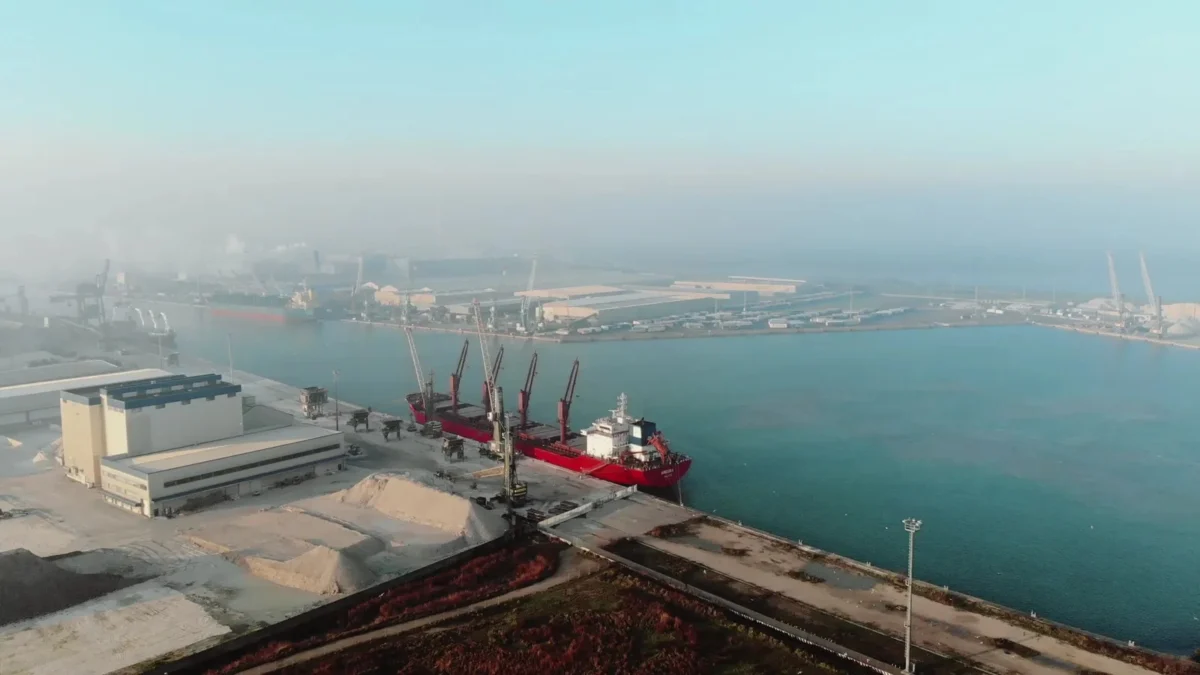
At its core, project logistics is about risk mitigation and precision. A single shipment—such as a preassembled section of a chemical plant—may be fabricated in East Asia, transported via heavy-lift vessel through the Middle East, cleared through customs in Europe, and finally transported over rural roads to a remote construction site.
The industry is currently defined by three primary drivers:
- The Infrastructure Boom: Governments globally are investing trillions in transport corridors, ports, and water systems.
- The Energy Transition: Renewable energy projects, particularly offshore wind, demand a complex "cradle-to-grave" transport chain where timing is measured in minutes rather than days.
- Industrial Modularization: To lower on-site labor costs, companies are increasingly shifting construction to controlled fabrication yards, turning the resulting modules into logistical puzzles that must be planned for long before they are built.
Chronology: The Lifecycle of a Megaproject
The success of a project logistics operation is measured by its integration into the project lifecycle. Unlike standard freight, where logistics happens after production, in project logistics, the supply chain is integrated at the design phase.
Phase 1: The Engineering Prelude (Pre-Construction)
Before a single piece of steel is cut, logisticians perform route surveys and "load-out" feasibility studies. They analyze bridge clearances, road curvature, and soil bearing capacities to ensure that the proposed modules can physically reach the project site. During this phase, logistics constraints often dictate engineering design, forcing architects to modify dimensions to suit available port drafts or vessel capacities.
Phase 2: The Orchestration (Execution)
Once production begins, the logistics provider moves into the role of conductor. This involves securing heavy-lift vessels, reserving specialized hydraulic trailers, and managing marshalling yards. Because these projects often span years, the logistics provider must manage "just-in-time" delivery schedules that account for the narrow windows of construction crews and the availability of specialized installation equipment, such as heavy-lift cranes.
Phase 3: The "Last Mile" (Final Delivery)
The final segment of the journey is often the most perilous. Navigating an oversized transformer through urban areas or narrow rural lanes requires police escorts, the temporary removal of power lines, and the structural reinforcement of bridges. This is the stage where the theoretical planning meets the harsh reality of geography.
Supporting Data: Market Valuation and Growth Trends
The economic footprint of this sector is expanding rapidly. According to data from Global Market Insights, the global project logistics market was valued at USD 68.8 billion in 2025. Projections suggest a robust upward trajectory, with the market expected to reach USD 120.1 billion by 2035. This represents a compound annual growth rate (CAGR) of approximately 5.8%.
Regional Market Analysis:
- Asia Pacific: Currently the market leader, driven by China, India, and Southeast Asia’s massive manufacturing and clean-energy expansion.
- Middle East and Africa: Projected to see the fastest growth due to aggressive urban development and industrial diversification projects.
- Europe: A highly mature, technical market focused on the "green" transition—specifically grid modernization and offshore wind farm installations.
- North America: Continues to show consistent demand driven by LNG (Liquefied Natural Gas) infrastructure, mining, and domestic manufacturing reshoring.
Official Perspectives: The Industry’s Changing Mandate
Industry leaders increasingly argue that the value proposition of a logistics provider is no longer based on the lowest freight rate, but on "reliability and risk management."
"The modern project owner doesn’t just want a carrier; they want an engineer," says a representative from a leading global logistics firm. "When you are moving a $50 million turbine component, the cost of a delay caused by a missed permit or a poorly planned route isn’t just the shipping cost—it’s the cost of an idle construction crew, a delayed power plant opening, and millions in lost revenue."
The consensus among stakeholders is that transparency is the new currency. Project owners now demand real-time visibility across the entire supply chain, including the status of suppliers, port throughput, and customs clearance hurdles. As one expert noted, "The most successful firms are those that act as consultants, identifying the ‘low bridges’ of a project before they ever become a physical obstacle."
Implications: Challenges and the Future Outlook
Despite the promising financial outlook, the sector faces significant structural headwinds.
1. The Resource Crunch
Specialist assets—such as semi-submersible ships, self-propelled modular transporters (SPMTs), and high-capacity cranes—are in finite supply. As multiple megaprojects compete for these resources globally, costs are becoming increasingly volatile. The inability to "scale up" this hardware overnight creates a bottleneck that can stall entire national infrastructure programs.
2. Geopolitical and Regulatory Volatility
Trade sanctions, shifting tariffs, and regional conflicts present a constant threat to supply chain continuity. A sudden change in trade policy can force a total rerouting of a multi-year project, triggering massive increases in insurance premiums and transit times. Project logistics teams must now operate with a "Plan B" (and often a "Plan C") built into their foundational contracts.
3. The Shift to Multimodal Integration
The future of the industry lies in the mastery of the "connected system." It is no longer sufficient to be an expert in ocean freight or road transport alone. The winners in the next decade will be companies that can seamlessly bridge the gap between ocean, rail, inland waterways, and road transport. Multimodal planning is becoming the standard, as the complexity of global trade routes requires a flexible approach to moving cargo across varied topographies.
4. Digital Transformation
The adoption of digital tools—such as 3D route modeling, AI-driven traffic forecasting, and blockchain-based documentation tracking—is essential. By simulating the movement of cargo in a virtual environment before attempting the physical move, companies are drastically reducing the probability of on-site failure.
Conclusion
Project logistics has emerged as the invisible scaffolding of the modern world. As humanity embarks on the massive task of decarbonizing the grid, upgrading aging industrial infrastructure, and expanding global energy capacity, the demand for this specialized, high-stakes logistical expertise will only grow.
The sector is moving away from the era of "moving boxes" and into an era of "engineering movement." As the complexity of our infrastructure projects increases, so too does the importance of the logistics providers who facilitate them. They are the quiet architects of progress, ensuring that the components for the world’s next generation of power plants, bridges, and factories arrive safely, on time, and within the rigorous requirements of a changing world.
For businesses and governments alike, the lesson is clear: if you are planning a project of significance, your logistics partner must be part of the initial blueprint, not an afterthought in the shipping process. The ability to navigate these logistical complexities is no longer just a service—it is a competitive advantage.