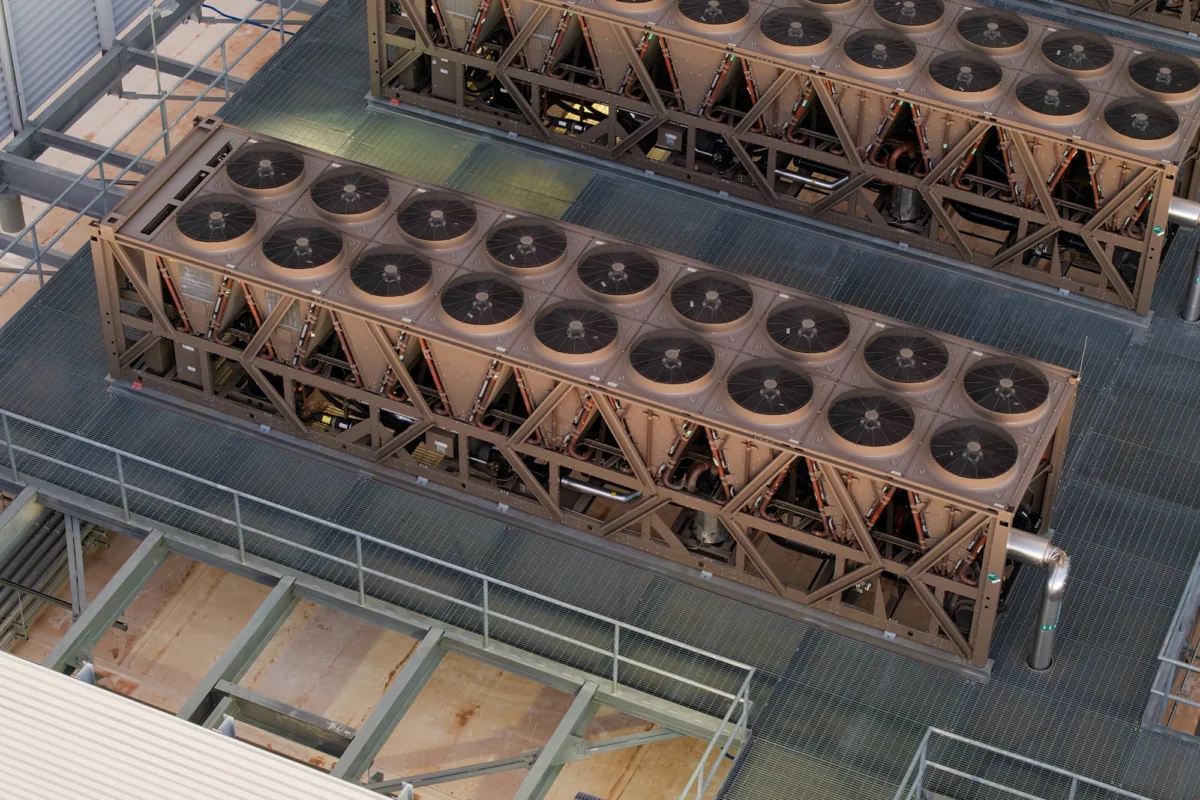
As the world hurtles toward an increasingly digital future, the physical footprint of the internet is expanding at an unprecedented rate. Data centers—the silent, windowless fortresses that power everything from social media to generative AI—have long been considered benign industrial neighbors. However, as these facilities scale into "hyperscale" campuses, their impact on the surrounding environment has moved from a quiet background concern to a boiling point in American municipal politics.
With the 2026 midterm elections approaching, the rapid, largely unregulated construction of these facilities has become a potent campaign issue. From the sweltering suburbs of Phoenix to residential neighborhoods in Colorado, citizens and policymakers are colliding with the reality that the infrastructure of the digital age comes with a heavy, and often literal, heat price.
The Policy Vacuum: A Crisis of Unchecked Expansion
For decades, data centers were treated by city planners as standard light industrial developments. Because their power and water requirements were modest, they were often slotted into existing zoning categories alongside warehouses and small-scale manufacturing. However, the rise of Artificial Intelligence has fundamentally shifted the equation.
Modern AI data centers are massive, energy-hungry leviathans. A single facility can consume as much electricity as a small city, putting extreme stress on regional power grids and exhausting municipal water supplies used for cooling. According to a 2026 report by the nonprofit Bipartisan Policy Center, the pace of this development has completely outstripped existing regulatory frameworks. "The development of these data centers has proceeded at a pace and scale that utility planning frameworks, regulatory structures, local approval processes, and community engagement practices were not designed to accommodate," the report stated.
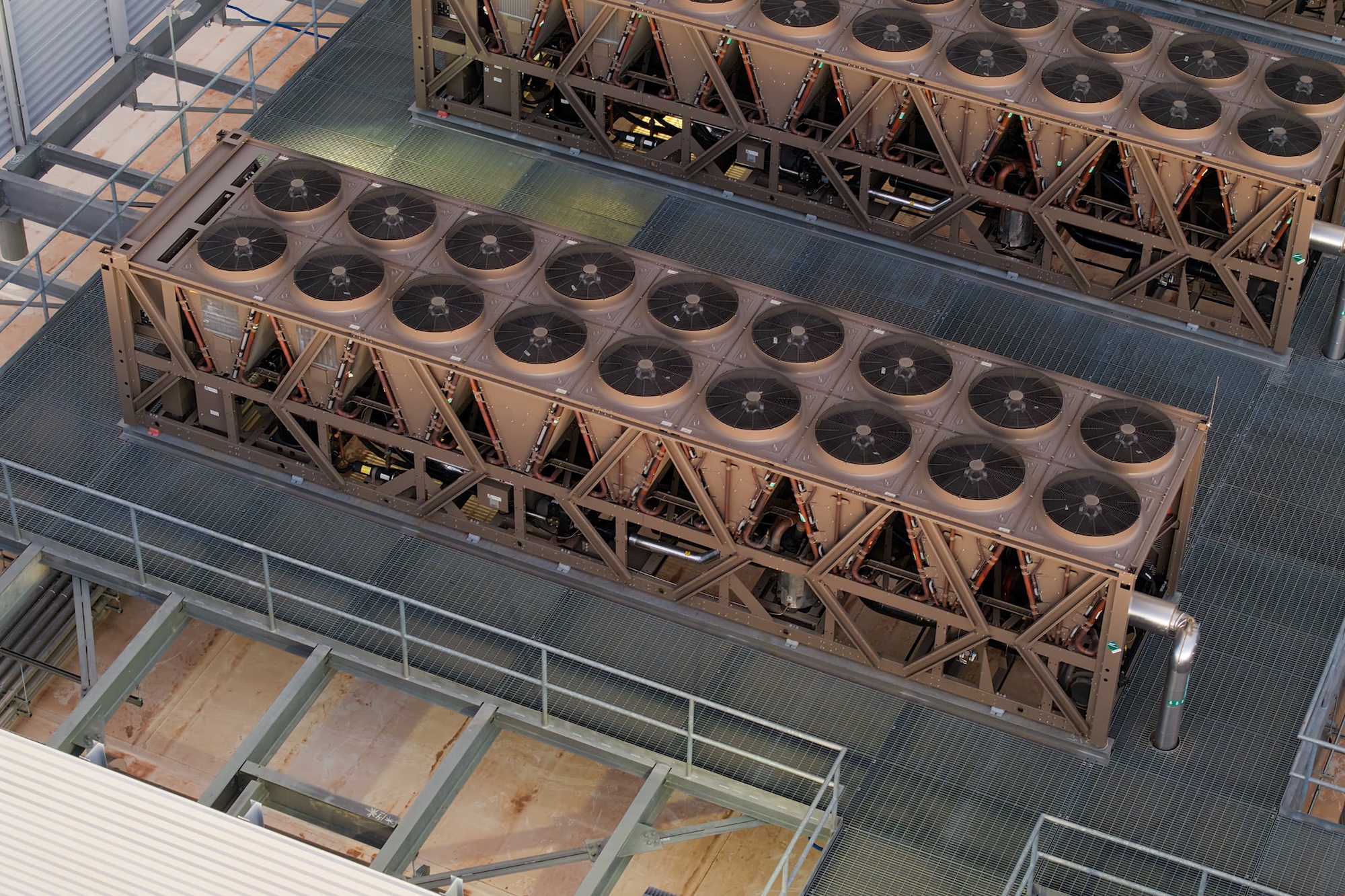
This regulatory lag has left urban centers vulnerable, particularly those already struggling with climate-related stresses. Phoenix, Arizona—the fifth-largest city in the United States and arguably its most heat-stressed metropolis—has become the epicenter of this struggle.
Chronology of a Regulatory Reckoning
The tension in the Phoenix metro area serves as a case study for the national conflict between economic development and public welfare.
- 2022-2024: The Phoenix metro area aggressively courts data center investment, offering lucrative tax incentives and permitting fast-track construction in the name of economic diversification.
- Early 2025: Phoenix City Council, responding to mounting resident complaints, finally adopts specific zoning definitions and design standards for data centers, requiring special permits and noise assessments.
- June 2026: Recognizing the environmental strain, Arizona lawmakers pass a three-year moratorium on new state-level data center tax incentives.
- July 2026: The unintended consequence of the moratorium manifests: a "gold rush" of 113 last-minute permit applications, compared to just 123 applications over the previous 13 years combined.
- August–October 2026: Landowners and developers file claims totaling over $753 million in potential damages against the city of Phoenix, citing "lost property value" under the state’s Prop 207 law.
- November 2026: The issue culminates as a major talking point in the lead-up to the midterm elections, with voters demanding stricter oversight and greater transparency in industrial planning.
The Heat Island Factor: Quantifying the Invisible Hazard
While noise and water usage are frequently cited in public hearings, a more subtle and alarming threat has recently come to light: the contribution of data centers to the urban heat island (UHI) effect.
Research from the School of Geographical Sciences and Urban Planning at Arizona State University (ASU) has provided the first ground-level proof that data centers are actively altering the microclimates of their neighborhoods. ASU researchers found that the temperature at Phoenix Sky Harbor Airport is already 10 to 14 degrees Fahrenheit higher than in surrounding rural areas due to the UHI effect—a phenomenon where buildings and asphalt absorb and re-emit solar radiation.

The new ASU study demonstrates that data centers exacerbate this by dumping massive amounts of waste heat directly into the atmosphere. Using air temperature sensors to measure heat levels upwind and downwind of four typical hyperscale facilities, the team found that the waste heat generated by a single data center can raise temperatures in the surrounding neighborhood by up to 4 degrees Fahrenheit. This effect can be felt up to five city blocks away.
"Even if these data centers only contribute to an additional heat island magnitude of one or two degrees, that can still have a very significant impact on our lives," noted David Sailor, director of the ASU school and lead author of the study. This "previously undocumented urban thermal hazard" is now being cited by activists across the country as a primary reason to halt construction near residential areas.
Official Responses and the Corporate-Community Divide
The corporate response to these concerns has been mixed. Some firms, such as Aligned Data Centers, have pivoted away from cities with restrictive zoning—like Phoenix—to neighboring jurisdictions with looser regulations, such as Peoria, Arizona. This "regulatory shopping" has caused frustration among city officials who realize that restrictive local zoning can simply push the problem across a municipal border.
In response, some cities are beginning to coordinate. The Global Urban Data Centres Pact, an international initiative in partnership with C40, includes 42 members, including Phoenix and 20 other U.S. cities. The Pact is not a binding treaty but serves as a clearinghouse for best practices, encouraging developers to invest in waste heat recovery, water conservation, and clean energy integration.
However, the efficacy of such pacts is often challenged by grassroots organizations. In Aurora, Colorado, the proposed "Trident" data center project—which would include 28 emergency diesel generators—ignited a massive public outcry. During a recent city council meeting, citizens ranging from teenagers to retirees spent hours testifying against the project. Their message was clear: they fear the long-term impact on their health and property values, and they feel ignored by a process that favors developers over residents.
Implications for the Future of Urban Planning
The current crisis highlights a fundamental shift in how Americans view the "cloud." The internet is no longer a remote, ethereal concept; it is an intrusive industrial neighbor. The implications for urban planning are severe and far-reaching:
- The End of "Light Industrial" Assumptions: Cities can no longer classify data centers as low-impact. Future zoning must treat them as intensive, high-impact industrial facilities that require specialized siting, often far removed from high-density residential areas.
- Climate-Adaptive Infrastructure: As urban heat becomes a primary public health concern, cities will likely mandate that new data centers incorporate green cooling technologies and waste-heat harvesting (e.g., using data center heat to warm municipal swimming pools or district heating systems).
- The Legal Minefield: The situation in Phoenix shows that even when cities try to regulate, they risk crippling litigation from developers. State legislatures may need to reform land-use laws to allow cities to prioritize public health over private speculative property values.
- The Political Tipping Point: With 399 local moratoriums in progress across 44 states, the "data center backlash" is officially a national movement. As the 2026 midterms arrive, candidates who ignore the environmental costs of the digital economy do so at their own peril.
Conclusion
The data center boom has brought immense computing power to our fingertips, but it has also brought a temperature spike to our doorsteps. The scientific evidence from Arizona State University provides a clear, quantitative warning: we can no longer build the digital infrastructure of tomorrow with the unregulated zoning policies of yesterday.
As voters head to the polls this November, the debate over data centers is symbolic of a larger struggle—a fight to ensure that the march of technological progress does not come at the expense of livable, cool, and sustainable communities. The "cloud" may be invisible, but the heat it generates is very real, and the public is no longer willing to let it sit in their backyards.