By Sharon Udasin and Gemma Smith
As the United States government attempts to roll back critical safeguards against per- and polyfluoroalkyl substances (PFAS)—the persistent, bioaccumulative, and toxic compounds colloquially known as "forever chemicals"—a quiet, high-stakes battle is unfolding in state legislatures and local water utilities across the country. With federal momentum stalling, states are scrambling to fill a rapidly widening regulatory void, creating a complex, patchwork landscape of environmental protection that challenges the traditional principles of American cooperative federalism.
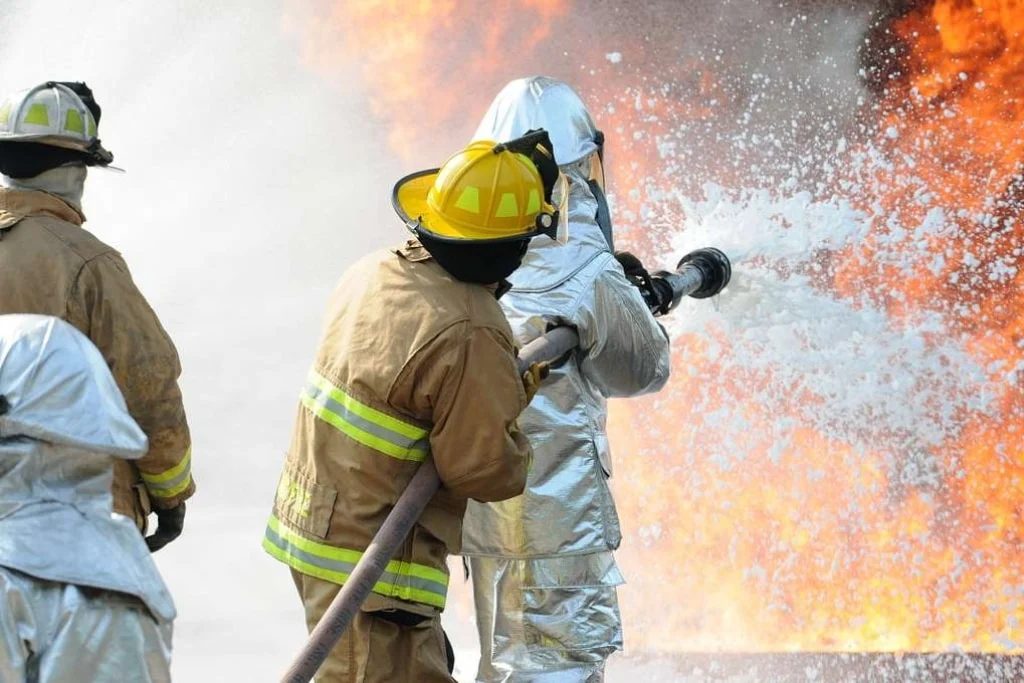
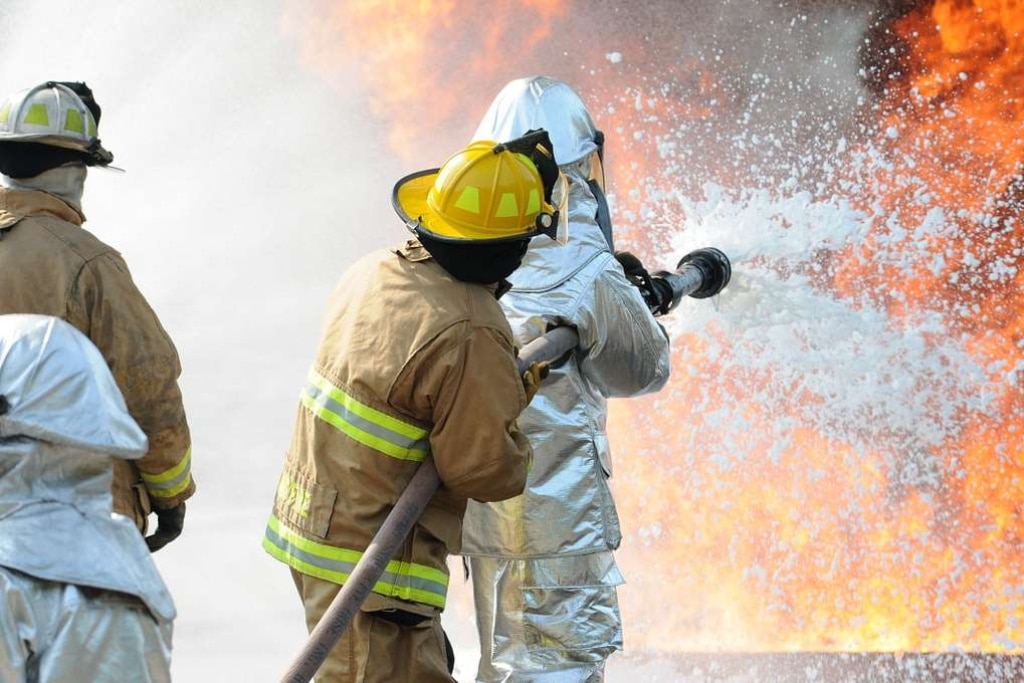
PFAS are not merely industrial byproducts; they are a pervasive modern legacy. Linked to severe health outcomes, including cancer, thyroid disruption, and developmental delays, these man-made compounds have been integrated into the fabric of daily life for decades. From non-stick cookware and water-resistant textiles to specialized firefighting foams used at airports and military installations, their chemical stability—which makes them so useful—is precisely what makes them so lethal to the environment and human health.
The Chronology of a Regulatory Seesaw
For years, the U.S. faced a profound dearth of national action on PFAS. It was not until April 2024 that the Biden-era Environmental Protection Agency (EPA) finally established long-awaited national primary drinking water standards for several PFAS compounds. Shortly thereafter, the agency took the landmark step of designating the two most infamous chemicals, PFOA and PFOS, as hazardous substances under the Comprehensive Environmental Response, Compensation, and Liability Act (CERCLA). This move provided a powerful legal mechanism for the federal government to hold polluters accountable for remediation costs.
However, the political landscape shifted dramatically in early 2025. The incoming administration’s EPA moved to rescind drinking water standards for four of the six previously regulated PFAS compounds, leaving only PFOA and PFOS under scrutiny. Even for these two, the compliance horizon has been pushed back, with the EPA signaling that the 2029 deadline may be extended to 2031. While the hazardous substance designations remain intact, the regulatory rollback has sent a chilling message to state agencies: the "floor" of federal protection is no longer guaranteed.
The Theory vs. The Reality of Cooperative Federalism
The American model of water quality management has historically been built on "cooperative federalism." In this ideal, the federal government establishes a national baseline—a floor of protection—that ensures every citizen receives a minimum level of safety. States, in turn, are granted the flexibility to innovate, creating more stringent standards based on local geological, industrial, and social needs.
Today, that relationship is increasingly fraught. In many jurisdictions, federal standards have evolved from a "floor" into a "ceiling." Through "no more stringent" laws, state legislatures have explicitly prohibited their environmental agencies from enacting rules that exceed federal requirements. This political trend effectively traps states in a loop of federal inertia, preventing them from acting even when they have the scientific data and public mandate to do so.
Local Leadership: The Tucson Case Study
The disconnect between federal policy and local reality is perhaps best illustrated in Tucson, Arizona. As explored in a 2025 study by researchers at the University of Arizona, Tucson serves as a definitive test case for how local agencies must operate when federal leadership is absent.
Tucson has grappled with groundwater contamination since the mid-20th century, a legacy of industrial dumping and the widespread use of PFAS-laden firefighting foam at local military bases. When the PFAS crisis hit the public consciousness, local water utilities did not wait for Washington.
"Regulation was hard to come by in those early days," noted the researchers. Instead of waiting for a mandate, Tucson’s water utility shifted its focus to aggressive sampling and monitoring. By leveraging existing federal programs and funnelling state funds into data collection, the city identified the scale of the contamination. When the Bipartisan Infrastructure Law provided federal funding in 2023, Tucson was already poised to transition from mere monitoring to active remediation.
The study concludes that local entities went "beyond the norm" to shut down contaminated wells, invest in proprietary mitigation technologies, and engage the public. However, these successes remain localized. Without a robust, overarching federal standard, such protections are entirely dependent on the political will and financial resources of the individual municipality.
The Bipartisan Path to Innovation
While the federal government remains mired in polarization, some states have found a surprising degree of bipartisanship when addressing PFAS. When public health and food safety are threatened, traditional political divides often blur.
Maine offers the most compelling example of this phenomenon. Decades of applying "sludge"—municipal sewage waste often containing high concentrations of PFAS—to farmlands devastated the state’s dairy industry. Facing a potential economic and public health catastrophe, Maine lawmakers from both sides of the aisle enacted a sweeping ban on PFAS in consumer products and prohibited the spreading of contaminated sludge. The state also established a $60 million "PFAS Fund" for the buyback and remediation of contaminated farms.
"It doesn’t matter whether you’re Republican or Democrat," says farmer Fred Stone, a central figure in Maine’s legislative fight. "It’s very hard to vote against public health and food safety."
Similar efforts have gained traction elsewhere. In Minnesota, the state legislature passed "Amara’s Law," a comprehensive ban on PFAS that saw rare, full-spectrum bipartisan support. Meanwhile, in Wisconsin, lawmakers successfully negotiated a $125 million allocation to combat PFAS pollution, proving that when the threat is clearly defined, legislative gridlock can be bypassed. According to data from the PFAS Governance Tracker, ten states have now moved to prohibit the manufacture of PFAS-laden consumer goods, including menstrual products, artificial turf, and cosmetics.
The Implication of Federal Preemption
Despite these state-level victories, a dangerous legislative threat looms: federal preemption. Proposed revisions to the Toxic Substances Control Act (TSCA) could effectively dismantle the progress made by states. If these changes become law, federal rulemaking could override all state-level protections, forcing states to adhere to the federal "no more stringent" standard.
Such a move would be catastrophic for the "relay race" of environmental policy. It would strip states of their right to protect their own populations, effectively silencing local initiatives in favor of a singular, potentially weaker federal approach. For the 45% of the U.S. population whose tap water is estimated to contain at least one form of PFAS, this is not a theoretical debate—it is a matter of immediate survival.
Conclusion: A Relay Race, Not a Solo Sprint
The PFAS crisis is a definitive stress test for the American democratic system. The results of this test are clear: when federal leadership fails, the burden of protection falls to the states and the communities they serve. States have proven that they are capable of being the laboratories of democracy, innovating, legislating, and holding powerful polluters to account.
However, a federal democracy functions best as a relay race, not a series of solo sprints. States can carry the baton for only so long. They can clean up their own water and pass their own consumer protections, but they cannot stop the movement of chemicals across state lines or the national distribution of toxic products.
As the U.S. moves further into an era of regulatory uncertainty, the tension between state-led innovation and federal preemption will define the future of environmental health. If the federal government continues to weaken its oversight while simultaneously barring states from acting more stringently, it will not just be a failure of policy—it will be a fundamental betrayal of the democratic promise to protect the public welfare. Until the baton is passed in a coordinated, national effort, the "forever chemical" crisis will remain a localized emergency, leaving millions of citizens to wait for a resolution that may never arrive at their kitchen taps.