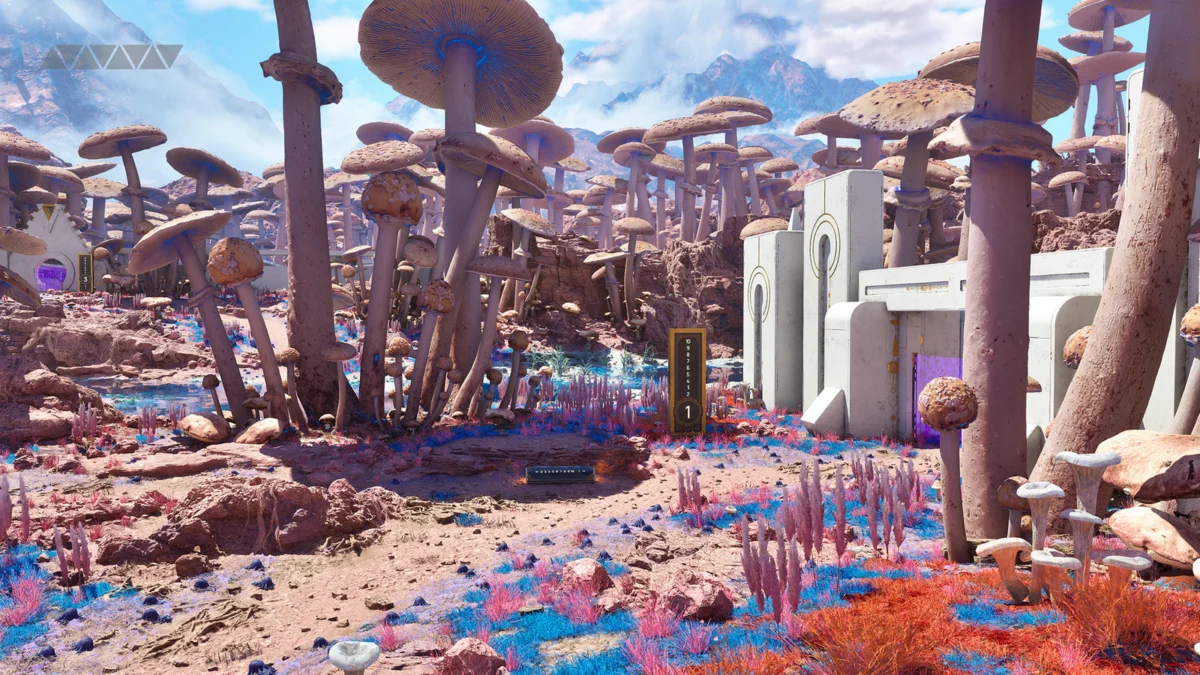
The landscape of philosophical puzzle gaming is about to reach its ultimate destination. Developer Croteam and publisher Devolver Digital have officially confirmed that The Talos Principle 3 is in development, marking the definitive conclusion to one of the most intellectually stimulating franchises in modern gaming history. While the announcement has ignited excitement among fans of the series, it also serves as a poignant reminder of a decade-long journey that has probed the boundaries of artificial intelligence, consciousness, and what it truly means to be human.
The Announcement: A Final Testament to Logic and Inquiry
The revelation came with a sense of quiet gravity, fitting for a series that often trades in themes of existentialism and cosmic wonder. Croteam has promised that The Talos Principle 3 will serve as the "final chapter," a narrative and mechanical bookend to the journey that began in 2014.
The developer has teased that the game will once again "test your mind with all-new challenges," maintaining the series’ hallmark commitment to intricate, non-linear environmental puzzles. As players prepare to return to a world where philosophy and physics collide, the core promise remains the same: the game will not simply be a collection of puzzles, but a coherent, thought-provoking narrative that demands the player’s full intellectual and moral participation.
A Chronological Legacy: From the Simulation to the Stars
To understand the weight of this announcement, one must look back at the trajectory of the series. The original The Talos Principle, released in 2014, was a landmark title. It tasked players with solving logic puzzles within a series of simulated environments—reminiscent of Greco-Roman ruins mixed with advanced technology—while grappling with the voice of an unseen deity and the nature of their own existence as a synthetic consciousness. It set a high bar for environmental storytelling, where the answers to the game’s deepest questions were found not in dialogue trees, but in terminal logs and the architecture of the world itself.
In 2023, The Talos Principle 2 expanded the scope significantly. It moved the narrative out of the initial simulation and into a world of "real" robotic civilization, exploring the sociopolitical implications of a post-human society. The game tackled themes of climate change, the hubris of the creators, and the desire for legacy.
Bridging the gap between these two massive titles was the recent release of The Talos Principle: Reawakened, a ground-up remake of the original game built using Unreal Engine 5. This modernization ensured that the entire trilogy now shares a unified visual and mechanical language, preparing long-time fans and newcomers alike for the final act.
The Mystery of "The Anomaly"
While Croteam remains tight-lipped regarding the specific narrative beats, they have provided a haunting premise for the third entry. Players will find themselves waking up in a place known as "The Anomaly."
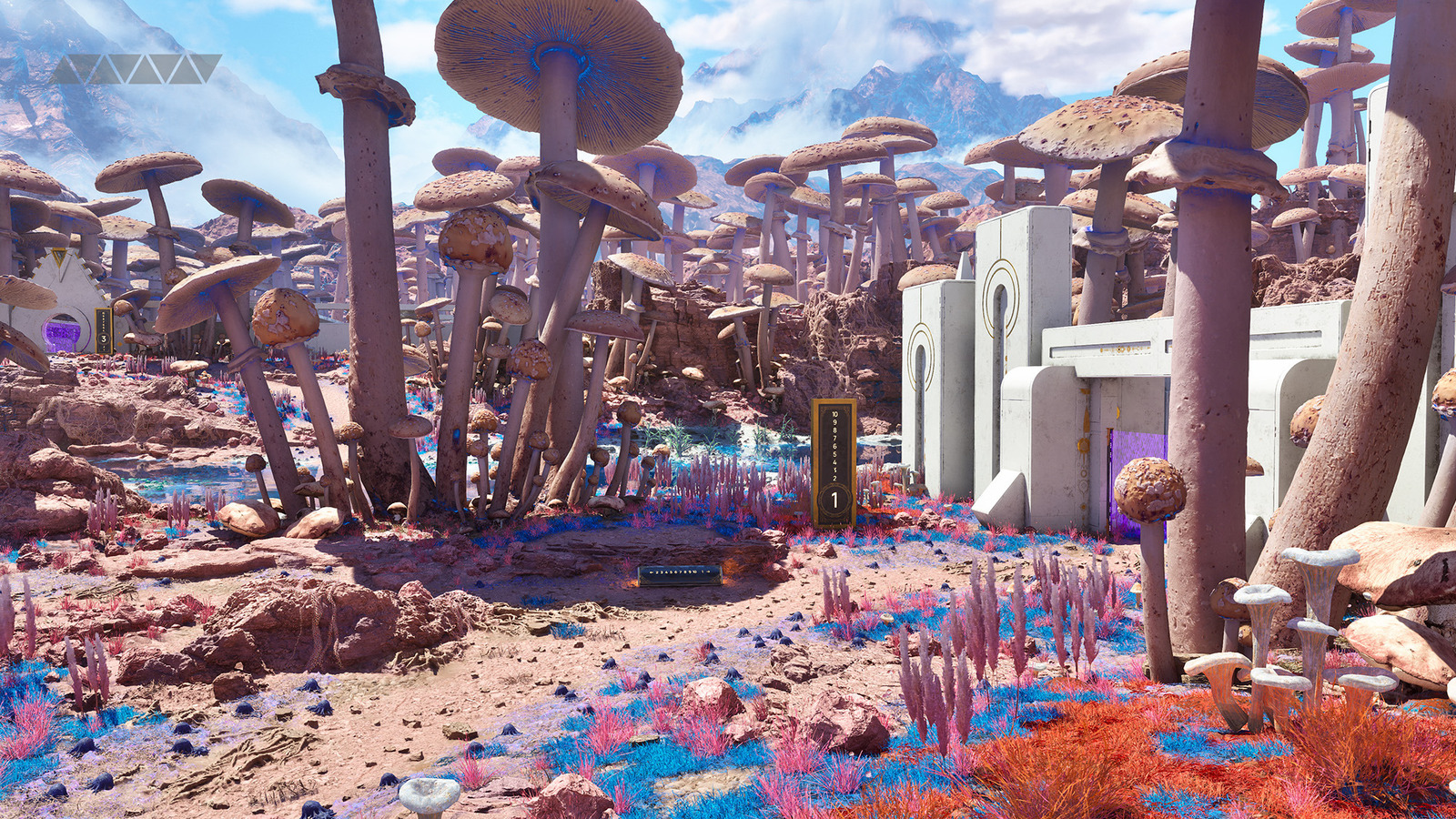
The developer’s official description paints a picture of a fractured, surreal reality: "As if awakening from a troubled sleep, you find yourself in a strange, contradictory world of crumbling temples and abandoned science outposts: the Anomaly, the only place in the universe where the laws of physics don’t work as they should. Your memories are fragmented, but you know you came here for a reason."
This setting suggests a departure from the relatively stable—if mysterious—environments of the previous games. By introducing a location where physics are unstable, Croteam is signaling an evolution in gameplay. The Steam store page further confirms that players will traverse more than a dozen distinct worlds, ranging from "a desert planet undergoing terraforming to the beautiful gardens of Elysium." This diversity suggests that the game will be the most ambitious in terms of scale, potentially integrating the lessons learned from the previous two entries into a massive, multi-world exploration.
Mechanics: Familiar Foundations and New Frontiers
The core loop of The Talos Principle—manipulating lasers, jammers, and gravity-defying equipment to unlock barriers—has always been its strongest suit. According to preliminary reports and the developer’s own materials, The Talos Principle 3 aims to respect this legacy while pushing it forward.
The game is expected to feature a blend of:
- Legacy Mechanics: The return of the classic light-refraction and jamming systems that fans have mastered over the last decade.
- Evolutionary Mechanics: The introduction of "all-new" tools designed specifically for the unique environment of the Anomaly. Given the "contradictory" nature of the setting, it is speculated that these tools may interact with reality-warping properties, allowing players to manipulate space and time in ways previously unseen in the series.
- Non-Linear Progression: Maintaining the series’ tradition, the puzzles will not be strictly linear, allowing players to tackle challenges in different orders and explore at their own pace.
Implications for the Genre
The end of The Talos Principle trilogy represents a significant moment for the "thinking person’s puzzle game" genre. When the original game launched, it was part of a renaissance of titles that proved players were hungry for complex, narrative-driven puzzles. It proved that games could be high-concept, philosophical, and commercially successful without sacrificing their intellectual rigor.
By bringing the series to a conclusion, Croteam is choosing to prioritize narrative closure over endless iteration. In an industry that often incentivizes the perpetual milking of successful IPs, this decision to craft a "final chapter" is a testament to the integrity of the studio. It implies that there is a definitive answer to the questions posed by the first game, and that Croteam has a specific destination in mind for the consciousnesses they have spent ten years crafting.
Official Responses and Industry Reception
Devolver Digital, the publisher known for its keen eye for high-quality, idiosyncratic titles, has expressed immense pride in the project. While they have not provided a release date, they have stated that more information is coming "soon."
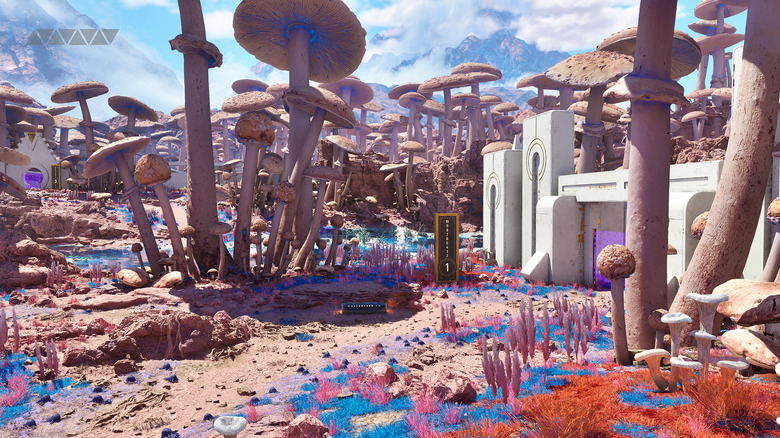
Early reactions from the gaming community have been overwhelmingly positive. The teaser trailer, which hints at the eerie, beautiful, and slightly broken nature of the Anomaly, has already garnered millions of views. Industry analysts note that by focusing on PC and PS5, Croteam is positioning the game as a graphical and technical showcase, likely leveraging the full power of the latest console generation to realize the "beautiful gardens of Elysium" and the stark, terraformed deserts mentioned in the materials.
The Road Ahead: What to Expect
As we await further news, the community is already speculating about the "reason" mentioned in the teaser. Is the protagonist the same entity from the first two games? Is the Anomaly a digital purgatory, a physical location in the deep future, or something else entirely?
The game’s presence on Steam and its upcoming release on PS5 suggest a polished, premium experience. Croteam’s history of supporting their games with deep, lore-rich content and high-quality updates suggests that The Talos Principle 3 will be a title that defines its year.
For now, fans are encouraged to revisit the first two entries. As the saying goes in the world of Talos, the journey is as important as the destination. With the final pieces of the puzzle about to be placed, the trilogy is poised to leave a permanent mark on the medium of interactive fiction. Whether you are a veteran who has solved every secret in the first two games or a newcomer intrigued by the promise of a deep, existential puzzle experience, the closing of this chapter will be an event worth watching.
Stay tuned to official channels for updates on the release date and further gameplay reveals. The Anomaly awaits, and the final answer to the Talos Principle is almost within reach.