In a significant move to streamline administrative processes and enhance user experience, the National Identity Management Commission (NIMC) has officially launched dedicated WhatsApp and live chat support channels. This development marks a pivotal shift in how the Commission interacts with the Nigerian populace, moving away from the traditional, often cumbersome, physical queue-based model toward a more agile, digital-first approach.
As the National Identification Number (NIN) becomes the cornerstone of Nigeria’s digital economy, this initiative is designed to provide millions of citizens with real-time, verified assistance. By leveraging platforms that are already ubiquitous in the daily lives of Nigerians, NIMC is positioning itself to address a backlog of inquiries regarding enrollment, data modification, and verification challenges without the necessity of physical office visits.
The Digital Pivot: Expanding Access Beyond Physical Centers
For years, the process of obtaining or correcting NIN records has been synonymous with long wait times, overcrowded registration centers, and, in some cases, frustration. The introduction of the new support infrastructure—accessible via a dedicated WhatsApp line (+234 701 566 6971) and a live chat feature on the official NIMC website—is a direct response to these pain points.
The Commission has confirmed that these channels are now operational, offering citizens immediate access to support staff capable of guiding them through complex bureaucratic procedures. Whether a user is struggling with a mismatch in their date of birth, a lost slip, or concerns regarding enrollment status, the new digital tools provide a streamlined pathway to resolution. This is not merely an upgrade in communication; it is a fundamental shift in service delivery philosophy, prioritizing citizen convenience and administrative efficiency.
Chronology: A Trajectory of Identity Reform in Nigeria
The journey toward a digitized national identity system has been long and complex. To understand the significance of the latest support rollout, one must look at the timeline of NIMC’s evolution:
- 2007: The National Identity Management Commission was established by the NIMC Act No. 23 of 2007, tasked with the creation and management of a national identity database.
- 2012: The official launch of the National Identification Number (NIN) enrollment, marking the beginning of a massive national campaign to assign unique identities to citizens.
- 2020: The federal government mandated the linkage of NIN to SIM cards, creating a sudden, massive surge in demand for registration, which tested the limits of existing infrastructure.
- 2023: Under the leadership of Director-General Abisoye Coker-Odusote, NIMC began a deliberate shift toward digital transformation, aiming to phase out paper-based submissions and manual processing.
- 2024: The current rollout of WhatsApp and live chat support marks the latest milestone, fulfilling the promise of a more responsive, tech-enabled public agency.
This chronology illustrates a clear progression from a foundational setup phase to a scaling phase, and finally, to the current optimization phase, where user experience and system efficiency have become the primary focus.
Supporting Data: The Scale of the Digital Ecosystem
The necessity for these digital support channels is underscored by the sheer volume of data NIMC now manages. Recent disclosures from the Commission indicate that the national identity database has surpassed 123 million registered individuals. This massive scale includes not only residents within Nigeria but also the growing diaspora and even inmates in correctional facilities, ensuring that the identity net is as comprehensive as possible.
The impact of these registration drives is measurable. NIMC reports that enrollment processing times have been reduced by nearly 50% compared to previous years. This efficiency gain is attributed to the integration of NIN data with over 125 government agencies and institutions, including the Central Bank of Nigeria (CBN), the Joint Admissions and Matriculation Board (JAMB), and the Federal Road Safety Corps (FRSC). As the NIN becomes the "single source of truth" for identity in the country, the ability of the Commission to handle millions of queries per month becomes a critical national security and economic priority.
The Strategic Importance of the NIN
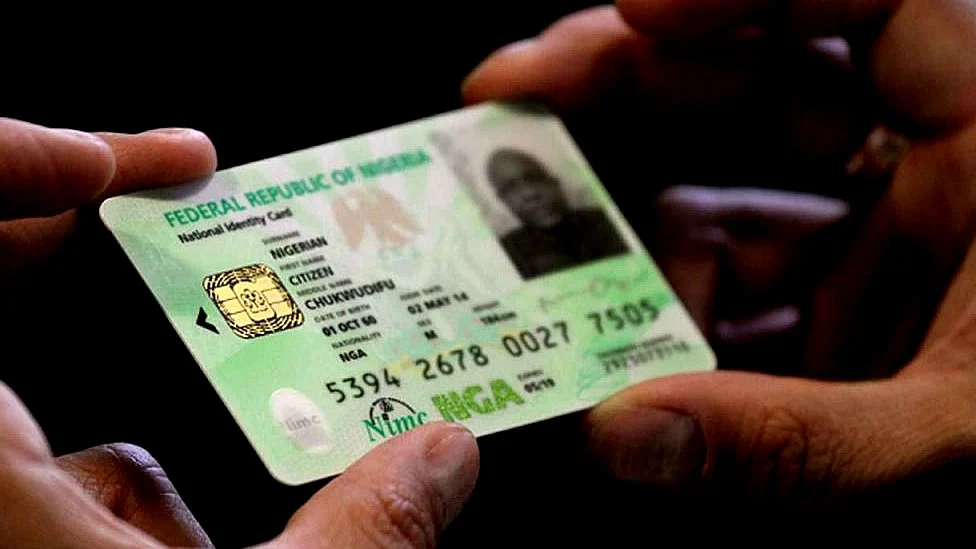
The NIN has transcended its original purpose as a mere identification card. Today, it serves as the essential key to the Nigerian digital economy. Without a valid NIN, citizens find themselves effectively locked out of essential services, including:
- Banking and Financial Inclusion: Mandatory for opening and maintaining bank accounts, as well as accessing credit facilities.
- Telecommunications: Essential for mobile phone SIM registration, meaning no NIN equates to no connectivity.
- Government Programs: Eligibility for social welfare schemes, student loans, and civil service employment is now strictly tied to NIN verification.
- Travel and Taxation: Increasingly required for passport issuance and tax administration.
Because the NIN is now so deeply woven into the fabric of daily life, any inefficiency at the NIMC level has a ripple effect on the national economy. Therefore, the implementation of faster support channels is not just a customer service upgrade; it is an economic imperative that ensures citizens remain connected to the services they need to function in modern society.
Official Response and Vision for the Future
The Director-General of NIMC, Abisoye Coker-Odusote, has been a vocal proponent of the "Digital First" mandate. According to official statements, the integration of WhatsApp and live chat is part of a broader, long-term strategy to modernize the Commission’s operations.
"Our goal," the Commission noted in a press release, "is to strengthen public trust in the digital identity ecosystem. We recognize that trust is built on reliability, and reliability is built on accessible, prompt support."
The administration’s vision is to transition away from physical centers as the primary point of contact for service. By shifting the burden of minor inquiries to digital platforms, the Commission intends to free up physical offices to focus on complex, high-touch cases—such as biometric re-capturing or sensitive data corrections—that truly require human intervention. This optimization strategy is expected to further reduce operational costs and enhance the overall speed of service delivery across the federation.
Addressing the Shadow Economy: A Warning Against Fraud
While the digital expansion is a welcome development, NIMC has been quick to issue a stern warning regarding the rise of fraudulent support channels. As the importance of the NIN has grown, so too has the interest of bad actors looking to exploit citizens.
"Nigerians must exercise extreme caution," the Commission warned. "Official updates, support services, and guidance should only be accessed through our verified communication platforms."
The Commission highlighted that scammers often set up fake social media pages, WhatsApp groups, and websites designed to mirror the official NIMC portal. These entities typically demand payment for services that are legally free, or worse, harvest personal data for identity theft. By consolidating support into verified WhatsApp and live chat channels, NIMC is attempting to create a "safe zone" where users can interact with genuine officials. Citizens are advised to verify the blue tick or official status of any channel they interact with and to never share their full NIN or private biometric data with unofficial parties.
Implications: A New Era for Public Service in Nigeria
The launch of these digital support channels carries significant implications for the Nigerian public sector. Firstly, it sets a precedent for other government agencies. If NIMC can successfully manage a database of 123 million people using modern, responsive digital tools, it creates pressure for other agencies—such as the Nigerian Immigration Service or the Federal Inland Revenue Service—to follow suit.
Secondly, the move addresses the "digital divide" in a unique way. By choosing WhatsApp, a platform that is extremely popular and relatively data-light, NIMC is ensuring that its support services are accessible to the average Nigerian, including those who may not have high-speed broadband but do have access to mobile data.
Lastly, this initiative represents a maturing of Nigeria’s digital identity infrastructure. The transition from "building the database" to "managing the user experience" is a clear sign that the system is entering a phase of stability and optimization.
Conclusion
The National Identity Management Commission’s decision to launch WhatsApp and live chat support is a progressive step toward a more citizen-centric government. By acknowledging the challenges of the past—long queues, lack of information, and the threat of fraudulent agents—and addressing them with modern, accessible technology, NIMC is moving closer to its goal of a seamless digital identity ecosystem.
As Nigerians increasingly rely on their NIN to access everything from bank accounts to government grants, the reliability of the support infrastructure is paramount. With over 123 million records now in the system, the shift to digital support is not just a convenience; it is a necessity for the continued growth and integration of the Nigerian digital economy. As the Commission continues to refine these channels, the hope is that the days of long, unproductive queues will soon be a relic of the past, replaced by an era of efficient, technology-driven public service.