

Modern B2B buyers are no longer satisfied with antiquated ordering processes. The "consumerization of B2B" has fundamentally shifted expectations: today’s professional buyers demand the same friction-free, self-service convenience they experience when shopping on retail sites. They expect the freedom to manage their accounts on their own schedules, access negotiated pricing instantly, and integrate procurement directly into their digital workflows.
For businesses operating in the B2B space, this shift represents a critical juncture. Choosing an ecommerce platform is no longer just about "getting online"—it is about selecting a scalable foundation capable of handling regional expansion, diverse customer tiers, and complex product lines. As organizations evaluate their digital transformation, they must move beyond basic storefronts and toward sophisticated, integrated commerce ecosystems.

The Foundation: Understanding Specific B2B Needs
A wholesale distributor, a custom manufacturer, and a hybrid B2B/DTC operation require vastly different digital toolsets. Before evaluating platforms, stakeholders must define their unique "buyer journey."
For many, the standard "Add to Cart" button is insufficient. A parts supplier, for instance, might require a secure customer portal where verified users can log in, view contract-specific pricing, enter multiple SKUs via a bulk-upload feature, and automatically generate purchase orders. If an organization serves both retail and wholesale markets, the platform must support granular permissions: varying price lists, localized tax rules, and distinct payment terms based on the user’s role.

The Strategic Chronology: From Interest to Order
The B2B buying cycle is rarely linear. It is a nuanced path from initial awareness to final procurement. To build an effective platform, leadership teams must dissect the transition from interest to transaction:
- Awareness & Discovery: Buyers locate products through search or category navigation.
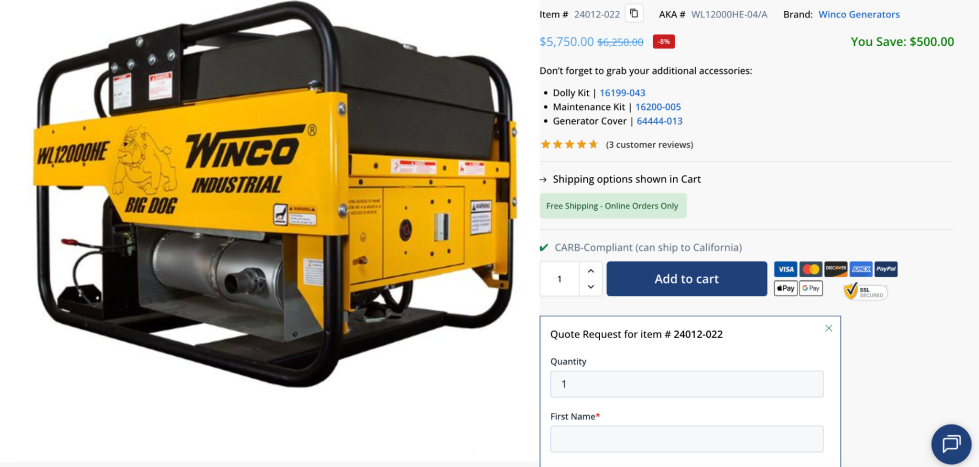
- Configuration & Inquiry: Many B2B purchases require custom specifications. Instead of a traditional checkout, buyers may need to submit a "Request for Quote" (RFQ) or upload technical blueprints.
- Negotiation & Approval: Once a quote is accepted, the platform must transition the buyer into a transactional state.
- Fulfillment & Recurring Orders: Post-purchase, the goal is to streamline repeat procurement through subscription models or "Order Again" functionality.
By utilizing modular extensions—such as those found in the WooCommerce ecosystem—businesses can replace or augment standard checkout buttons with quote baskets, file uploaders for custom manufacturing, or complex product configurators that handle conditional logic.

Supporting Data: Real-World Implementation
The necessity for flexibility is best illustrated by organizations that have successfully bridged the gap between complex operations and digital ease.
- Kellox (Norway): As the country’s largest importer of power sports equipment, Kellox manages nearly 800,000 SKUs. By using WooCommerce to bridge their web presence with Microsoft Dynamics NAV, they provide a seamless experience where dealers see personalized pricing and availability in real-time, all while maintaining sub-two-second page load speeds.
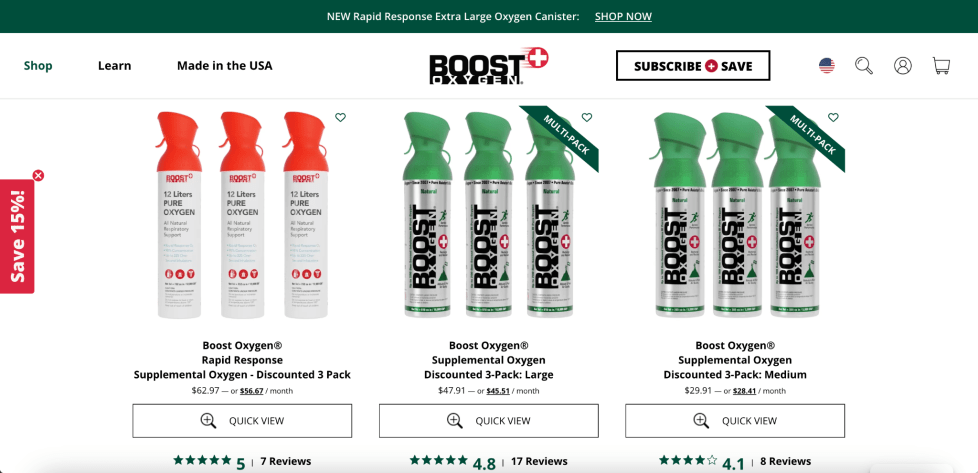
- Boost Oxygen: This company manages both DTC and wholesale channels on a single platform. By integrating with NetSuite via middleware, they ensure that every wholesale order—regardless of volume—is vetted and processed through their internal operations team without the need for siloed systems.
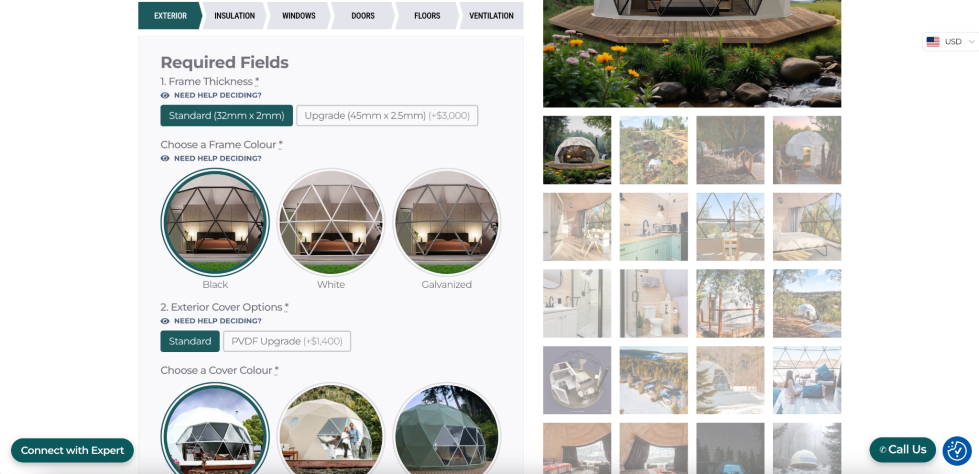
- Luna Glamping: By transitioning to a more flexible, open-source architecture, Luna created a custom product configurator that allows buyers to select from 18 distinct upgrades for their luxury domes, effectively turning a high-touch, consultative sales process into an automated digital workflow.
The Architecture of Control: SaaS vs. Open-Source
A primary point of tension in the current market is the trade-off between managed SaaS platforms (Shopify, BigCommerce) and open-source solutions (WooCommerce).
The Cost of Proprietary Constraints
SaaS platforms often operate on a "tax on success" model. As a business grows and its gross merchandise value (GMV) increases, the platform often mandates a move to a higher, more expensive tier. For example, accessing critical B2B features like unlimited catalogs or partial payments can force a business onto enterprise-level plans, which can start at $2,300 per month or more.
The Power of Ownership
Conversely, open-source platforms like WooCommerce offer complete control. Because the software is owned by the business, there are no artificial caps on features or forced migrations based on revenue thresholds. The cost structure is predictable: businesses pay for the extensions they need (such as $179/year for professional B2B modules) and hosting of their choosing. This allows for a "build-as-you-grow" strategy, where the platform evolves alongside the company’s revenue, rather than being penalized for its growth.
The Future of B2B: AI and Beyond
The integration of Artificial Intelligence into the B2B space is no longer theoretical. According to research from Forrester, 94% of professional buyers use AI at some point during their research phase. This creates a new challenge: "AI-first discovery."
If an AI agent scans a website to compare products or pricing, does it understand the difference between a retail customer and a contracted partner? Most current platforms struggle with this. A flexible, open-source architecture provides the "hooks" necessary to adapt to these changes as AI-driven procurement becomes standard. Organizations must ask: "When an AI agent reads our site, what can it see, and do we have the power to control that visibility?"
Implications for Digital Strategy
The conclusion for any B2B organization is clear: stop looking for the "longest list of features" and start looking for the "highest level of adaptability."
Strategic Evaluation Checklist:
- Buying Paths: Does the platform support both direct checkouts and quote-based requests?
- Account Rules: Can you enforce role-based pricing and multi-user purchasing limits?
- Integration: How easily does the platform sync with existing ERP, CRM, and inventory management systems?
- Scalability: Can the architecture handle a 10x increase in SKU volume or regional expansion without a total platform migration?
- Total Cost of Ownership (TCO): Calculate the three-year cost, including potential "success taxes" (tier jumps) vs. fixed development and extension costs.
Final Assessment: Making the Choice
When comparing platforms, the goal is to build a short list based on the business’s current operational reality and its five-year growth trajectory. Proprietary SaaS platforms offer immediate convenience but often impose long-term limitations on customization and cost-efficiency. Open-source solutions provide a blank canvas, enabling businesses to own their commerce stack, integrate legacy systems, and pivot as market conditions change.

The digital storefront is the most critical asset in the modern B2B toolkit. It is the interface where reputation, pricing, and efficiency meet. By selecting a platform that prioritizes flexibility and ownership, businesses can ensure that their digital infrastructure is not just a support system, but a primary driver of competitive advantage in an increasingly automated global market.
For leadership teams, the time to act is now. Documenting requirements and mapping them against the capabilities of your prospective platforms is the first step in ensuring that your organization remains a leader in the digital-first economy.