In the modern digital economy, the chasm between selling physical goods and digital products is not merely logistical—it is psychological. For an e-commerce merchant, the product is tangible; it can be touched, inspected, and held, acting as its own primary sales argument. In the world of digital courses and intangible assets, however, the burden of proof falls entirely upon the shoulders of the creator’s communication strategy.
When there is no physical packaging to admire or shelf-life to verify, the email sequence becomes the storefront, the salesperson, and the brand ambassador. For creators, the email list is not just a marketing channel; it is the entire infrastructure of the business.
The Fundamental Shift: Why Digital Products Demand a Different Strategy
For traditional e-commerce brands, email marketing is largely a retention mechanism—a way to nudge customers back to a store, recover abandoned carts, or foster loyalty through repetitive purchases. For digital product creators, the paradigm is inverted: email is the primary funnel.
Potential customers rarely stumble upon a course and purchase it instantly. Instead, they enter the orbit of a creator via a podcast, a social media snippet, or a referral. They are interested but uncommitted. They sign up for a free training, and suddenly, the creator’s ability to convert that interest into revenue rests solely on the sequence of emails that follow.
There is no "browse-and-abandon" safety net here. There is no retargeting pixel that can do the heavy lifting of persuasion. The creator has only their words and the value they provide to earn trust week after week. If the emails fail to resonate, the prospect disappears—often for good.
Chronology of the Funnel: From Opt-in to Authority
The lifecycle of a digital customer follows a distinct, predictable trajectory. Understanding this chronology is essential for any creator looking to scale.
1. The Entry Point: Beyond the Lead Magnet
Most creators fixate on the "lead magnet"—a free checklist, webinar, or mini-course. While necessary to secure an email address, many treat this as the destination rather than the departure point.
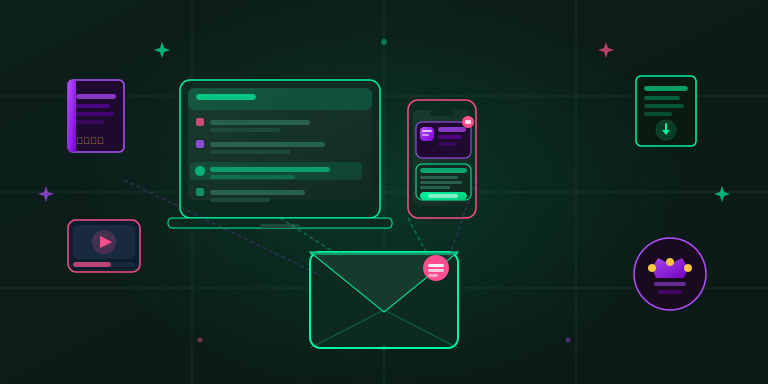
The strategy that separates the industry leaders from the hobbyists is the realization that the lead magnet earns the opt-in, but the "Welcome Sequence" earns the attention. By the time a prospect considers a high-ticket item—such as the Foundr+ membership, which hosts over 30,000 founders—they have typically consumed enough free, high-value content to trust the source implicitly. The eventual offer, even if it is a low-barrier $1 trial, is not a "pitch" but a logical next step in an established conversation.
2. The Nurture Sequence: Building the Arc of Belief
The goal of a nurture sequence is not to flood an inbox, but to systematically build a narrative of belief. The progression should follow a logical arc:
- Identify the Pain: Acknowledge the specific, visceral problem the audience is living with.
- The Vision: Paint a picture of what is possible on the other side of that problem.
- The Proof: Introduce case studies, student results, and personal anecdotes that validate your approach.
- The Call to Action: By this point, the product should feel like the inevitable solution to the reader’s challenges.
The duration of this sequence is directly correlated with price point. A $49 e-book might convert within a three-email sequence; a flagship coaching program, however, requires more runway—often six to ten emails delivered over several weeks—to establish the necessary credibility.
Launch Emails: The Discipline of Urgency
When the cart officially opens, the rules of engagement shift. The patient, value-first approach of the nurture phase must give way to a more assertive strategy. A launch window is a finite period, and the email cadence must mirror that reality.
During a launch, the "feature list" is the enemy of conversion. Instead, the middle emails of a launch sequence should focus on overcoming objections. If the audience says they are "too busy," the creator must show how other students have balanced the course with full-time jobs. If they doubt the product is for them, the creator must provide evidence of a peer who shared their exact background and achieved success.
Finally, the closure of a launch must be rooted in honest, real-time urgency. Manufactured deadlines—where "time is running out" only to be reset the next day—are quickly detected by savvy consumers. Real urgency is transparent, firm, and respectful of the audience’s time.
Post-Purchase: The "Forgotten" Revenue Driver
Perhaps the most significant error in the digital product space is the "radio silence" that follows a sale. When the sales page is taken down, many creators move on to the next prospect, neglecting the person who just paid them.
This is a missed opportunity for exponential growth. A simple check-in email sent one week post-purchase generates immense goodwill. Furthermore, progress-based emails—which encourage students who may be falling behind—directly impact completion rates.
Completion rates are the lifeblood of a digital business. A student who finishes a course and achieves a result becomes a powerful marketing asset: they provide testimonials, offer referrals, and are significantly more likely to purchase the creator’s next offering. Foundr, for instance, underscores this with a 90-day results guarantee; such a promise is only sustainable if the post-purchase email infrastructure is robust enough to ensure student success.
Implications for the Modern Creator
Building a digital product business on email is arguably the most "algorithm-proof" model in entrepreneurship. While social media platforms shift their reach and SEO landscapes change, an email list is a durable, owned asset. It grows in direct proportion to the value provided to the people on the list.
The Role of Automation
For creators to focus on strategy rather than administration, robust automation is non-negotiable. Tools like Omnisend have become essential for handling nurture sequences, launch flows, and post-purchase follow-ups without manual intervention.
The implications for the industry are clear:
- Segmentation: The ability to tailor messages based on subscriber behavior ensures that the right content reaches the right person at the right time.
- Migration Efficiency: Many creators are deterred from upgrading their email stack due to perceived "switching costs." However, modern solutions now offer professional migration teams that can move entire lists, flows, and templates in days, often resulting in significant cost savings—sometimes up to 35% compared to legacy platforms.
- Multi-Channel Integration: With the inclusion of SMS marketing at lower price points, creators can now build a cohesive, omnichannel experience that keeps them in the conversation regardless of where the subscriber is located.
Conclusion
The digital product landscape is increasingly crowded, yet the fundamentals remain constant: trust, education, and relationship. The creators who succeed are not those sending the most emails; they are the ones sending the most relevant, helpful, and empathetic emails at the exact moments their audience needs them most.
By treating the email inbox as a space for genuine connection rather than just a digital billboard, entrepreneurs can build a resilient, scalable, and highly profitable business model that stands the test of time. As the digital economy continues to evolve, those who master the art of the email playbook will remain the ones leading the conversation.