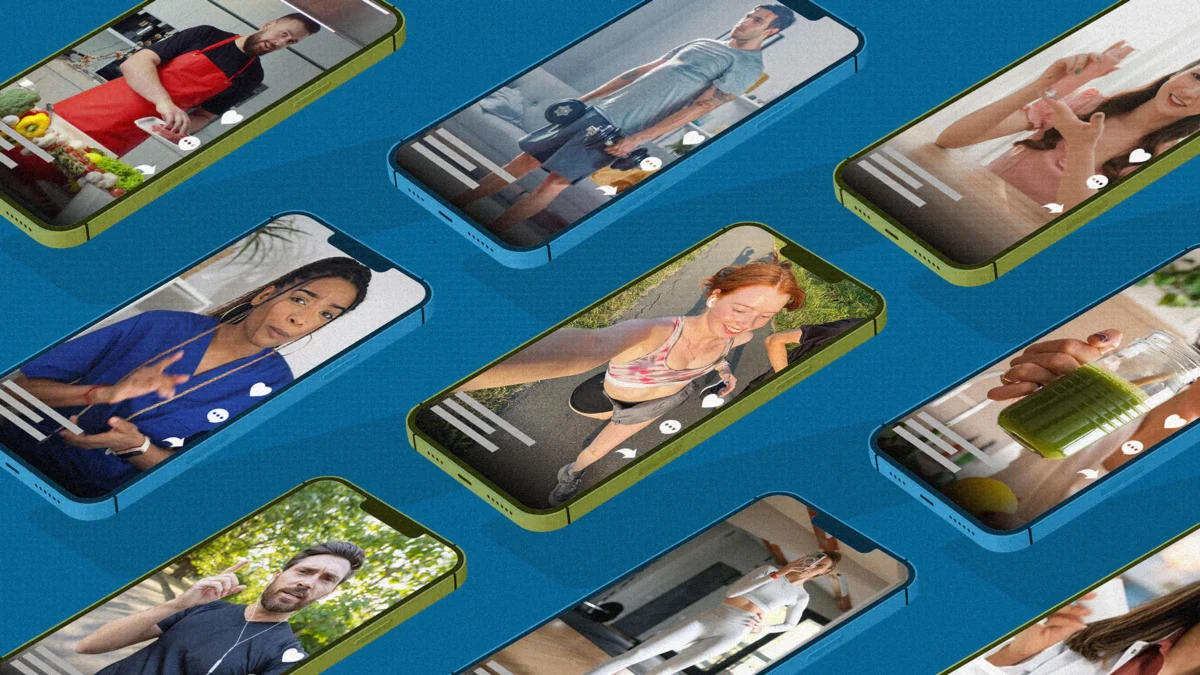
In the digital age, the authority of the doctor’s office is increasingly competing with the curated aesthetics and rapid-fire delivery of social media influencers. From Instagram fitness challenges to TikTok nutritional advice and YouTube longevity deep-dives, health and wellness content has become a cornerstone of the modern social media experience. But what exactly are these influencers talking about, and how does their professional background—or lack thereof—shape the guidance they provide to millions of followers?
A comprehensive new analysis by the Pew Research Center, covering over 535,000 posts from more than 6,300 influencers across Instagram, TikTok, and YouTube between February and April 2026, reveals a complex landscape of influence. The data offers a first-of-its-kind window into how wellness content is produced, categorized, and monetized in the digital square.
The Landscape of Wellness Content: Main Facts
The study reveals that while "wellness" is the umbrella term, the content is heavily fragmented. Fitness, healthy habits, nutrition, and medical conditions dominate the feed, though a significant portion of posts—30%—actually fall outside of traditional health or wellness categories.
Perhaps most striking is the ubiquity of product promotion. Influencers are not merely content creators; they are active participants in the digital economy. A staggering 38% of all analyzed posts contained a promotion for a product or service—a figure that climbs significantly when looking at specific niches.
The Hierarchy of Topics
Fitness content leads the pack in terms of pure frequency, accounting for 25% of all health-related posts, followed closely by healthy habits (20%) and nutrition (19%). However, when looking at the reach, the engagement is broad: 82% of health influencers post about "healthy habits" at some point, and 77% touch upon medical conditions, suggesting that even those focused on fitness are willing to venture into the complex waters of medical advice.
A Chronology of the Rise of Wellness Influence
The ascent of the health influencer is a product of the late 2010s and early 2020s, a period marked by a growing public distrust in institutional healthcare and an increasing desire for personalized, accessible, and relatable health guidance.
- 2018–2020: The "influencer boom" begins. Initially, wellness content is dominated by "fit-fluencers" focused on aesthetic goals. The COVID-19 pandemic acts as a massive accelerator, driving users to seek home-based health routines, mental health support, and immune-system advice online.
- 2021–2023: The rise of short-form video (TikTok, Reels) shifts the focus from polished, long-form blogs to rapid-fire "hacks" and testimonials. The professionalization of influence begins as creators seek to monetize their audiences through affiliate marketing and brand partnerships.
- 2024–2025: Regulatory scrutiny increases. The Federal Trade Commission (FTC) and global health bodies begin to signal concerns regarding health misinformation. Influencers, in turn, begin to include more disclaimers, though the practice remains inconsistent.
- 2026: The current state, as analyzed by the Pew Research Center, shows a mature ecosystem where influencers have integrated professional credentials into their bios to build trust, yet they remain tethered to high rates of commercialization.
The Commercial Engine: Promoting Products as Guidance
The most significant finding of the 2026 analysis is the inextricable link between health advice and product promotion. The data shows that 92% of all health influencers have included a promotion in their content at some point.
When categorized by topic, the frequency of promotions is highest in the niche of "OTC medications or supplements," where 66% of posts include a promotion. This creates a challenging environment for the average user: when a creator offers advice on a supplement, it is often inextricably linked to a product they are being paid to market.
Furthermore, the "influencer background" plays a role in how aggressively they sell. Dietitians and nutritionists promote products in 43% of their posts, while those identifying as "complementary, alternative, and integrative health" practitioners follow closely at 41%. Even among those with no stated credentials, 30% of posts include commercial promotions, highlighting that the "influencer" business model relies heavily on the monetization of health advice.
The Role of Evidence and Warnings
A recurring critique of the influencer model is the lack of evidence-based citations. The Pew study found that only 9% of posts include a health source citation. This creates a "trust gap" where the personality of the influencer often outweighs the clinical validity of their claims.
However, influencers do not ignore risk entirely. About 11% of all posts include a health warning—defined as a claim that a specific practice could cause direct harm to physical or mental health. Interestingly, "Health policy" content is the most cautious, with 46% of such posts containing warnings. This suggests that when influencers discuss high-stakes topics like policy or men’s health (38% of which contain warnings), they are more likely to adopt a protective stance.
Official Responses and Ethical Implications
The medical community has been vocal about the implications of these findings. Public health organizations have expressed concern that the "algorithm-first" approach to health creates echo chambers where misinformation can go viral faster than fact-checked medical guidance.
"The issue isn’t that influencers are sharing health tips," says one independent policy researcher. "The issue is the lack of a standardized verification process. When a user sees a fitness influencer with millions of followers touting a specific supplement for longevity, they often conflate that popularity with scientific consensus."
In response to these trends, some social media platforms have introduced "verified professional" badges and automated labels for health-related content. However, as the data shows, these labels are often insufficient to stem the tide of anecdotal, product-driven content that prioritizes engagement over health outcomes.
Implications for the Future of Healthcare
The data suggests several critical implications for the future of the wellness industry:
- The Blurring of Lines: The distinction between "medical advice" and "lifestyle content" has effectively vanished. When 77% of influencers are discussing medical conditions, the social media feed has become an unregulated secondary healthcare system.
- The Monetization Conflict: The fact that over a third of all wellness posts contain a product promotion suggests that the wellness influencer model is inherently biased. It creates a conflict of interest where the "solution" to a health problem is almost always a product that the influencer is selling.
- The Need for Digital Literacy: As the reliance on these platforms for health information grows, the need for public education on how to vet sources, identify sponsorships, and verify claims becomes paramount.
- Regulatory Challenges: Policymakers face a difficult path forward. Balancing free speech with the need to protect the public from potentially harmful health misinformation requires a nuanced approach that does not stifle innovation but does demand transparency.
Conclusion
The digital health landscape is a double-edged sword. It has successfully democratized access to health information and fostered supportive communities for people with niche medical conditions or fitness goals. However, it is also a landscape where commerce frequently disguises itself as counsel.
As we look toward the remainder of the 2020s, the challenge will be to transition from an era of "unregulated influence" to one of "transparent wellness." Until then, the burden of proof rests heavily on the consumer, who must navigate a sea of high-production-value advice to determine what is truly healthy and what is simply a well-marketed product. The Pew Research Center’s data serves as a vital reminder that in the world of online health, one should always look closely at the "why" behind the "what."